Resilient & Regenerative: Your Guide to Climate-Smart Gardening
November 3, 2025
Climate-resilient gardening might sound like something only the pros worry about, but for homeowners in Pennsylvania, it’s becoming part of everyday life.
Extra-heavy rains, longer droughts, unusual frosts, and of course, hotter weather are stressing out our plants here, and across the country. The good news is that there is an emerging wealth of practices to help our gardens adapt to the changes and unpredictability.
With these tips, you can not only grow a climate-resilient garden, but actually reduce your eco-footprint—and even begin to reverse the damage—by having a net benefit for our local ecosystem, too!
Regenerative Gardening: A Climate-Resilient Mindset
The first step to climate-resilient gardening is a shift in mindset. Instead of viewing nature as a hostile force to keep out of gardens, we can begin to see it as a regenerative force to partner with. This means recognizing that our backyards are part of a wider ecosystem that sustains all the life in our region, including us.
When local ecosystems are supported, every part of them becomes stronger. For instance, when we plant more flowers and shrubs, pollinators like bees and butterflies multiply. Soon after, songbirds follow, drawn by the abundance of insects and seeds.
Working within a regenerative framework, we can build health in our gardens and even restore ecological connections that have been broken. The key is to work with the natural microclimates, plant communities, soils, and seasons of your bioregion—as you’ll see below!
Biodiversify Your Garden: Grow Native
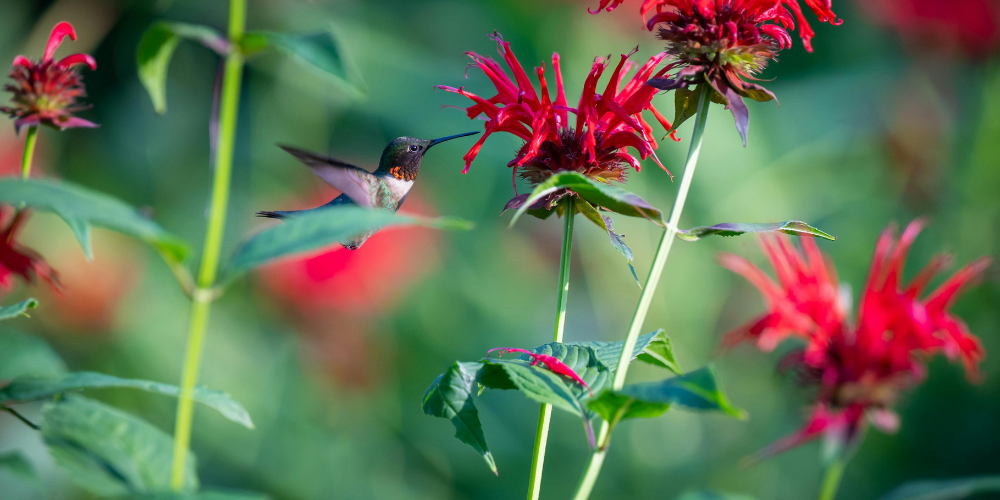
Growing a greater biodiversity of plants, especially natives, boosts our garden’s resilience and ecological health in the face of climate disruption. Through thousands of years of evolution, native plants have learned to thrive in Pennsylvania. They can better withstand storms, pests, and droughts. When we bring them into our garden, we invite bees, build soil, and attract beneficial insects, which boost our garden’s health too.
Here are local favorites to try:
- Purple Coneflower (Echinacea purpurea): Bright, bee-loving, and drought-tolerant.
- Black-eyed Susan (Rudbeckia hirta): Cheerful gold blooms that thrive in tough soil.
- Bee Balm (Monarda didyma): Attracts pollinators and adds color to shady spots.
- Switchgrass (Panicum virgatum): Adds texture, movement, and handles floods and droughts.
- Joe-Pye Weed (Eutrochium purpureum): A tall, majestic native that pollinators adore.
How to Improve Garden Soil: A Natural Foundation
Healthy soil is the foundation of a resilient garden. When soil is degraded, plants become weak. In contrast, healthy soil acts like a sponge, holding moisture during dry spells and draining excess water after heavy rain. It also acts as your garden’s immune system—it helps plants resist stress, pests, and disease.
To nurture good soil, you can:
- Avoid chemical fertilizers, which don’t build soil, and in fact disrupt microbial soil health.
- Feed your soil with compost, leaves, and organic matter. Add a few inches of compost each fall or spring to improve soil structure and microbial activity.
By incorporating climate resilient gardening principles like native planting, smarter watering, and healthy soil practices, you can create a yard that looks beautiful and thrives through Pennsylvania’s unpredictable seasons.
Grow More Pollinator Flowers and Habitat
Changing weather patterns have a big impact on pollinators and other insects. Bees are confused when they come out of hibernation early but find no flowers blooming. Butterflies migrating across the region may struggle to find enough nectar when droughts impact their food sources. Unusual weather may bring unusual pests, boosting the importance of predatory insects, like ladybugs, in your garden.
Any small effort to help insects also helps our garden, which relies on their ecosystem services.
Here are the best things you can do:
- Grow more native wildflowers.
- Grow a wider diversity of flowers (i.e. more biodiversity).
- Leave “messy” corners of your yard with leaf mulch and sticks for insect habitat.
- Go organic and avoid pesticides.
- Aim to have blooms in all seasons, especially in the early and late seasons.
- Let some herbs and vegetables flower for the bees.
- Replace your lawn with a wildflower meadow.
By incorporating climate resilient gardening principles like native planting, smarter watering, and healthy soil practices, you can create a yard that looks beautiful and thrives through our unpredictable seasons.
Go “No-Till” for Healthier Soil
Tilling your garden every year was once a common way to turn over weeds and mix in compost. A growing body of research shows that tilling actually allows more weeds to germinate, releases carbon into the atmosphere, and disrupts soil structure. Plus, it’s a lot of work!
The no-till alternative mimics a natural ecosystem. It involves feeding your soil with compost, leaf mulch, or manure in the fall. As it breaks down over winter, it helps create a loose and healthy soil structure for planting. When planting time comes, sow right into the soil as it is.
The Amazing Benefit of Mulch
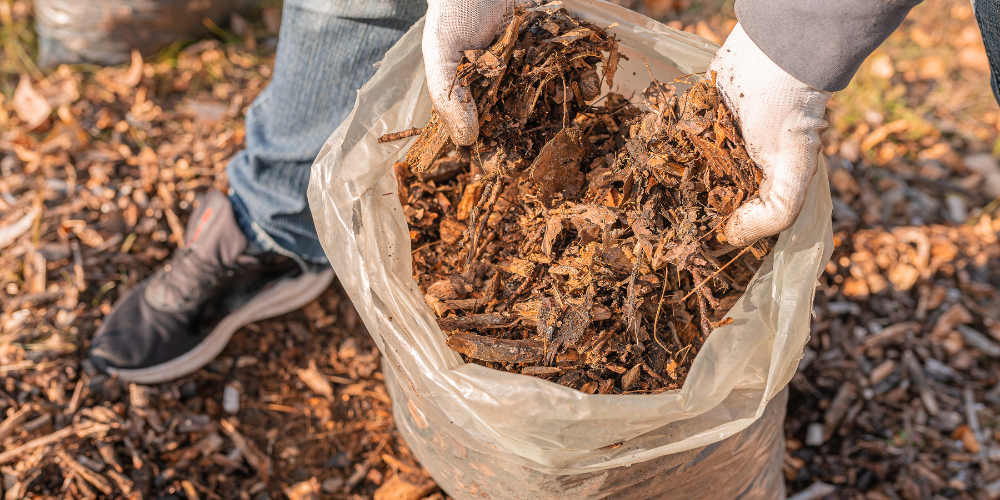
A key idea in sustainable landscaping, mulch prevents soil erosion from heavy rains, winds, and heat. It also holds moisture during times of drought.
Pro Tip: Remember to use woody mulches—i.e. bark mulch and wood chips—for perennials, shrubs, and trees, and go with herbaceous mulch, like grass clippings and straw, for annuals and vegetables.
In Glenside and across Pennsylvania, gardeners are discovering that climate resilient gardening isn’t just good for the planet—it’s also one of the most budget-friendly ways to create a thriving, low-maintenance landscape that lasts year after year.
Cover Crops in the Veggie Patch and Flower Beds
You don’t need to be a professional farmer to use cover crops in your vegetable plot. These easy practices do wonders to improve soil health and structure, retain water, and reduce the need for weeding. In perennial beds, you can use perennial groundcovers instead of mulch.
Steps for cover-cropping:
- Try sowing buckwheat or clover around your vegetables midspring, after your seeds have germinated. Once the buckwheat grows tall and flowers, chop it down and leave it on the soil surface as green mulch. You can plant another round of cover crops 7 to 10 days later.
- If you are leaving a bed bare over winter, sprinkle some winter rye to grow in the off-season. Chop it down for green mulch when you’re ready to plant.
- For your flower garden, try using perennial groundcovers like woodruff, periwinkle, creeping thyme, or sedum. These living mats give abundant flowers for bees, while holding in soil and moisture. Groundcovers exist for both shade and sunny spots.
In Glenside and across Pennsylvania, gardeners are discovering that climate resilient gardening isn’t just good for the planet—it’s also one of the most budget-friendly ways to create a thriving, low-maintenance landscape that lasts year after year.
Water Wisely: Climate-Smart Ways to Hydrate Your Garden
Climate-smart watering reduces your water consumption, amount of work, and helps plants thrive. The best time to water your plants is in the early morning when the sun is low and evaporation is minimal. Aim for fewer, deeper sessions instead of frequent sprinkles; this trains roots to grow downward where moisture lasts longer.
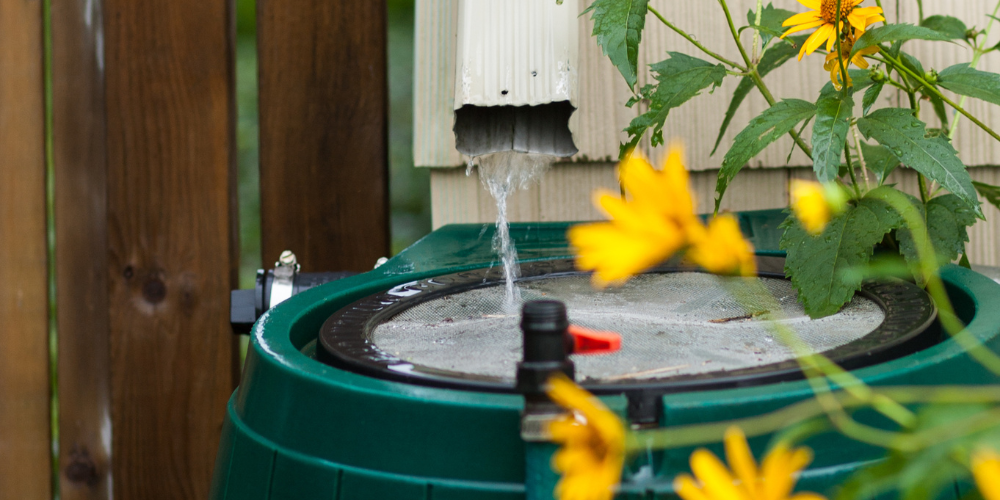
For extra efficiency, install a drip irrigation system or soaker hoses. They deliver water straight to the soil, reducing waste and disease. Pair that with a simple rain barrel to capture roof runoff—free water for your garden during dry weeks!
The Right Plant in the Right Place
Do you have any shade plants growing in full sun? Or drought-loving plants in soggy depressions? These plants require extra work that you don’t need to do. Plus, they’ll become even higher maintenance during extreme weather. Instead, save yourself the trouble and strengthen your plants by ensuring they are in the best spots.
Ideally, in ecological gardening, we aim to have the right plant in the exact right microclimate, so the natural rain and sun take care of maintenance for us!
Diversify Your Vegetable Garden
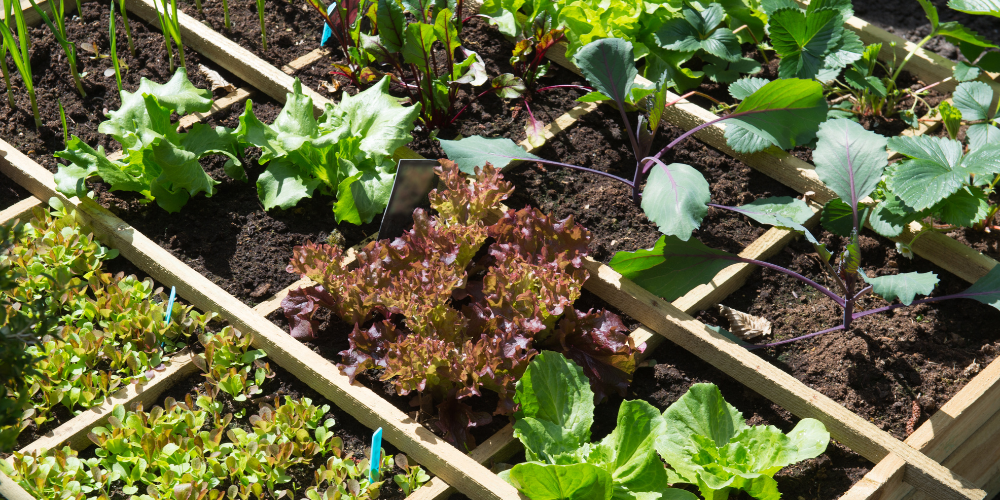
Strengthen your chances of a good harvest by growing a wider diversity of veggies. Instead of a single bed of romaine lettuce, mix in more varieties of greens. Instead of one tomato type, grow a range of heirloom and hybrid varieties. Plant vegetables you’ve never tried before. Diversity is key to a resilient garden and a healthy garden ecosystem!
Pro Tip: Mix in flowers with your vegetable garden and try companion planting to boost resilience against pests!
Cultivate Your Garden Community
The most essential way to build climate-resilient gardens is to connect with your local community. Tool sharing, seed swapping, knowledge exchanges, food sharing, nature observing, gardening courses, local farms, arboretums, and community gardens—community events are where you can collaborate, build knowledge, and generate solutions together. Your local garden center also plays a vital role in this network, as a hub of local knowledge, supplies, and plants. Visit us in Glenside, PA, today at Primex Garden Center to learn more gardening tips, build connections, and see everything we have to offer!