How to Attract Hummingbirds to Your Pennsylvania Garden
June 24, 2024
Attract hummingbirds to your garden all summer by growing these food and shelter favorites.
There’s nothing more wondrous than the sight of a hummingbird passing through your garden, but this magical moment doesn’t need to be left up to chance; in fact, learning how to attract hummingbirds to your garden is actually quite simple! With the right flowers and other key practices, you can easily create habitats for these amazing creatures and welcome them into your outdoor space with open arms (or wings!). No magic is required—unless you count the ordinary magic of flowers, plants, and the wondrous birds who visit them.
Identifying Ruby-Throated Hummingbirds
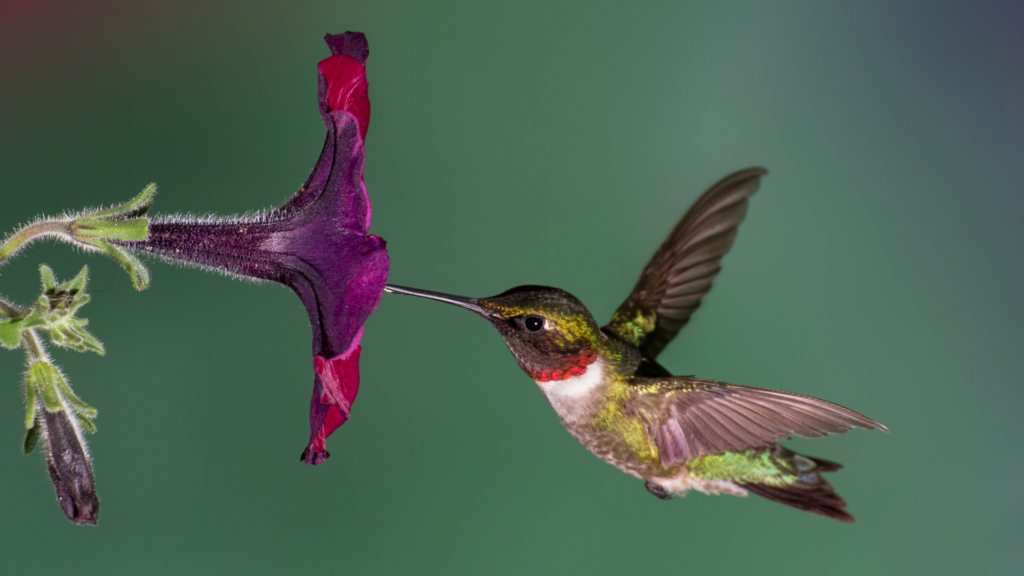
The only nesting hummingbird in Pennsylvania is the ruby-throated hummingbird. Recognized by their bright red throat, black cap, and dusky green wings, these birds migrate to the United States and Canada for the summer all the way from Central America. With a high metabolism and a heartbeat of 500 to 1200 bpm, they require near-constant nourishment, typically in the form of flowers and insects.
Hummingbird-Friendly Plants and Flowers
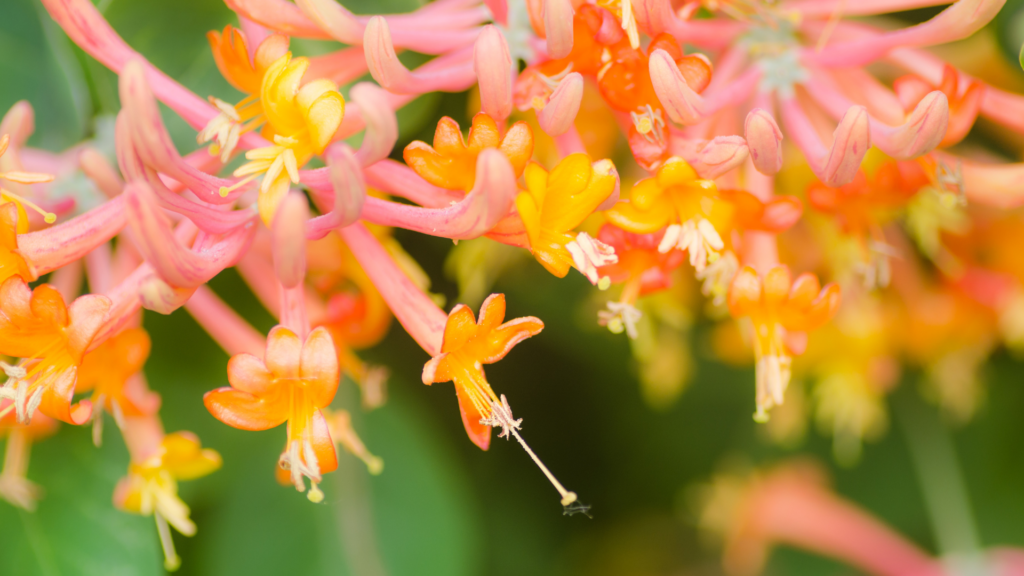
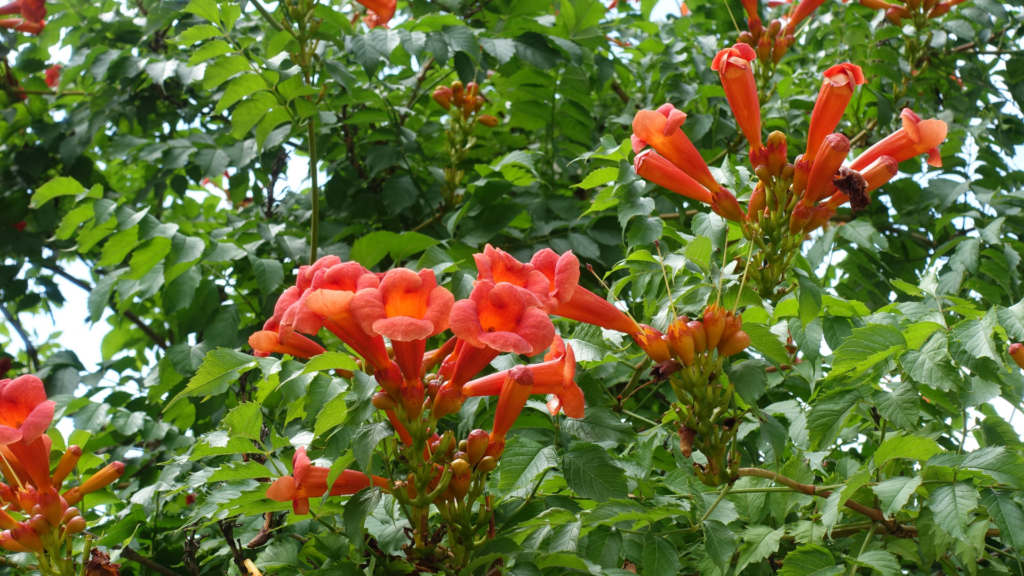
All along their migration path, hummingbirds feed on a variety of wildflowers, some of which have co-evolved to specifically fit their long bill. Ruby-throated hummingbird favorites include cardinal flower, wild bergamot, scarlet beebalm, lemon beebalm, jewelweed, red buckeye, trumpet creeper, and trumpet honeysuckle. Other popular flowers for hummingbirds include columbine, clove currant, and salvia.
While these are some of the best plants to include in your garden, any flower with long tubular blossoms, including petunias, delphinium, and butterfly bush, makes excellent nectar sources for hummingbirds. They also prefer flowers with orange or red hues, which is why hummingbird feeders often use the same colors in their designs.
Hummingbird Gardening Best Practices
Growing the right flowers is the first step for attracting ruby-throated hummingbirds to your yard, but it’s not the only piece of the picture. It’s also important to follow these other key practices:
- Arrange your flowers in groups to increase their visibility to hummingbirds.
- Use native plants where possible, as these species have co-evolved with native hummingbirds and many other local pollinators and wildlife species.
- Add trees and shrubs to your yard to provide perches and nesting sites.
- Add a shallow birdbath to your garden to provide visiting hummingbirds with a source of water.
- Eliminate or greatly reduce your use of insecticides, as insects are a favorite food source for hummingbirds.
Beyond Flowers: Other Key Food Sources for Hummingbirds
Ruby-throated hummingbirds don’t exclusively feed on nectar; insects—particularly aphids, gnats, and flies—are another vital part of their diet, acting as a crucial source of protein. While you don’t necessarily have to encourage these friends to join your garden, you can at least get to know them and recognize their critical importance for the hummingbirds, songbirds, frogs, and fish that support our local ecosystem.

Best Practices for Hummingbird Feeders
While the best way to attract hummingbirds to your yard is to plant more of their favorite wildflowers, installing a feeder is another great way to court them into your space.
We recommend using a ratio of ¼ cup of plain, white sugar to 1 cup of water in your feeders during the summer months. As sugar water naturally ferments and attracts bacteria when left outside, it’s key to only fill your feeder with about 1-2 days’ worth of nectar for the hummingbirds using your yard. That way, they will eat the nectar before it begins to harbor any harmful bacteria. It is essential to regularly clean your feeder, as fatal diseases can be housed and spread between birds with an unclean feeder.
Installing multiple smaller hummingbird feeders in your yard is usually better than one large one, as male hummingbirds are very territorial and will protect any food sources in their territory. Offering more feeders allows you to attract more than one hummingbird or hummingbird pair to your yard.
How to Recognize a Hummingbird Nest
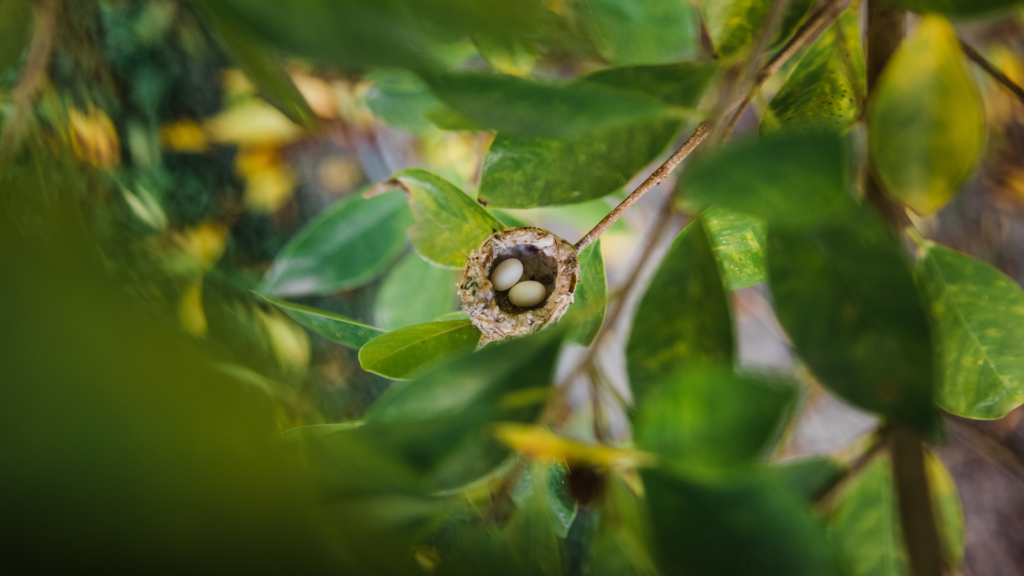
Are you planning to prune your trees or shrubs this summer? Before breaking out the loppers, take a quick scan for bird nests. Female hummingbirds usually make their nests about 10 to 40 feet off the ground in deciduous trees like birch, poplar, hornbeam, oak, and hackberry. Their nests are typically 2 inches across and 1 inch deep, with an inner cup about the size of a thimble.
Like all bird’s nests, these hummingbird homes are works of art, made of thistle down and woven together with strands of spider silk or pine resin. Females decorate the outside of the nest with lichen or moss for camouflage.
By gardening not only for ourselves but also for our many animal visitors, we deepen our connection to the earth and our local ecosystem, allowing ourselves to graciously accept and benefit from their many wonderful gifts. For more tips on how to attract hummingbirds to your garden, feel free to visit our independent garden center in Glenside, PA!