The Social Lives of Plants: A Guide to Companion Planting
March 24, 2025
If plants had best friends, enemies, and that one weird neighbor they have to tolerate, companion planting would be the way to decode their social circles. This time-tested gardening technique isn’t just about making your veggie patch look good—it’s about boosting plant health, improving yields, and cutting down on pests, all while keeping your soil happier than a worm in compost. Let’s explore why companion planting deserves a starring role in your garden this season.
What is Companion Planting?
Companion planting is the practice of growing specific plants together to create mutual benefits—kind of like setting up a successful group project where everyone actually contributes. Some plants repel pests that would otherwise munch on their neighbors. Others improve soil quality or provide shade for sun-sensitive friends. And then there are the bossy ones that take all the nutrients for themselves, making them terrible roommates. (We’re looking at you, fennel.)
Instead of planting in isolated rows like a school cafeteria seating chart, companion planting creates a little ecosystem where plants support each other. The results? Healthier crops, fewer pest issues, and less work for you.
The Benefits of Companion Planting
You’re probably wondering, “Why go through all this trouble?” Well, here’s why your garden will thank you:
- Pest Control Without the Drama
Some plants naturally repel pests that love to snack on their neighbors. Marigolds, for example, send a clear “No Vacancy” sign to nematodes, while basil keeps mosquitoes and tomato hornworms at bay. Less munching, more thriving. - Soil Health on Autopilot
Certain plants, like beans and peas, fix nitrogen in the soil, giving your heavy feeders, like tomatoes, a little boost. Meanwhile, deep-rooted plants like carrots help break up compacted soil, improving aeration for their shallower-rooted buddies. - Better Growth and Bigger Harvests
Some plants just make each other grow better. Tomatoes and basil? A match made in heaven—both in the garden and on your plate. Basil enhances tomato growth and improves its flavor, while tomatoes give basil a little shade in return. - Efficient Use of Space
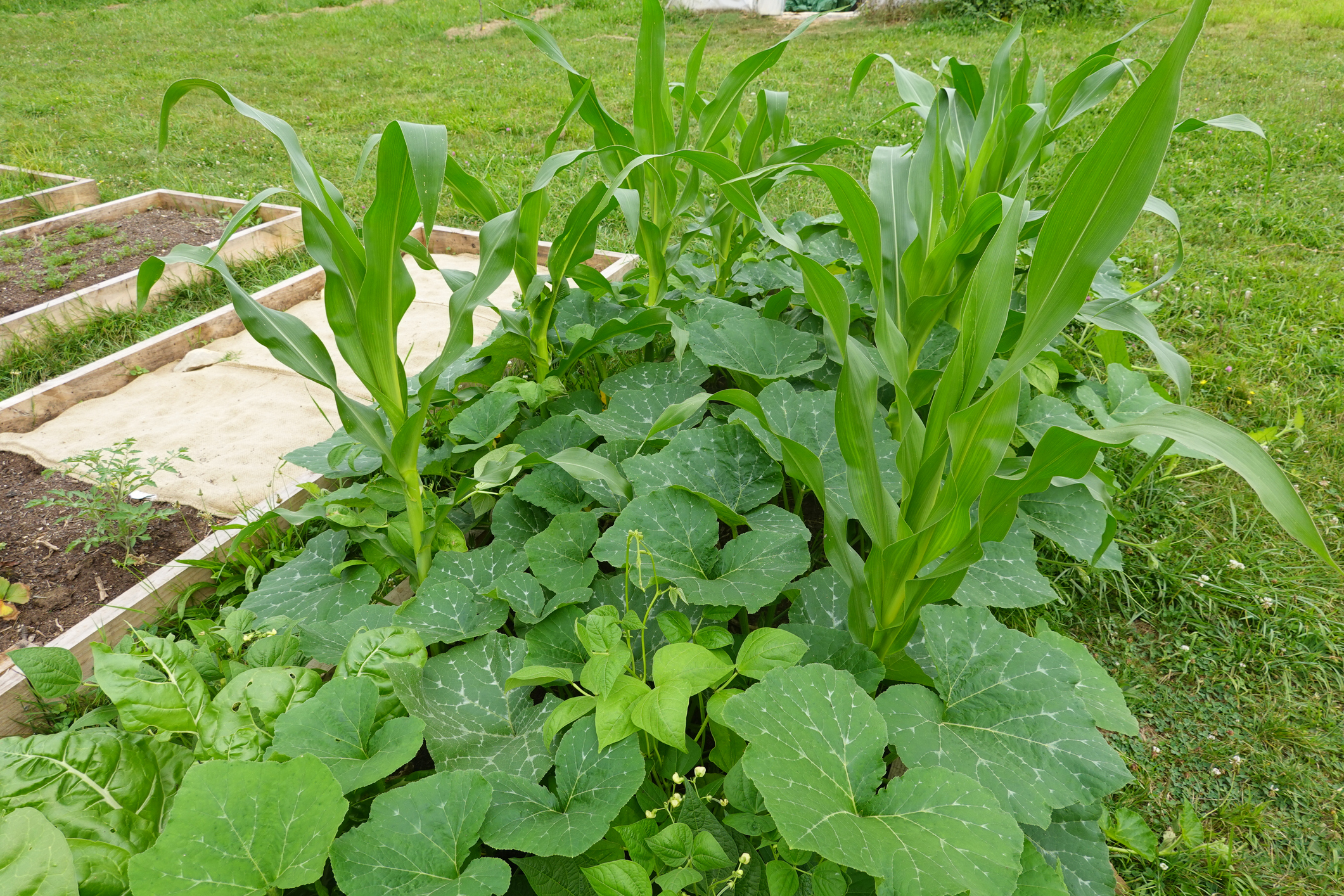
Short plants and tall plants can be besties, with taller plants offering shade while shorter ones act as a living mulch. Corn, beans, and squash—the famous “Three Sisters” planting technique—is a prime example of teamwork. Corn provides a trellis for beans, beans add nitrogen to the soil, and squash sprawls out to keep weeds down. Talk about a dream team. - Weed Reduction (Because Who Has Time for That?)
Some plants, like clover and sweet potatoes, spread out and smother weeds, saving you time and effort. No more endless weeding sessions—your plants have it covered. - Fewer Plant Diseases
Monoculture (planting the same thing in neat, uniform rows) is basically an all-you-can-eat buffet for plant diseases. Companion planting helps disrupt disease cycles, helping your crops stay healthier and more resilient.
Best Companion Plants for Vegetables
Now, let’s get into the good stuff—some tried-and-true plant pairings that will take your garden to the next level.
- Tomatoes + Basil + Marigolds—Keeps aphids and tomato hornworms at bay while improving flavor.
- Carrots + Onions + Lettuce—Onions deter carrot flies, and lettuce provides shade for the carrots.
- Corn + Beans + Squash (Three Sisters Method)—A powerhouse trio that maximizes space and soil health.
- Cabbage + Dill + Nasturtiums—Dill attracts beneficial insects, and nasturtiums deter cabbage worms.
- Cucumbers + Radishes + Sunflowers—Radishes repel cucumber beetles, and sunflowers offer natural trellises.
These combinations strengthen plant growth, deter pests, and promote a healthier environment for your garden. It’s an organic gardening technique that helps you avoid synthetic inputs, keeping you and your garden in the best health!
The Enemies List: Plants That Just Don’t Get Along
Unfortunately, not all plants play nice together. Some combinations can lead to poor growth, pest problems, or even flavor changes. Here are a few to avoid:
- Tomatoes + Potatoes—Both are susceptible to the same blight. Bad news for both.
- Beans + Onions—Onions stunt bean growth, making them terrible roommates.
- Carrots + Dill—Dill loves carrots, but once it matures, it can hinder carrot growth.
- Cabbage + Strawberries—They compete for the same nutrients, and neither will be happy about it.
- Fennel + Pretty Much Anything—Fennel is the lone wolf of the garden, stunting the growth of most plants nearby.

Integrating Flowers into Your Companion Planting Strategy
Flowers aren’t just there to look pretty—they’re also powerhouse companion plants. Mixing flowers into your vegetable garden isn’t just good for aesthetics; it’s a smart gardening move. Here’s a list of companion flowers that can enhance your vegetable garden:
- Marigolds—Repel nematodes, aphids, and tomato hornworms. A must-have for tomato and pepper gardens.
- Nasturtiums—Attract aphids away from vegetables like kale and cucumbers, keeping them pest-free.
- Lavender—Deters moths and fleas while attracting pollinators. Great near cabbage and fruit trees.
- Calendula—Attracts beneficial insects like ladybugs and deters aphids and whiteflies.
- Borage—Improves the flavor of tomatoes and repels tomato hornworms while attracting pollinators.
- Sunflowers—Provide a natural trellis for climbing plants like beans and cucumbers.
- Chamomile—Enhances the flavor of nearby herbs and deters fungal infections.
- Alyssum—Acts as living mulch, suppressing weeds while attracting pollinators.
By strategically placing these flowers in your garden, you can create a thriving ecosystem that benefits both your vegetables and local wildlife.
Native Flowers for Companion Planting in Pennsylvania
Can you use native flowers in companion planting too? You bet. When using them, you get the added bonus of helping native butterflies, bees, and birds in your neighborhood. Plus, these wildflowers are just plain beautiful!
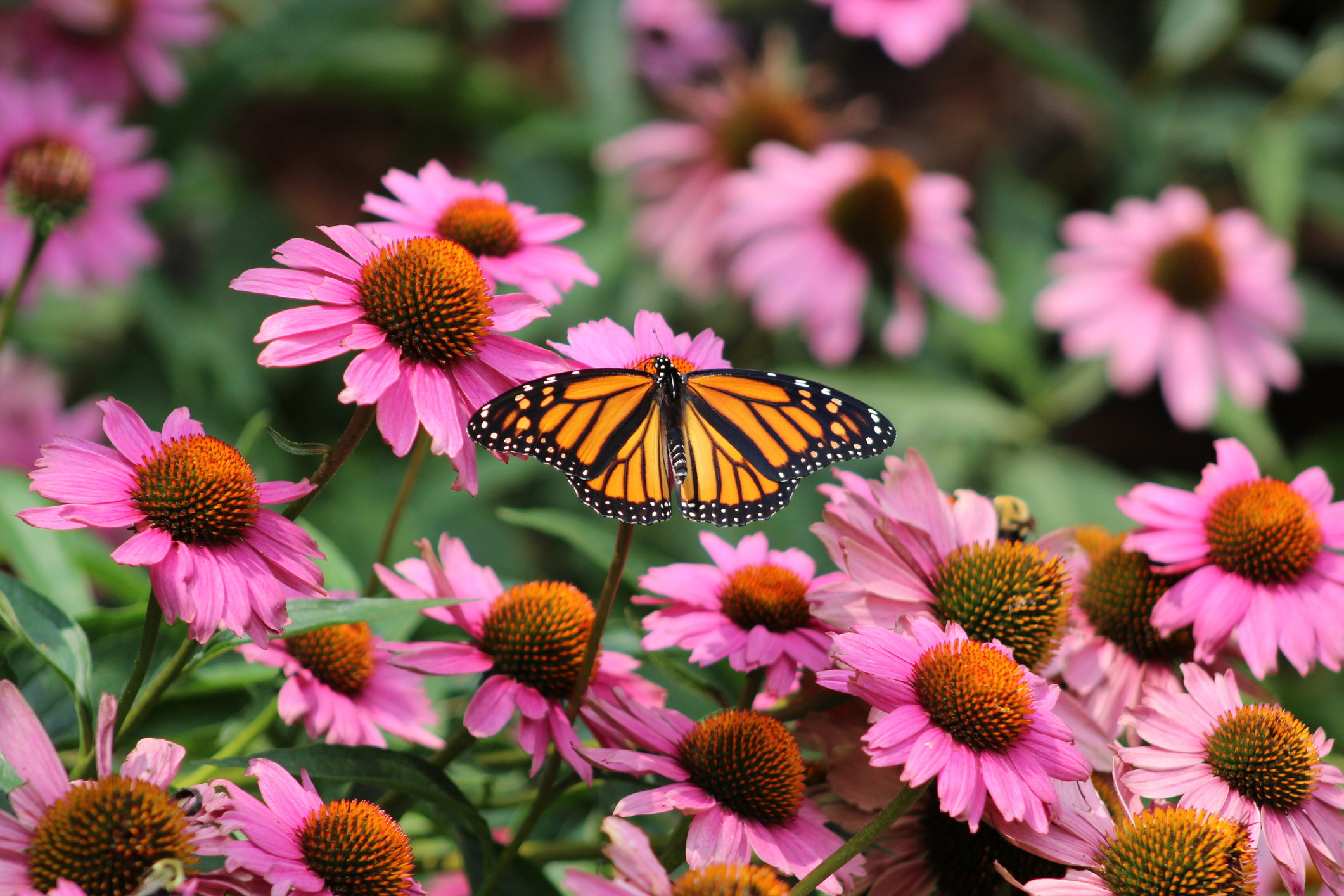
- Purple Coneflower (Echinacea purpurea)
Benefits: Attracts pollinators like bees and butterflies, which boost vegetable production. It also repels certain pests.
Best Pairings: Works well near cucumbers, squash, and melons to improve pollination. - Black-Eyed Susan (Rudbeckia hirta)
Benefits: Draws in pollinators while deterring harmful insects like aphids and mites. Its deep roots help break up compacted soil.
Best Pairings: Great near tomatoes and peppers for better fruit set and natural pest control. - Wild Bergamot (Monarda fistulosa)
Benefits: Attracts beneficial insects like lacewings and ladybugs, which feed on garden pests. It also repels mosquitoes.
Best Pairings: Ideal for planting near beans, tomatoes, and squash. - Goldenrod (Solidago spp.)
Benefits: A late-season nectar source for pollinators and a habitat for predatory insects that control aphids and caterpillars.
Best Pairings: Complements a variety of vegetables, particularly fall crops like kale and Brussels sprouts. - New England Aster (Symphyotrichum novae-angliae)
Benefits: Provides late-season nectar for bees and butterflies, ensuring better pollination for late-producing crops.
Best Pairings: Works well near pumpkins and squash. - Wild Blue Phlox (Phlox divaricata)
Benefits: Acts as a living mulch, suppressing weeds and maintaining soil moisture while attracting pollinators.
Best Pairings: Great for planting alongside lettuces, radishes, and other shallow-rooted crops.Joe-Pye Weed (Eutrochium purpureum)
Benefits: Attracts butterflies and beneficial predatory wasps that control pest populations.
Best Pairings: Perfect near tomatoes, corn, and squash.
Getting Started with Companion Planting in Glenside, PA
If you’re gardening in Glenside, Pennsylvania, you’ll want to consider the local climate. Here are a few tips to keep in mind as you launch into your companion planting journey:
- Start Small—Test a few companion plant combos before reworking your whole garden.
- Use Native Plants When Possible—They naturally support the ecosystem and require less maintenance.
- Rotate Crops Each Year—This prevents nutrient depletion and keeps pests guessing.
- Observe and Adjust—Every garden is different. If something isn’t thriving, switch up the pairings.
Final Thoughts: Why You Should Try Companion Planting
Companion planting isn’t just an old-school gardening hack—it’s a scientifically backed method to grow a healthier, more productive garden with less effort. By making smart planting choices, you can grow stronger plants, reduce pests, and improve your harvest, all while creating a thriving, biodiverse ecosystem.
So, are you ready to give companion planting a shot? Your tomatoes will be juicier, your beans happier, and your squash more productive. Plus, your garden will practically take care of itself. Okay, maybe not entirely, but it’ll definitely be a lot less work for you. Don’t wait to get started! If you want more tips and advice, come see us in Glenside, PA!