The Benefits of Native Plants in Landscaping
June 16, 2025
Why Native Plants Belong in Your Garden: Beauty, Biodiversity, and Easy Care
Native plants landscaping is like discovering your garden’s hometown heroes—resilient, dependable, and always putting on a show. Ever wish your garden could pretty much take care of itself? That’s the beauty of going with native plants. These plants evolved right in your region, which means they know how to handle the local weather, soil, and even the quirks of your backyard microclimate.
Right now, we’re in the thick of climate uncertainty, water restrictions, and declining pollinator populations. But here’s the good news: planting native isn’t just an eco-trend—it’s one of the most impactful, feel-good ways to garden smarter, not harder. Think of it as landscaping with local flair that delivers global benefits.
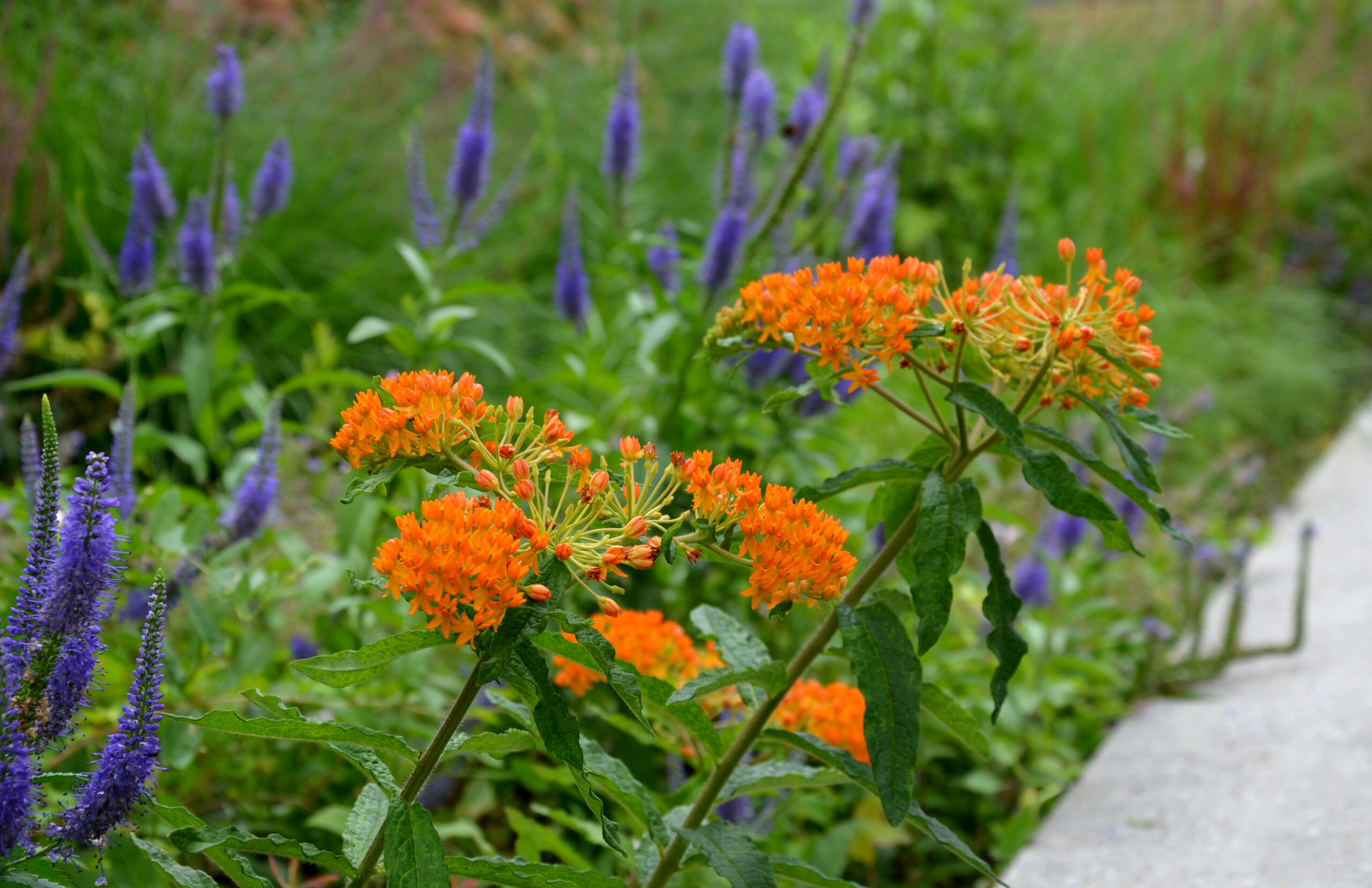
Native plants are species that have naturally evolved in a specific region over thousands of years. They’re deeply intertwined with local wildlife and ecological processes. In Glenside, PA, that includes purple coneflower, butterfly weed, and red columbine—stunning, tough, and totally tuned into the local scene.
Less Fuss, More Flowers — The Low-Maintenance Magic
When you choose native plants, you’re not just choosing aesthetics—you’re choosing peace of mind. These garden MVPs are used to your soil, your rainfall patterns, your frosty winters, and your hot, humid summers. Translation? Less guesswork, fewer sad wilted leaves, and no desperate hose sessions in the July heat.
Native plants don’t demand high-maintenance care. Because they’re already well-adapted, you’ll spend less time battling pests, less money on fertilizers, and fewer Saturday mornings pushing a watering can around. That’s right—most natives have deep root systems that tap into underground moisture, making them champions of drought resilience.
Skip the synthetic sprays and let nature run the show. Native plants have built-in defenses against local pests, reducing the need for pesticides. You’re not just saving time; you’re protecting your soil, your pets, and those hardworking pollinators that desperately need a break.
The result? A low-maintenance native garden that brings you color and charm without the constant upkeep. It’s gardening that fits your lifestyle—whether that means weekend naps or chasing kids around the yard.
Bye-Bye Boring — Native Plants Bring the Party
Let’s bust the myth that native means nondescript. These plants know how to turn heads. Imagine a yard bursting with Black-eyed Susans, cardinal flowers glowing like ruby jewels, or the soft sway of little bluestem grasses that shimmer bronze and blue in the breeze.
Native gardens change with the seasons in the most delightful ways. Early spring sees wild columbine and creeping phlox light up the ground. Summer brings the full glory of bee balm and blue blazing star. And fall? Goldenrod, asters, and ornamental grasses throw a grand finale of color, movement, and texture.
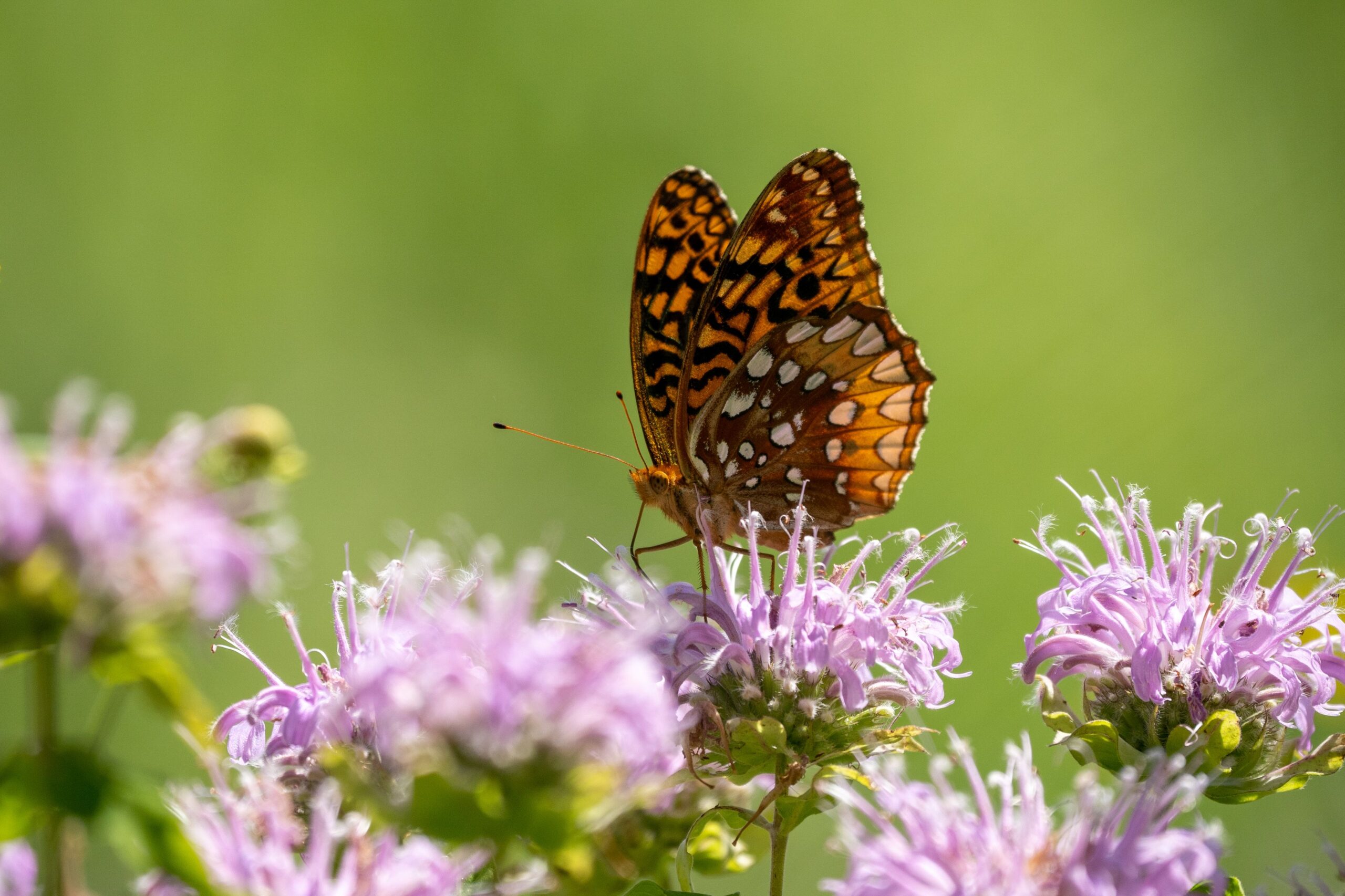
And the wildlife—oh, the wildlife. Want butterflies? Plant milkweed and watch monarchs show up like clockwork. Want birds? Native seed-bearing grasses and berry-producing shrubs are a buffet for feathered friends. You’ll hear the hum of bees, the chirp of chickadees, and the rustle of wings all season long.
A garden with native plants is alive. It buzzes, flutters, whispers, and dances. It’s not just landscaping—it’s an ecosystem, an experience, and a little slice of wildness you get to call your own.
Garden Heroes for the Planet
Think your backyard can’t change the world? Think again.
Native plants are the unsung heroes of sustainable landscaping. Their deep roots aren’t just good at finding water—they stabilize the soil, prevent erosion, and improve structure. That means fewer muddy puddles, better drainage, and healthier plant communities all around.
They also help conserve water. A yard full of thirsty turf grass guzzles gallons of irrigation each week, but a native garden practically sips. Less watering means lower utility bills and a lighter environmental footprint. Win-win.
And when it rains hard—which it will—native plants help filter runoff, reducing pollution in storm drains and local streams. You’re not just helping your yard; you’re protecting your neighborhood watershed.
Most importantly, these plants support biodiversity. They’re lifelines for native bees, butterflies, birds, and even amphibians that have lost habitat to development. Planting a native redbud or a patch of wild bergamot might not seem revolutionary—but it’s a quiet, radical act of conservation in your own front yard.
Sustainable landscaping with native plants means your garden is part of something bigger, and better.
Getting Started — Easy Native Plants to Try in Your Backyard
Not sure where to start? You don’t have to overhaul your yard overnight. Begin with a few reliable favorites, matched to your gardening goals:
For Pollinators:
- Butterfly Weed (Asclepias tuberosa) – A monarch magnet with fiery orange blooms.
- Bee Balm (Monarda didyma) – Vibrant red flowers that attract hummingbirds and bees.
For Color and Texture:
- Purple Coneflower (Echinacea purpurea) – Tall, tough, and blooms for months.
- Little Bluestem (Schizachyrium scoparium) – A grass with four-season interest.
For Privacy or Borders:
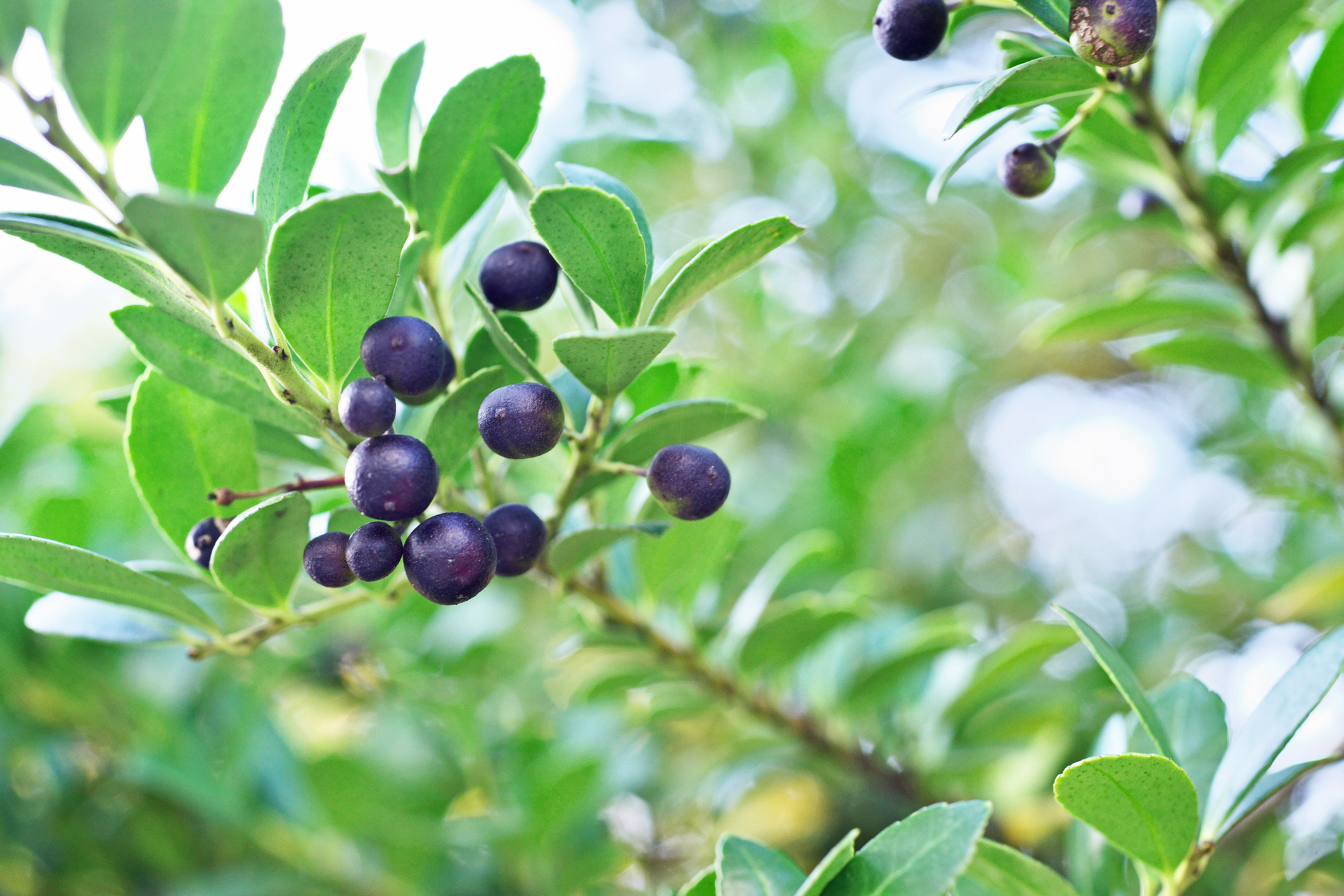
- Inkberry Holly (Ilex glabra) – Evergreen and great for hedging.
- Arrowwood Viburnum (Viburnum dentatum) – Dense foliage, spring flowers, and fall berries.
For Dry Spots:
- Coreopsis (Coreopsis verticillata) – Sunny yellow blooms that thrive in lean soil.
- Wild Bergamot (Monarda fistulosa) – Lavender blooms and minty scent, tolerant of drought.
If you’re local to Glenside, PA, check out Primex Garden Center’s native section—full of species suited to our region and soil. You’ll also find expert staff and maybe even a planting guide or two. For more choices, contact the Pennsylvania Native Plant Society or the Penn State Extension’s regional resources on native plants in Glenside PA.
Bonus tip: Mix and match by planting in clusters for more visual impact and to help pollinators locate them. Try combining bee balm, purple coneflower, and little bluestem for a pollinator buffet that looks good and grows great.
Grow Where You’re Planted
Here’s the bottom line—native plants landscaping makes your garden smarter, not harder. You’ll spend less time working and more time enjoying. These plants bring wild beauty, buzzing life, and climate resilience without demanding much in return.
Whether you’re trying to save water, attract more butterflies, or simply avoid another trip to the garden center for replacements, native plants are the answer. Your yard becomes a living love letter to the land it grows on—and that’s a legacy worth planting.
So why not start with just one? Swap a thirsty shrub for a viburnum. Trade a patch of struggling lawn for a butterfly haven. Or better yet—visit Primex Garden Center this weekend and see how native plants can transform your yard. Want to learn more? Reach out to your local extension office or look into community conservation groups. Native plants landscaping isn’t just good gardening—it’s good stewardship, and it starts right at home.