Grass Alternatives for an Eco-Friendly Yard
July 4, 2023
These eco-friendly alternatives require less water, little or no mowing, are more resilient to a changing climate, and provide habitat for native birds, bees, butterflies, and other insects.
Ever since the advent of the modern yard in the 1950s, homeowners have been enjoying the relative ease and simplicity of turf grass. Today, however, the whole concept of a lawn is undergoing a renaissance as people discover the immense variety of eco-friendly native grasses, wildflowers, and groundcovers they can grow in their place. Whether you’re interested in less maintenance, more biodiversity, or simply more beauty, these eco-friendly lawn alternatives offer a host of rich new possibilities for your landscape!
The Pros and Cons of a Conventional Lawn
A closely mowed, conventional lawn certainly has its perks. It’s soft and comfortable underfoot, excellent for sports and backyard games thanks to its tread and wear resistance, and—above all—offers the familiar and reassuring image of a landscape under control. Conventional lawns are also relatively simple to maintain, although they do come with certain costs. Specifically, the watering, mowing, fertilizing, and weeding conventional lawns require can take a huge chunk out of our time, pocketbooks, ecosystem, and water supply!

The Possibility of Lawn Alternatives
Gradually, as more and more people rediscover the beauty of wild grasslands, the makeup of our local Glenside landscapes is shifting from conventional turf grass to an array of majestic native grasses, wildflowers, and groundcovers. While this change is challenging our longstanding view of what a yard should be, it’s one that’s worthwhile. These eco-friendly alternatives require less water, little or no mowing, are more resilient to a changing climate, and provide habitat for native birds, bees, butterflies, and other insects. Here are a few of our favorite eco-friendly lawn alternatives to try in your yard this summer:
Eco-Friendly Alternative: Pennsylvania Native Grasses
Although most people now know our state for its forests, grasslands were once widespread across the Pennsylvania landscape and historically made up an essential portion of our local ecosystem. While they’re much rarer today, remnants of these once-expansive grasslands still remain, including hundreds of native grass and wildflower species.
Many of these grasses make excellent choices for our yards, including Big and Little Bluestem, Maidengrass, and Panicum varieties. These grasses grow several feet high, enjoy hot conditions, withstand drought thanks to their deep roots, require very little water, and even tolerate poor soil, making them the ultimate eco-friendly grass choice!

Eco-Friendly Alternative: Groundcovers
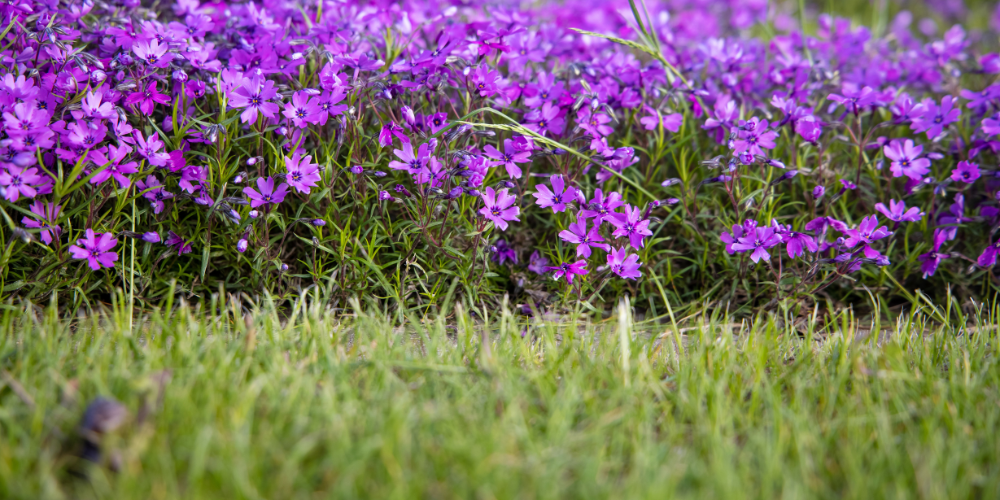
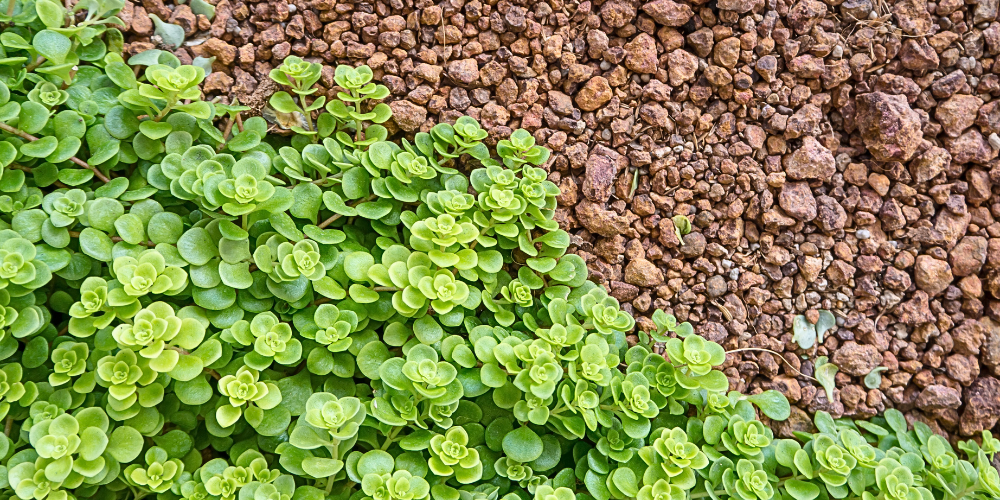
Groundcovers are another great eco-friendly lawn alternative option. Instead of tall grasses and majestic blooms, groundcovers feature a low carpet of small leaves and are often dotted with an abundance of tiny flowers, creating a pollinator paradise. You can find specific groundcovers for both sunny and shady areas.
Feel free to use several groundcovers in your yard to create a patchwork of eco-friendly beauty, mixing in small wildflowers for added interest. Some of our favorites include clovers, creeping thyme, creeping phlox, and sweet woodruff.
Eco-Friendly Alternative: Pennsylvania Wildflower Meadow
Even on their own, native grasses offer a spectrum of beauty throughout the season as they change from green to gold to bronze, but if you want to add even more color and biodiversity to your landscape, mix in a few native wildflower species! For no extra fuss, these resilient plants paint your grassland yard with an expansive palette of colors and provide important habitats and food sources to wild birds, butterflies, and bees. Some of our favorite species for an eco-friendly landscape include Common Milkweed, Butterfly Milkweed, Smooth Blue Aster, Aromatic Aster, New England Aster, Lance-Leaved Coreopsis, Perennial Sunflower, Bee Balm, Blazing Star, Black-Eyed Susan, Brown-Eyed Susan, Purple Coneflower, and Spiderwort.
Conventional vs. Alternative Lawns: Which One’s Easier to Maintain?
By striving to maintain a low-cut conventional lawn, we often create more work for ourselves: the more we water it, the more it grows; the more it grows, the more we need to mow it; the more we need to mow it, the more water it needs to remain green and lush during the hot, dry summers. On the other hand, growing longer wild grasses and groundcovers lets you avoid all of this pesky maintenance. Native grasses and other eco-friendly lawn alternatives don’t need regular mowing, nor do they need as much watering as conventional turf lawns thanks to their longer roots, which penetrate much deeper into the soil and make them more resilient to climate variability.
These eco-friendly alternatives will still need regular weeding, however, especially in their first few years. However, once they’ve become established, weeds will have a harder time infiltrating your landscape, meaning your weeding days will become a thing of the past! In general, if you’re looking for the lowest-maintenance solution for your landscape, native grasses and other eco-friendly lawn alternatives are the way to go.
For plants, supplies, and more inspiration on eco-friendly grass, visit our garden center in Glenside, Pennsylvania, today!