How to Plan a Garden for Continuous Blooms
June 9, 2025
Design a Garden for Continuous Blooms: Keep the Color Coming All Season Long
A blooming garden is like a good playlist—it should never run out of hits halfway through the season. Ever watched your spring garden party end in an awkward summer silence? Tulips bow out, daffodils drop their petals, and suddenly your yard looks like it’s nursing a hangover. Most gardens start with a bang and fizzle out by July, leaving gardeners scratching their heads and wondering where all the color went. But here’s the thing—this isn’t a flaw in your soil or a personal failing. It’s just a common case of overlooked planning.
Let’s fix that. With a little foresight and a smart plant list, you can turn your yard into a season-long symphony of petals. From early-spring crocuses to the final fanfare of fall-blooming asters, we’re going to map out a garden that hits all the right notes. So grab your trowel and your imagination because we’re designing a blooming garden that refuses to fade.
Know Your Seasons – Timing is Everything
Every great show starts with a schedule, and your garden is no different. Knowing your growing zone and frost dates is the first step to continuous blooming glory. For example, in Glenside, PA, the average last spring frost falls in mid-April, while the first fall frost comes in late October. That gives you a generous stage for color—roughly six months to keep the magic alive.
Think of your bloom season like a Broadway production:
- Spring is the opening act, full of fresh energy and bright pastels.
- Summer delivers the headliners—the bold, sun-loving perennials that draw crowds.
- Fall gives you the emotional encore, with rich golds, fiery reds, and deep purples that linger like the last note of a power ballad.
Mapping this timeline helps you place plants like puzzle pieces to keep the show going.
Pick Your Bloom Squad – The Cast of Color
Let’s meet the stars of your show—your seasonal bloomers and supporting characters.
🌷 Spring Bulbs – The Early Risers
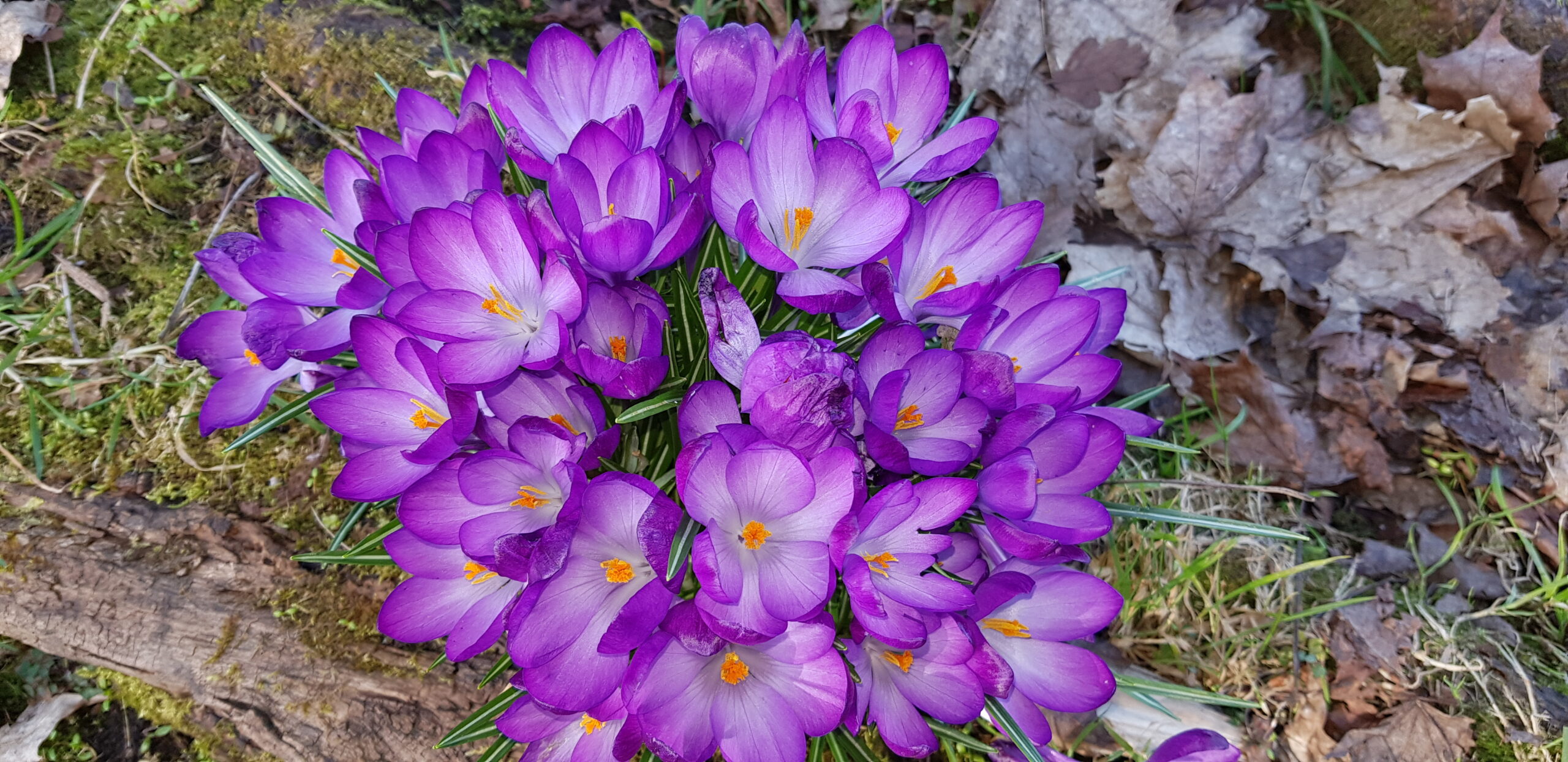
These are your garden’s caffeine boost—cheerful, determined, and impossible to ignore. Think tulips, daffodils, hyacinths, crocuses. These little fireworks break through winter’s sleepy soil like confetti on a grey day. Plant them in fall and by the time spring rolls around, your garden will explode in color before your neighbors have even mulched.
Try:
- Tulipa ‘Apricot Beauty’ – a peachy-pink wonder that shines in soft morning light.
- Narcissus ‘Tête-à-Tête’ – tiny but mighty, they cluster like golden bells.
- Crocus tommasinianus – early-blooming purple gems that bees love.
🌻 Summer Perennials – The Dependable Stars
Once your bulbs take a bow, these heroes step in. Perennials like coneflowers, daylilies, salvia, black-eyed Susans, and bee balm don’t just bloom big—they stick around for the long haul. They’re your garden’s backbone, providing structure, color, and serious staying power.
Try:
- Echinacea purpurea (Purple Coneflower) – pollinator magnet with bold personality.
- Hemerocallis (Daylily) ‘Stella de Oro’ – hardy, cheerful, and reliably reblooming.
- Salvia nemorosa ‘Caradonna’ – vibrant purple spikes with an edgy vibe.
🌼 Annuals – The Wild Party Guests
They don’t return next year, but they make the most of their time here. Annuals are the extroverts of the flower world—flashy, fast-growing, and full of surprises. Zinnias, petunias, cosmos, marigolds—they bloom nonstop if you show them a little love.
Try:
- Zinnia –multi-colored color and sturdy stems.
- Wave Petunia – sprawling carpets of color.
- Marigolds – bold, sun-loving, and effortlessly cheerful.
🌿 Shrubs & Evergreens – The Structure Crew
A garden needs bones. That’s where evergreens and flowering shrubs come in. While they don’t always steal the spotlight, they frame your floral displays and provide contrast and consistency. Think of them as the “green glue” holding the bloom parade together.
Try:
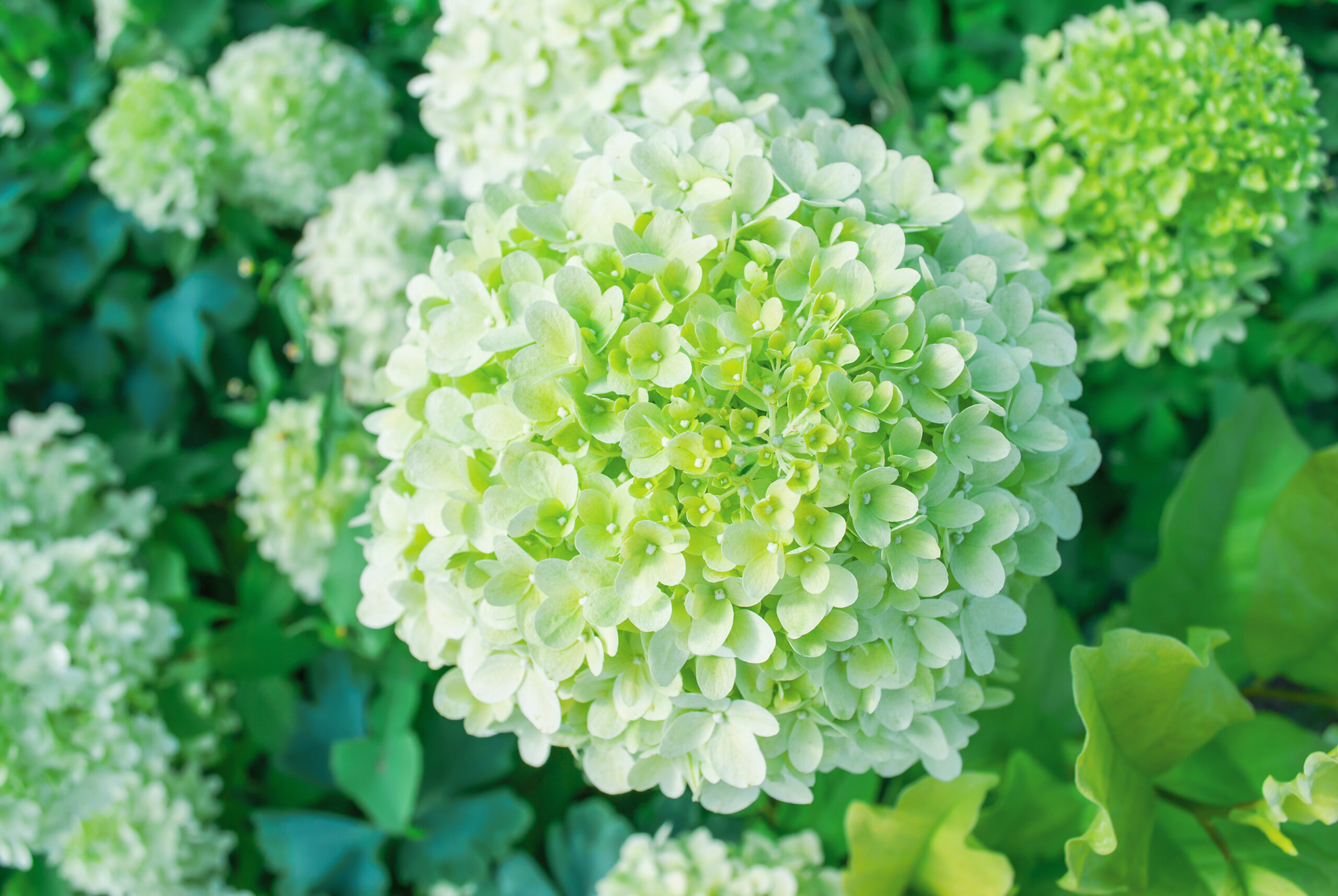
- Hydrangea paniculata ‘Limelight’ – late-summer to fall drama in lime and pink.
- Spiraea japonica varieties – vibrant blooms and colorful, easy-care foliage.
- Buxus (Boxwood) – tidy, evergreen hedges for winter interest.
Stagger Like a Pro – The Magic of Succession Planting
Ever walked past a neighbor’s yard in mid-July and wondered why it looks like their garden took a vacation? That’s the dreaded garden blackout. The fix? Succession planting.
Succession planting is the art of timing your bloomers so there’s always someone on stage. Like a fireworks show—just as one bursts, another is already rising.
Here’s a simple succession plan:
- Early Spring: Crocus, daffodil, primrose
- Late Spring: Tulip, iris, allium
- Early Summer: Salvia, catmint, peony
- Mid-Summer: Coneflower, bee balm, daylily
- Late Summer–Fall: Sedum, goldenrod, Japanese anemone
- Fall Finale: Aster, chrysanthemum, ornamental kale
Bonus trick? Swap annuals in pots throughout the season to keep your entryway or patio popping.
Design with Drama – Layering, Color, and Height
A flat garden is like a flat soda—meh. Add dimension by layering your plants. Stick with the tried-and-true:
- Tall in the back (sunflowers, hollyhocks)
- Medium in the middle (coneflowers, phlox)
- Short and sweet up front (alyssum, creeping thyme)
Play with color the same way you’d mix throw pillows—some contrast, some harmony, and just a touch of bold. Don’t be afraid to clash! Hot pinks and oranges, purples and reds—drama is good.
Sketch out a rough layout before you plant. Or just plant, observe, and rearrange next year. Nature is forgiving.
Bonus Flavor – Foliage, Pollinators & Fun Stuff
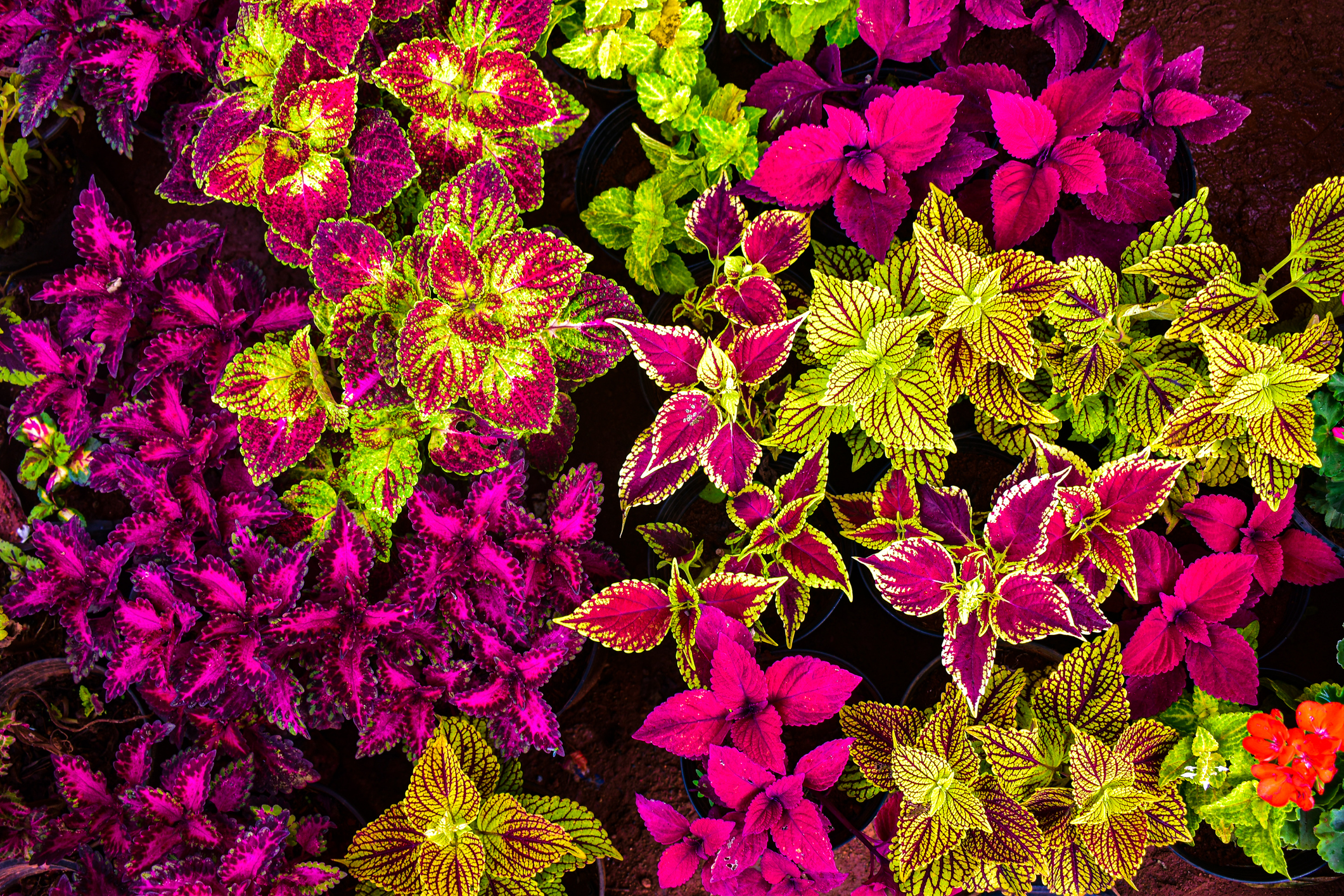
Sometimes blooms take a breather. That’s when foliage steps in. Variegated leaves, funky shapes, and contrasting textures keep your garden interesting. Add:
- Coleus for bold purples and lime green.
- Dusty Miller for silvery softness.
- Ornamental grasses for flow and rustle.
And don’t forget the life between the leaves. Pollinators bring motion and meaning:
- Bees sipping on salvia
- Butterflies bouncing between bee balm
- Hummingbirds hovering over honeysuckle
Want more magic? Toss in painted pots, mosaic stepping stones, or garden gnomes with questionable fashion sense.
From tulips’ first hello to the final mums’ curtain call, your blooming garden can shine non-stop. With a bit of planning, the right mix of bloom times, and some creative layering, you’ll create a space that’s beautiful, personal, and dynamic.
Remember—gardening isn’t a set-it-and-forget-it deal. It’s a living, growing art project. Experiment. Observe. Swap things out. Keep playing.
Now’s the time: grab your notebook, your favorite seed packets, and start planning the most colorful year yet. Stop by Primex Garden Center and chat with our friendly garden experts—we’ll help you turn your bloom-filled vision into a masterpiece.