Your July Garden To-Do List (Kept Simple!)
July 13, 2026
Your July garden checklist doesn’t have to be all about chores—it can be a gentle guide that helps you enjoy every moment the season has to offer.
By midsummer, your flowers are bursting with color, vegetables are rewarding you with delicious harvests, and pollinators are busy bringing your landscape to life. With a few thoughtful habits, you can help your garden remain healthy, productive, and beautiful through the rest of the season.
-
Celebrate Everything Your Garden Has Become
July is one of the most rewarding months in the garden. After weeks of watering, planting, and watching seedlings grow, your landscape has transformed into a lush space full of life. Rather than rushing from one job to the next, take time to simply enjoy it with a cup of tea, a cool drink, or an evening stroll.
Gardens are meant to be experienced, not just maintained. Listen to the buzzing bees, watch butterflies drift from flower to flower, and admire how every corner has developed its own personality. Sometimes the best gardening tip is simply slowing down long enough to appreciate the view.
-
Harvest Often and Enjoy Nature’s Rewards
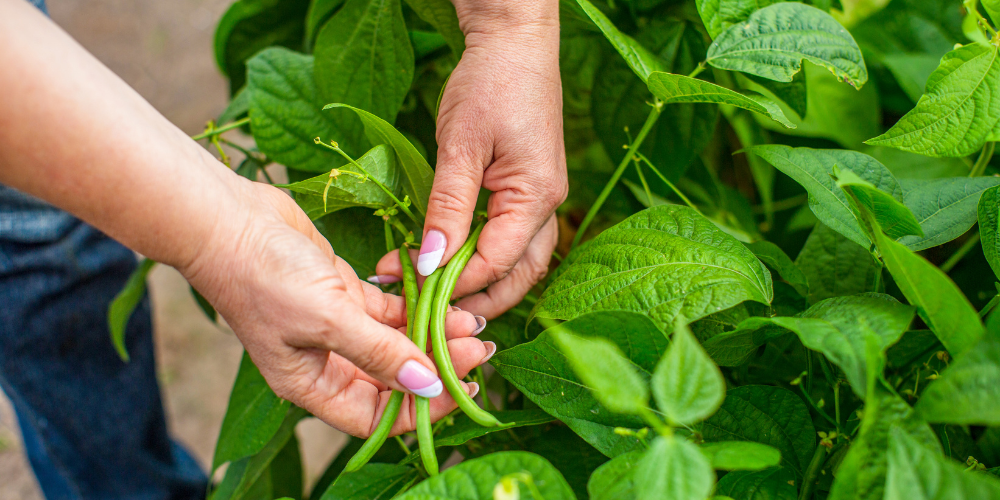
Many vegetables reach their peak in July. Tomatoes, cucumbers, zucchini, beans, peppers, and early potatoes often produce their best harvests when picked regularly. Frequent harvesting also encourages many crops to continue producing throughout the summer.
Vegetables taste better when they travel only a few steps from garden to kitchen. Whether you’re preparing crisp salads, grilling vegetables, or sharing extras with neighbors, harvesting is one of July’s greatest garden pleasures.
-
Water Smarter, Not Harder
As temperatures climb, smart watering becomes one of the easiest ways to save both water and time. Water deeply instead of lightly, focusing on the soil around plant roots rather than wetting the leaves. Early morning watering allows moisture to soak in before the afternoon heat arrives.
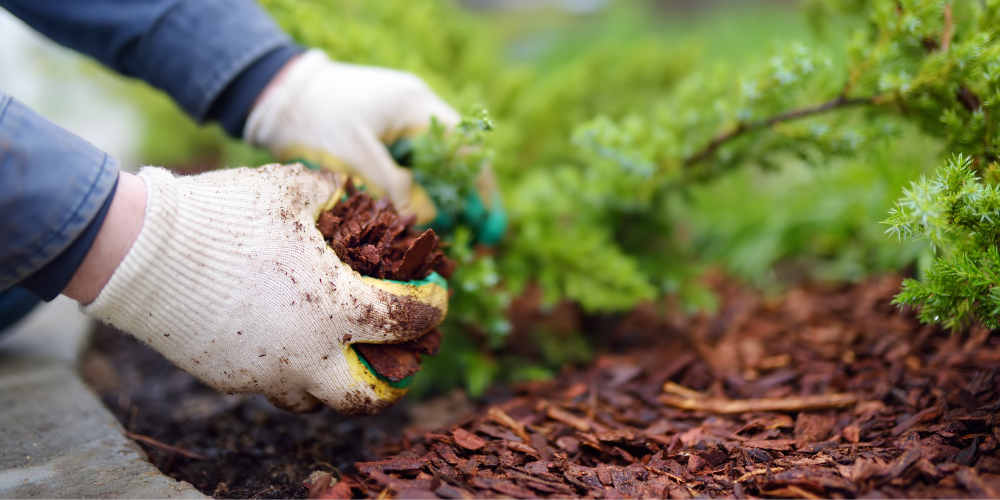
Adding mulch around plants also helps conserve moisture while keeping soil temperatures cooler. Drip irrigation systems, soaker hoses, rain barrels, and simple watering timers can make summer garden maintenance easier while using water more efficiently.
-
Keep Flowers Blooming All Summer
Many flowering plants will continue producing new blossoms if you regularly remove faded flowers through deadheading. This simple habit encourages plants to focus their energy on producing fresh blooms rather than making seeds.
Annual favorites like petunias, zinnias, marigolds, cosmos, and calibrachoa especially benefit from regular grooming. Perennials such as coneflowers, black-eyed Susans, and salvia also reward a little attention with weeks of additional color, Just remember to leave a few coneflowers to ripen for the birds.
-
Watch the Amazing Insects Around You
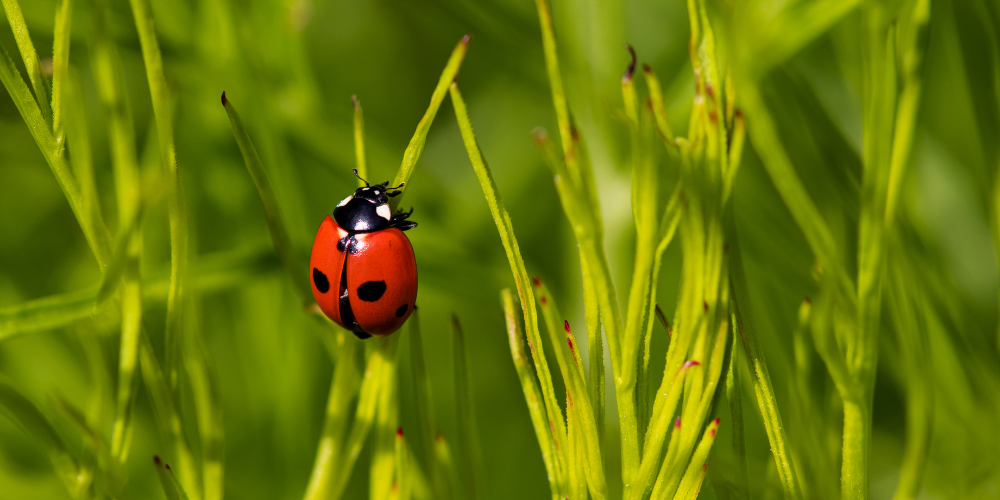
A midsummer garden is filled with fascinating insects, and most of them are welcome visitors. Butterflies, dragonflies, lacewings, ladybugs, native bees, and countless beneficial insects all help create a balanced and thriving garden ecosystem.
Instead of worrying every time you spot a bug, take a closer look. Many insects are actually helping by pollinating flowers or feeding on common garden pests. A lively insect population is a wonderful sign that your garden ecosystem is healthy.
-
Keep Pests Under Control Naturally
When they get out of control, some insects can become a detriment to your plants. One insect worth watching in July is the aphid. These tiny sap-feeding insects often gather on tender new growth, especially on vegetables and flowering plants.
Fortunately, small aphid populations are easy to manage. A strong spray of water from the hose knocks them off plants, allowing beneficial insects like ladybugs and lacewings to finish the job naturally. Avoid reaching for insecticides unless absolutely necessary, since they can also harm helpful insects.
-
Fill the Gaps While You Can See Them
July is one of the easiest times to evaluate your garden design. Plants have reached much of their mature size, making empty spaces, crowded areas, and opportunities for improvement much easier to spot.
If you notice gaps, consider adding more perennials, colorful annuals, ornamental grasses, or native Pennsylvania wildflowers. These additions not only enhance the beauty of your landscape but also provide valuable food sources for pollinators throughout the season.
-
Create Continuous Summer Blooms
One of the secrets behind spectacular gardens is having something blooming from spring until frost. If one section finishes flowering in July, another should be ready to take its place.
Choose plants with staggered bloom times to keep your landscape colorful for months. Native wildflowers such as Joe-Pye weed, purple coneflower, bee balm, goldenrod, and New England aster support local wildlife while creating a beautiful display that continues well into autumn.
-
Cultivate a Healthy Garden Ecosystem
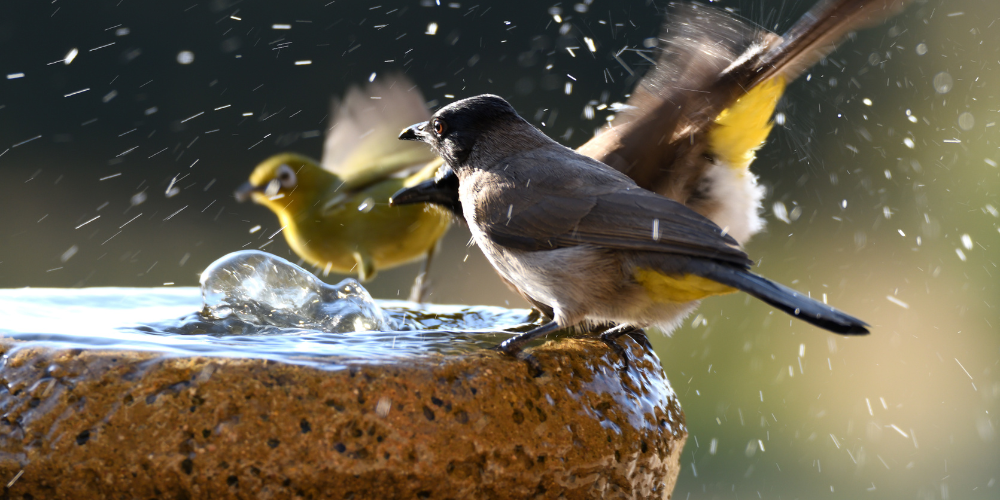
Every healthy garden functions as a tiny ecosystem. Birds help control insects, bees pollinate flowers, earthworms improve soil, and beneficial fungi support healthy plant roots underground.
Adding a shallow water source, leaving some leaf litter in quiet corners, planting a variety of flowering plants, and avoiding unnecessary pesticides all encourage this natural balance. A thriving ecosystem often means fewer pest problems and healthier plants over time.
-
Keep Weeding Before Weeds Take Over
Nobody dreams about pulling weeds, but staying ahead of them makes gardening much more enjoyable. Removing small weeds regularly takes only a few minutes and prevents them from producing thousands of seeds later in the season.
Weeds also compete with your vegetables and flowers for water, nutrients, and sunlight. A layer of mulch helps reduce weed growth while keeping your garden looking neat and attractive.
-
Keep Sowing for Late Summer Harvests
July isn’t the end of the planting season. In fact, many cool-season vegetables can be planted now for delicious harvests later in summer and into autumn.
Excellent choices include radishes, lettuce, spinach, arugula, beets, carrots, and peas. Succession planting keeps fresh vegetables coming long after many spring gardens have slowed down.
-
Give Containers a Little Extra Attention
Containers often need more frequent watering during hot weather because they dry out much faster than garden beds. Check pots daily during heat waves and water thoroughly whenever the soil feels dry an inch below the surface.
Regular feeding with a balanced fertilizer also helps container plants continue producing flowers and vegetables. Healthy containers become beautiful focal points on patios, decks, porches, and entryways throughout the summer.
-
Anticipate Summer Storms
Extreme weather can arrive quickly in Glenside, bringing heavy rain, strong winds, and periods of intense heat that put gardens under stress. Rather than reacting when challenges arise, take proactive measures to make your garden more resilient. Here are some July gardening tips for Glenside, PA, to build resilience against storms:
- Prepare for storms ahead of time by staking tall perennials, securing climbing plants, and checking that young trees are properly supported. This can prevent damage before severe weather strikes.
- Add a layer of mulch to reduce soil erosion during downpours while keeping roots cooler and conserving moisture during hot, dry spells.
- A resilient garden begins with thoughtful plant selection. Choosing a mix of deep-rooted native plants, drought-tolerant perennials, and species well-suited to southeastern Pennsylvania creates a landscape that can better withstand changing weather conditions.
- Healthy soil is another cornerstone of resilience. Improving the soil with compost encourages deeper root growth, allowing plants to access moisture during dry periods while improving drainage when heavy rains arrive.
By anticipating summer’s challenges instead of reacting to them, you create a healthier, more resilient garden that thrives no matter what the forecast brings.
-
Share Your Garden with Others
It’s easy to focus on what still needs planting, pruning, or harvesting, but gardens are also
places of generosity. Embrace the abundance by inviting friends over for dinner, picking flowers for the kitchen table, letting children hunt for butterflies, or enjoying breakfast surrounded by blooming plants.
A Simple July Checklist
Your July garden checklist doesn’t have to be all about chores—it can be a gentle guide that helps you enjoy every moment the season has to offer. A simple July garden checklist focused on watering, deadheading, light feeding, and weed control can help keep your garden looking healthy and colorful through the hottest weeks of summer. By watering wisely, encouraging pollinators, planting for continuous harvests, and taking time to appreciate your garden’s beauty, you’ll keep your landscape thriving well into autumn. By choosing plants with overlapping bloom times, you can enjoy continuous blooms from early spring right through the first frost of fall.
If you’re looking for fresh inspiration, expert advice, or beautiful plants, visit us at Primex Garden Center and continue growing your love of gardening all summer long.