Celebrating World Bee Day
May 11, 2026
If you’ve ever watched a garden come alive with buzzing wings and drifting petals, you already know that pollinator-friendly plants are the quiet heroes behind the magic. World Bee Day on May 20th is the perfect excuse to slow down, step outside, and appreciate the tiny workers that keep our Pennsylvania gardens thriving. And the best part? Supporting them is easier and more fun than you might think.
Why Bees Are More Important Than You Think
Bees are some of the hardest-working creatures in any garden, playing a critical role in pollinating fruits, vegetables, and flowering plants. Without them, many of the foods we love—tomatoes, blueberries, cucumbers—would struggle to exist at the scale we rely on. In Pennsylvania gardens, bees are constantly moving from bloom to bloom, transferring pollen and quietly ensuring that ecosystems remain productive and diverse. Their work doesn’t just benefit gardeners; it supports entire food systems and natural landscapes.
Unfortunately, bee populations have been declining due to habitat loss, pesticide use, and climate changes that disrupt their life cycles. Just as humans need roads, homes, and reliable resources, bees need what we might call “infrastructure”—places to live, food sources throughout the season, and safe environments to reproduce. Home gardens can become powerful micro-habitats that help rebuild this infrastructure, offering bees the consistent support they desperately need. When gardeners step in, even small yards can become lifelines. Adding a mix of pollinator friendly plants throughout your garden can quickly turn a quiet space into one that feels more active, colorful, and full of life.
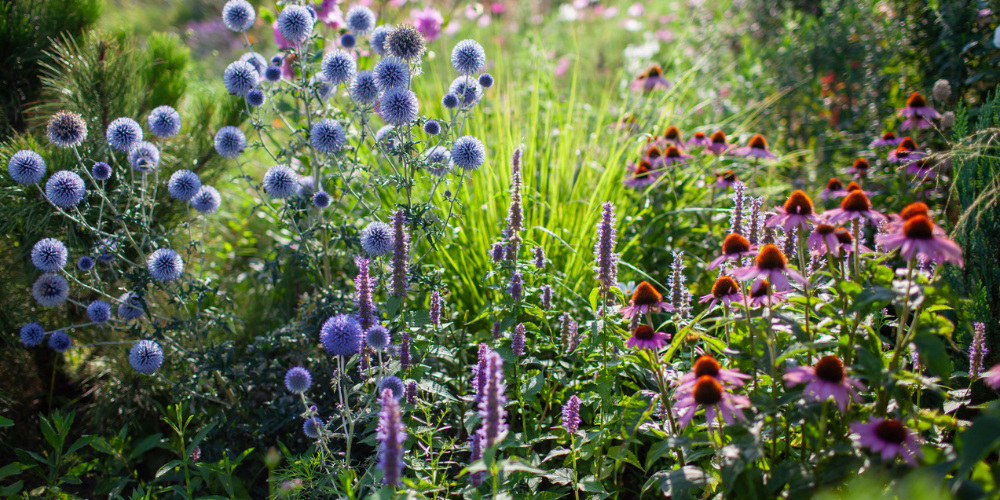
How to Make a Home for Bees in Your Garden
1. A mix of different flower shapes, sizes, and colors
A diverse planting palette supports a wide range of bees and pollinators, each adapted to specific flower types. This variety also invites hummingbirds, butterflies, moths, hoverflies, and even bats into the garden. Diversity doesn’t just look beautiful—it creates a fully functioning pollinator ecosystem.
2. Flowers from spring to fall
Continuous blooms mimic natural ecosystems and ensure bees always have access to food. Unlike large agricultural fields that bloom all at once, a layered garden provides steady nourishment across the entire growing season. This consistency is key to sustaining healthy bee populations.
3. An abundance of flowers
The more flowers you grow, the more resources you provide, and the more pollinators you attract. A single plant is helpful, but a generous cluster becomes a destination. Think of your garden as a buffet, not a snack stand.
4. Messy patches
Not every corner of your garden needs to be tidy. In fact, some of the most important pollinator habitats are a little wild. Brush piles, old wood stacks, and undisturbed areas give bees and other pollinators places to nest, overwinter, and complete their life cycles. Think cocoons and tiny bee burrows. A little mess can mean a lot of life.
5. Keep it organic
Avoiding pesticides protects not only bees but the entire network of beneficial insects in your garden. Chemicals rarely discriminate, and even small exposures can harm pollinators. Organic gardening practices help maintain a balanced and resilient ecosystem.
6. Mix flowers into the vegetable garden
Integrating flowers among vegetables boosts pollination and increases yields. Letting herbs bolt and flower—like oregano, mint, dill, and fennel—creates irresistible feeding spots for bees. This is one of the easiest ways to grow plants that attract bees and butterflies while improving your harvest.
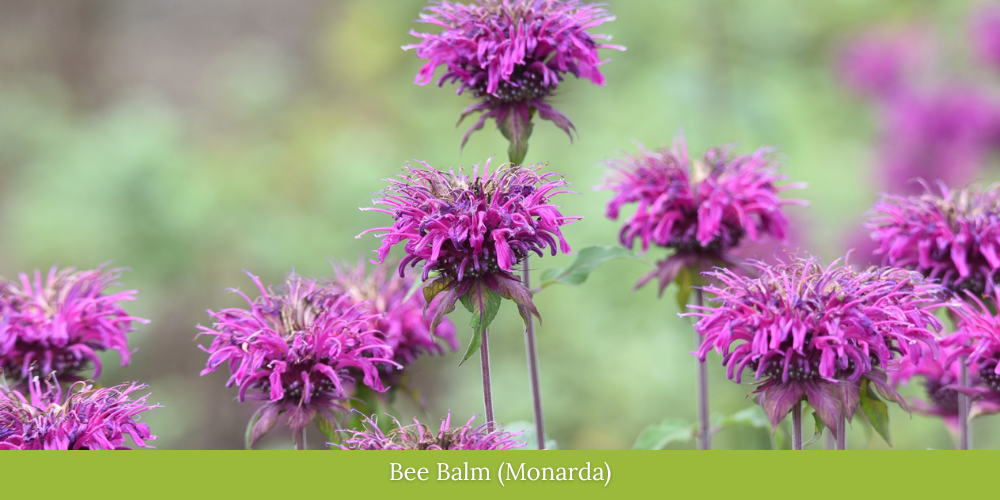
Flowers that Bees Love: A Few Favorites to Consider
A thoughtfully chosen mix of perennials can provide nectar and pollen all season long, making them some of the best flowers for pollinators in Pennsylvania gardens. What you’ll find below is just a small sample of the many, many choices available.
Spring Bloomers
- Phlox: Early blooms provide an important nectar source when bees are just becoming active.
- Foamflower: Delicate, airy flowers offer subtle but valuable early-season resources.
Summer Bloomers
- Salvia: Tall spikes of nectar-rich flowers are magnets for bees throughout summer.
- Bee Balm (Monarda): Bright, shaggy blooms are irresistible to bees and hummingbirds alike.
- Joe-Pye Weed (Eupatorium): Large, fluffy clusters create a landing pad for a wide variety of pollinators.
- Sweet Alyssum: Low-growing and fragrant, it produces a steady stream of tiny blooms that bees adore.
- Hyssop (Agastache): Long-lasting blooms and a minty fragrance make it a pollinator favorite.
Late Season Bloomers
- Asters: Essential fall nectar sources that help bees prepare for winter.
- Turtlehead (Chelone glabra): Unique blooms provide late-season nourishment when options are limited.
Flowering Shrubs and Small Trees for Bees
Flowering shrubs and small trees add structure to the garden while offering abundant nectar and pollen sources. Again, these are just a few highlights to get you excited, but there are many more possibilities.
- Magnolia: Large, early blooms provide one of the first food sources for emerging pollinators.
- Sweetshrub (Calycanthus): Deeply fragrant flowers attract a wide range of beneficial insects.
- Pawpaw: This native understory tree produces unusual flowers that support specialized pollinators and contributes to biodiversity.
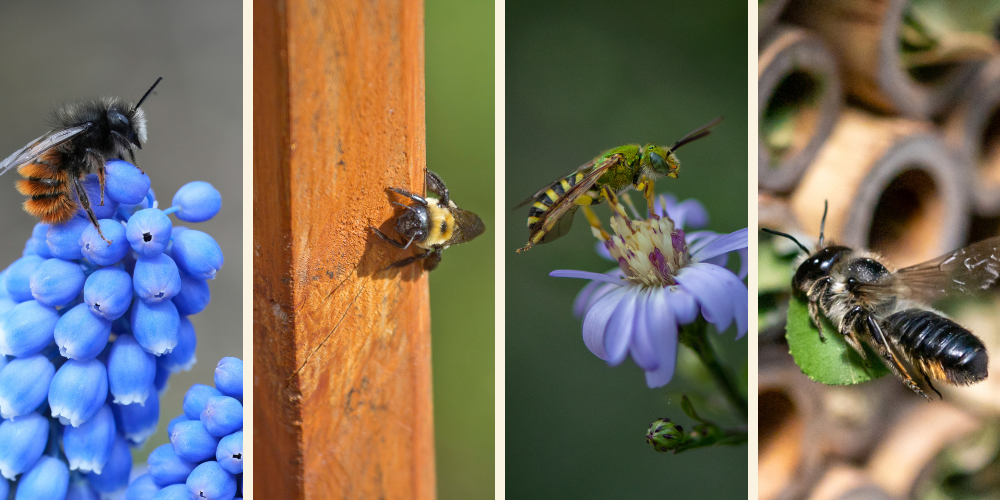
Featured Bees to Celebrate
North America is home to over 4,000 native bee species, with approximately 400 species found in Pennsylvania alone. Contrary to popular belief, most bees are solitary and do not live in hives like honeybees. These native bees are incredibly efficient pollinators and play a vital role in supporting both wild ecosystems and home gardens.
- Mason Bees
These small bees nest in hollow stems or cavities and are active in early spring. They overwinter as adults inside their nests and emerge just as fruit trees begin to bloom. - Carpenter Bees
Large and often mistaken for bumblebees, they tunnel into wood to create nesting chambers. They overwinter inside these tunnels and re-emerge in spring, often returning to the same site year after year. - Sweat Bees
Tiny and often brightly colored, these bees nest in the ground and are attracted to moisture. They overwinter underground and emerge in warmer months, playing a major role in pollinating small flowers. - Leafcutter Bees
Known for cutting neat circles from leaves, they use these pieces to build their nests. They overwinter as larvae in protected chambers and emerge in summer ready to pollinate.
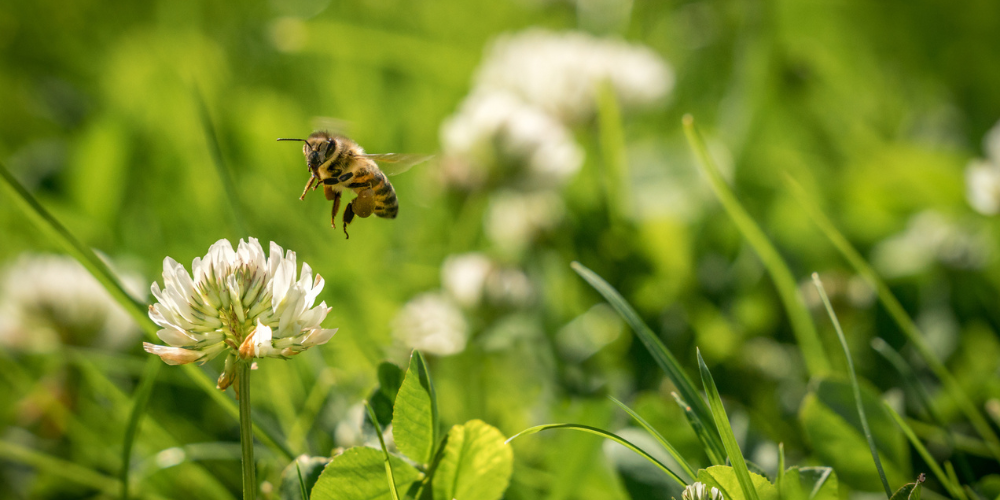
Other Ways to Attract Bees to Your Landscape
Creating a bee-friendly garden doesn’t stop at planting flowers—it’s about rethinking how every part of your property functions. Converting even a small section of lawn into pollinator habitat can dramatically increase biodiversity, especially when filled with native plants and ground covers. Instead of leaving bare patches or maintaining strict monocultures, consider planting flowering ground covers that provide both beauty and habitat.
When we start to think ecologically, every corner of a yard becomes an opportunity. A fence line, a ditch, or even a forgotten edge of the property can support life if we let it. Monocultures may look tidy, but they offer little ecological value, while diverse plantings create abundance and resilience. The goal isn’t perfection—it’s participation in a thriving, living system, whether you’re gardening broadly or experimenting with pollinator-friendly plants in Glenside, PA, or anywhere else in Pennsylvania.
Let’s Celebrate Bees Every Day
Bees are just one piece of the ecosystem puzzle, but supporting them means supporting life as a whole. When we restore pollinator habitats, we also strengthen food systems, improve biodiversity, and create healthier landscapes for everyone—from backyard gardeners to farmers across the country. Sometimes, letting a patch of wildflowers grow costs less than maintaining a perfect lawn, and the ecological return is far greater.
By planting pollinator-friendly plants, we give back to nature, and in return, our gardens, communities, and ecosystems flourish in ways that deserve to be celebrated. Come honor bees with us at Primex Garden Center, and let your garden be a haven for them all year-round!