Plant it Once, Enjoy it for Years: Primex’s Top Perennial Picks
June 1, 2026
When it comes to creating a beautiful garden, low-maintenance perennials are the true heroes. They serve as both the backdrop and leading players, shaping a garden’s overall look and feel. With hundreds—even thousands—of choices available, a select few perennials stand out for their resilience, reliability, and beauty. Our top choices are plants every gardener should know.
Why Perennials Are So Useful in the Garden
Perennials provide structure, support the garden’s ecology, and create the main visual interest. It wouldn’t be an exaggeration to say that perennials themselves define the garden. Without them, you’d only have an empty plot of soil that would need to be replanted every season.
When you plant a perennial, you are inviting a long-term resident into your garden that will provide blooms reliably year after year, and often pleasant foliage too. Layered with other perennials, they create a cohesive plant community that can help achieve your gardening goals, whether that is a particular style, a special feeling, or a landscape rich with ecological life and biodiversity. One of the reasons gardeners continue turning to low maintenance perennials is that they provide reliable color and structure year after year without needing constant replanting or attention.
What Makes a Perennial a Good Choice?
Beauty is in the eye of the gardener, but that’s not the whole story. Perennials also need to perform well. That means standing strong through Pennsylvania’s difficult weather and offering blossoms without much maintenance. Resilient perennials should tolerate heat, humidity, drought, once established, and resist fungal problems. Besides this, they should look good throughout the season, be adaptable to various growing conditions, and offer blossoms that are worth remembering. With that in mind, we’ve decided to celebrate the following plants.
Primex Garden Center’s Top Perennial Picks
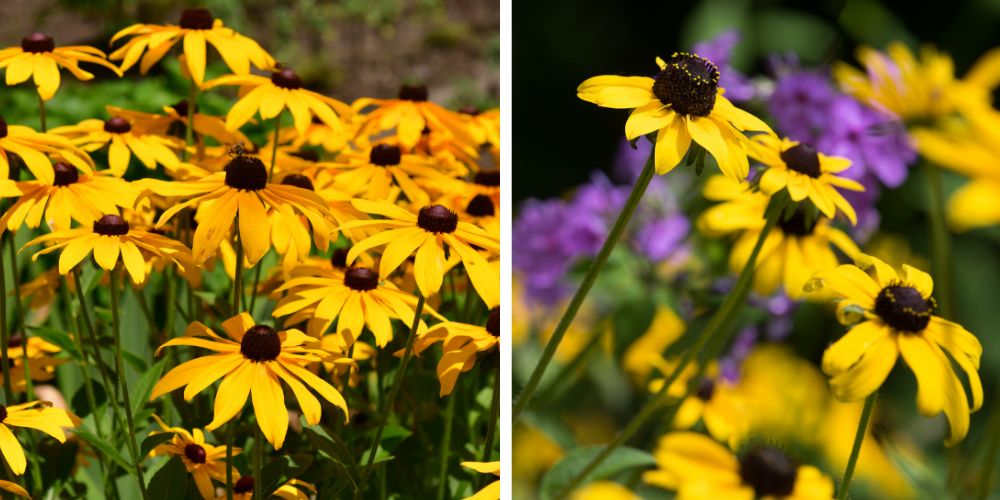
Black-Eyed Susan (Rudbeckia)
Few plants capture the cheerful spirit of summer quite like black-eyed Susan. Its bright golden-yellow petals and dark centers create bold color that lasts for weeks, often blooming from mid-summer well into fall. It is the floral equivalent of sunshine with an excellent work ethic.
Rudbeckia performs beautifully in Pennsylvania because it tolerates heat and humidity remarkably well. It also handles poor soil conditions better than many flowering plants, making it useful for gardeners dealing with less-than-perfect growing spaces. Once established, it requires minimal watering and comes back effortlessly every year.
Pollinators adore black-eyed Susan. Bees, butterflies, and beneficial insects flock to the blooms throughout summer, bringing movement and life into the garden. Birds also enjoy the seed heads later in the season, which adds extra interest during fall.
Homeowners can use Rudbeckia in several ways:
- Sunny borders
- Cottage gardens
- Naturalized meadow areas
- Pollinator plantings
- Mixed perennial beds
It pairs beautifully with ornamental grasses, purple coneflowers, Russian sage, and sedum. The yellow flowers against purple blooms create a beautiful color combination.
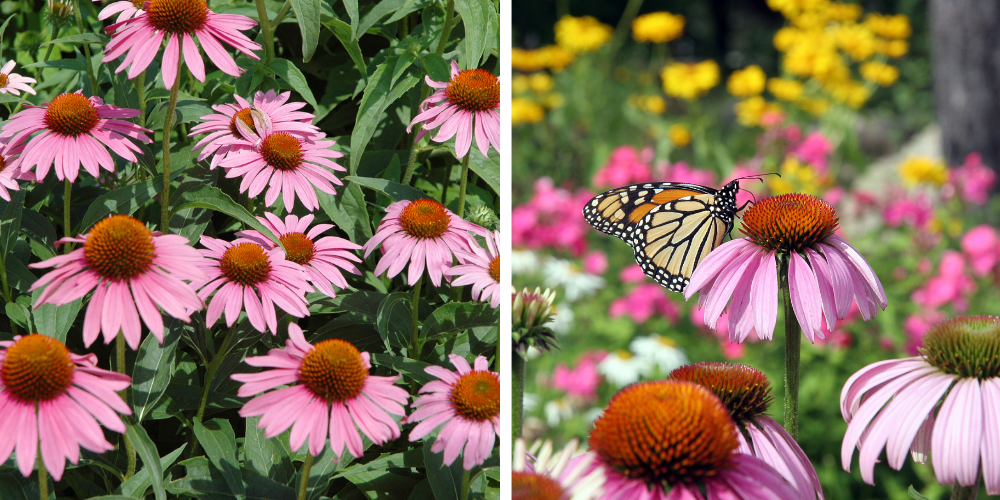
Coneflower (Echinacea)
Coneflowers have become garden favorites for good reason. They are tough, adaptable, and capable of thriving through dry Pennsylvania summers once their roots are established. Even when temperatures climb and the lawn starts looking slightly offended by the weather, coneflowers keep blooming.
One of the biggest reasons gardeners love Echinacea is its pollinator appeal. Butterflies, bees, and even goldfinches are drawn to the flowers throughout the growing season. A garden with coneflowers feels lively and active instead of static and overly formal.
Today’s varieties come in far more colors than the traditional purple blooms many people remember. Gardeners can now find shades of pink, orange, white, yellow, coral, and even deep red. These options allow coneflowers to fit beautifully into both modern landscape designs and relaxed cottage-style gardens.
To help coneflowers thrive year after year:
- Plant them in full sun
- Avoid overly wet soil
- Water regularly during their first season
- Leave seed heads standing through fall for wildlife interest
- Divide overcrowded clumps every few years
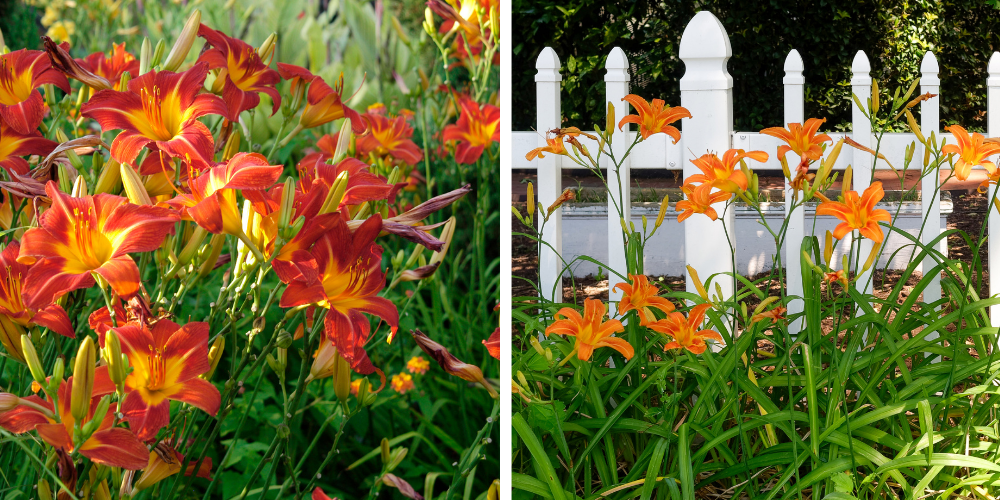
Daylily (Hemerocallis)
Daylilies have earned a reputation as one of the easiest perennials to grow and they deserve every bit of praise. They produce a steady succession of blooms—each flower lasts only one day, but the display continues for six weeks or more. They also tolerate a wide range of soil conditions, survive difficult weather, and continue blooming even if gardeners occasionally forget about them.
These plants are impressively long-lived and adaptable. Some daylily clumps can thrive for decades with only occasional dividing. They also grow well in areas where other plants struggle, including slopes, roadside beds, and difficult sunny spaces.
Daylilies are available in a huge range of colors and flower forms. Gardeners can choose soft pastels, rich jewel tones, or fiery oranges and reds depending on the mood of the landscape. Repeat-blooming varieties extend the display even longer, making them excellent long-blooming perennial flowers for busy homeowners. Their grassy foliage also helps provide structure in the garden even after flowers fade.
They work especially well for:
- Mass plantings
- Filling empty spaces
- Softening fences
- Lining walkways
- Stabilizing slopes
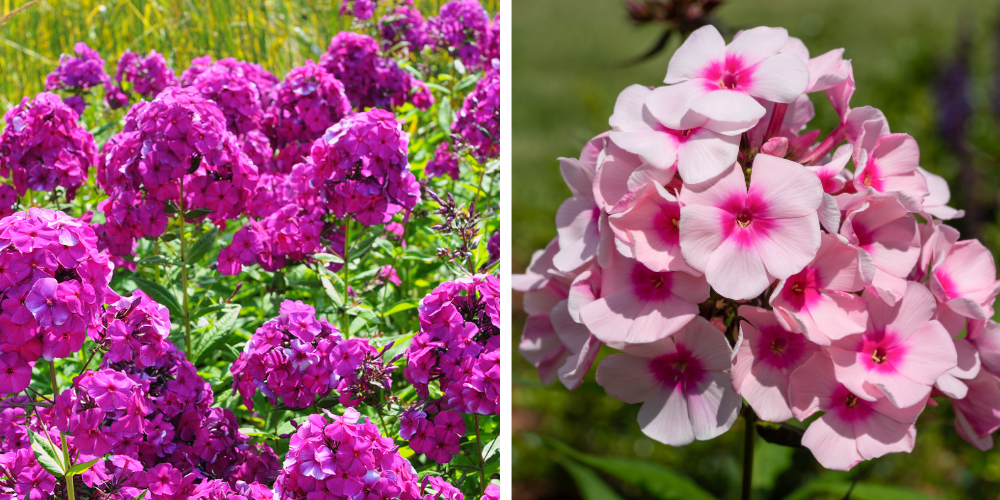
Garden Phlox (Phlox paniculata)
Garden phlox brings height, fragrance, and vibrant midsummer color into perennial beds. When in bloom, these plants create big clusters of flowers that practically announce themselves across the yard like enthusiastic party guests.
Phlox grows best in full sun with consistent moisture and good airflow. Proper spacing is especially important because Pennsylvania’s humid summers can encourage powdery mildew if plants become overcrowded. Giving them room to breathe makes a surprisingly big difference.
Fortunately, many newer varieties are bred for mildew resistance. These improved cultivars help gardeners enjoy the beauty of phlox without constantly battling fungal issues during humid weather. Healthy foliage keeps the plants looking attractive even beyond the flowering season.
Garden phlox adds fullness and structure to established garden beds. Its height helps anchor borders while its vibrant blooms blend beautifully with coneflowers, black-eyed Susan, and ornamental grasses.
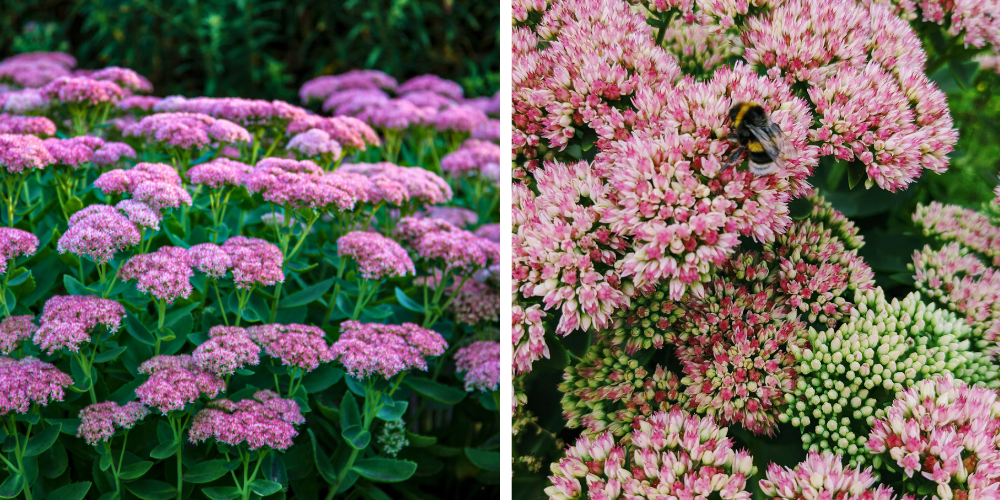
Sedum (Stonecrop)
Sedum might be one of the easiest plants a gardener could ask for. It tolerates drought, poor soil, heat, and neglect with confidence. With succulent leaves, they appear delicate, but deep down these are hardy plants, adapted to thrive in tough northern climates and strenuous conditions.
One of sedum’s greatest strengths is its late-season interest. While many summer flowers begin fading by August, sedum starts taking center stage with clusters of blooms that deepen in color as autumn approaches. The seed heads also remain attractive well into winter.
Sedum works wonderfully in:
- Sunny borders
- Rock gardens
- Foundation plantings
- Drought-tolerant landscapes
- Pollinator gardens
Bees and butterflies are particularly drawn to the flowers in late summer when nectar sources become scarcer. That makes sedum both beautiful and ecologically valuable.
Tips for Growing a Low-Maintenance Perennial Garden
The sky is the limit when it comes to creating a perennial garden. Depending on your desire, you can make designs as intricate and complex as you like. But even with only basic perennials, you can create a garden that reliably produces beauty through every season with little maintenance. Many homeowners in Pennsylvania rely on low maintenance perennials because they can handle changing weather conditions while continuing to bring dependable color and structure to established garden beds year after year.
Here are a few practical tips to consider:
- Water deeply during the first growing season
- Divide overcrowded plants every few years
- Match plants to the correct sunlight conditions
- Grow plants with varying bloom times to create season-long interest
- Use groupings of plants in your garden (3, 5, or 7) to create color echo and harmony
Taller plants like garden phlox can anchor the back of borders, while mid-sized coneflowers and black-eyed Susan fill the middle. Lower-growing sedums help soften edges and extend color into fall. Give each plant room to fill out and expand, but don’t leave too much empty space. Through savvy transplanting and dividing, gardeners can gradually refine, expand, and improve their landscapes over time.
Refreshing Older Garden Beds Without Starting Over
Homeowners in older neighborhoods often inherit mature landscapes that feel tired or uneven but do not necessarily need complete removal. Adding dependable perennials can breathe new life into existing landscapes with relatively simple updates.
Some easy upgrades include:
- Swapping weak plants for reliable performers
- Filling sparse areas with spreading perennials
- Incorporating pollinator-friendly varieties
- Creating better bloom succession through the season
Over time, these thoughtful additions help gardens look fuller, more cohesive, and more established without requiring a full redesign.
A garden filled with dependable, low-maintenance perennials becomes more beautiful and reliable with every passing season. Black-eyed Susan’s, coneflowers, garden phlox, daylily, and sedums are some of the best perennials for Pennsylvania gardens. Come visit us at Primex Garden Center to explore selections, ask questions, and find the right plants to help your garden flourish!