Pollinator Week: Simple Ways to Support Bees and Butterflies
June 15, 2026
When we think of a garden, we shouldn’t just think of plants, but pollinators too.
Bees and butterflies are not just nice additions; they are essential to flowering plants and to living ecosystems. In this article, we celebrate Pollinator Week by sharing how and why you should support them in your garden.
What Are Pollinators?
Pollinators are more diverse than you think. In Pennsylvania, we have at least 400 native bees from small to large, approximately 150 to 200 native butterflies, and over 2,000 native moths. This is in addition to pollinating flies, like the common hoverfly, several beetles, and other insects. Each species has a uniquely shaped mouth and preference for flowers, making a biodiverse offering in your garden important.
Fun Challenge: How many pollinators can you find in your garden?
Why Pollinators Are Key to Gardens and Ecosystems
Pollinators play a vital role in your home garden and Pennsylvania’s ecosystems. They help flowering plants reproduce, turning flowers into apples, plums, berries, nuts, and much more. These in turn feed humans and populations of wild animals. In this way, pollinators form a crucial link in Pennsylvania’s food web.

Pollinators Support Birds, Bats, and Frogs
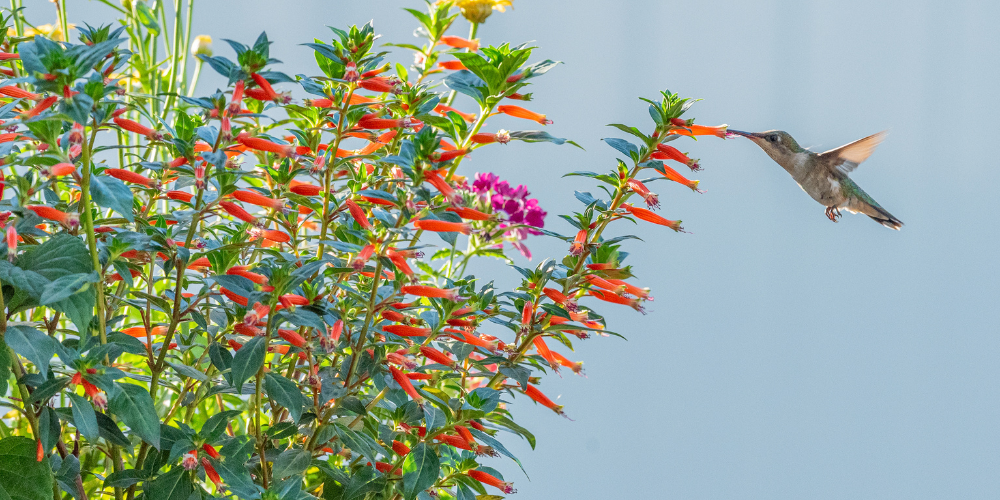
Pollinators themselves are also a food source for birds, mammals, reptiles, and amphibians. Caterpillars, the larval stage of butterflies and moths, are particularly important. Songbirds such as chickadees, warblers, and vireos feed thousands of caterpillars to their young during nesting season. Bats consume large numbers of moths each night. Spiders capture pollinators in their webs, while dragonflies hunt them. Frogs, toads, salamanders, lizards, and even some fish also eat insects that visit flowers.
Are Pollinators in Decline?
Pollinators across North America unfortunately face difficult challenges and steep declines. Land use changes are the biggest issue. As humans turn natural areas into farms, towns, and cities, pollinators lose the diverse flowers and nesting sites they need to survive. As natural areas are replaced with lawns and parking lots, pollinators don’t have the food and infrastructure they need. Pesticide use and climate change are also driving losses, but we can reverse the trend, and gardeners play an important role.
How Gardeners Can Support Pollinators
Conservation is the biggest tool we have for protecting and restoring pollinator populations. Moving away from pesticides and monoculture agriculture promises an equally big win for pollinators. The third biggest thing we can do is start growing more abundant, biodiverse, and flourishing landscapes in our human-shaped places. As gardeners, that’s where we come in.
Grow More Flowers
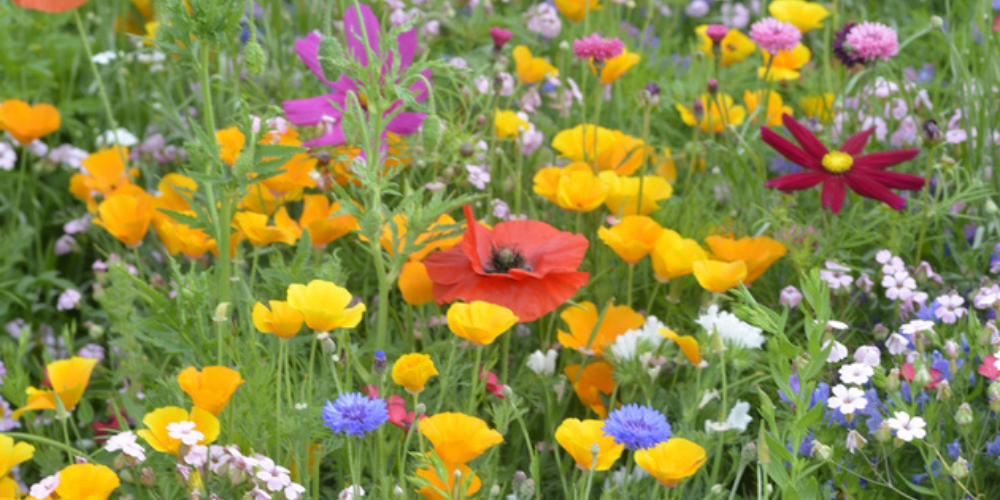
We can support pollinators by growing a greater volume and diversity of pollinator-friendly flowers in our gardens. Native flowers are especially important because they are the historic and natural food source of native pollinators. Try to have as many different flower colors, shapes, and sizes as possible. By the time late June arrives, many pollinator garden plants are already buzzing with activity as bees and butterflies move from bloom to bloom throughout the garden.
Grow Continuous Flowers
A continuous flower display is a hallmark of a beautiful garden. It turns out this tactic is also key for pollinators. Often, human landscapes have abundant flowers in the spring, but fewer nectar sources through the summer and fall. Pollinators need food throughout the growing season, and some pollinators only emerge in mid-to-late summer. The solution: make sure your garden includes early, mid- and late- blooming plants. Let plants blossom for bees and butterflies in every season.
Swap Pesticides for Integrated Pest Management
Although well-intentioned, pesticides have an unintended effect on insects. They kill both the good pollinators and the insects you don’t want. Ironically, boosting your insect habitat in general with more diversity attracts healthy predator insects that keep the pests in balance. This approach is called integrated pest management.
Let Herbs and Vegetables Flower Longer
As soon as a lettuce plant bolts, we often rip it out of the garden, leaving only a bare patch of soil. In reality, these flowers can provide a great source of nectar for pollinators and at no cost to us. Fragrant herbs are especially sought after by many kinds of insects. Relax and let your herbs flower, if possible, to attract beneficial insects. By late June, you’ll start to notice which pollinator garden plants are getting the most attention from bees and butterflies as the garden reaches its peak summer activity.
Shallow Water Source
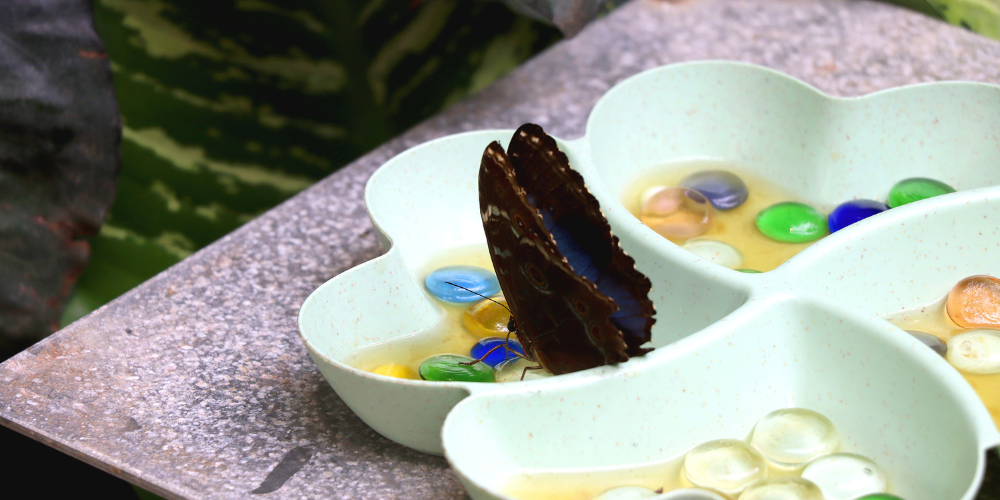
Shallow water containers are good attractants for butterflies and bees. Bees do drink water, though it’s rarely observed. They need a shallow ledge so they can drink without falling in.
Overwintering Grounds
Guess what: bees, butterflies, moths, beetles, and insects don’t live only during the summer. They have a variety of overwintering strategies, from hibernating, surviving in a larval stage or as an egg. Tree cavities, hollow stems, leaf litter, and patches of brush are places that allow a wide range of insects to overwinter. Avoid the temptation to keep your yard spotless. A little debris goes a long way to support pollinators year-round.
Creating a Pollinator Garden Without Starting Over
The beauty of a pollinator garden is that you don’t have to grow one from scratch. However your garden is now, there’s always room to add more flowers, plant herbs, or get a brush pile going. Add perennials to unused spaces. Mix in flowering plants into your veggies plot or plant a cover crop of clover or buckwheat. No space left? Add some containers and hanging baskets.
Common Bee-Friendly Plants for Glenside, Pennsylvania:
- Coneflower
- Salvia
- Bee balm
- Black-eyed Susan
- Zinnia
- Lantana
- Milkweed
The Pollinator-Friendly Lawn
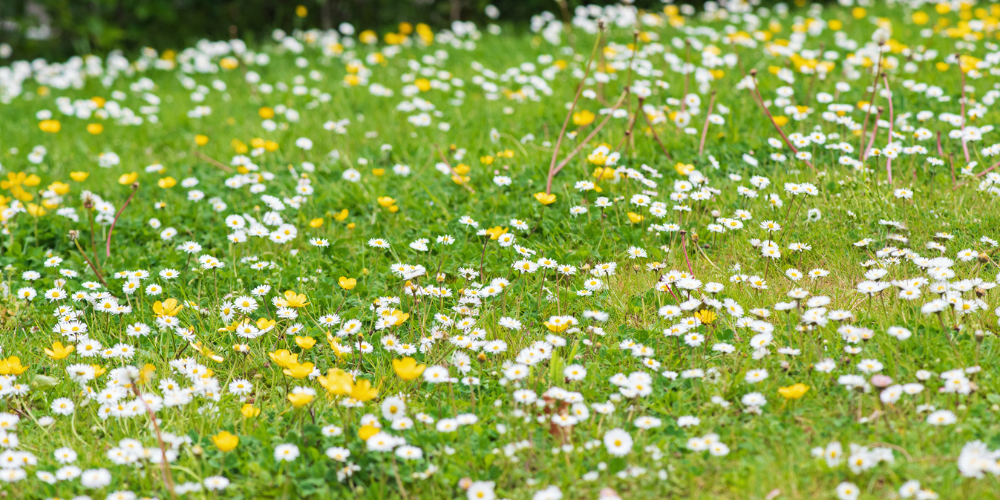
Lawns take up a lot of space in our towns and cities. In fact, lawns are the largest irrigated crop in America. We don’t realize it, but these lawns came at the loss of natural meadows, forests, and wetlands, which all hosted a magical complexity of life. To replace them, we planted a single species of turf grass. This monoculture provides little habitat or support for insects, aside from a few ants, grubs, and chinch bugs.
We can reverse this limited way of thinking by revitalizing lawns as biodiverse meadows. If you’re not ready to convert your whole yard, start by converting a small section to a pollinator wildflower garden. If you plant it with a large diversity of native plants, you’ll find that this miniature ecosystem, once established, doesn’t need much weeding or maintenance. In exchange, you’ll support a wide variety of pollinators.
Weaving it All Together
Often when we think of gardening, we focus on plants and on our own needs, but not pollinators. In reality, a healthy garden should include a wide variety of life, from ladybugs to vireos to hummingbirds and monarch butterflies. The more life we invite into our space, the more we’re rewarded with fragrance, beauty, color, and an abundant harvest. As our overall biodiversity increases, we’ll slowly approach the magic of a natural forest and we’ll support Pennsylvania pollinators along the way. For expertise on flower selections and more pollinator tips, visit Primex Garden Center in person!