The Pennsylvania Native Plant Starter Pack
January 19, 2026
Ready to dip your toes into Pennsylvania’s native plants but not sure where to start? These ancient friends of our local land are natural gems for beauty and biodiversity—and fortunately, you don’t have to be a botanist to plant them. This guide offers a simple introduction of how to make native plants part of your garden!
Why Native Plants Make Sense in Southeastern Pennsylvania
- Local Advantage: Planting native plants in your home garden creates a landscape that naturally works with our local climate, soil, and weather patterns instead of fighting them. These plants evolved to thrive right here in Pennsylvania, which means they typically need less water, fewer soil amendments, and far less ongoing maintenance. For homeowners, that translates into healthier plants, lower costs, and a garden that looks good without constant attention. Native plants also tend to be more resilient during heat waves, heavy rain, and seasonal temperature swings.
- They Let Life Flourish: Native plants play a vital role in reviving local ecosystems in Pennsylvania. They provide food and shelter for birds, butterflies, bees, and other beneficial insects that cannot survive on non-native plants alone. Even a small native garden helps strengthen local biodiversity and reconnect fragmented habitats in suburban areas, like Glenside and Cheltenham townships. In return, your garden becomes more alive, balanced, and rewarding to spend time in.
How to Get Started with Native Plantings
Not every native plant makes sense for beginners. Some natives are fussy, aggressive, or best left to advanced gardeners who enjoy a challenge. The plants in this starter guide were chosen because they are dependable, easy to manage, and forgiving if you make a few mistakes.
Each plant also earns its spot by pulling double or triple duty. They look good through multiple seasons, support wildlife, and do not require constant grooming to stay attractive. Visual interest matters, especially for new homeowners who want their yard to look intentional, not wild. The following plants will be a win-win for you, your garden, and the surrounding ecosystem. Because the native plants of Pennsylvania evolved alongside our local climate and wildlife, native shrubs tend to be more resilient, require less upkeep, and provide meaningful habitat benefits compared to non native alternatives.

Pollinator Magnets That Bring Life to the Yard
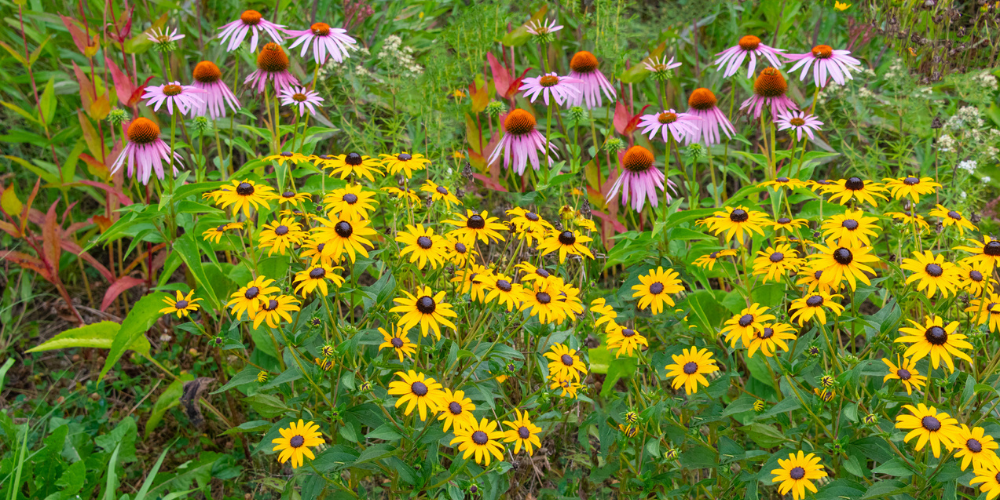
Purple coneflower is often the gateway plant for many new native gardeners, and for good reason. It has bold pink-purple blooms, stands up well to heat, and does not flop over when summer storms roll through. Bees and butterflies flock to it, while birds enjoy the seed heads later in the season. It fits beautifully into sunny beds and mixes well with existing perennials.
Bee balm is another standout that brings motion, color, and energy into a space. Its shaggy blooms look playful rather than formal, which works well in relaxed family yards. Bee balm spreads gently over time, filling in gaps without becoming unruly. It is also one of those pollinator-friendly plants Pennsylvania gardeners quickly notice buzzing with activity.
Shade-Loving Natives for Tree-Filled Lots
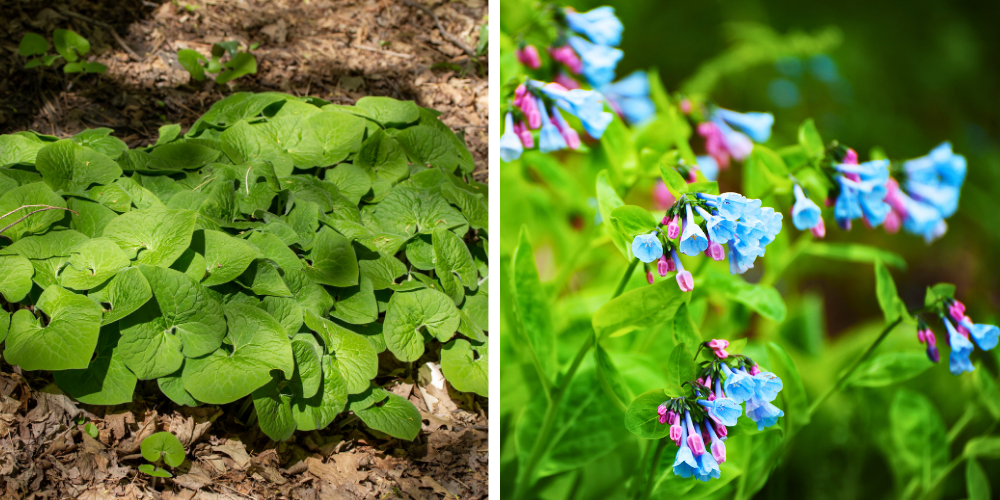
Wild ginger is a quiet hero for shady areas where grass refuses to grow. Its glossy, heart-shaped leaves form a dense groundcover that looks tidy without trimming. While the flowers are subtle, the foliage does most of the visual work. This plant thrives under trees and along shaded walkways where other options fail.
Virginia bluebells offer a completely different experience, delivering a burst of spring color before trees fully leaf out. Their soft blue flowers feel almost magical after a long winter. Once summer arrives, the foliage fades back, making room for other plants to shine. This natural rhythm works beautifully in layered shade gardens.
Tough Native Plants for Problem Spots
Switchgrass is a fantastic solution for areas with poor soil or slight slopes. It sends down deep roots that help stabilize soil while its upright form adds structure to the landscape. In fall, the foliage turns warm shades of gold and bronze, extending interest well beyond summer. It also looks intentional even when left standing through winter.
Black-eyed Susan is another resilient plant that seems cheerful no matter what conditions it faces. It tolerates drought, clay soil, and heat without complaint. The bright yellow flowers feel classic and welcoming, especially for new homeowners wanting instant charm. This plant provides low effort with a high impact.
Low-Maintenance Native Plants That Still Look Polished
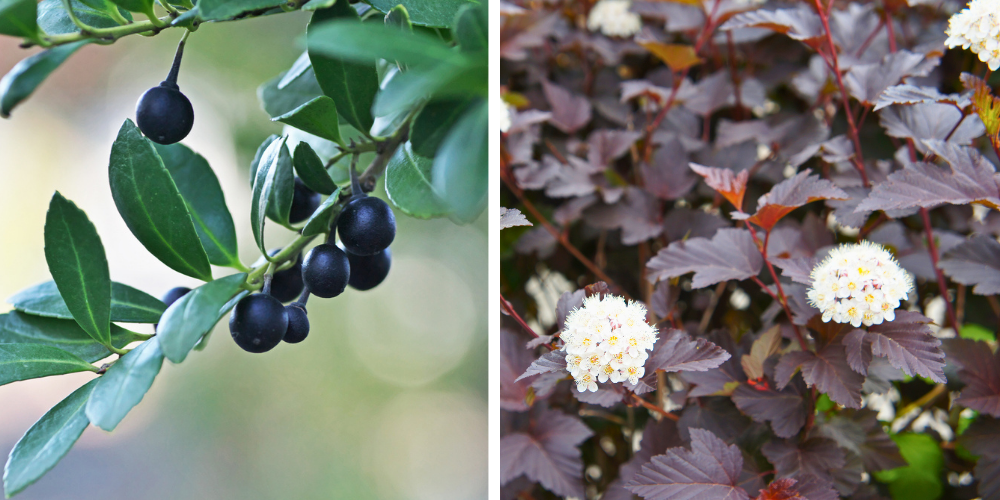
Inkberry holly is an evergreen native shrub that works beautifully as a foundation plant or low hedge. It keeps its shape without constant pruning and looks good year-round. Unlike some traditional hedges, it does not sulk in wet soil or partial shade. For gardeners wanting structure without weekly upkeep, this plant is a quiet MVP.
Ninebark adds texture and color with minimal effort, thanks to its peeling bark and arching branches. Newer varieties offer deep burgundy or copper-toned foliage that looks striking all season. It handles pruning well but does not demand it. This makes it ideal for homeowners who want flexibility without pressure.
How to Use Native Plants Without Redesigning Your Whole Yard
You do not need to overhaul your entire property to see results from native plants. A single garden bed near the front door or along a fence line is a perfect place to start. Swapping out one struggling shrub for a native option can immediately improve how the space looks and functions. Small changes add up faster than you think.
Another easy approach is to cluster a few starter plants together rather than scattering them. Grouping plants creates a more intentional look and helps them support each other as they establish. This strategy is especially helpful for anyone building a beginner native plant garden without a master plan. One of the biggest advantages of gardening with the native plants of Pennsylvania is that they are already adapted to our local climate and soil, making them easier to grow, longer lasting, and far less demanding than many non native options.
Common Beginner Worries and Why You Can Ignore Them
- Messy Look: A common fear is that native plants will look messy or overgrown, especially compared to traditional landscaping. In reality, many natives are just as tidy as non-natives when given the right spacing. Choosing well-behaved varieties makes all the difference. You can also take inspiration from the New Perennial Movement, which values the broad and sometimes unconventional beauty of native plants throughout their whole life cycle.
- Lack of Beauty: Another worry is that natives lack color or seasonal interest. The plants in this starter guide prove the opposite, offering flowers, foliage, and structure across multiple seasons. From spring blooms to winter seed heads, there is always something happening. Beauty and ecological benefits often go hand-in-hand.
A Simple First Step to Get Started This Season
If this still feels like a lot, give yourself permission to start small. Pick one sunny plant and one shade plant and see how they perform in your yard. Watch how they handle weather changes and how little attention they actually need.
Local garden centers are a huge help when choosing plants suited to your exact conditions. Staff familiar with native plants for Glenside and area can point you toward options that match your soil, light, and lifestyle.

The Next Steps in Native Plant Gardening
Native gardening is not about perfection or transforming your yard overnight—it is about choosing plants that want to live where you live. By starting with a small, reliable selection of native plants, you build a landscape that supports wildlife, reduces maintenance, and settles beautifully into its surroundings. Whether you add one plant or five, you are making a meaningful step toward a healthier yard. If you are ready to explore native plants of Pennsylvania with confidence, stop by Primex Garden Center and come see the selections that can take root in your garden!