The New Perennial Movement: Where Art Meets Ecology
February 20, 2024
Perennials have been gardening go-to’s for generations, but today, a new movement is using these plants in more self-sustaining and harmonious ways.
Born in northern Europe and popularized through public projects like the NYC high line, ‘New Perennialism’ blends naturalistic artistry with ecological principles to create gardens that satisfy the senses, the heart, and the living world around us. In this article, we’ll go through what the ‘New Perennial Movement’ is, and how you can use its wisdom to benefit your gardens!
Perennial Aesthetics
At its heart, the New Perennial Movement is focused on recreating the wild beauty we find in nature in our garden spaces. Whether it be the color of a prairie meadow or the wonder of a wildflower woodland, New Perennialism seeks to incorporate Mother Nature’s unique beauty into our everyday lives. These are some of the main aesthetic principles this movement bases itself around:
Finding Beauty in All Stages of a Plant’s Life Cycle
A hallmark of the New Perennial Movement is appreciating every stage in a plant’s life cycle. Rather than only finding beauty in the flowers, this style appreciates seedheads, changing leaf colors, and even plant skeletons. Like in a natural meadow, these stages are allowed to coexist together among different plants. In this way, your perennials will continue contributing to your garden throughout their entire lifespan, and even beyond.
Naturalistic Plantings
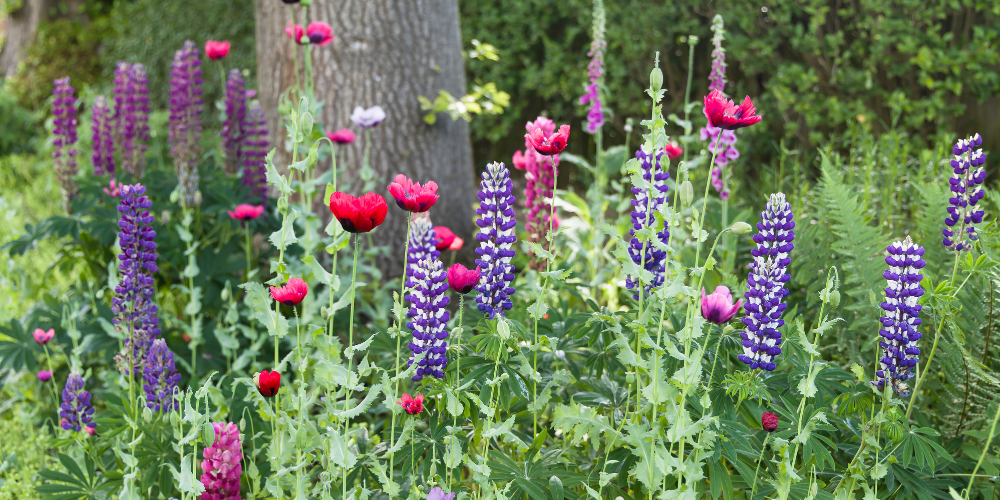
Imitating natural plantings is another core practice of the New Perennial Movement. Their groupings emphasize naturalistic drifts and informal waves of color. On the surface, this creates a naturalistic look, like what you’d find in a prairie meadow or wildflower woodland. As you’ll see below, however, the choices of plant variety and location are actually made very carefully, drawing on ecological principles to help create a more resilient, self-sustaining garden.
An Expansive Plant Palette
Another feature of New Perennialism is the use of a wider variety of plants. Designs feature native plants and flowers with diverse shapes, such as globes, buttons, spikes, spires, daisies, and umbels. This approach takes us beyond the traditional emphasis on big, colorful petals into the wondrous world of lesser-known plants and their many unique offerings.
Beauty in Every Season
New Perennial designs offer year-round beauty by drawing on a wider plant palette and fuller life cycles. There’s no dead air where the garden is blank and blossomless; instead, you have an ever-shifting tapestry where plants successively bloom throughout the growing season and remain present afterward as dazzling seed heads and faded skeletons.
Ecological Underpinnings
Underlying the aesthetics of New Perennialism is an emphasis on ecological gardening. In fact, this ecological focus is what enables and creates the self-sustaining, biodiverse beauty described above. Ecology feeds into aesthetics, making your garden more harmonious with the living world and creating the wondrous patterns we find in nature.
Here are a few of the key ecological underpinnings of the New Perennial Movement:
Biodiversity, Native Plants, and Wildlife Habitat
Simply put, the New Perennial Movement creates more biodiversity in the garden by including a wider diversity of plants. As a result, your perennials attract more pollinators, beneficial insects, butterflies, and birds. In other words, a greater diversity of plant life feeds a greater diversity of life in general. It also feeds the health of your garden and builds ecological “infrastructure” throughout human-occupied spaces, creating places within which our wild kin can travel and live.

Each Plant in the Right Place
While gardeners already try to place plants in the right spot when planting, in New Perennialism, there is an extra emphasis on ensuring that plants occupy the right microclimate of soil, sun, and water. For example, New Perennialists give extra care to planting drought-tolerant plants in their garden’s drier parts and water-loving plants in its soggier spots. This approach reduces our need to care as much for each plant, makes a more resilient garden, and lets the contours of the land foster plants, much like it would in a natural setting.
Working With the Water Cycle
A New Perennial garden works seamlessly with its water source’s natural flow and quality. Rather than directing flow off-site into drains and gutters, it draws on permeable surfaces and carefully-placed plants to simultaneously use and heal the natural water cycle of our wider ecosystem.
Three Steps to Creating a New Perennialism Design
Here are a few useful tips to help you start blending New Perennialism’s ecological and aesthetic principles into your own garden:
- Discover Your Site: Map out your garden’s unique microclimates, taking note of the soil, moisture levels, and hours of sunlight. If you have time, observe the birds and insects that use your yard and note where they live and what they eat.
- Research a List of Plants for Your Site: Focus on native plants and ornamental grasses, grouping them together according to microclimate and ecological value, and listing their unique aesthetic features, such as color, bloom time, flower shape, and leaf size or texture.
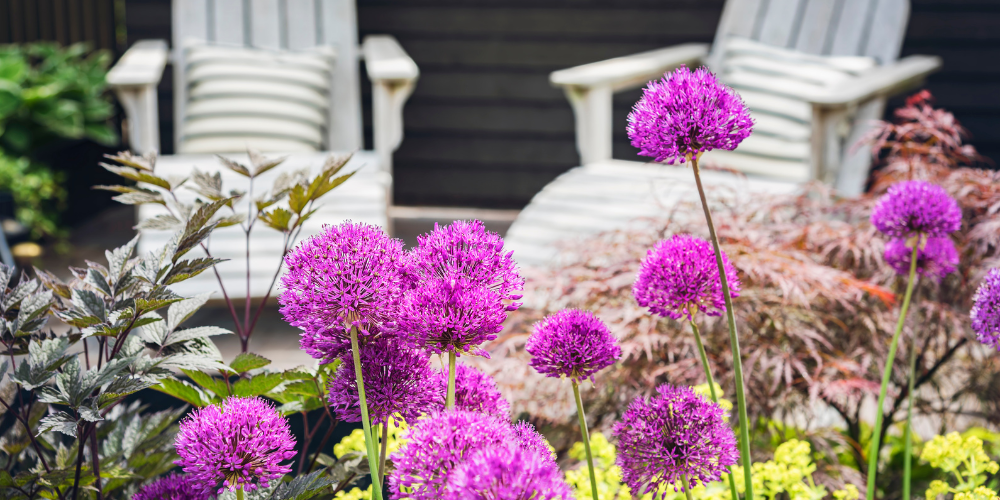
- Create Plantings for Each Microclimate: Get creative and design plantings that mimic a natural wildflower meadow. A helpful way to group plants is to consider which ones are “focus,” “scatter,” and “filler” plants. Focus plants have unique features that stand out in a garden, while scatter plants are those you can repeat throughout a bed to create unity and connection. Finally, filler plants fill in gaps between other plants.
Note: You can weave new plantings around existing perennials or create them entirely from scratch.
The relationship between aesthetics and ecology is at the core of the New Perennial Movement. By drawing on the wide diversity of native plants in our region and new developments in ecological gardening, it allows us to create beautiful designs that also contribute to healing the living world around us.
To find new perennials to add to your garden, come visit us at our garden center in Glenside, PA, today!