Planting Trees and Shrubs in Fall: Why, When, and How
September 21, 2026
“When we plant trees, we plant the seeds of peace and seeds of hope.”
— Wangari Maathai
The fall is one of the best times of year for planting trees and shrubs. Planting now gives them a fresh start next spring and an uninterrupted season of growth in their first year. For Glenside gardeners, fall planting trees and shrubs takes advantage of cooler temperatures and warm soil, giving new roots time to establish before winter arrives. With patience, these leafy additions can become focal points of beauty, places of memory, and lifelong companions in your home space.
Why Fall Is a Good Time to Plant Trees and Shrubs
Trees and shrubs have the best success when planted outside of the heat of summer. Cooler air temperatures in fall reduce stress on newly planted woody plants, while the soil can remain warm enough to encourage root growth before winter. This gives many trees and shrubs an opportunity to settle below ground while their above-ground growth slows, putting them in a good position for spring renewal.
 Why Plant Trees and Shrubs?
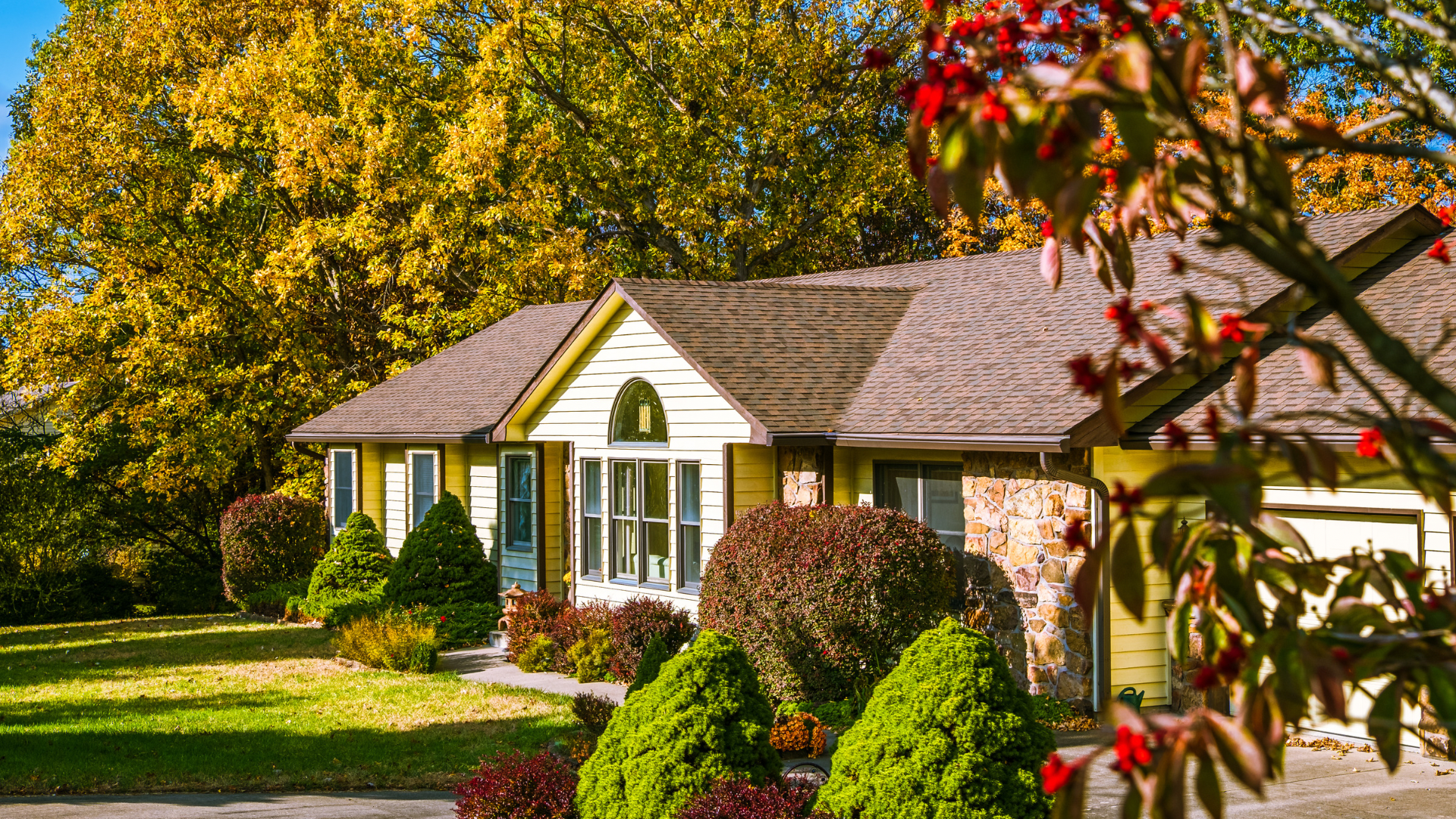 Why Plant Trees and Shrubs?
Trees and shrubs can do much more than occupy an empty corner of the yard. They are lifelong companions that provide all kinds of gifts, from natural air conditioning to seasonal color:
- Fall Color: A tree or shrub with brilliant autumn foliage can turn an ordinary yard into a seasonal spectacle. Maples, dogwoods, viburnums, and other woody plants can bring shades of red, orange, gold, or burgundy into the landscape. Instead of treating fall color as a fleeting bonus, use it as part of your overall landscape design.
- Natural Climate Cooling: A thoughtfully positioned shade tree can make a patio or outdoor sitting area much more comfortable on hot summer afternoons. It can also help filter sunlight through windows, creating a cooler, more pleasant interior environment. Although it looks small, remember that today’s little tree may eventually cast a very impressive shadow.
- Improving Landscape Design: Trees and shrubs help establish proportion, rhythm, repetition, contrast, and visual balance. A tall tree can anchor a broad lawn, while smaller shrubs can soften a foundation, frame a walkway, or connect different areas of the garden. Rather than scattering plants wherever there is empty soil, consider how each one contributes to the composition.
- Ecological Richness: A landscape becomes more vibrant when it contains a variety of plants with different forms, flowers, fruits, foliage, and growth habits. Trees and shrubs can provide food and shelter for birds, insects, and other wildlife while creating layers of habitat. Your yard may be small, but it can still function as a lively little ecological microcosm.
- Protection and Privacy: Shrubs and trees can help screen views, define property boundaries, and make outdoor spaces feel more secluded. Evergreen plants provide year-round screening, while deciduous plants can create a softer, more seasonal screen. A combination can make a privacy planting feel less like a wall and more like part of the landscape.
- Natural Beauty: Spring flowers, colorful stems, peeling bark, and unusual branching can keep woody plants interesting long after their leaves have emerged. Some shrubs offer spectacular blooms, while others earn their keep through texture and form. These details give the garden something to notice even during the quieter months.
- Peace and Wellbeing: More and more studies are emerging about the psychological and health benefits of being surrounded by thriving plants and animals. A deeper sense of peace, more creativity, and increased focus all come with more greenery, especially old trees.
Alongside refreshing beds with seasonal color, fall planting trees and shrubs can add lasting structure, shade, and privacy to your Glenside landscape.
Practical Details for a Successful Choice
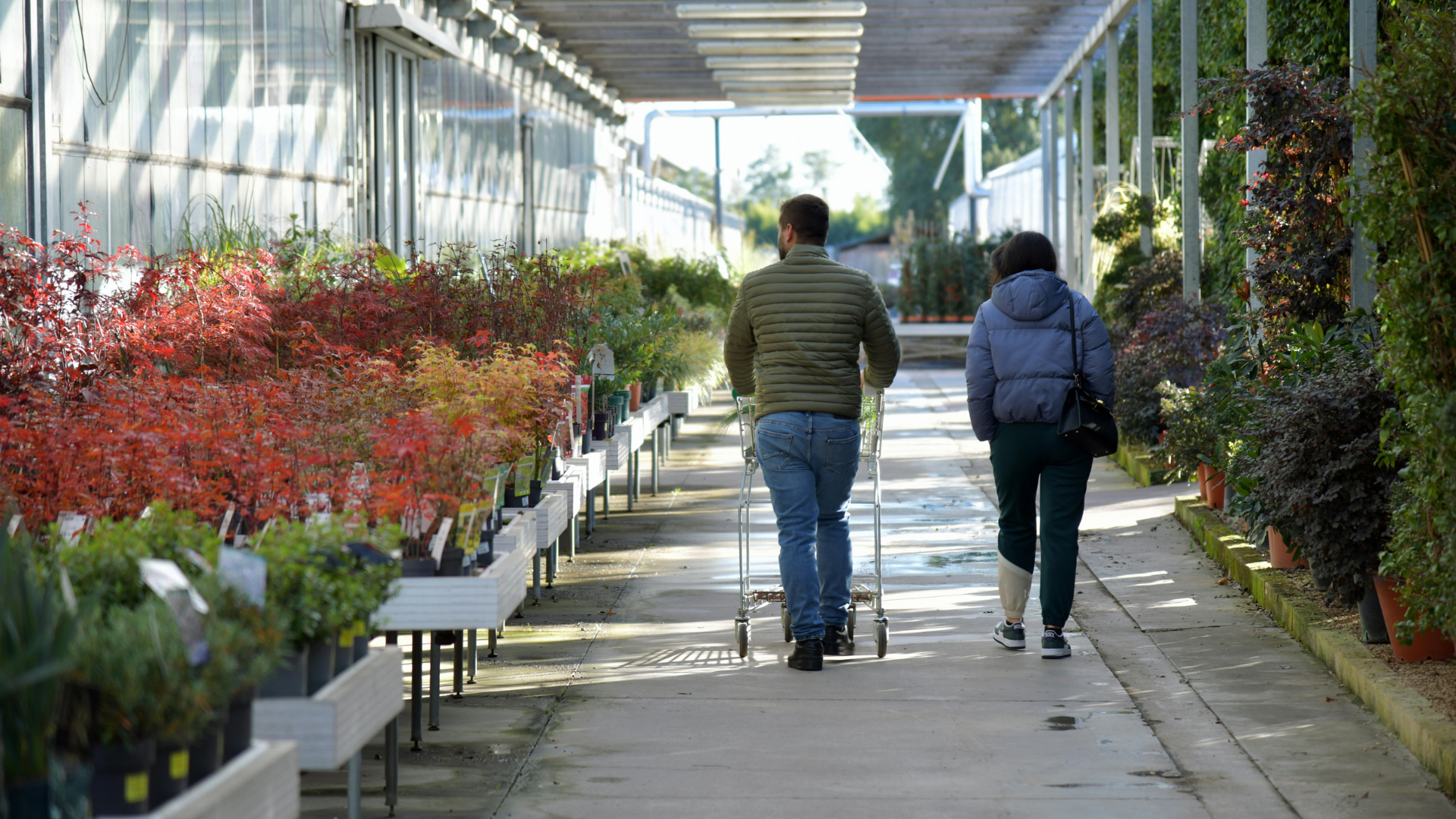 Practical Details for a Successful Choice
When it comes to choosing a tree or shrub, you need to find a marriage between your own vision and the underlying aspects of the land where you live. You should consider the following:
- Sunlight: Know whether the planting area receives full sun, partial shade, or mostly shade, and notice how that changes throughout the day. Choose a plant whose light requirements match the actual conditions rather than hoping it will adapt.
- Mature height and width: Check the plant’s mature dimensions and picture that size in your yard, including its spacing from the house, other plants, sidewalks, driveways, and property boundaries. Look overhead, too, and consider utility wires, because a tree that fits perfectly today may eventually be competing with infrastructure.
- Drainage and soil: Pay attention to whether the area stays wet after rain, dries quickly, or has compacted or heavy soil. Matching a plant to the site’s drainage and soil conditions can prevent many problems before they begin.
- Long-term vision: Look beyond the planting hole and imagine the landscape ten or twenty years from now. The best choices are plants that will continue to provide the shade, privacy, structure, flowers, or the seasonal interest you want as they mature.
This is where a garden center can be particularly helpful. Bring photos, measurements, and a few notes about the site, and knowledgeable staff can help turn a vague idea into a realistic planting plan—including recommendations for trees and shrubs that Glenside, PA, homeowners can use successfully.
Trees and Shrubs for Four-Season Interest
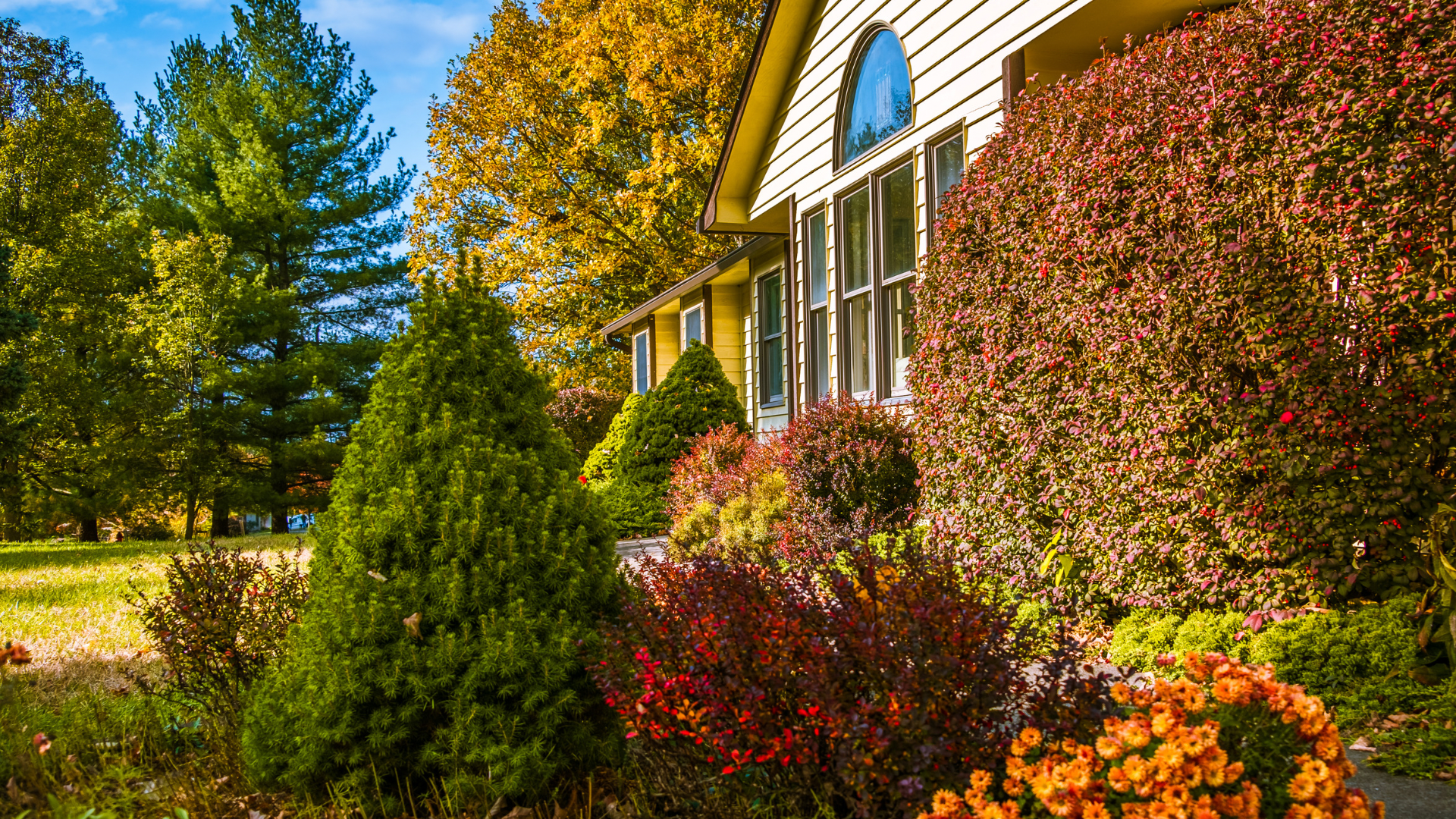 Trees and Shrubs for Four-Season Interest
A landscape doesn’t have to clock out after the last summer flower fades. Look for combinations that bring spring flowers, summer foliage, fall color, winter berries, evergreen foliage, textured bark, and interesting branching into different parts of the year. The result is a yard that changes character with the seasons rather than relying on one big moment.
Think of the landscape as a living calendar. A flowering shrub might announce spring, a leafy canopy can define summer, brilliant foliage can take over in autumn, and evergreen branches or sculptural bark can carry the scene through winter. Planning for these transitions makes the garden vibrant and interesting throughout the whole year.
Common Fall Planting Mistakes to Avoid
- Planting too close to the house: Leave enough room for the plant’s mature roots, branches, and canopy.
- Ignoring mature size: Don’t choose a plant based on the size it is at the garden center; check how large it will eventually become.
- Choosing only by appearance: A beautiful plant is not necessarily the right plant for your sunlight, soil, drainage, or available space.
- Planting too deeply: Keep the root flare at or slightly above the surrounding soil level rather than burying the trunk.
- Overlooking drainage: Avoid placing plants that dislike wet feet in areas where water routinely collects.
- Assuming fall means no watering: Newly planted trees and shrubs still need consistent moisture until the ground freezes.
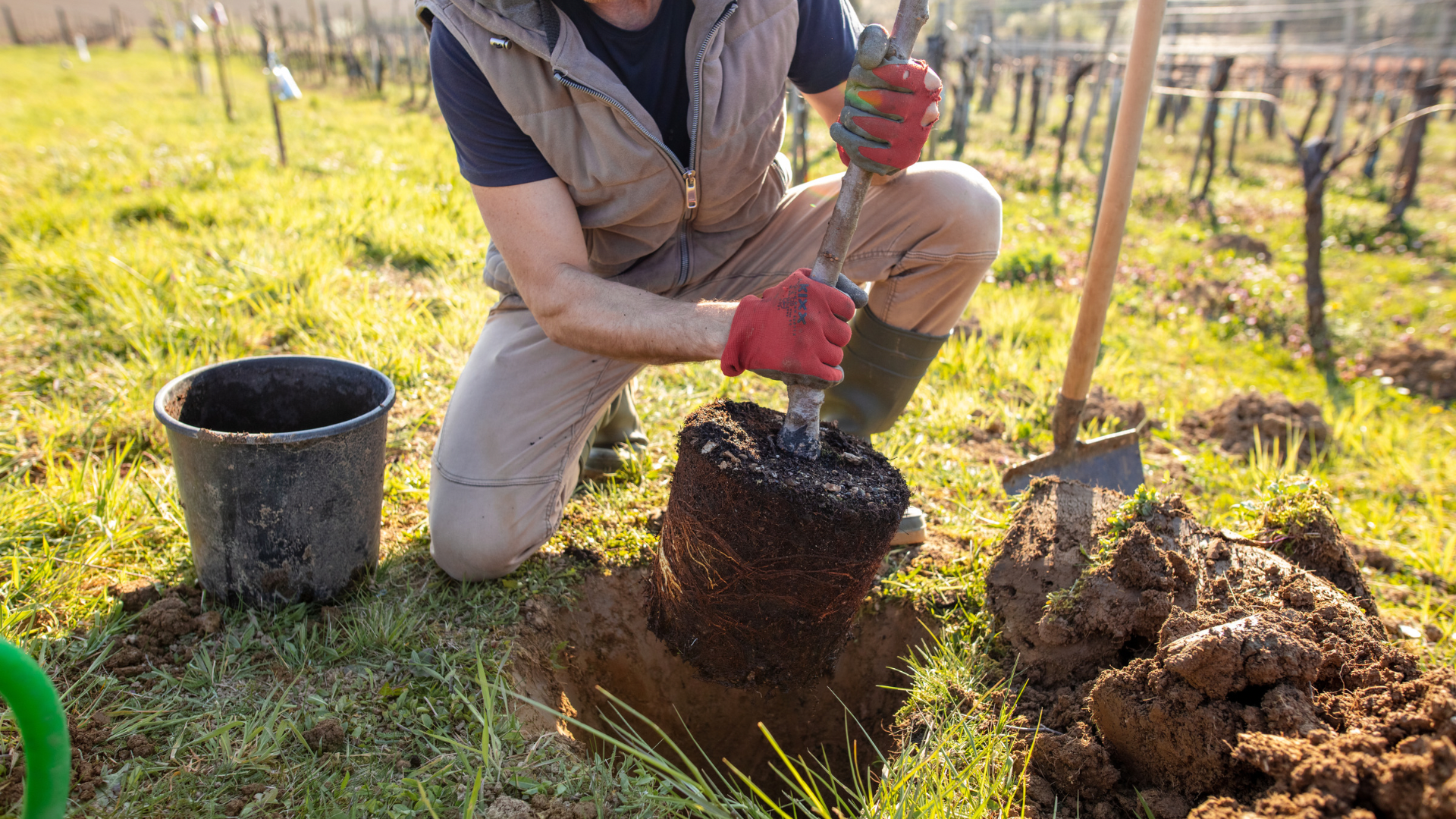 How to Give New Trees and Shrubs a Strong Start
Start by digging a planting hole that is wide enough to accommodate the root system without forcing roots into a cramped space. The hole generally needs to be no deeper than the root ball, with the root flare positioned correctly at or slightly above grade.
Once planted, water thoroughly so moisture reaches the entire root zone and settles the soil around the roots. Apply a layer of mulch over the root zone, but keep it pulled away from the trunk or stems—no mulch volcanoes required. Continue checking soil moisture throughout fall, especially during dry stretches, and keep watering as needed until the ground freezes.
Planting for the Future
Whether your goal is shade over a patio, privacy along a property line, brilliant fall color, or a more lively and diverse landscape, thoughtful fall planting of trees and shrubs can help you build toward that future. Glenside and Montgomery County homeowners can make their fall planting plans even easier by visiting Primex Garden Center with photos, measurements, and details about the planting area so knowledgeable staff can help select trees and shrubs suited to the property.