The Benefits of Fall Planting
September 6, 2024
Fall is not only a time of extraordinary beauty; it’s one of the best times to plant new trees, shrubs, and perennials in the garden. Similar to spring’s milder conditions but with the added benefit of warmer soil makes fall an optimal time for planting. In this guide, we’ll explain why you should fall in love with fall planting and give you a few handy tips and tricks to ensure your new plants thrive throughout the coming winter!
The Science of Plant Dormancy: Understanding Nature’s Cycles
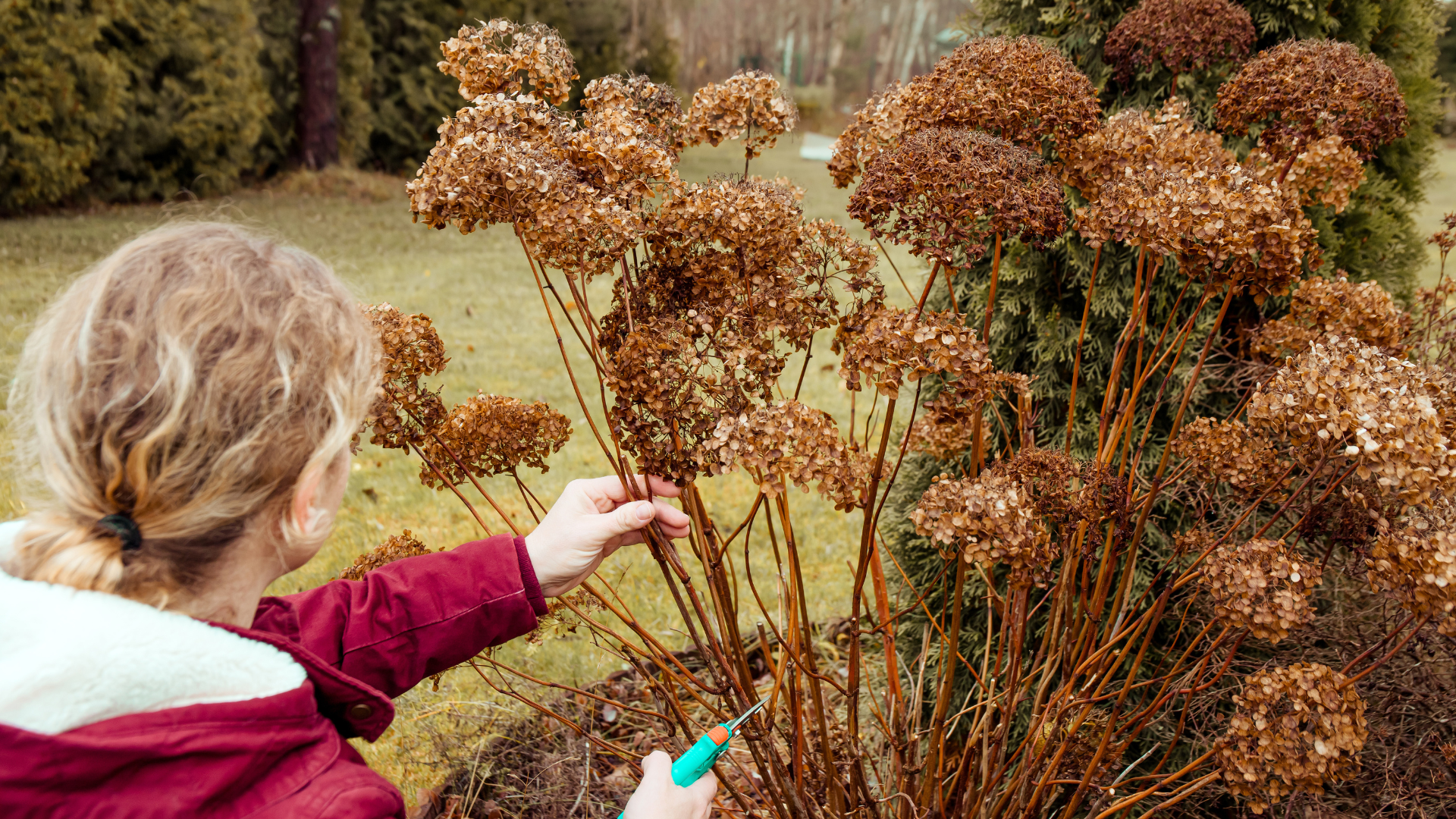
Understanding plant dormancy is key to appreciating the benefits of fall planting. As temperatures drop and daylight hours decrease, many plants begin to enter a dormant state: a kind of hibernation where their growth slows down, conserving their energy. During this partial slumber, as they progress to shutting down through winter, the plants focus on root growth rather than spending energy on foliage or flowers.
When you plant in the fall, you’re taking advantage of this natural cycle, giving your plants the best chance to establish a strong foundation before the growing season kicks in. By the time spring arrives, your plants will be ready to burst forth with new growth, supported by the roots they developed during their winter slumber.

Why Fall is the Perfect Planting Season
As the crisp air of autumn sweeps in, it’s time to hang on to your shovels and let the cool air inspire your visions for next spring. Here’s why you should take advantage of fall’s excellent planting conditions this year!
- Cooler Temperatures
Fall is synonymous with sublimely cool temperatures. Unlike the sweltering heat of summer, which can be a stressor for new plants, fall’s milder climate sets them up to thrive. With autumn in the air, plants can focus on root growth without the added stress of intense heat. The cool air slows the rate of photosynthesis, which means plants use less energy for leaf production and focuses the rest on rooting down deep for winter. As a result, by the time spring arrives, your fall garden plants will be ready to burst into life with a robust root system already in place.
- Warm Autumn Soil
Even though the air is cooler, the fall soil still has much of summer’s warmth trapped within it. This warm soil is crucial for root growth, as it provides an ideal setting for roots to spread and strengthen before the winter freeze. Unlike spring, when soil is just warming up, fall offers a consistent warmth that encourages faster and more extensive root growth. This head start is what gives fall-planted trees, shrubs, and perennials a significant advantage over those planted in the spring.
- An Extra Growing Season
Instead of waiting until next spring to plant and then hoping for favorable conditions, fall planting gives your plants extra time to establish themselves well before the stress of the summer heat. By the time next April rolls around, your plants will have already settled in, giving them a double dose of growing opportunities. This extra time is particularly beneficial for trees and shrubs, which use the autumn to develop strong root systems that support healthy, vigorous growth in the spring.
- Fewer Problematic Pests
Another perk of fall planting is the reduced pressure from weeds and pests. As the days shorten and temperatures drop, many weeds and garden pests become less active or even disappear entirely, meaning less competition for your new plants and a lower risk of pest-related damage. With fewer pests to worry about and less competition from weeds, your fall garden plants will flourish without the usual threats that come with the spring growing season.
- Blooms in the First Spring
If you plant in the spring, you risk interrupting your new plants’ bloom time and going through a season without flowers or fruit. When you plant in the fall, your plants will wake up from dormancy next spring right on schedule and sail through their first growing year without interruption. This means increasing your chance of having blossoms and fruit in the first year.
How to Do Fall Planting Right
Planting in the fall isn’t just about sticking plants in the earth and hoping for the best. To ensure success, here are a few best practices to keep in mind:
- Best Timing for Fall Planting
Aim to plant during the earlier part of the fall, ideally between late September and early October. This timing is ideal for fall planting in Glenside, PA, as it gives your plants plenty of time to establish their roots before the ground freezes.
- Water Thoroughly and Water Again
Next, be sure to water your new plantings as they progress to shutting down through winter, the plants focus on Even though the weather is cooler, young plants still need plenty of moisture to develop strong roots. The amount of water varies with each species, but we generally recommend watering deeply every other day for the first week or two, and then reduce waterings as the season progresses to prepare your new plant for the winter.
- The Wonders of Mulching
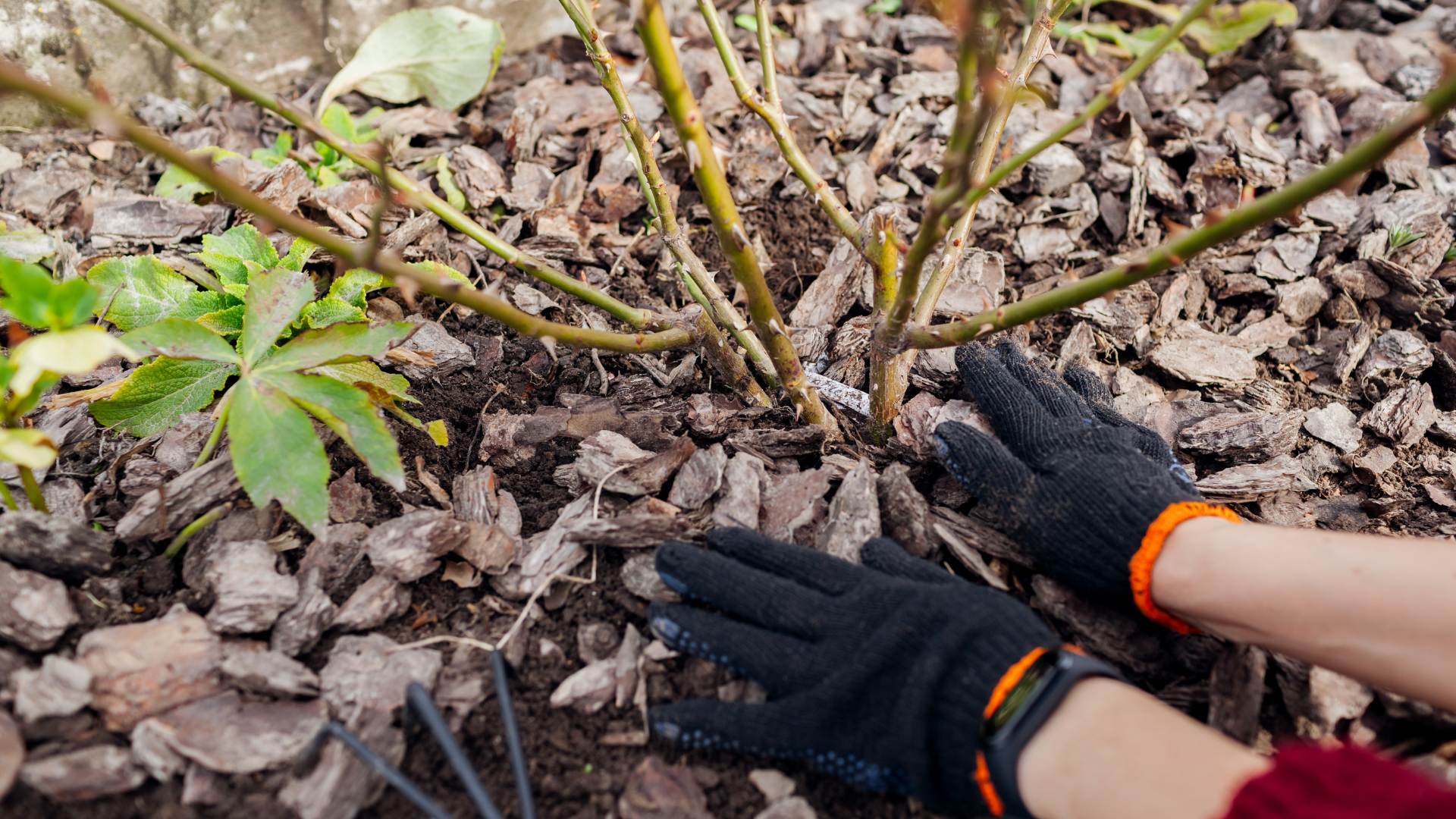
After planting, apply a generous layer of mulch around the base of your plants. Mulch helps retain soil moisture, suppresses weeds, and provides insulation to protect your plants’ roots from temperature fluctuations. As you prepare your garden for fall, you might be asking, “can I leave leaves in the garden,” since they can provide essential nutrients and create a natural mulch for your newly planted trees and shrubs.
- Check Them Regularly
Don’t forget to check on your plants regularly. Fall weather can be unpredictable, so it’s important to make sure your plants have enough water, especially if the season turns out to be hotter or drier than expected.
Preparing Your New Plantings for Winter
As fall winds down and winter approaches, proper garden preparation is essential for ensuring your new plantings survive the cold months ahead. Here are a few tips and tricks to help you out:
- Mulching: One of the simplest yet most effective fall gardening tips is to apply an extra layer of mulch around the base of your plants. Beneficial for both established and new plants, this additional insulation helps protect their roots from winter desiccation and temperature fluctuations during freeze/thaw cycles.
- Wrapping: For tender or young trees and shrubs, you can consider wrapping their trunks with burlap or a tree wrap to protect them from harsh winds and sunscald, a condition where the bark cracks due to fluctuating temperatures. Additionally, use protective barriers like wire cages or netting to shield your plants from hungry animals looking for a winter snack.
- Hardy Plants: When choosing the best fall plants for your garden, look for hardy species that are well-suited to our local climate. Plants that are native to Pennsylvania and are proven to withstand our winter conditions have the best chance of thriving. Come into Primex Garden Center to ask the experts for tried and true hardy plant recommendations!
Falling in Love with Fall Planting
Warm soil, cool air, fewer pests, an extra growing season, and a long period of root growth are just a few reasons why you and your plants should fall in love with fall planting. All of these conditions combined reduce stress on your new plants, giving your leafy friends a greater beginning to the next stage of their lives. If you’re looking to pick out a few new fall garden plants for your Glenside landscape, feel free to visit our local garden center and watch your efforts bloom next spring!