The Best Shrubs for Four-Season Beauty
April 27, 2026
Four-season shrubs are the secret to a garden that never loses its charm. A thoughtfully chosen shrub border can glow with spring fragrance, shimmer with summer foliage, blaze in autumn color, and brighten winter with berries and vivid stems. With shrubs for every season, the landscape becomes a living tapestry that changes beautifully month to month.
What is the Role of Shrubs in a Landscape?
- In a natural forest, shrubs form an important middle layer between towering trees and woodland floor plants, creating shelter, food, and nesting spaces for wildlife. Pennsylvania native shrubs such as viburnum, winterberry, and dogwood support pollinators, feed songbirds, nourish deer, and protect soil from erosion with their spreading roots. They are the graceful connectors that tie the whole ecosystem together.
- In gardens and parks, shrubs bring balance and structure by shaping pathways, framing views, and softening the edges between lawns and flower beds. They offer fragrant blooms, berries, privacy screens, and dependable habitat for birds such as chickadees, catbirds, house wrens, and northern cardinals in the greater Philadelphia area. Landscapes in Glenside, PA, are at their best when shrubs are layered for value throughout the four seasons. Let’s take a look at seasonal choices!
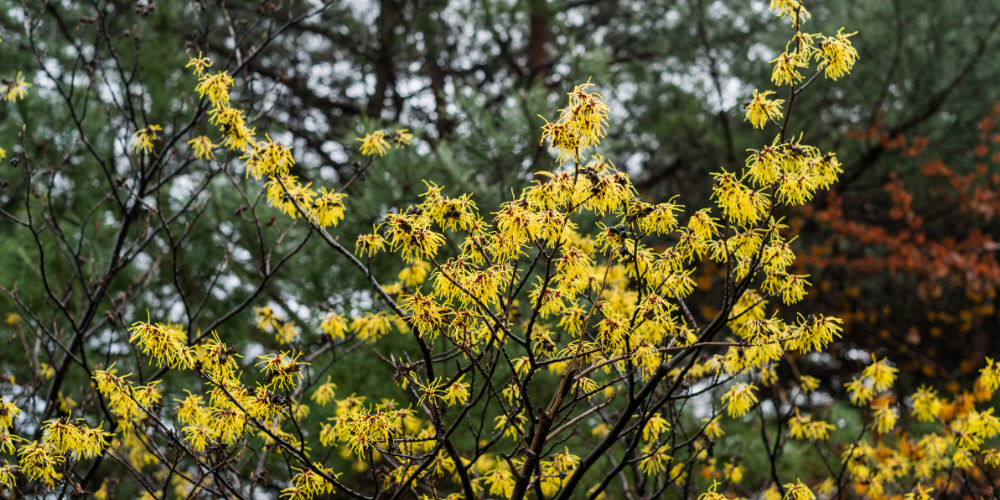
Spring Shrubs and Early Season Standouts
Spring shrubs bring the first bright notes of the gardening year, filling our neighborhoods with fragrance, texture, and new color just when the earth is waking up. These early performers are lovely near walkways, front doors, and garden gates, where their blooms and scent can be enjoyed up close.
- Fothergilla greets spring with soft, bottlebrush flowers that appear before the leaves fully emerge, giving branches a cloudlike, airy look. The blooms carry a honey fragrance, and the blue-green leaves that follow create a cooling presence in the garden.
- Witch Hazel blooms in late winter to early spring with ribbon-shaped flowers of yellow, orange, or copper. These delicate blossoms cling to bare branches like tiny streamers, creating a magical effect when little else is flowering outdoors.
Placing these shrubs near entryways or along garden paths allows their fragrance and fine details to become part of everyday moments. Their early blooms make the garden feel welcoming long before other plants begin to stir. By choosing the right mix of four season shrubs, you can keep your landscape visually interesting with color, texture, and structure no matter the time of year.
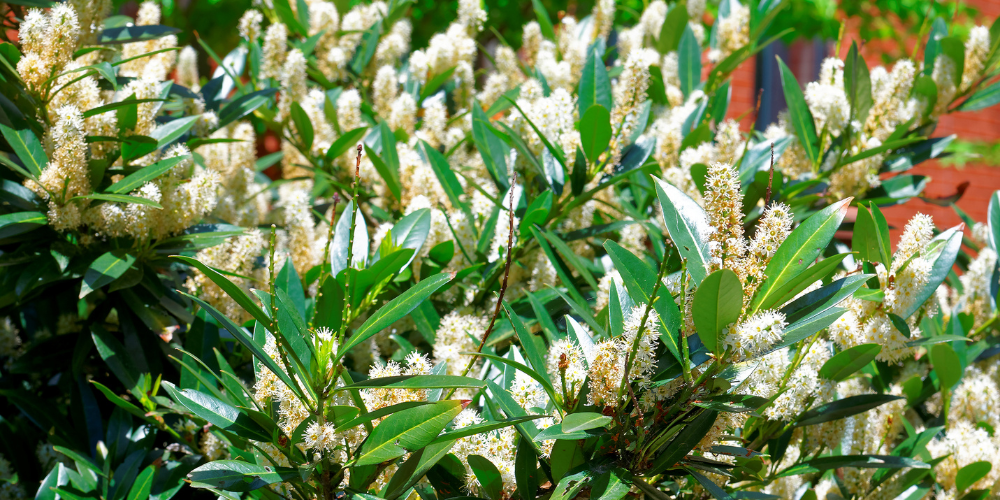
Summer Interest to Continue after the Spring
Summer beauty in the garden often comes from shrubs that hold their shape gracefully while adding flowers, fragrance, and rich green texture. These reliable bloomers bring steady charm through the long days and attract pollinators with ease.
- Clethra (Summersweet) yields upright spikes of fragrant white or pink blooms that perfume the summer with a sweet, spicy scent. Bees, butterflies, and other pollinators flock to these flowers, making this shrub full of life on sunny afternoons.
- Itea (Sweetspire) carries arching stems lined with elegant green leaves and dangling clusters of tiny white flowers that sway gently in summer breezes. The naturally graceful form makes it especially beautiful along borders, woodland edges, and near patios where it can be admired.
Both shrubs are easy to weave into home landscapes because they ask for so little while giving so much visual softness. Their relaxed forms keep summer gardens lush and inviting, providing low-maintenance curb appeal without ever feeling fussy.
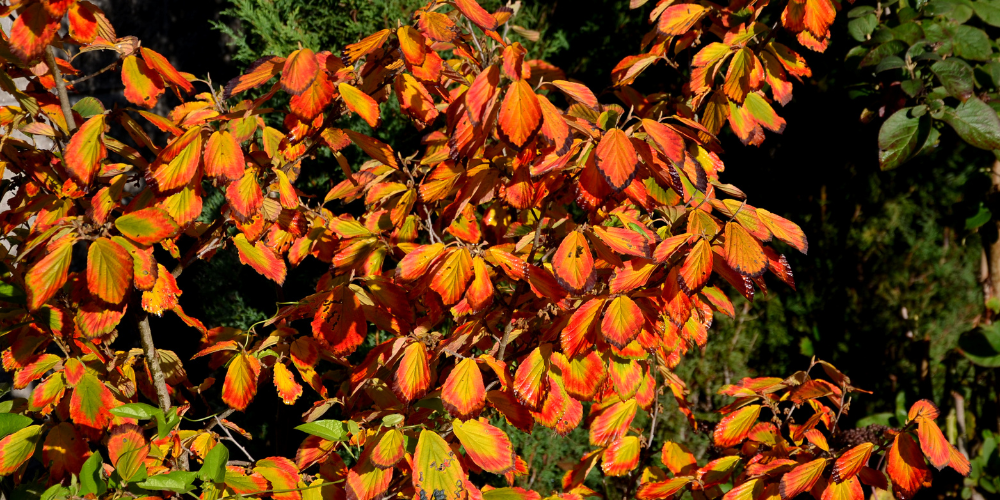
Fall Color That Rivals Any Tree
Autumn is when shrubs often surprise gardeners most, turning into fountains of color that rival even the grandest shade trees. A layered planting of fall shrubs creates depth, warmth, and seasonal richness across the landscape.
- Fothergilla, in the fall, transforms into a dazzling blend of orange, scarlet, gold, and burgundy, often showing several shades on a single plant. Its compact form makes these dramatic colors feel like concentrated jewels in the garden border.
- Native Viburnum brings rich crimson, maroon, and wine-red foliage to fall landscapes, often paired with ornamental berries that persist into cooler weather. These berries also provide food for birds, adding movement and wildlife interest to autumn scenes.
- Itea (Sweetspire) turns a vivid crimson-red in fall, and its leaves often remain colorful long after many other shrubs have faded. This lingering brilliance stretches the autumn display well into the late season, making it a valuable anchor for fall planting schemes.
For the fullest effect, place taller viburnums behind mid-sized fothergilla and lower drifts of itea in front. These layers create a glowing tapestry of color that feels abundant and natural.
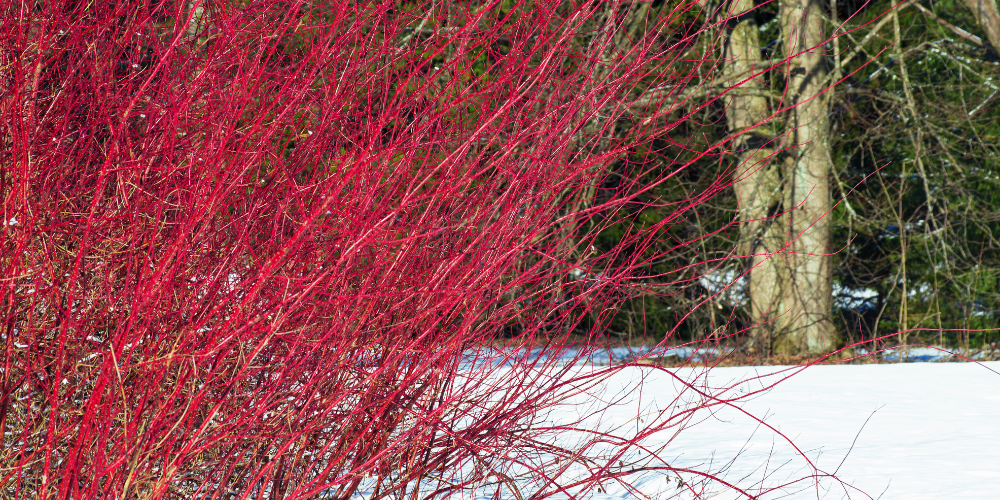
Winter Interest That Actually Stands Out
Winter landscapes become far more memorable when shrubs are chosen for stem color, berries, and strong branch structure. These shrubs bring brightness to snowy days and create striking scenes even when flowers are months away.
- Red-Twig Dogwood glows in vivid scarlet tones during winter, with stems that become brightest after leaves have dropped. Against snow, evergreen backdrops, or pale winter skies, its branches create bold color that instantly catches the eye.
- Yellow-Twig Dogwood offers the same graceful branching habit, but in glowing golden-yellow tones that bring warmth to cold-weather gardens. Its bright stems shine beautifully when planted beside darker evergreens or mixed with red-twig varieties for contrast.
- Winterberry (Ilex verticillata) covers bare branches with brilliant red berries that remain long after leaves have fallen, creating a festive effect. These berries brighten the landscape through much of winter and attract birds such as cedar waxwings and robins.
- Conifers provide the steady backbone of the winter garden, holding their rich green, blue, or silvery needles when deciduous shrubs have gone bare. Their dense forms add structure, shelter small birds during storms, and create a backdrop that makes colorful stems and berries stand out even more vividly.
Together, these shrubs make winter landscapes feel vibrant rather than quiet. A thoughtful mix of berry-laden branches, colorful stems, and conifers ensures the garden remains lively even in the winter-worn months. Before planting even begins, taking time to plan your layout and choose the right plants, including reliable four season shrubs, can make the entire growing season easier and more visually rewarding.
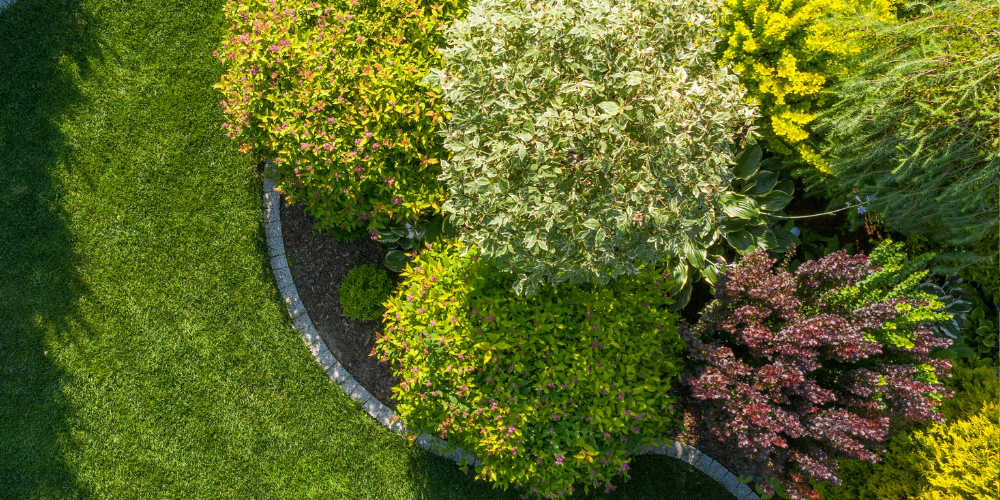
How to Combine These Shrubs for Year-Round Interest
A simple planting plan makes it easy to create a landscape that feels complete in every season.
- Begin with one or two structural evergreens, such as compact conifers, to anchor the design and provide dependable winter form.
- Then add two or three seasonal highlight shrubs like fothergilla, winterberry, and clethra for changing beauty across the seasons.
- Layer plants by mature height and spread so each shrub has room to develop its natural shape. Taller shrubs belong toward the back of borders, medium growers in the middle, and spreading forms near edges where they can soften pathways.
This thoughtful layering creates rhythm, depth, and a garden composition that feels balanced.
Common Mistakes to Avoid
One common mistake is choosing shrubs only for spring flowers, leaving the garden without drama later in the year. A border filled only with spring bloomers may look lovely in April, yet feel visually quiet in autumn and winter. Including shrubs with berries, colorful stems, or fall foliage ensures every season has something to celebrate.
Another missed opportunity comes from overcrowding plants or ignoring mature size when planting. Shrubs grow most beautifully when given space to reach their natural form, and matching each one to the right sun and soil conditions helps them thrive gracefully. Thoughtful spacing and placement allow every branch, berry, and leaf to shine.
More than Simple Shrubs: A Seasonal Story
A well-chosen collection of four-season shrubs transforms an ordinary yard into a landscape that feels alive in every month. By blending blooms, foliage, berries, stem color, and evergreen form, shrubs create gardens that stay welcoming and expressive long after summer flowers fade. Come see these shrubs at Primex Garden Center and turn your garden into a year-round story of unfolding life and beauty.