Where Bounty Meets Beauty: The Essentials of ‘Edimental’ Gardening
April 22, 2024
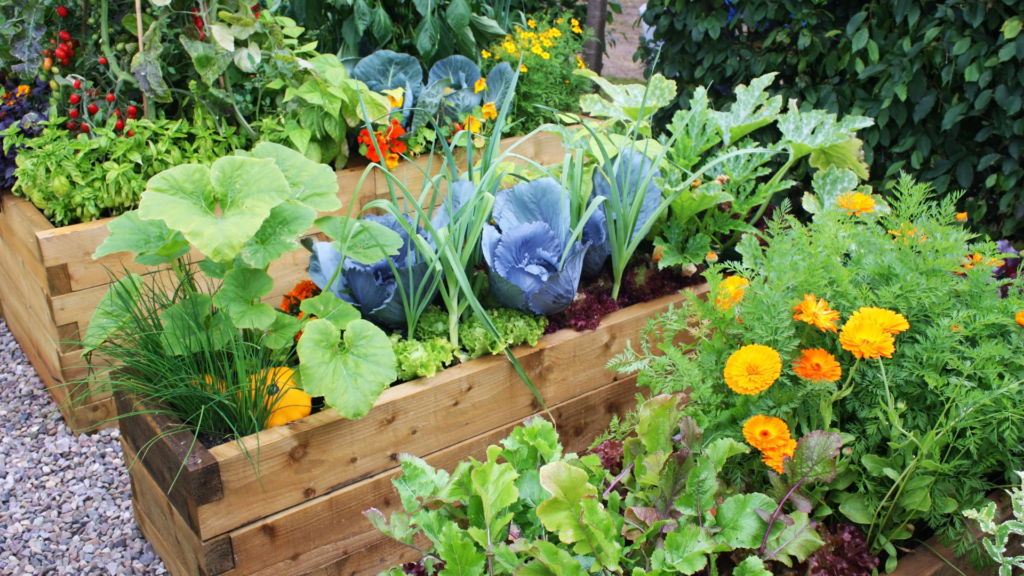
Edimental gardens combine the beauty of ornamentals and the culinary value of vegetables into a single, sense-stimulating space.
Here’s how to grow your own!
Imagine cultivating a space where perennial beauty blends effortlessly with edible greens and herbs: that is the essence of an ‘edimental’ garden. This emerging gardening technique breaks down the boundaries between flowers and food to create gardens that nourish both body and soul. If you want to have your flowers and eat them, too, let’s dig into the many wonders of edimental gardens and learn how to grow your own this spring!
Understanding Edimental Gardens
‘Edimental gardening’ merges traditional food crops with ornamentals in the same beds, welcoming the unappreciated beauty of vegetables like kale and rainbow chard alongside your favorite perennials. It also encourages you to consider the edible potential of common ornamentals, like daylilies, ferns, and hostas, and add them to your menu. More ambitious growers will also explore the edimental potential of various shrubs, trees, and ground covers. No matter your approach, though, the end result is a garden that maximizes your space and uses your plants in more creative, multipurpose ways. An edimental garden is a place where every corner is a feast for the senses.

Discovering the Potential of Edimental Plants
The great thing about growing an edimental garden is that your plant options are truly limitless! Here are four key plant categories you should include in your edimental garden this spring, along with a few of our favorite recommendations:
- Aesthetic Vegetables
The stars of the edimental garden are vegetables that are as beautiful as they are tasty. Vibrant nasturtiums cascading over garden edges, rainbow chard flaunting its leaves like a botanic peacock, and globe artichokes standing tall like regal sentinels all add a unique beauty to your space that often goes overlooked in traditional vegetable gardens. However, the magic doesn’t stop there: French beans gracefully adorn your trellises, radicchio complement your perennials with their vibrant red hearts, and tomatoes add stunning pops of red to your flower bed. Some of our other edimental favorites include onions, garlic, Brussels sprouts, and asparagus, but pretty much any vegetable can bring beauty to your garden. Mix in some of your favorite veggie varieties amongst your flowers to create a space that’s uniquely yours!
- Edible Perennials
While homegrown vegetables are undeniably tasty, they aren’t the only culinary delights that edimental gardens have to offer; many of our favorite perennials make unappreciated yet delicious additions to your dinner plate. Try cooking up a side of hosta spring shoots or frying up a satisfying snack of unopened daylily flower buds. Some fern varieties can also be eaten as fiddleheads in the spring, such as the native ostrich fern, while calendula, rosehip, and echinacea can all be steeped into incredibly soothing herbal teas. Experiment as well with wild ramps or wild strawberries—both Pennsylvania natives—or enjoy the sunflower-like flowers and edible tubers of sunchokes: the possibilities are truly endless!
You’d be surprised at how many common perennials have edible parts. Do your research, learn how to cook them, and experiment with these unique flavors!

- Fragrant Edible Herbs
Like vegetables, fragrant herbs also make stunningly stylish additions to your edimental garden. Thyme, marjoram, and oregano can all serve as tasty ground covers, while sage and lavender feature beautiful leaves and flowers of their own. Dill fills your garden beds with a delightful perfume, while lovage dots your space with delicate leafy bundles of green. These herbs add spice and delicate flavor to your food, bathe your garden in scent, and also attract pollinators, making them must-haves for any Pennsylvania edimental garden.
- Edimental shrubs and Trees
Shrubs and trees add another dimension to your edimental garden by taking advantage of your growing space’s upper stories and canopy. They offer as many nuts and berries as you can imagine, like currants, gooseberries, raspberries, blueberries, serviceberries, hazelnuts, hickory, pawpaws, apples, pears, cherries, and so many others, all while adding their leafy, flowery beauty to your garden design.
Integrating Edible Plants into Your Garden Design
Now that we’ve amassed our edimental ensemble, it’s time to get them in the ground. Here are a few sustainable landscaping tips and techniques to help you bring your edimental garden to life!
Mix Ornamentals with Edibles
The whole point of edimental gardens is to combine ornamentals with edible plants to create a single, multipurpose space. Thankfully, you don’t have to be a master gardener to do this; the key is to look for vacant spots in your perennial garden where you can fit in vegetables or herbs. Note that your garden’s space will change throughout the season; for example, you may have more room for cool season crops in early spring before your perennials fully fill out.

Use Vertical Gardening
Many vegetables love to climb, making them perfect candidates for you to expand your edible garden design upwards. Peas, cucumbers, squash, climbing beans, nasturtiums, and indeterminate tomatoes are all great options for vertical edimental gardening.
Plant in Multiple Stories
Like in a natural forest, the most amazing gardens take advantage of the ‘stories’—or different growing levels—in a landscape. These levels include:
- The root layer (e.g., carrots, beets, onions, and potatoes)
- The ground cover layer (e.g., thyme and creeping rosemary)
- The herbaceous layer (e.g., lettuce, kale, strawberries, and chives)
- The shrub layer (e.g., berry shrubs)
- The understory (e.g., small fruit trees and large shrubs)
- The canopy (e.g., large nut, fruit, or shade trees)
Thinking of your garden in layers helps you see all your available space and maximize your edimental growing.
Edible Borders
The spaces at the edge of your garden are often the perfect places to grow interesting edimental plants. Fill in the space around stepping stones with ground covers, like thyme or creeping rosemary, or edge the borders of your pathways with multicolored lettuce and chard.
Water Wise Layout
When planting your ornamental plants, it’s helpful to place them alongside neighbors with similar water and microclimate needs. For example, place your thirsty tomatoes near other water-loving perennials and plant your Mediterranean herbs alongside similar dry-loving plants.
Container Gardening
Containers offer another venue to showcase edimental plants throughout your landscape, and are especially useful for people with limited growing space. Try designing your own edimental planters by mixing cherry tomatoes and trailing herbs like oregano or parsley with some of your favorite flowering beauties.
And don’t forget, you can also enjoy fresh herbs throughout the winter by growing them indoors in an herb garden. This will supplement your outdoor herb garden during the colder months.
Functional Layout
Remember to plant with future harvesting and maintenance needs in mind. For example, it’s better to plant herbs near the kitchen for easy access while cooking, while crops that need frequent watering will be easiest to care for if planted near a water source. Keeping these functional tips in mind will save you time and effort later on.
Whether you’re a seasoned gardener or just dipping your toes into the soil, an edimental garden lets you embrace the full beauty and bounty of your space and your plants. For more tips on edimental gardening in Glenside, don’t hesitate to visit our local independent garden center!