Spring Into Gardening with These Top Tasks for Pennsylvania
March 11, 2024
As the grass sends up new shoots and insects are reborn, March is the time for Pennsylvania gardeners to awaken from their winter slumbers.
The budding trees and songbirds welcome us back into our garden beds, where we can sink our fingers into the earth once more. However, before we can fully enjoy a fruitful spring, there are a few key tasks we need to take care of first, including weeding, seeding, and prepping our soil. Here’s how to kickstart your spring gardening for bountiful growing all season long!
Assess any Winter Damage
Before we rev up the tiller, the first step is to go out and greet your plants again. With their branches still bare, take the time to assess them for any winter damage, like frost heaving, broken branches, eroded soil, or deer browsing. Make a note and address any damage as needed.
Plan Your Garden
After you greet your garden, it’s time to formulate a plan. Even a simple one can help your garden burst this year with an abundance of flowers, vegetables, and local wildlife. Dust off your garden journal to remind you of last year’s successes and failures, and stop by to visit us at the garden center for fresh inspiration. Draft a rough layout and garden map, including successive harvests, to ensure you have fresh produce from April until November.

Care for Beneficial Insects
Before you rush out to rake up your leaves, pause to consider the hibernating insects in your garden. After all, you don’t want to accidentally remove the ladybugs, lacewings, butterflies, and bees that have made their winter quarters in your leaf litter. Before you proceed with your clean-up, wait until you see these essential insects in your yard, particularly ladybugs and bees.
Prepare Your Soil
Once the ground has dried and the ladybugs are awake, it’s time to start preparing your soil for all the planting to come. Start by removing any debris or weeds that have accumulated over the winter months, and mix in some compost or aged manure to improve soil structure and fertility. If you want to really give your soil some love, take a soil test and amend any deficiencies as needed.
Prune Your Shrubs and Small Trees
With new leaves still waiting in their buds, March is an ideal time to prune your trees and shrubs. Focus on removing dead, damaged, diseased, crossing, and overcrowded branches, and use clean, sharp pruners and make cuts that improve the structure and beauty of your plants. Keep in mind that fruit trees and berry shrubs often need specific pruning methods to maximize productivity, and remember to avoid pruning spring-flowering shrubs such as forsythia, rhododendron, and lilac, which already set their flower buds last summer, and will be blooming shortly.
Divide Your Perennials
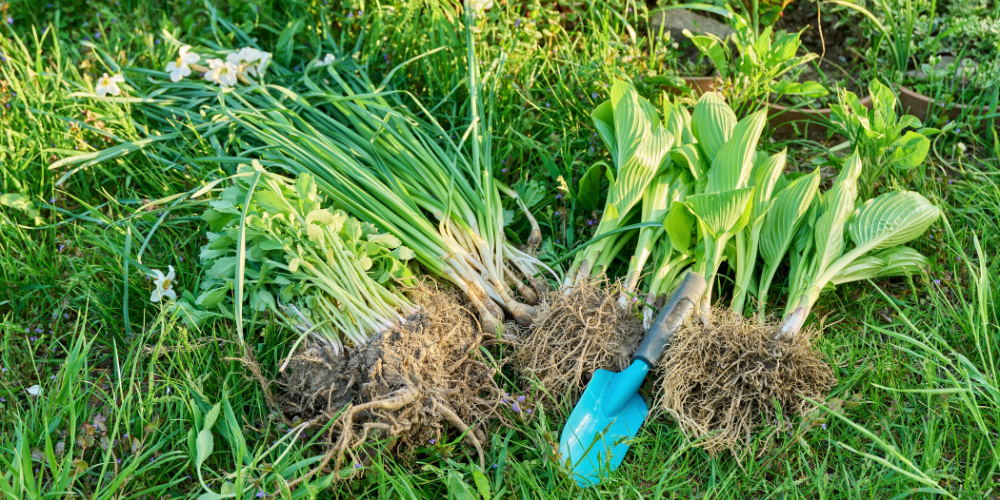
The best time to divide your perennials is before they’ve even awoken from their winter slumber. Divide any plants that have grown too crowded or experienced crown dieback last season by simply digging them up. Carefully separate their root ball into smaller sections, and either replant your divisions in new locations or share them with your neighbors, friends, and family.
Tend to Your Bulbs and Early Bloomers
If you had the foresight to plant your bulbs last fall, now’s the time to pat yourself on the back! As your tulips, daffodils, and crocuses start to emerge, remember to check up on them and ensure they’re not impeded by weeds or debris. For additional support, provide them with a layer of mulch to conserve moisture and suppress weeds.
Start Your Seeds Indoors
Even though we’re still waiting out the last frost of winter, you can still kickstart your veggie plot by seeding warm-season crops like tomatoes, peppers, squash, melons, and eggplants indoors. Set up a dedicated space with adequate light and warmth, such as a sunny windowsill, and use seed starting trays or containers filled with a seed starting soil mix. Keep the soil consistently moist but not waterlogged, and watch eagerly as your seedlings emerge!
Seed Your Cool-Season Crops Outside
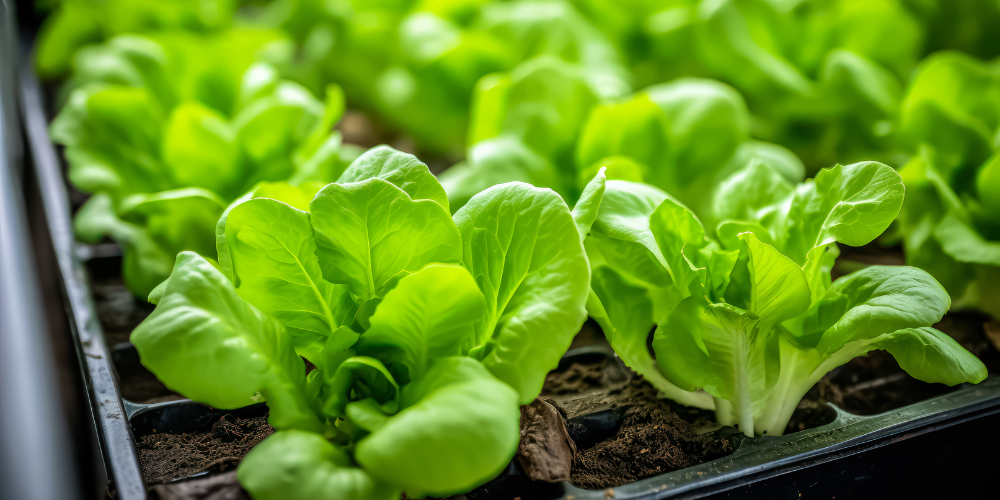
Even as winter’s chill continues to visit our gardens, we can still begin planting many vegetables outside, like kale, arugula, radishes, spinach, peas, lettuce, and onions. These veggie staples can be seeded in the last weeks of March for an extra kickstart to your season; by the time the last frost passes, you’ll already be harvesting baby greens for a hearty garden-fresh salad!
Plant New Trees and Shrubs
The magical window between the ground thawing and the budding of the first leaves of spring is the perfect time to plant new trees and shrubs in your landscape. Plant them while they’re still dormant, and they’ll enjoy an entire season of uninterrupted growth. Plus, the cool, rainy weather of Pennsylvania’s spring is ideal for new tree and shrub plantings.
Cut Back Last Year’s Vegetation
Once you’ve ensured any hibernating wildlife in your garden has awoken, you can safely begin cutting back dead leaves on your perennials, along with any dead stalks on your ornamental grasses. Just remember to keep an eye open for any cocoons or chrysalis, which are butterflies in waiting. Butterflies in your garden are precious gifts, as valuable as any flower, and are clear signs of your garden’s abundance. If you see one, let it remain intact as the new growth rises around it.
Clean and Maintain Your Tools
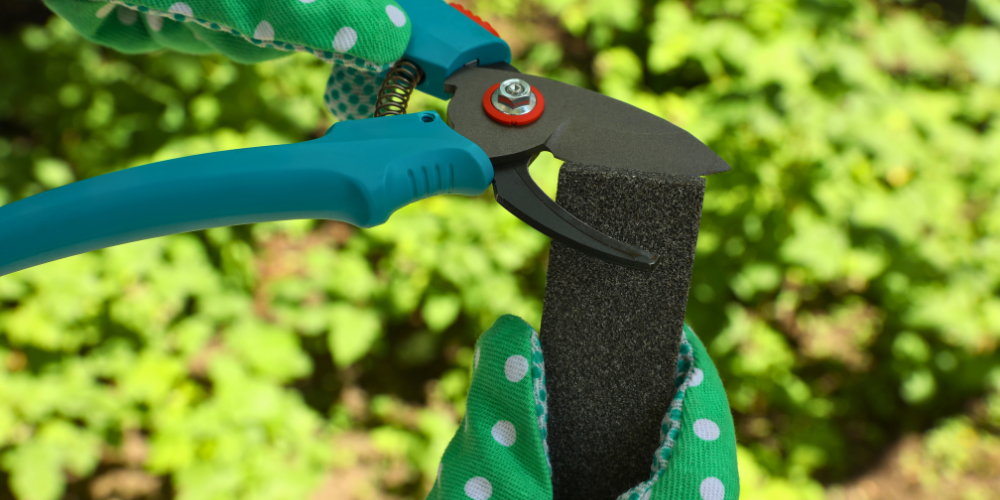
Before the gardening season kicks into high gear, take some time to clean and maintain your tools. Sharpen your blades, oil your hinges, and replace any worn or broken parts. You should also clean your gardening gloves and disinfect your pruners to prevent spreading disease between your plants. Properly cared-for tools will make your gardening tasks easier and more enjoyable throughout the upcoming growing season.
Savor the Time of Blooming
Every season in the garden has its beauty, but the early spring is especially wondrous. Bask in the first rainfalls of the year, breathe in the first breaths of the trees as they open their leaves, savor the scent of the first flowers, and enjoy your garden’s transformation as your plants start to grow again.
For more tips on kickstarting your spring gardening, feel free to visit our family-owned garden center in Glenside, PA!