Spring Pruning Basics for Ornamental Trees and Shrubs
January 30, 2023
With these basic tips, you’ll be well on your way to pruning your ornamental trees and shrubs this spring.
It’s time to start thinking about one of the most important tasks of the early season—pruning! Reshaping, removing dead branches, and stimulating new growth are just a few benefits of this essential spring task. Here’s a guide to the basics of what to prune, when to prune, and how to prune effectively in the spring!
When Should I Start Pruning for Spring?
The late winter or early spring is an ideal time to take care of pruning. It’s best to prune after the hard frosts have passed, but before your plants come out of dormancy. At this time, you have a clear sightline to the interior branches. Plus, your plants can grow into their new shape as they come out of dormancy. Keep in mind, however, that some plants should be left alone, and not pruned at this time, as you’ll see below.

What Should I Prune in the Spring?
When deciding what to prune in the spring, it’s essential to know whether or not the flower buds are already on the branches. As a general rule, you can prune any shrubs in the early spring that haven’t formed their flowers yet. On the other hand, any shrubs that already have flower buds on the branches should not be pruned until after they blossom this season; otherwise, you’ll be removing this year’s flowers. Here’s a quick summary to help you decide:
- Shrubs That Bloom on New Growth: the late winter or early spring is the best time to prune shrubs including roses, spirea, butterfly bush, rose of Sharon, potentillas, crape myrtles, and most, but not all hydrangeas.
- Shrubs that Bloom on Old Growth: wait until these shrubs are done flowering before you prune them—including lilac, forsythia, weigela, mock orange, rhododendrons, viburnums, and azaleas.
- Hedges, Topiaries, and Ornamental Trees: these plants can also be pruned in the spring, with the exception of maples and birches, which should be pruned in the summer or fall to avoid losing too much sap.
What Are the Different Goals for Pruning?
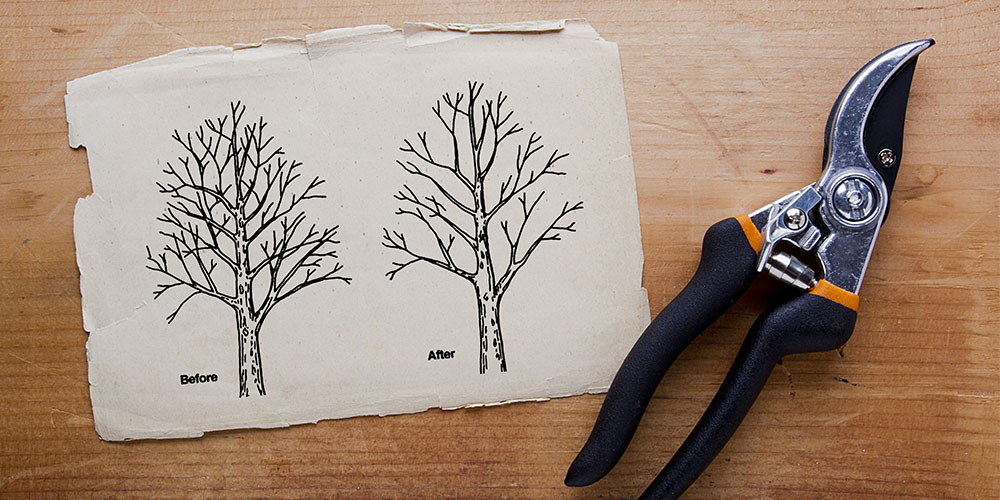
Regular pruning is one of the most important parts of tree care, helping maintain both the health and appearance of your ornamental trees.
- Diseased, Damaged, and Dead Branches: also known as the 3 D’s, all of these branches should be pruned away to remove the risk of any infections. You can prune the D’s from all of your shrubs, whether or not they bloom on old or new growth.
- Criss-crossed Branches: any criss-crossing branches will rub on each other in the wind, eventually wearing away bark and exposing your plant to pests. It’s a good idea to remove them now to avoid future problems and retain a good shape.
- Reducing Size: you can reduce the size of any shrubs or small trees that have grown too big, or are growing onto pathways. As a general rule, don’t remove more than 1/3 of the plant at one time.
- Reshaping: similar to reducing size, reshaping keeps your shrubs, hedges, and small trees in the size and shape that you want them.
- Rejuvenation: some shrubs in your yard may have been neglected, become overgrown, and have many dead or tangled branches. You can rejuvenate these shrubs by clearing away the dead growth, reshaping them, removing unproductive branches, and cutting them back.

What Are Proper Techniques for Pruning?
Before you start chopping away, you want to be mindful to cut plants in the right way, both to encourage them to heal more easily, and promote new growth in the places you want it. Here are a few basic tips to remember:
- Use Sharp Tools: always make sure your hand pruners, sheers, and loppers are sharp before you begin pruning. Sharp tools make your work easier. Plus, your plants heal faster from clean cuts rather than rips and tears.
- Cut Close to the Next Branch Node or Junction: every branch has small bumps, called nodes, where new leaves and branches emerge after you make a cut. When pruning, make cuts close to another node or branch junction. This makes your cuts less visible, helps them blend in with the new growth, and prevents you from leaving lots of woody stubs behind.
- Use Cuts to Direct the Shape of New Growth: whenever you’re reshaping a shrub or tree, you’re not just taking away branches, you’re also setting the direction for future growth. If you want your rose branch to grow outward, make sure you cut above an outward-facing node.

- Cut at a 45 Degree Angle: don’t make your cuts completely flat or too angular. Ideally, make each cut at a 45 degree angle. This is the most aesthetically pleasing way and the easiest angle for your plants to heal.
With these basic tips, you’ll be well on your way to pruning your ornamental trees and shrubs this spring. For any more detailed advice on spring pruning basics, don’t hesitate to visit our garden center in Glenside, PA!