Gold on the Ground: Why Your Garden Needs Its Fallen Leaves
October 18, 2026
Using leaves as mulch is one of the simplest ways to turn a seasonal cleanup chore into an investment in your garden. Fallen leaves can feed soil, protect plants, enrich compost, and create shelter for the small creatures that keep a garden ecosystem thriving. Rather than bagging every leaf, gardeners can give autumn’s abundance a second life.
The Treasure Beneath Your Feet
A carpet of autumn leaves may look like the end of the gardening season, but it is actually the beginning of another natural cycle. Leaves contain organic matter and nutrients that trees have gathered during the growing season, making them one of the most readily available resources in a fall garden.
When gardeners keep leaves on their property and put them to work, they are essentially recycling nutrients within the landscape. Instead of sending bags of leaves away, they can use them to improve soil, protect roots, build compost, and provide habitat for beneficial wildlife.
Why Leaves Are Worth Keeping
Healthy soil is alive, and fallen leaves help support that life. As leaves break down, fungi, bacteria, earthworms, and other decomposers gradually transform them into organic matter that contributes to soil health. During winter, a natural layer of leaves acts like a light blanket, helping buffer the ground against erosion and repeated freezing and thawing, while giving soil organisms an additional source of organic material.
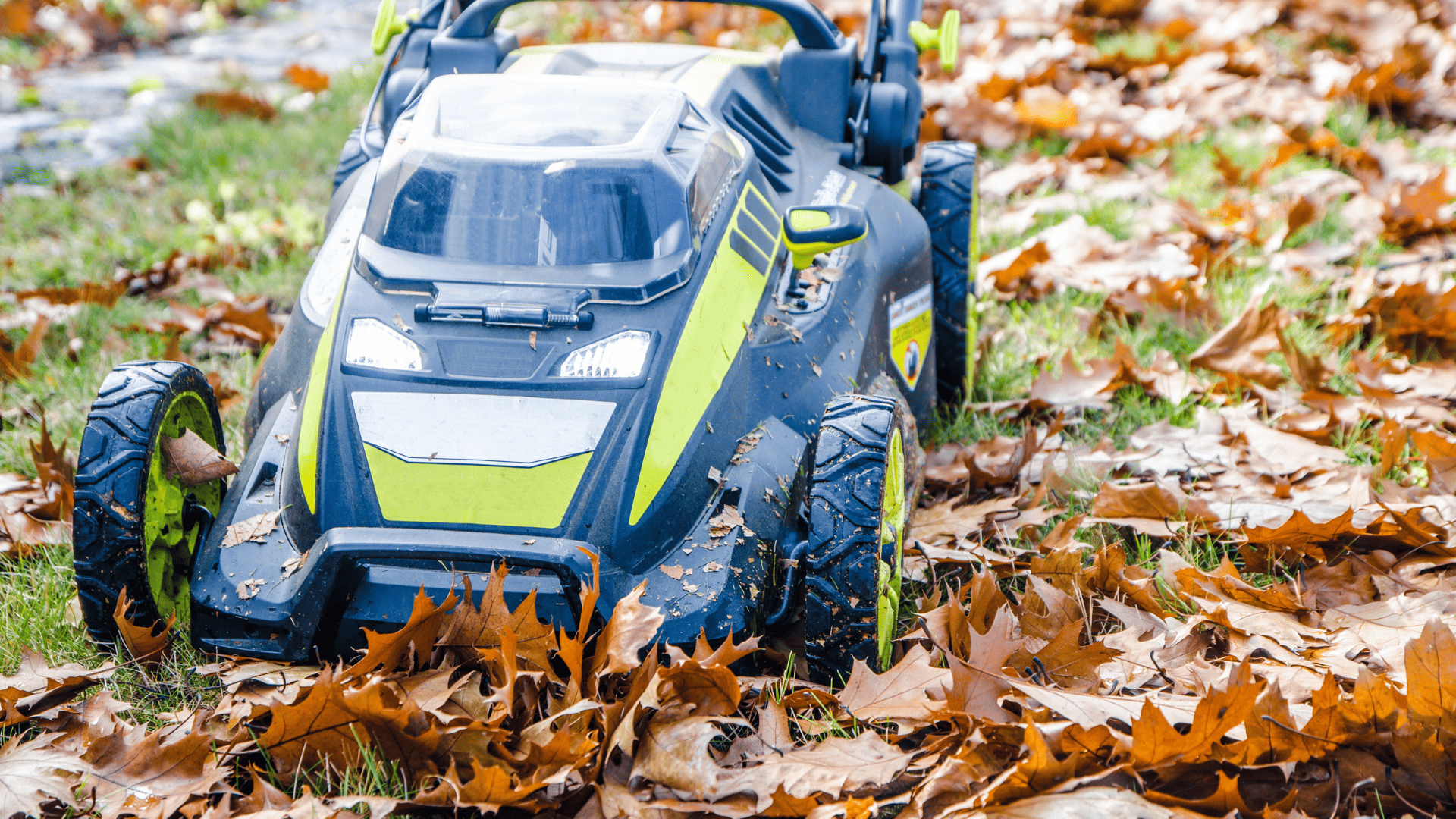
A Golden Blanket for Garden Beds: Shredded leaves
One of the easiest ways to put fallen leaves to work is by turning them into mulch. Whole leaves can become wet and compacted, so shredding them first creates a lighter material that allows better movement of air and water. A lawn mower with a mulching setting can quickly break leaves into smaller pieces. The resulting shredded leaves for mulch can then be spread around perennials, vegetables, and trees and shrubs.
A few inches of loose leaf mulch can help:
- Retain moisture
- Moderate soil temperatures
- Gradually return organic matter to the ground
Just remember to keep the material away from direct contact with tree trunks and plant crowns, where excessive moisture can cause problems.
The Vegetable Garden’s Autumn Ally
The vegetable garden can benefit greatly from fallen leaves, especially once summer crops have been harvested. Rather than leaving beds completely bare over winter, gardeners can spread shredded leaves across exposed soil.
This layer helps protect the soil surface from wind and rain while adding organic matter as it decomposes. In spring, remaining leaf material can be raked aside for planting or incorporated into the soil if it has partially broken down.
A Winter Hideaway for Helpful Insects
A garden is home to far more life than we see during the growing season. Fallen leaves create shelter for many insects and other small organisms, making leaf litter an important piece of the garden ecosystem.
Bees are one example. Some native bees spend part of their life cycle in the soil or beneath natural debris. Removing every bit of leaf litter can disturb the sheltered places these insects depend upon.
Ladybugs and other beneficial insects can also use protected spaces beneath leaves to escape harsh weather. These small garden residents are valuable because many beneficial insects help control pest populations, like aphids, next year.
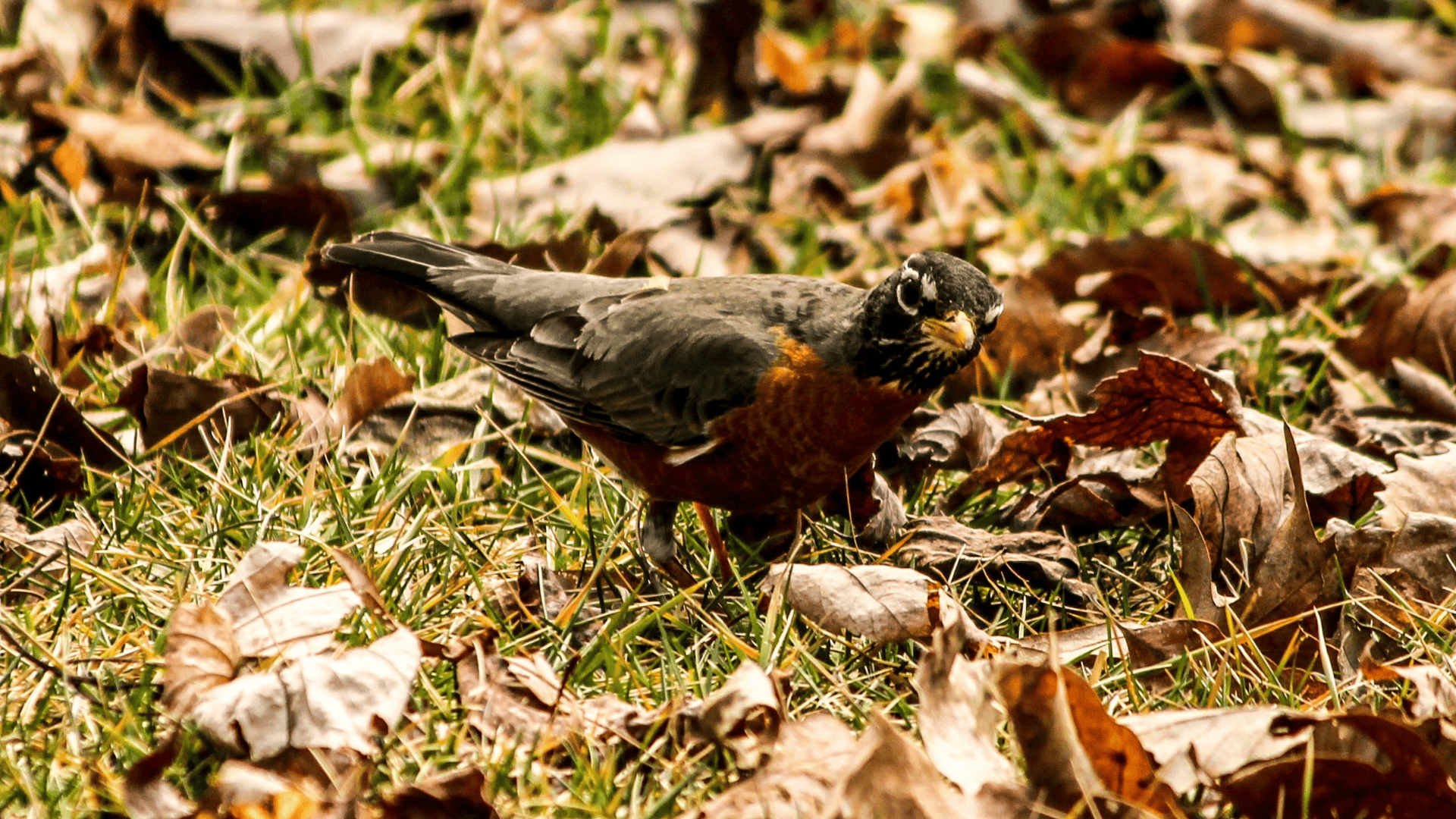
Where Insects Thrive, Birds Follow
The story does not end with insects. Birds are connected to the same garden food web, and many species depend heavily on insects, especially when feeding their young. Leaf litter can create habitat for insects that birds forage for among garden beds, beneath shrubs, and around trees.
A garden that supports insects can therefore indirectly support birds as well. This is one reason a perfectly spotless landscape is not always the most wildlife-friendly landscape. By leaving appropriate areas of leaf litter undisturbed, gardeners can create additional opportunities for birds to find food.
Leaves Are Compost Gold
If there is one place where fallen leaves truly shine, it may be the compost pile. Composting fallen leaves transforms an abundant autumn material into a valuable resource that can eventually return to the garden as rich organic matter.
Leaves are particularly useful because they provide carbon-rich “brown” material. A balanced compost pile also needs nitrogen-rich “green” materials, such as fresh grass clippings, vegetable scraps, and green plant matter.
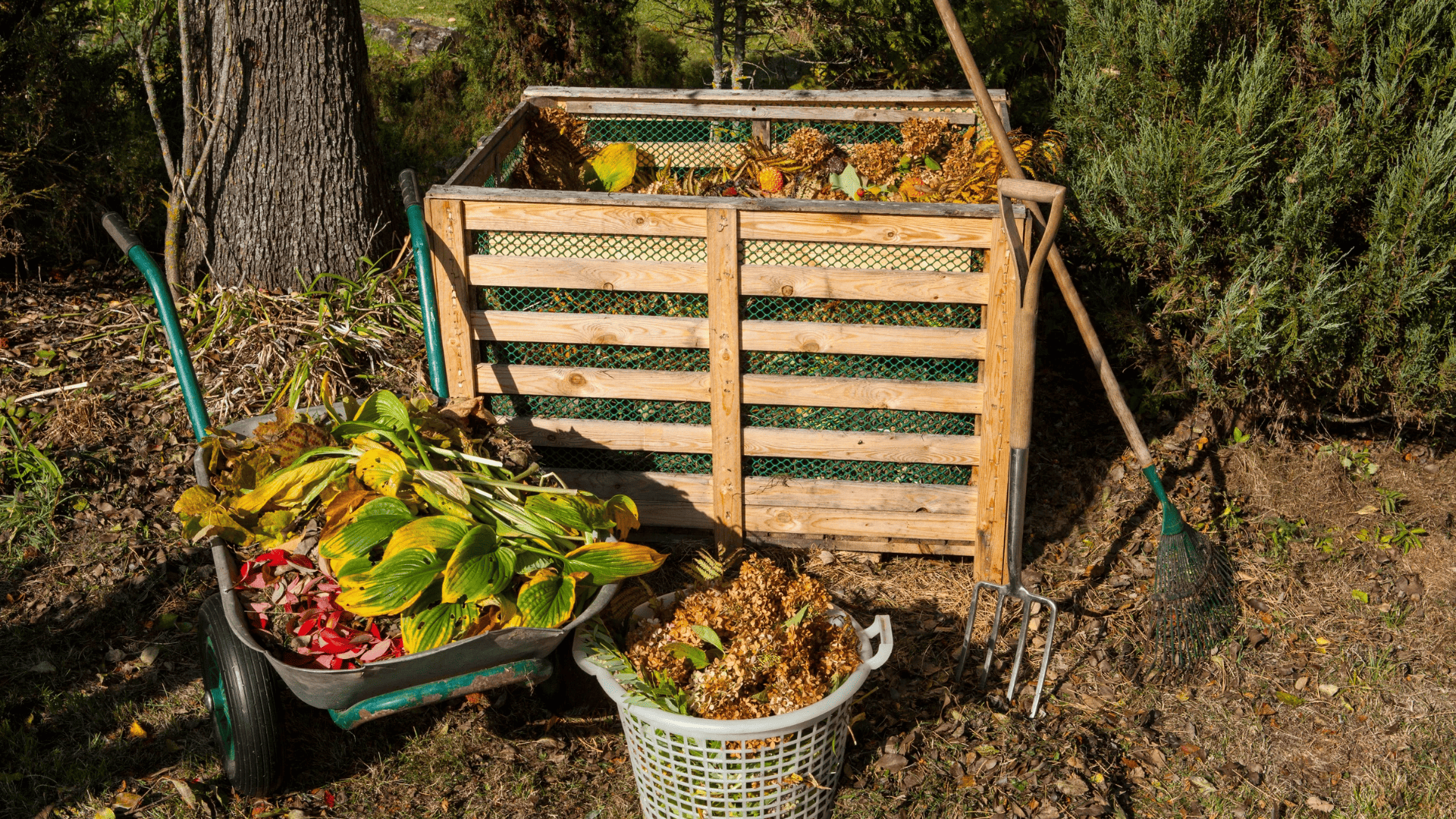
Build Better Compost With Leaves
Keep these simple principles in mind when adding leaves to compost:
- Shred first: Smaller pieces generally break down faster.
- Balance materials: Combine carbon-rich leaves with nitrogen-rich greens.
- Add moisture: The pile should be damp but not soggy.
- Encourage airflow: Turning the pile occasionally introduces oxygen.
- Give it time: Decomposition is a natural process that cannot be rushed.
The reward is worth the wait. Finished compost can be added to vegetable beds, flower gardens, containers, and planting holes, completing a cycle that began when leaves first fell from the trees.
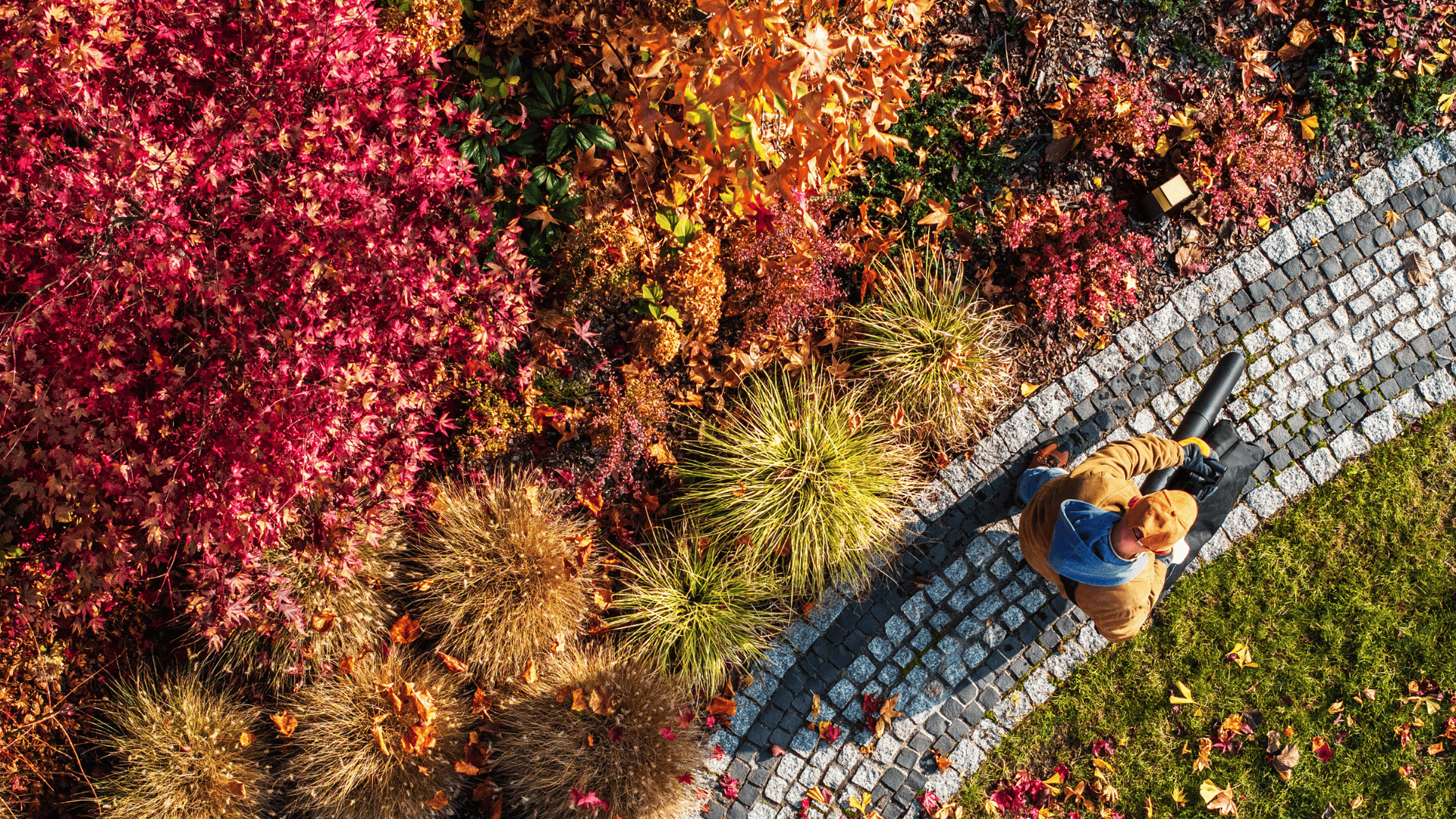
Not Every Leaf Belongs Everywhere
The message is not to leave every fallen leaf exactly where it lands. Thick layers on lawns can block sunlight and air, potentially smothering turf and creating conditions that encourage disease.
Walkways, steps, patios, and entrances should also be cleared regularly because wet leaves can become surprisingly slippery. Likewise, leaves should be removed from storm drains, gutters, drainage channels, and other areas where they could interfere with water flow.
A little strategic cleanup goes a long way. Move useful leaves to garden beds or compost piles, while keeping functional areas of the landscape clear and safe.
Fall Cleanup With a Purpose
With a thoughtful fall garden cleanup that can be adapted to their own landscapes, Glenside, PA, gardeners do not have to remove every trace of autumn. Instead, think of cleanup as sorting: some leaves are cleared away, some are shredded, some go into the compost pile, and others remain where they can provide wildlife habitat.
This approach can make fall maintenance more sustainable while also reducing the amount of organic material sent away as yard waste. The garden gets to keep many of the nutrients it produced during the growing season.
One Garden, Many Connections
The true value of fallen leaves becomes clearer when we look at the garden as an ecosystem rather than a collection of individual plants. Leaves feed decomposers, decomposers help build soil, healthy soil supports plants, plants support insects, and insects become food for birds and other wildlife.
That interconnected cycle is happening whether we notice it or not. By working with it, gardeners can create landscapes that are not only productive and beautiful but also more welcoming to the life that makes a garden flourish.
Let Autumn’s Gold Keep Giving
Fallen leaves are far more than something to rake, bag, and forget. They’re a valuable resource that can nourish the garden long after autumn ends. At Primex Garden Center, gardeners can find inspiration and practical resources for making every season work harder for the landscape. By using leaves as mulch, enriching compost, protecting vegetable beds, and leaving appropriate leaf litter for insects and birds, gardeners can turn autumn’s golden carpet into a foundation for next year’s growth. Stop by to explore the right tools, supplies, and expert advice for making the most of every season in your garden.