Backyard Birding Starts in the Garden
September 7, 2026
The dawn chorus of chickadees, the red flash of a cardinal’s wings, and quiet voices of nuthatches in the winter—these are some of the many wonders that await a bird-friendly garden. The key is to think beyond bird feeders and plant a living landscape that provides food, water, shelter, and protection for birds. Pairing the right birdseed with native plants, shelter, and fresh water can turn your backyard into a bird friendly garden that supports local birds throughout the seasons. With thoughtful plant choices and simple management practices, your backyard can be a source of life for the wondrous winged creatures that share our world.
Think Like a Bird
Take a moment to imagine your backyard from a bird’s perspective. A robin arriving at the edge of your property is not admiring the freshly edged lawn or wondering whether the hydrangeas match the shutters; she may be looking for worms, insects, seeds, or a shrub for nesting. A bird friendly garden offers a mix of natural food, fresh water, and protective shelter that gives both resident and migrating birds plenty of reasons to stick around.
Like any animal, including us, the needs of birds are satisfied by the plants and smaller life forms around them. An abundance of biodiversity creates the most opportunities for bird life to thrive—life creates more life. Instead of striving for a clean, highly categorized, and monoculture yard, aim for a landscape that’s flourishing with healthy insects, abundant flowers, ripe berries, pollinators, and even a few mosquitoes, which are high-quality food for so many birds.
 Plant Food Instead of Filling Feeders
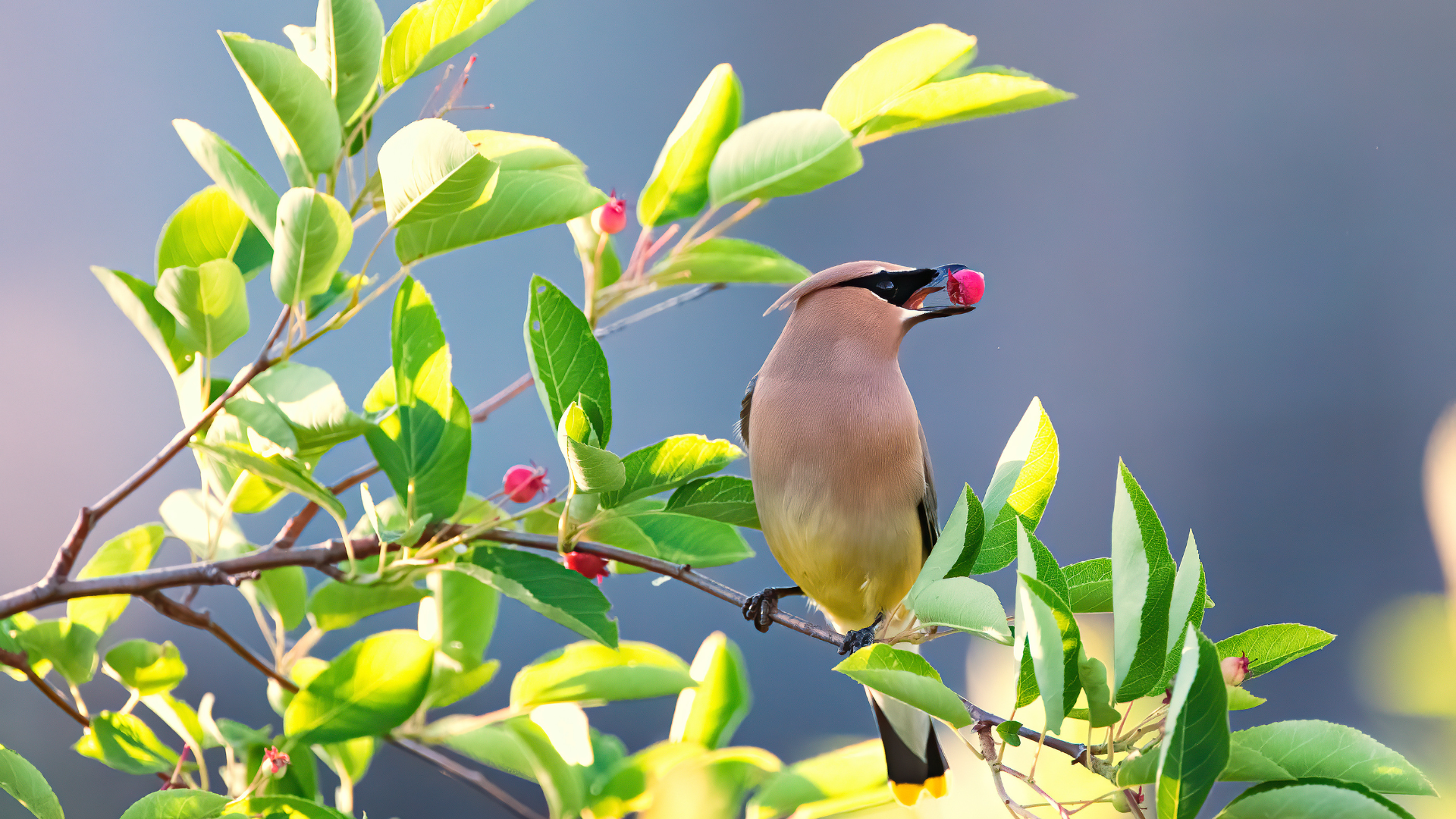 Plant Food Instead of Filling Feeders
Bird feeders can be a wonderful way to see birds up close, but plants provide healthier food and more shelter that appeal to a wider variety of life. Berries, seeds, nectar, and the insects living among leaves and flowers can keep birds supplied across different seasons.
When choosing plants that attract birds, aim for variety and focus on native species. A Pennsylvania native tree or shrub can provide berries and nuts that our native birds are adapted to eat, while flowers and grasses contribute seeds and cover closer to the ground.
Some useful choices for Pennsylvania gardeners include:
- Serviceberry: Produces spring berries that can attract several songbirds while also offering seasonal interest for gardeners.
- Dogwood: Berry-producing dogwoods provide valuable food, while their branching structure adds shelter.
- Eastern red cedar: Dense evergreen foliage provides year-round cover and can produce berry-like cones eaten by birds.
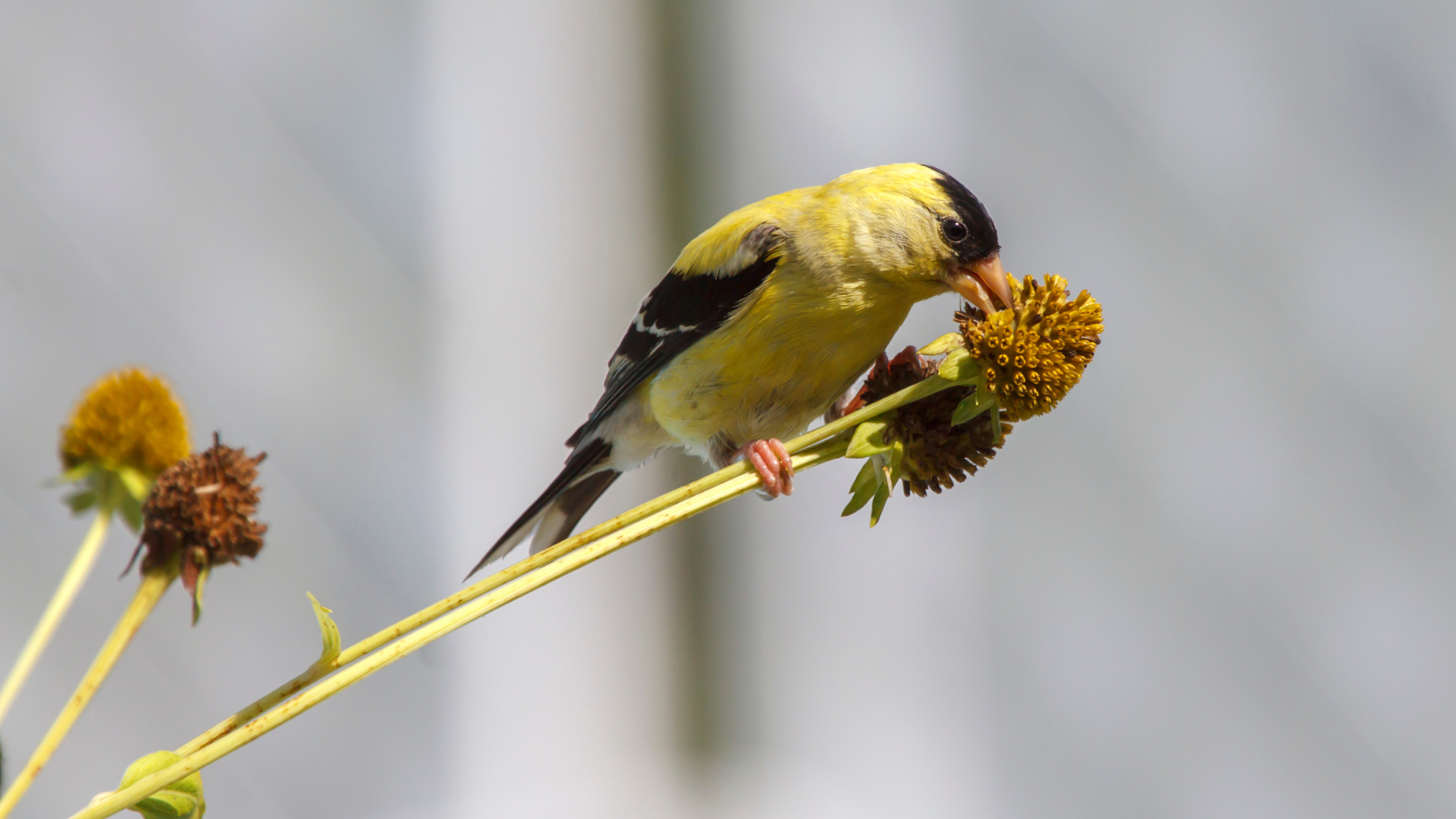
- Coneflowers: Their seed heads can become popular dining spots for finches and other seed-eating birds.
- Native grasses: Their seeds provide food, while the stems create useful hiding places close to the ground.
When you are researching native plants for birds, be sure to combine different kinds of plants so food is available in more than one form and more than one season. This approach also supports the insects birds depend on, particularly during nesting season when many birds need protein-rich insects to feed their young. Also remember to choose species suited to your soil, sunlight, and available space.
Give Birds Places to Hide, Rest, and Nest
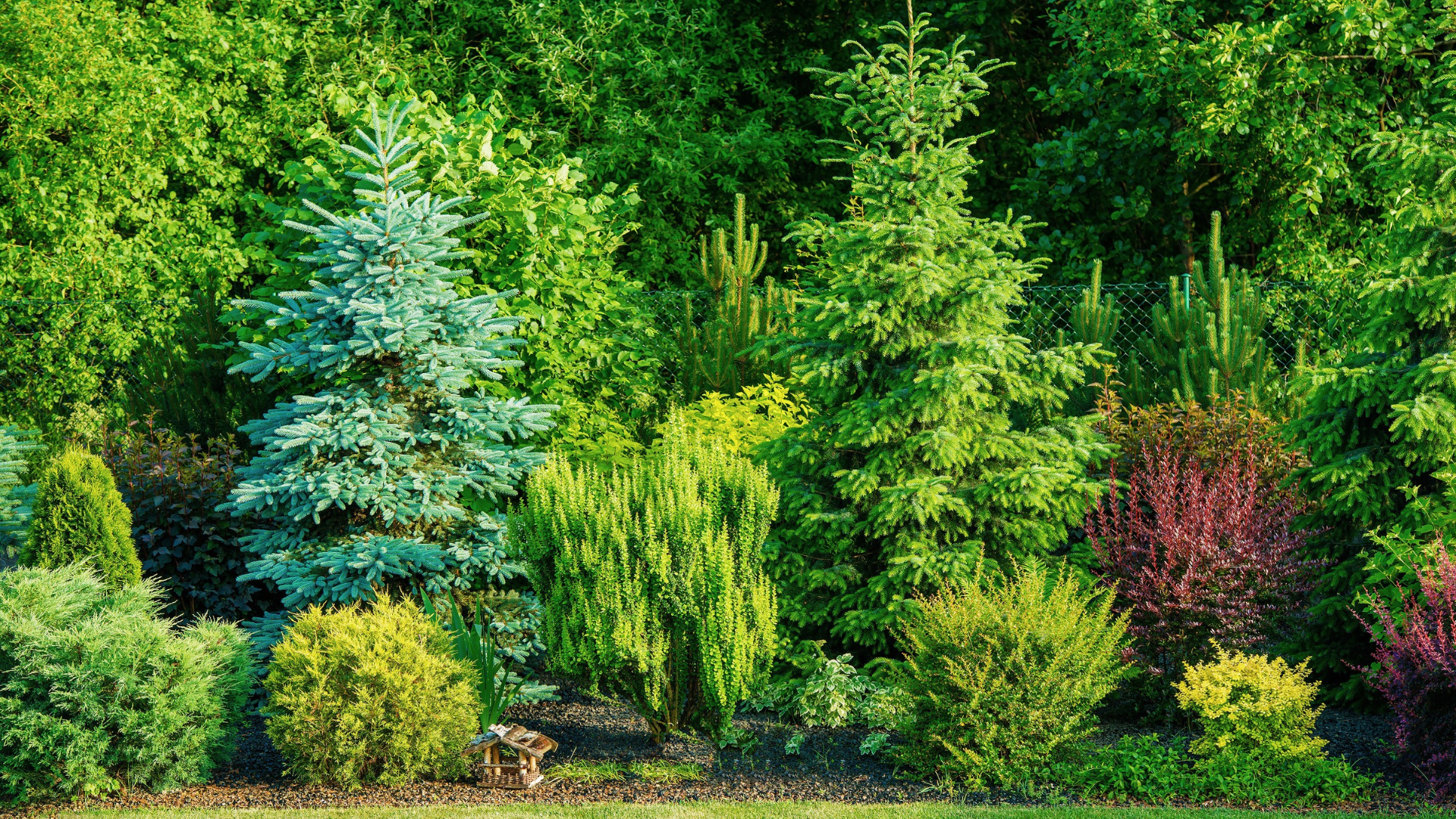 Give Birds Places to Hide, Rest, and Nest
Birds need more than food. They also need perches to survey the yard, thick trees for shelter during extreme weather, and places to hide when a hawk passes overhead. By the way, if your yard is so abundant that you’re attracting hawks, owls, or birds of prey, then you’re on the right track.
Layering plants is one of the easiest ways to create rich landscapes. Tall trees provide high perches, medium-sized shrubs offer nesting and hiding areas, dense evergreens create protected cover, and lower-growing plants give ground-feeding birds places to forage.
Think vertically when planning your garden. A yard with several layers of vegetation tends to feel fuller—plus, it’s more interesting to people too. As it turns out, bird-friendly gardening is a win-win; when we enhance our garden for birds, we also make it more beautiful for humans.
Water Attracts Regular Visitors
Food may bring birds to the yard, but clean water can give them another reason to stick around. You do not need a grand pond with a miniature waterfall, either; a simple birdbath or shallow dish can do the job.
Place the water somewhere birds can see easily but where nearby shrubs do not give predators an easy hiding place. Keep the water relatively shallow, with a rough surface that gives birds secure footing, and refresh it frequently rather than allowing it to become a leaf-strewn soup.
A small garden water feature can also work if it includes shallow edges where birds can safely drink and bathe. Clean the container regularly, especially during warm weather, and remove leaves, algae, and other debris.
Let the Garden Get a Little Messy
 Let the Garden Get a Little Messy
Bird-friendly gardening does not require abandoning all standards and allowing the backyard to become a jungle. It simply means recognizing that some of the things gardeners usually remove immediately can actually be useful.
- Seed Heads: Leave a few seed heads standing after flowers fade. Those dried stems can provide food for finches and other seed-eating birds while also giving the winter garden some texture.
- Leaf Litter: Allow leaves to remain beneath shrubs and trees, where practical to do so. Leaf litter creates habitat for insects and other small organisms that become food for birds, while the leaves themselves provide a layer of shelter.
- Natural Areas: A few natural-looking areas can make a surprisingly big difference. Instead of cutting everything down at the first opportunity, decide which parts of the garden can remain standing until late winter or early spring.
Make Your Backyard Safer for Birds
Once birds begin visiting, a few simple safety measures can make the garden more welcoming.
- Omit Pesticides: Reducing unnecessary pesticide use is a good starting point because insects are an important part of many birds’ diets, especially when they are raising young. Familiarize yourself with other pest control methods.
- Feeder Location: Keep feeders in locations that give birds some protection while avoiding cramped spaces where predators can hide. Make sure bird feeders are not in a collision zone with windows.
- Clean Feeders and Baths: Clean feeders and birdbaths regularly, and remove spoiled seeds and standing water. Don’t let food go rancid or moldy.
- Safe Windows: Windows deserve attention, too. Birds can collide with reflective glass because they see the trees or sky reflected in the surface rather than recognizing the window as a barrier. Keep blinds at half-mast or add bird-safe decals on your windows to make them more visible.
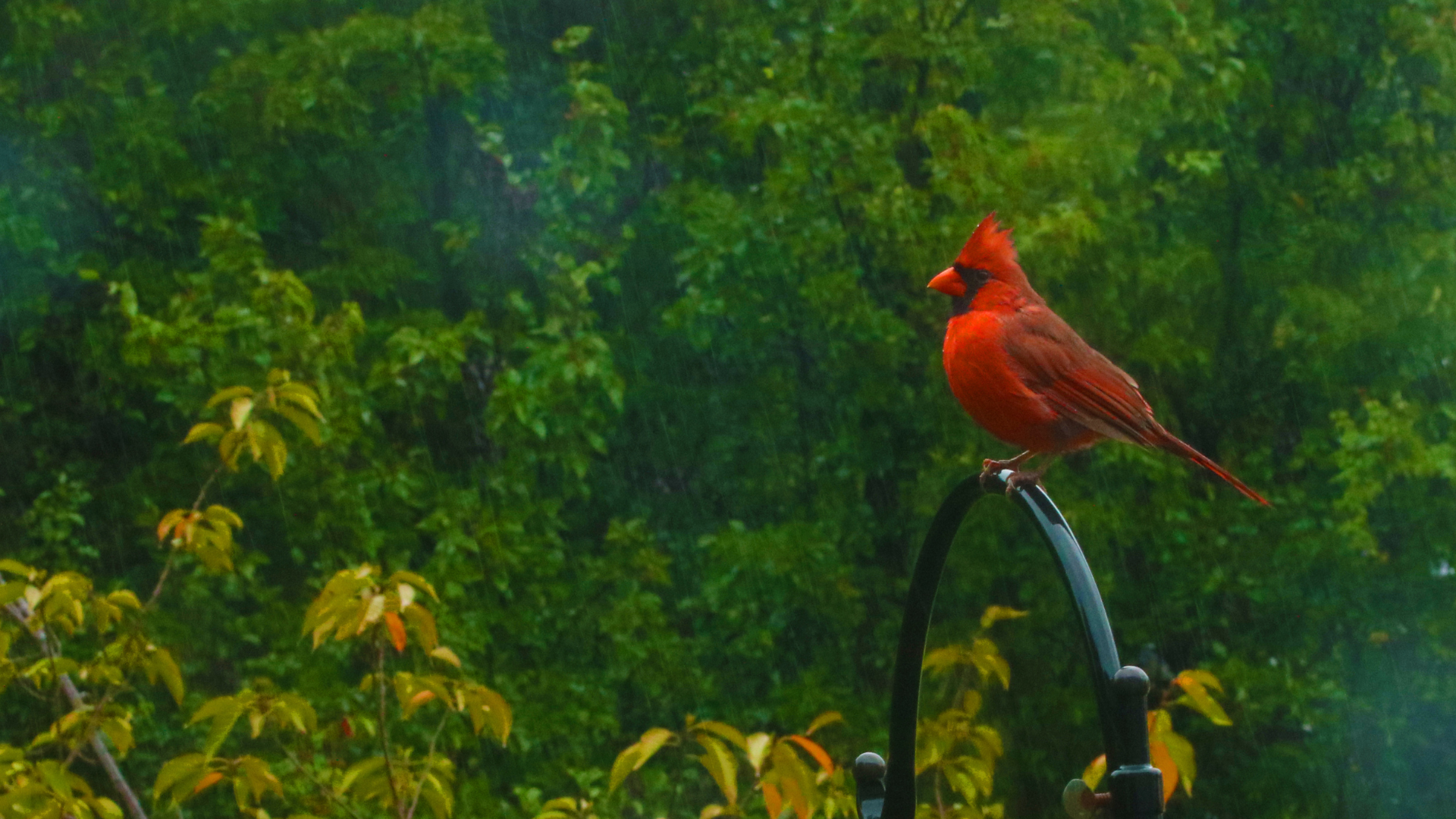 Who Might Show Up in Your Glenside Garden?
Once the garden starts offering food, shelter, and water, the backyard can become surprisingly busy. You may notice familiar visitors first, followed by species you have never paid much attention to before.
Keep an eye out for:
- Black-capped chickadees: Small, curious, and energetic, chickadees often investigate feeders and shrubs while hunting for insects.
- Northern cardinals: Their brilliant red plumage makes them easy to spot, while dense shrubs can provide useful cover.
- Finches: Goldfinches and other finches are drawn to seed-producing plants, particularly when flowers are allowed to mature.
- Woodpeckers: Trees with insects, rough bark, and mature branches can attract woodpeckers looking for food.
- Ruby-throated hummingbirds: Tubular flowers and nectar-rich plants can make a garden particularly appealing to these tiny aerial acrobats.
In a bird-friendly garden in Glenside, PA, you may also see juncos, wrens, sparrows, robins, blue jays, mourning doves, and other familiar Pennsylvania birds.
If you’d like to learn more about the seasonal movements of the birds that pass through our region, join Primex for its upcoming Bird Migration lecture and discover more about the journeys happening overhead.
What’s Good for the Birds is Good for Us
We all have an inner desire to be immersed in vibrant, complex, and flourishing landscapes. In such places, we feel more peace, joy, creativity, healing, and wonder. Creating a bird-friendly garden is a rewarding way to transform your yard into a more beautiful and vibrant space. If you are ready to add plants that support birds, visit Primex Garden Center in Glenside for help choosing the right trees, shrubs, perennials, and grasses.