The Magic of Sensory Gardening
November 10, 2025
The end result of a sensory garden is not just a symphony of music or a portrait of color, but a full-spectrum orchestra for the eyes, ears, nose, tongue, feet, and fingertips.
Imagine stepping into a wave of scent, taste, and texture, where mint mingles with wild rose, and grasses dance with wildflowers—such are the possibilities and ideas of a sensory garden. Not limited to visual beauty, a sensory garden caresses our ears, sight, scent, skin, and tongue. It’s a full-bodied experience that evokes healing, mindfulness and aesthetic pleasure all at once.
The History of Sensory Gardens
The concept of a garden to engage the senses can be traced back to medieval monasteries, where monks grew a range of herbs, flowers, and plants for healing and spiritual pursuits. As a modern concept, it arose in the mid-20th century amidst research in garden and educational therapy. Most gardens already have a multi-sensory effect by default, but sensory gardens make specific efforts to evoke all of the senses.
Whether you’re interested in therapeutic healing, gardens for the visually impaired, or the pleasures of dynamic beauty—here are ways to bring all of the senses to life in your yard!
A Garden Brimming with Scent
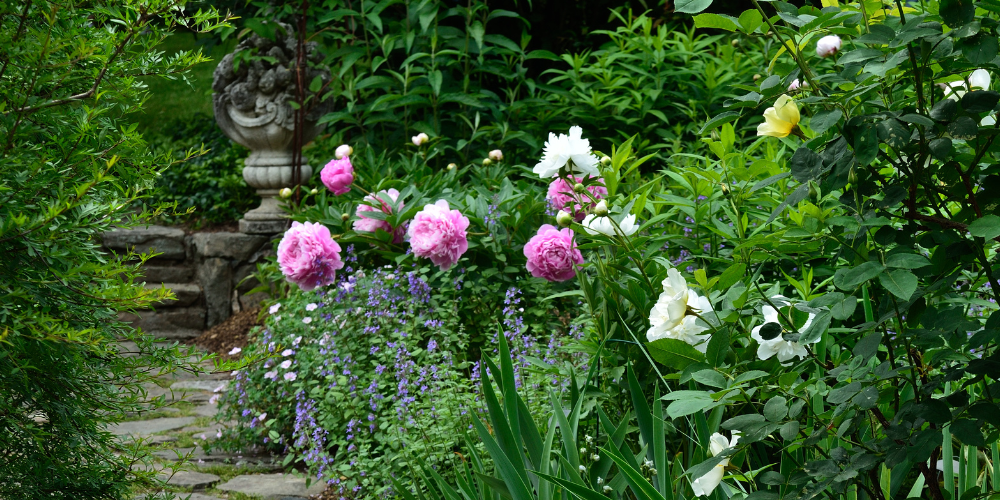
Smell is the sense most closely tied with memory. Throughout the seasons, the sap of new buds, balm of flowers, or musk of falling leaves evokes our memories, and constantly renews feelings of childhood and youth. In our gardens, we can cultivate present memories through the inclusion of fragrance. Here are the mainstays of backyard sensory gardens:
- Herbs: Herbs are some of the most fragrant plants. They include mint, dill, lavender, tarragon, marjoram, oregano, lemon balm, sorrel, rosemary, fennel, thyme, chamomile, and catmint. Mixed through your gardens, herbs provide pools of fragrance to delight your guests.
- Perfumatic Shrubs: Some shrubs are celebrated for their sweet-smelling blossoms, such as lilac, rose, mock orange, summersweet, viburnum, azalea, and honeysuckle.
- Aromatic Flowers: There are far more scented flowers than we can hope to describe in this blog, but here are a few classics that bring perfume to the garden—hyacinth, echinacea, bee balm, sweet alyssum, and peonies.
A Garden for Touch
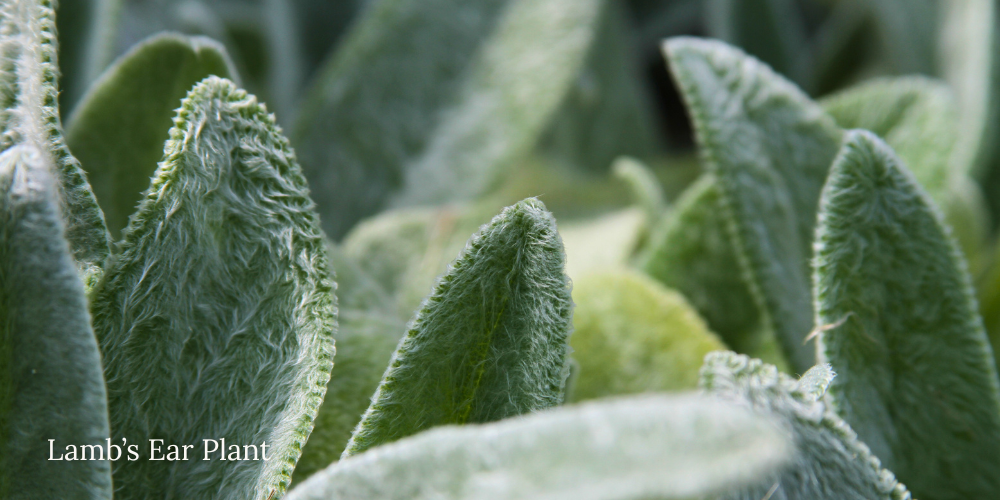
Texture plays upon us with both our eyes and physical touch. Often plants with unique visual texture also provide a compelling tactile feel—and vice versa. Whether you are gazing at your plants, or taking time to feel them, you can use these ideas to begin your exploration:
- Lamb’s ear: Silvery, velvety leaves perfect for gentle touching.
- Fountain grass: Soft, feathery plumes sway gracefully in the breeze.
- Hosta: Broad, ribbed leaves add lush texture in shaded areas.
- Sedum: Succulent leaves and firm flower clusters offer contrast.
- Ferns: Delicate fronds bring a cooling, soft touch.
- Blue fescue: Tufts of fine blue-gray grass add visual and tactile appeal.
The Symphony of the Garden
We don’t often think about sound in the garden, but in fact, the soundscape of our environments is essential to our well-being. Background noise can bring stress, or cloud our thoughts. Likewise, a comfortable soundscape can soothe us, bringing relaxation, creativity, and healing.
Soundscape ecologists Bernie Krause and Stuart Gage discovered that old-growth ecosystems are brimming with natural music, from the rustling of leaves to the calling of birds, buzzing of insects, and talking of frogs. In fact, when recording sounds in healthy natural areas over time, they discovered that a lot of the audible spectrum is inhabited, from the high notes of songbirds down to the bass rumblings of the raccoon.
We can draw inspiration from the natural symphony by actively cultivating our garden soundscape:
- Create Bird Habitat: Birds are the most musical of creatures, and we can invite them into our yard with food and habitat. Think berries, insects, native plants, nesting trees, seed heads, leaf mulch and biodiversity. All of these are foundational for a soundscape rich with birdsong.
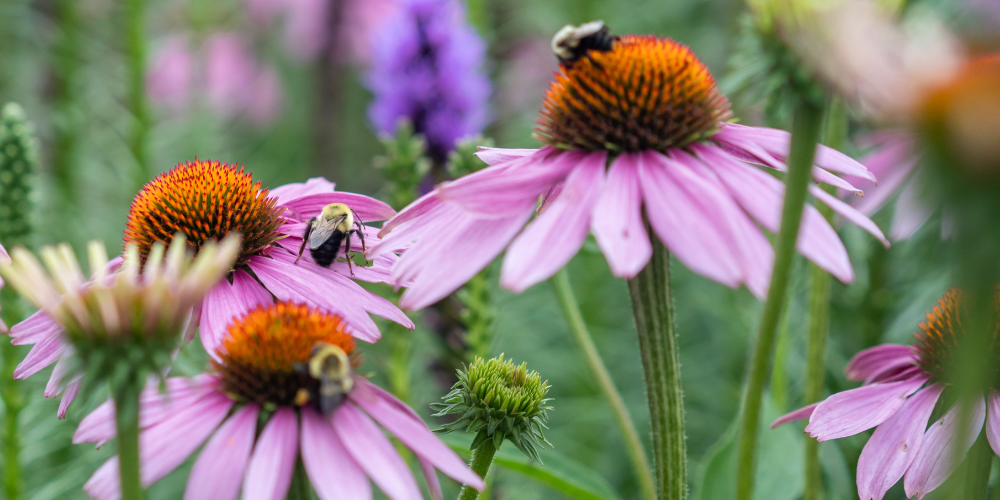
- The Buzz of Pollinators: Cultivate a healthy bee population by having a diverse and continuous source of pollen-rich flowers. Flowering herbs are often a long-lasting and rich source of food for bees. Native wildflowers are another key choice for native pollinators—species that have co-evolved to depend on one another. A fragrant, constantly flowering garden is a bee paradise, and a pathway to musical delight.
- Rustling Leaves and Grass: Any tall tree can be a source of music in the wind. Some trees sing even more loudly than others, such as the Quaking Aspen, whose leaves have evolved for windy conditions in mountains, foothills, and prairies. The river birch and tall ornamental grasses are other plants that bring rustling voices to the garden.
A Tasteful Garden
As modern humans, it’s easy to forget that we eat plants, but don’t forget that the original purpose of a garden is to grow plants for our own food. To boost the taste of plants in your sensory garden, you can create an “edimental landscape.”
Berries, apples, pears, plums, cherries, and herbs make great multipurpose plants that offer flowers, scent, and treats for the tongue. You’d be surprised to learn that many wildflowers and ornamental plants also serve as a source of herbal tea. When you make time to learn about your plants, you often find that they offer gifts for the tongue.
A Feast for The Eyes
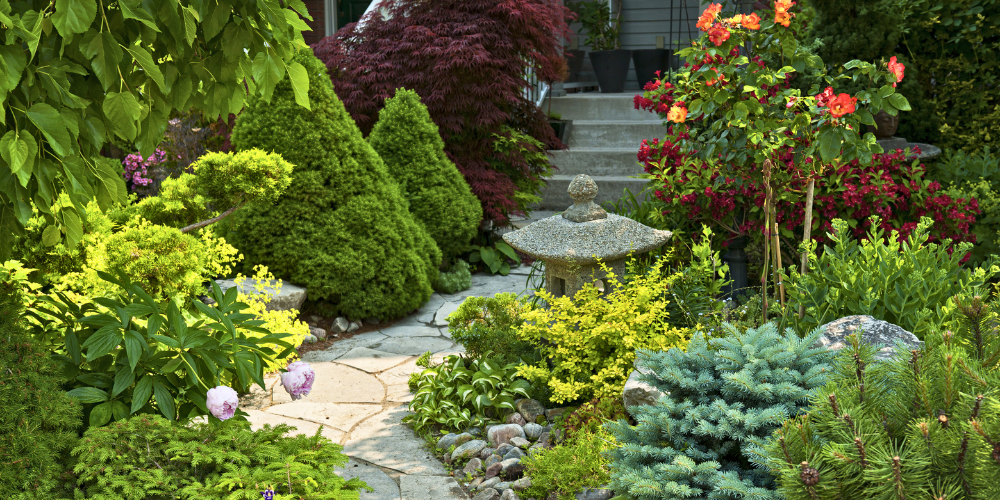
Color is one of the most striking features of any garden. Visual beauty is an art form of its own, which can be studied in garden design and even landscape architecture. For the home gardener, the following primer on visual appeal can form a basis of exploration:
- Color: Strive to have a variety of color in the garden throughout the year, including white, red, orange, yellow, purple, pink, and blue blossoms. Use the technique of “color echo” to create harmonious patterns throughout your beds. Include a variety of different foliage for extra interest.
- Balance: A sense of balance is created through the size, density, and arrangement of plants. Think of each plant as having a particular “weight,” which represents its presence in the landscape. Three small shrubs on the left side of your yard may be equal in weight to the small tree on the right side of the yard. Yards don’t have to be symmetrical, but usually feel better visually when plant “weights” are balanced.
- Texture: We often focus so much on flowers that we forget about the texture of foliage, which can play an equally important role. Plants appear to have different textures through the shape and color of their leaves. Mulch, stone, and pathways also lend interest and complexity to the texture-scape.
An Orchestra for the Senses
The end result of a sensory garden is not just a symphony of music or a portrait of color, but a full-spectrum orchestra for the eyes, ears, nose, tongue, feet, and fingertips. If we succeed, we enter a place that brings mindful awareness and healing from our nature deficiency, while making a home for wildlife as well. Sensory gardening is not only for therapy; it forms ideas for creating the best kind of gardens no matter your aim—the kind that touches every part of you. For more inspiration on Glenside gardening, come enjoy the sights, smells, and textures of our garden center!