How to Grow All Sorts of Squash in Pennsylvania
May 17, 2022
If you’d like to grow your own in the garden this summer, act fast—the time to plant is now!
Want to learn how to grow squash for delicious recipes you can enjoy in summer, fall, and winter? Here’s a rundown on how to grow hearty squash in your garden, plus the best products and techniques for increasing your yield.
Different Squashes and How to Grow Them
Squash falls into two categories: summer and winter squash.
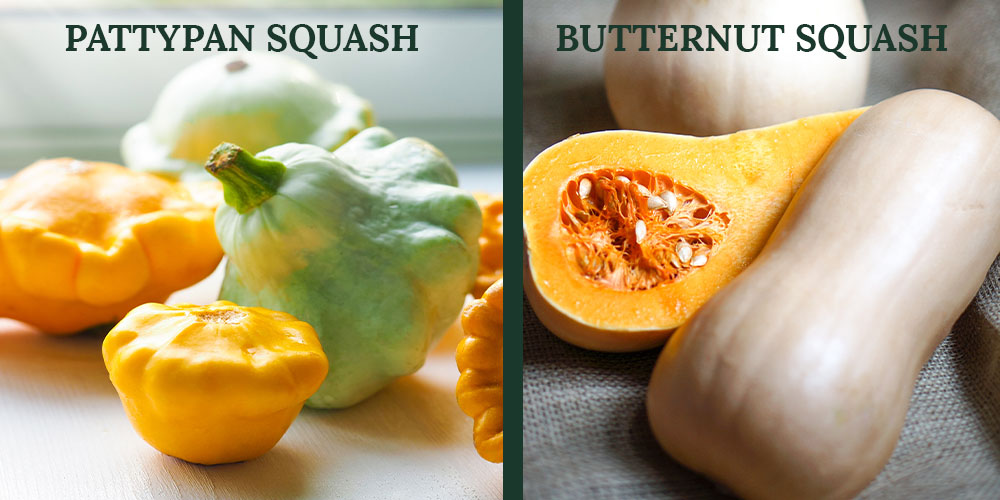
Summer squashes, like zucchini and pattypan squash, have thinner, softer rinds, mature more quickly, and will keep for a few weeks after harvesting. Thus, they are best to enjoy in summer and early fall. Using a tomato cage or trellis will help to keep your tender squash off the ground.
Winter squashes like butternut, acorn, and pumpkin have hard outer rinds and take longer to mature. If you store them in a cool, dry place, they can keep for as long as six months so that you can enjoy them well into winter! Some winter squashes are also grown for ornamental reasons—they have fascinating colors, shapes, and textures, and you can use them to decorate your porch or dinner table in the fall!

Important Tip for Growing Squash: Squash plants tend to need some help with pollination—sometimes, they’ll produce plenty of flowers but no fruit! To encourage pollination, you can pollinate by hand with a clean paintbrush or plant lots of native flowers around your vegetable garden to attract pollinators.
Sun and Water
Squash love sunshine—at least 6–8 hours of direct sun per day. For watering, they’ll need at least one inch of water per week. Watering once per week is the minimum; you may need to increase the frequency if temperatures are exceptionally high. If you’re growing squash in containers, you may need to water them once every two days.

Soil
Spread a two-inch layer of Bumper Crop Soil Builder across the soil surface before planting, and then work it into the soil six inches deep. Monthly fertilizing from May to September is essential for your fast-growing squash plants. We recommend an organic formula such as Espoma Tomato-Tone or Garden-Tone—both are formulated for vegetable gardens.
If you’re growing squash in containers, use high-quality potting soil with plenty of organic material, such as Bumper Crop Organic Gardener’s Gold Potting Soil. Container gardens have less soil and, therefore, less available nutrients for your plants, so you’ll need to fertilize and water more frequently. This soil has wood fiber, aged bark, kelp and lobster meal, perlite, and so much more—it keeps on feeding your plants, so you don’t have to fertilize as often. It also has excellent moisture retention, so your plants stay hydrated for longer.
Pests
There are a few garden pests that may try to eat your delicious squash plants before you get the chance to, so be on the lookout for signs of pest damage. If you start seeing chomp marks or visible pests on your squash plants, use a non-chemical formula such as neem oil or insecticidal soap. These will kill the bad bugs without hurting the good bugs like bees, butterflies, and ladybugs.

What Month Do You Plant Squash?
You won’t have enough time in the growing season to directly sow your squash seeds into the soil, so you have two options:
- Start your seeds indoors in March and plant the seedlings in May
- Purchase starter plants and plant them in May
Generally, you’ll want to wait until the temperatures are hovering around 70°F before planting.
How Long Does Squash Need to Grow?
Summer squashes need about 60 days to reach maturity after planting your starter plants in May.
Winter squashes need much longer—about 95 to 120 days, depending on your chosen variety, so they’ll be ready to harvest in fall. You’ll know they’re ready for harvest when the rind is firm and difficult to pierce with your fingernail.
Recipe Ideas for Your Squash
There are so many creative ways to use squash! Try these recipe ideas:
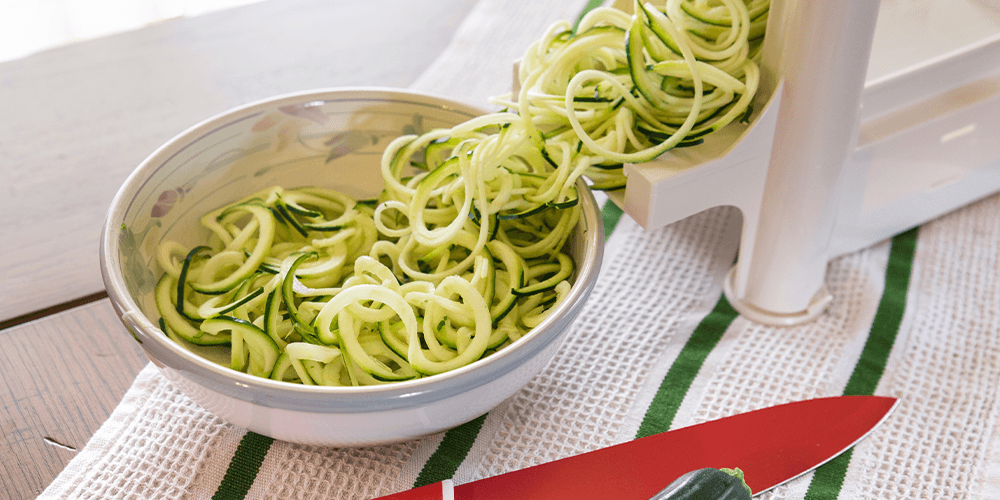
- Use a spiralizer to make zucchini noodles—a low-carb alternative to pasta.
- Roast and blend butternut squash to make delicious soups. It pairs perfectly with curry spice!
- Roast and shred the insides of spaghetti squash with two forks, and add butter and seasoning for a simple side dish.
- Roast and stuff the halves of an acorn squash with wild rice, dried cranberries, and herbs to serve at Thanksgiving.
- Pumpkin pie, anyone?
- Squash blossoms make a delicious battered and fried snack!
Now that you know how to grow squash in Pennsylvania, plus all the best products to grow the tastiest squash ever, visit Primex Garden Center to get started! Now is the time to get those plants in the ground for a delicious late-season harvest.