An Introductory Guide to Vegetable Gardening
February 21, 2022
Start gardening this spring with our vegetable grower’s guide! Gardening has four phases, including planning and preparing, planting, maintenance, and harvest.
Growing your food is a rewarding experience that saves you money and means that you know what’s going into your food. Plus, it’s a great hobby to keep you busy in the summertime! Whether you live on a massive property or have a small apartment balcony, anyone can grow vegetables from home. We’ll help you get started with an overview of what you can expect and how to get started.
An Overview of the Gardening Journey
Gardening is a bit more complicated than buying plants and putting them into the ground, but with some planning and dedication, it’s well worth the effort! The complete gardening journey has four distinct phases:
- Planning and Preparing Your Garden
- Seeding and Planting
- Maintenance and Nourishment
- Harvest
We recommend planning and prepping your garden early since there’s a fair bit of work to do before any plants go in the ground. Once you plant your seeds, it’s “go with the flow” until harvest time!

Where to Start Your Garden
Planning when you’re going to plant your garden is crucial to maximizing your growing season. Nothing is worse than taking care of a plant that needs all season to grow and losing it to the winter frost!
The next thing you’ll need to plan is where you’re going to grow your vegetables. Depending on your yard and space, you might have a plot of your yard dedicated to a garden, a raised bed, or containers. If you choose to grow your vegetables in containers, make sure that they drain well, and replenish your soil with compost at the start of each season.
Plants that are great for growing in containers include tomatoes, potatoes, peas, cucumbers, and greens such as kale and arugula. However, for veggies that need a lot of room to grow, such as pumpkins, or crops that grow very deep, such as carrots and larger root vegetables, they’ll do better in the ground.
When to Start Gardening
Here in Pennsylvania, our frost-free date is May 1st, which means that you don’t want to put anything in the ground until May because a late frost might wipe out your veggies before they get started! However, you can get a head-start on your garden with indoor seeding. Simply count back six weeks from your frost-free date (in this case, around March 20th,) and start growing your seeds indoors in little pods or planters that you can transplant from later on.
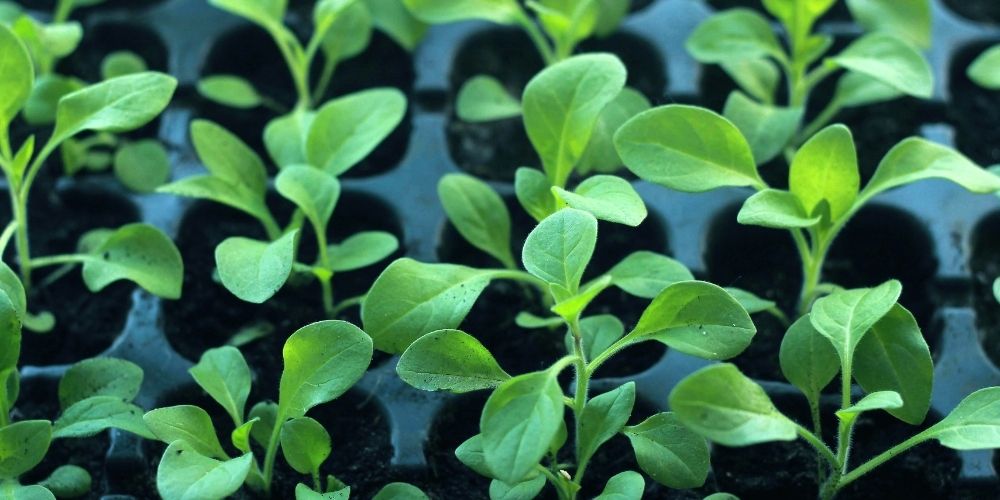
Seed Starting vs. Direct Sowing
Some vegetables do well when you plant the seeds right in the ground, but others do better with a head start indoors! In general, plants that don’t like the cold or have slow-growing root systems, such as cauliflower or eggplants, should be started inside. However, plants with long root systems (dill, carrots, beets) don’t like to be transplanted, and will be happiest if the seeds are planted directly into the soil.
You can start seeding peppers and eggplants at the end of February, but wait until late-March for tomatoes, parsley, and geraniums. You can also plant cool-season vegetables in March, such as turnips, cabbage, collards, kale, cabbages and carrots directly into the ground! Save broccoli, shallots, and bok choy for the end of March.

What to Expect When Your Plants are Growing
While your plants are growing, stay on top of watering and weeding. If you’re growing in containers, make sure that they are draining correctly so that your vegetables aren’t turning into soup before you harvest them! With a little bit of care each day, you can spend your summer relaxing and watching your plants grow.
At harvest time, enjoy the vegetables of your labor. Whip up your favorite recipes, try some new ones, and give any extra zucchini to your neighbors—it’s a gardening tradition!
Visit us at Primex Garden Center for all of your 2022 gardening needs. We’re here to help you get started on your vegetable garden, provide you with tools, seeds and starts and to help you kick off a successful season!