Leave the Leaves: A Simple Way to Improve Your Garden
November 4, 2024
Leaf raking is an unquestioned part of our fall routines, so asking yourself, “Can I leave the leaves in my garden?” probably seems like a silly question. However, that’s starting to change; fallen leaves are actually a priceless gift to our gardens and ecosystems, offering free fertilizer, mulch, and precious habitat for pollinators. Fallen autumn leaves are something we should actually leave in our landscapes: here’s how and why to do it!
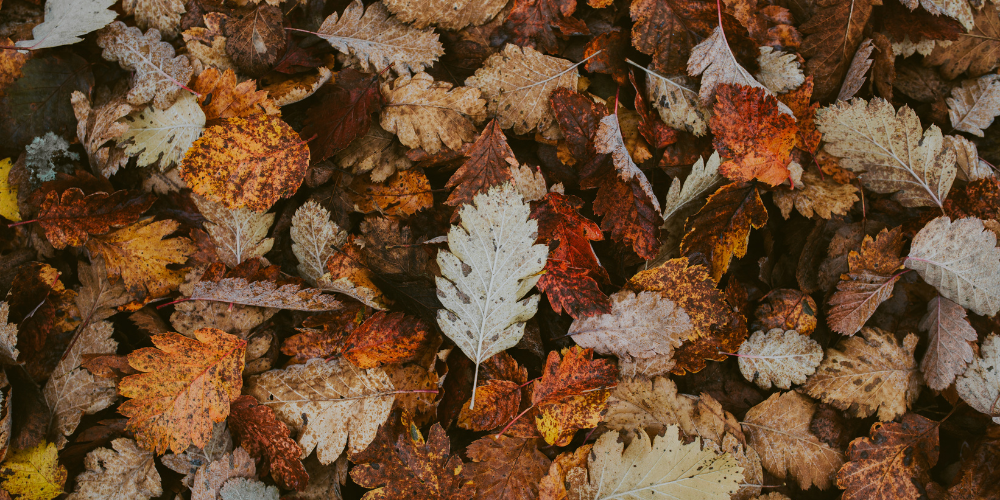
5 Reasons Why Leaf Mulch is Your Garden’s Most Valuable Resource
- Leaf Mulch Nourishes the Soil
To nourish your garden, you first have to nourish your soil, and nothing improves soil health quite like leaves! Naturally rich in carbon, phosphorus, nitrogen, potassium, and calcium, fall leaves are essentially a free, organic fertilizer. What’s more, they naturally encourage a healthy fungal and bacterial culture, which are also essential for healthy soil and plants.
- Overwintering Habitat for Friendly Bugs
Beneficial insects are essential to the health of our gardens; predators, like ladybugs and lacewings, keep pest populations in check, while pollinators pollinate fruit trees, berries, and vegetables. Leaf mulch is one of the best things you can provide to help these little helpers overwinter in your garden, as many of these insects seek shelter in leaves over winter.
- Leaf Litter Supports our Broader Ecosystem
Pennsylvania is home to over 400 species of native bees, many of which depend on fallen leaves and other natural debris for survival. Leaf mulch also supports butterflies, ladybugs, and many other insects, too. These insects are cornerstones of our ecosystem, acting as vital pollinators and feeding precious animals like songbirds. When we support them in our gardens, we support the health and biodiversity of our entire web of life. It’s amazing what we can do by simply leaving the leaves.
- Leaf Mulch Suppresses Weeds
The two biggest gardening tasks are undoubtedly weeding and raking leaves. Amazingly, though, when we don’t rake our gardens, the accumulated leaf mulch actually suppresses weeds. Leaving leaves not only saves us time and effort in the fall, but also in the next growing season!
- Leaf Mulch Retains Soil Moisture, Protects Roots, and Prevents Erosion
Like other organic mulches, leaf mulch helps your soil retain moisture, protects underground roots from extreme cold, and prevents snow, rain, and wind from eroding your landscape. Leaf mulch can also be added on top of regular bark mulch, where it will break down over winter and into next spring.
Successful Tips for Leaving the Leaves in Your Garden
So, is leaving your leaves alone really as simple as it seems? Well, yes and no. Read on to discover the best ways to do it:
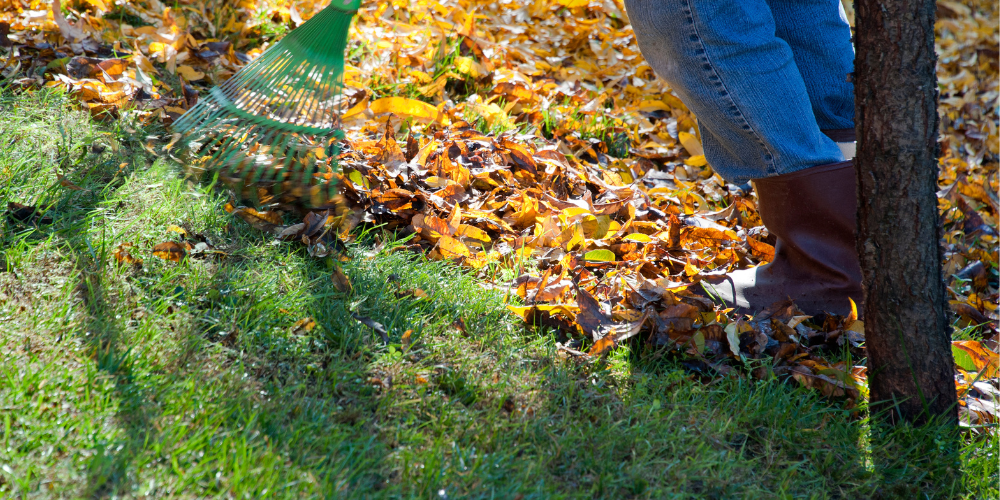
- Rake the Leaves into Your Garden: Instead of spending hours raking up all the leaves in your yard, take a quick 20 minutes to rake them right into your garden to reap their many benefits. By spring, these leaf piles will have shrunk to half their size, allowing you to simply let them break down further into your soil or bark mulch.
- Tips to Keep Leaves in Place: Leaves naturally blow in the wind and may migrate from your beds back into your grass. To help your leaves stay put, water them after you rake them into your gardens to naturally bed them down.
- Shredding Leaves First: Another effective leaf mulching method is to first run them over with your lawn mower. Shredding helps them stay in place and break down more quickly. You can collect the mulch in your lawnmower bag and then spread it over your garden beds, or mow without the bag and allow the shredded leaves to fall into your lawn, giving it an organic dose of fertilizer.
- Leaf Species to Avoid: While most fallen leaves are beneficial for your garden, there are a few types you should avoid spreading. Black Walnut, for instance, has a growth-suppressing chemical that harms other plants in your garden, while Sycamore leaves are non-toxic but take a long time to decompose, leading to matting and reduced airflow in your garden.
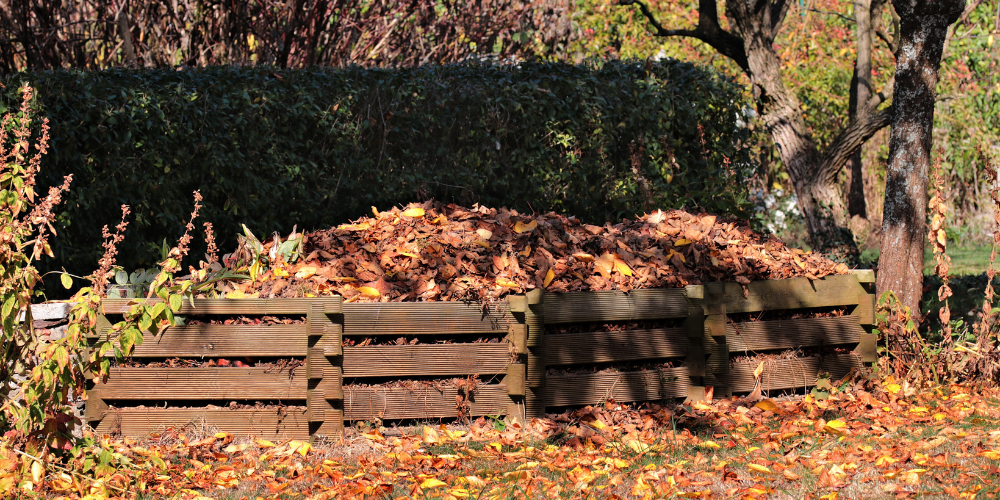
- Compost Them: Another great way to use dried fallen leaves in your garden is to mix them into your compost pile. These leaves provide the essential “brown,” or carbon component to a healthy compost pile. Layer the brown leaves with the nitrogen-rich “greens,” like kitchen scraps and moist plant matter and these natural gifts combined will give you a perfectly balanced and rich compost.
Common Questions and Concerns About Leaving Leaves
Do leaves cause mold or mildew in the garden?
While damp leaves can potentially encourage mold or mildew, this growth is usually not harmful to your plants or soil. In fact, mold and fungi are natural parts of the decomposition process, helping to break down organic matter and enrich your soil.
Will leaving leaves invite pests to my garden?
Generally, leaving leaves doesn’t attract harmful pests. In fact, it creates a habitat for beneficial insects like ladybugs, ground beetles, and pollinators, which all help control pests in your garden.
Should I avoid leaving leaves on my lawn?
Thick layers of leaves left on lawns can smother grass. To avoid this, you can either mulch them with a mower or rake them into garden beds to benefit your plants.
Which leaves are best for mulching or composting?
Leaves from maples, oaks, and other deciduous trees are excellent for mulching and composting. Avoid leaves from trees like Black Walnut or Eucalyptus, which may contain harmful chemicals.

Final Thoughts: Leave it to the Leaves
Leaving leaves to decompose naturally in your garden isn’t just about saving yourself the work; it’s about improving soil health, supporting pollinators, and preventing soil erosion, and reduces the amount of material going into local waste disposal. So, the next time you wonder, “Can I leave leaves in the garden?” the answer is a resounding yes! By making this simple change, you’ll be doing your garden and our fellow plants and animals a big favor. Visit our local garden center for more Glenside PA gardening tips this fall!