Fall Watering Tips
August 19, 2024
With the colder weather fast approaching, proper fall watering is crucial to ensure your garden thrives through the winter and into next spring, and we’ve got the tips to help you do it right! This guide covers the essentials for watering different garden types, adapting your routine for hot weather, and transitioning into fall with the right techniques. Whether you’re a first-time gardener or a longtime green thumb, this advice will clarify, simplify, and improve the efficiency of your watering practices!
Watering Basics for Different Garden Types
Container Gardens
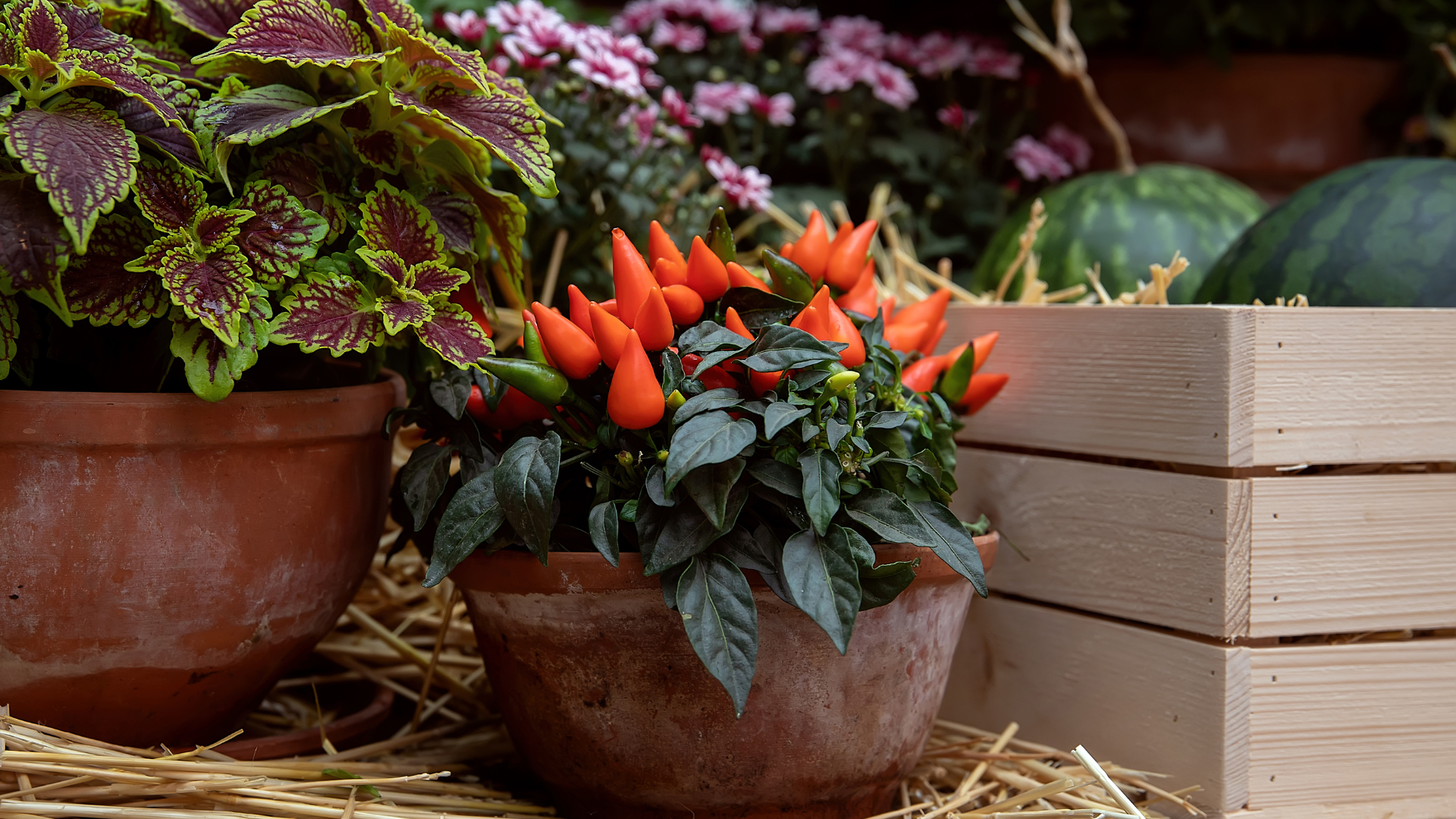
Watering potted plants can be tricky, as they often dry out faster than those in the ground. To keep them hydrated, check their soil daily by sticking your finger an inch deep into the soil; if it feels dry, it’s time for a drink, so water until you see it draining out of the bottom. Remember, container plants dry out quickly in hot weather, so they’ll probably need more frequent waterings during those warmer fall days.
Raised Beds
Raised beds are excellent gardening options, offering better drainage and easier maintenance than conventional garden plots. However, they can also dry out faster than in-ground gardens. Water in the early morning or late evening to minimize evaporation, and water them deeply and thoroughly with a soaker hose or drip irrigation system to ensure even moisture distribution.
In-Ground Gardens
For in-ground gardens, the key is to water deeply but less frequently to encourage your plants to develop strong root systems. Adjust your watering based on the needs of different plants and soil conditions. Sandy soils drain quickly and may require more frequent watering, while clay soils retain moisture longer.
Adapting Watering Practices for Hot Weather
Best Practices
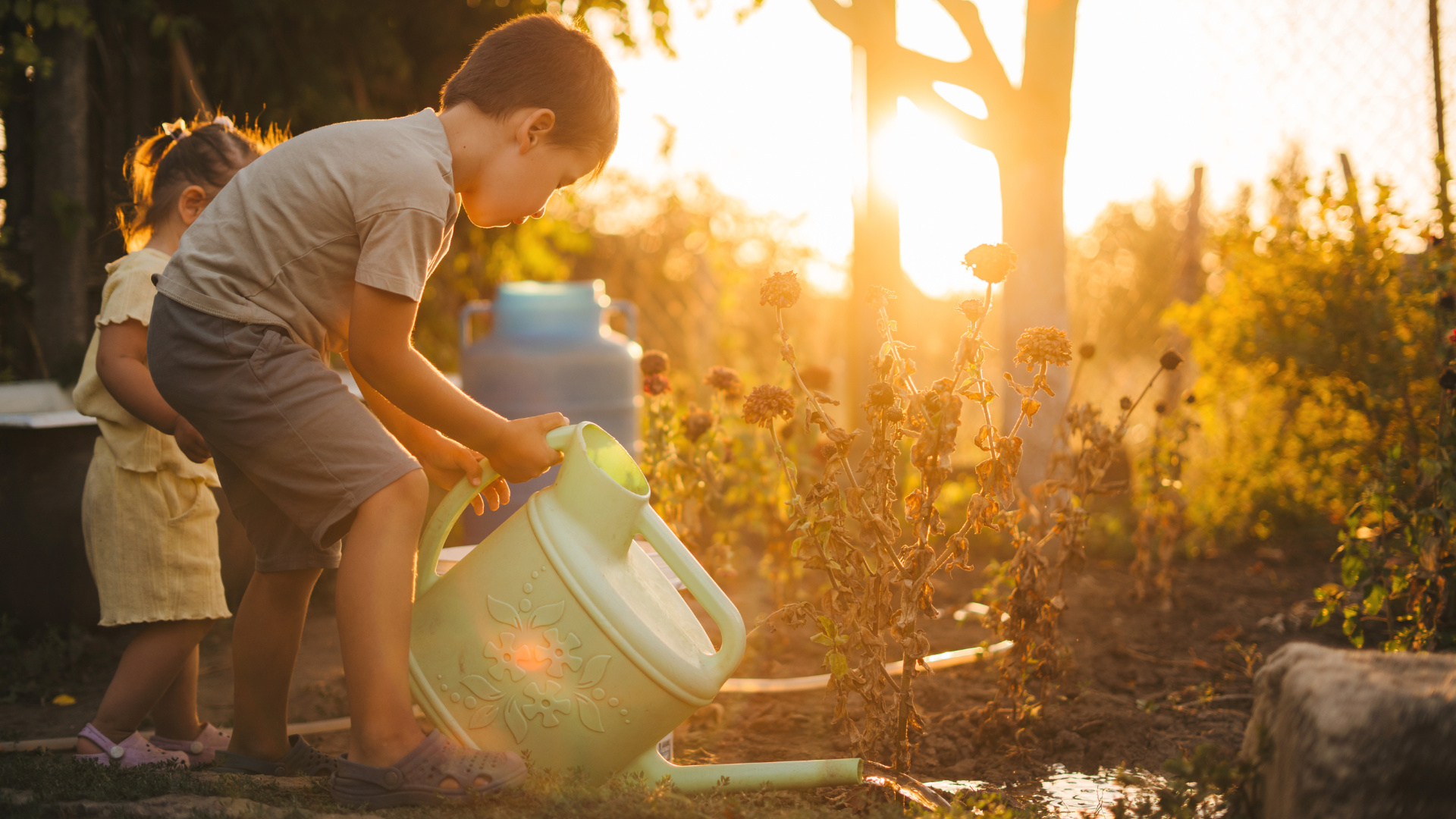
Water efficiently during those scorching summer and early fall days by using methods that deliver water directly to the roots, like drip irrigation or soaker hoses. If watering by hand, direct the stream low to the ground at the base of the plants. These methods reduce water waste and ensure your plants get the moisture they need.
The Best Times of Day to Water
Watering in the early morning or late evening is ideal, as it reduces evaporation and allows plants to absorb water before the daytime heat hits. Avoid watering in the middle of the day, as most of the water will evaporate before it can benefit your plants. Note: watering in the morning also reduces the growth of fungi and pests, as it reduces the chances of water sitting on leaves during the cooler temperatures of night..
Signs of Overwatering and Underwatering
If your plant’s leaves are yellowing and the soil is constantly wet, you might be overwatering. Conversely, if your plant’s leaves are wilting and the soil is dry, or starts to harden or crack, they need more water. Adjust your practices accordingly to keep your garden healthy.
Seasonal Watering Practices: Transitioning into Fall
Adjusting Watering Schedules
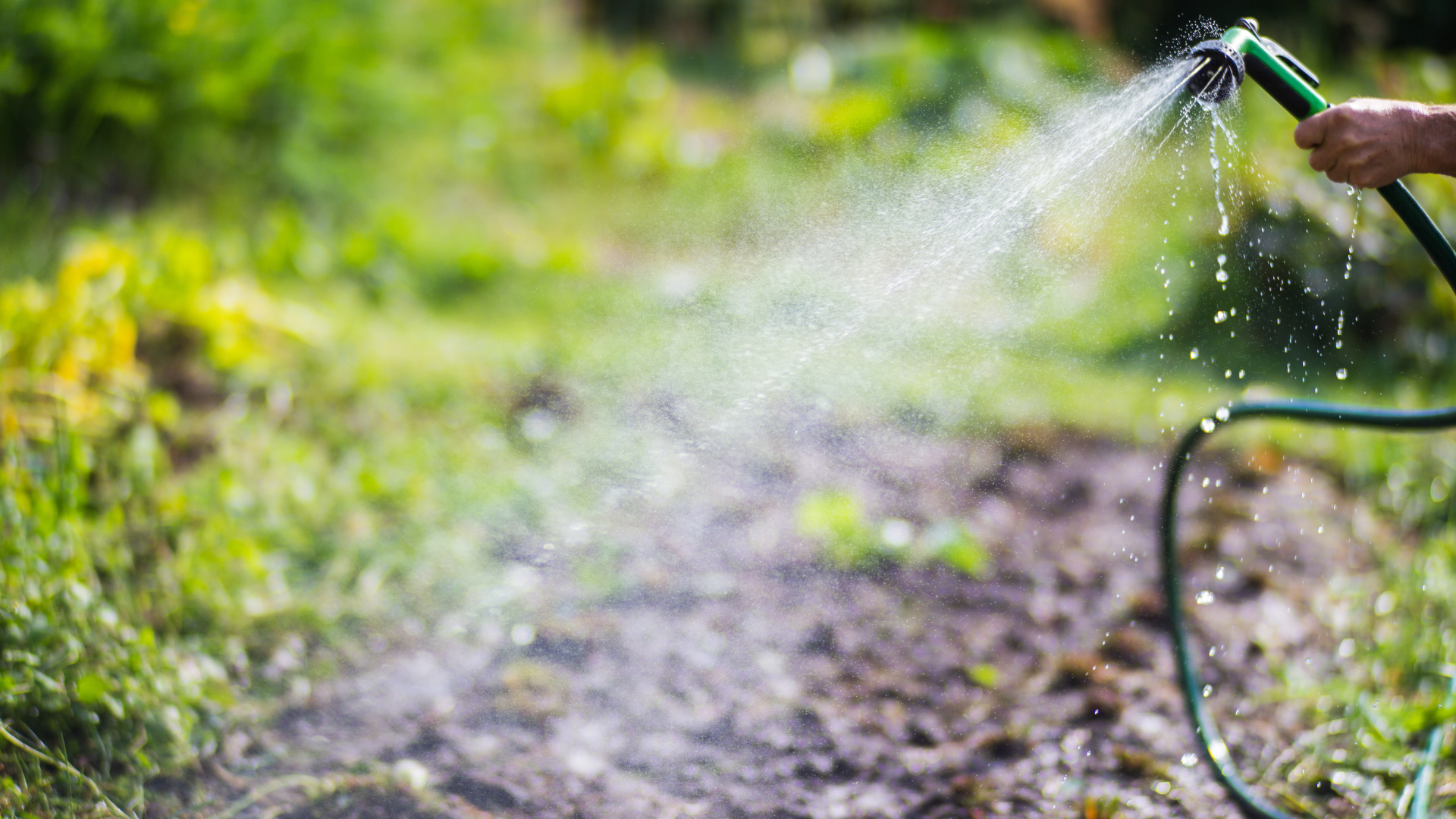
As temperatures drop, it’s essential to adjust your watering schedule. Plants need less water as we move into cooler weather, but that doesn’t mean you should stop watering altogether. The heat of summer may be over, but consistent moisture is still crucial for plants as they prepare for winter. Aim to water deeply once every 10-14 days, right until the first frost.
Fall Watering Essentials
To prepare your garden for fall, focus on watering your perennials, trees, and shrubs. Although plants do not grow above ground much in the fall, the roots are still active and need moisture to prepare for dormancy. Evergreens, in particular—like holly, boxwood, and rhododendrons—sustain more water loss in the winter and so need proper watering in fall to help them through to spring.
Tips for New Plantings in Vulnerable and Windy Locations
Newly planted trees, shrubs, or perennials need special attention for fall watering. Older, established trees have more extensive roots and thicker bark, allowing them to seek and retain moisture more effectively. In contrast, young plants need extra water to get the moisture they need as their root systems have not developed enough to access the available moisture deep in the ground. Also, remember to water any plants that are exposed to windy or hot locations, as they are more vulnerable to winter water loss.

Essential Tips for Watering in Any Season
Deep vs. Frequent Watering
Deep, infrequent watering is beneficial for root health, as it encourages roots to grow deeper into the soil, making plants more resilient to drought and cold. Watering shallowly, often, on the other hand, can lead to weak roots and less hardy plants.
Choosing Effective Irrigation
There are various irrigation methods to choose from, each with their own unique benefits. Drip irrigation delivers water directly to the root zone, minimizing evaporation and runoff, while soaker hoses are great for raised beds, providing even moisture distribution. Sprinklers are also great for larger areas but are less efficient due to evaporation.
Mulching Tips for Garden Moisture
Mulching is a fantastic way to retain soil moisture and reduce watering frequency. Apply a thick layer of mulch around your plants to keep the soil cool and moist. It’s best to use organic materials like straw, wood chips, bark mulch, or compost. These materials decompose over time, enriching the soil and improving its structure.
Rain Barrels for the Future
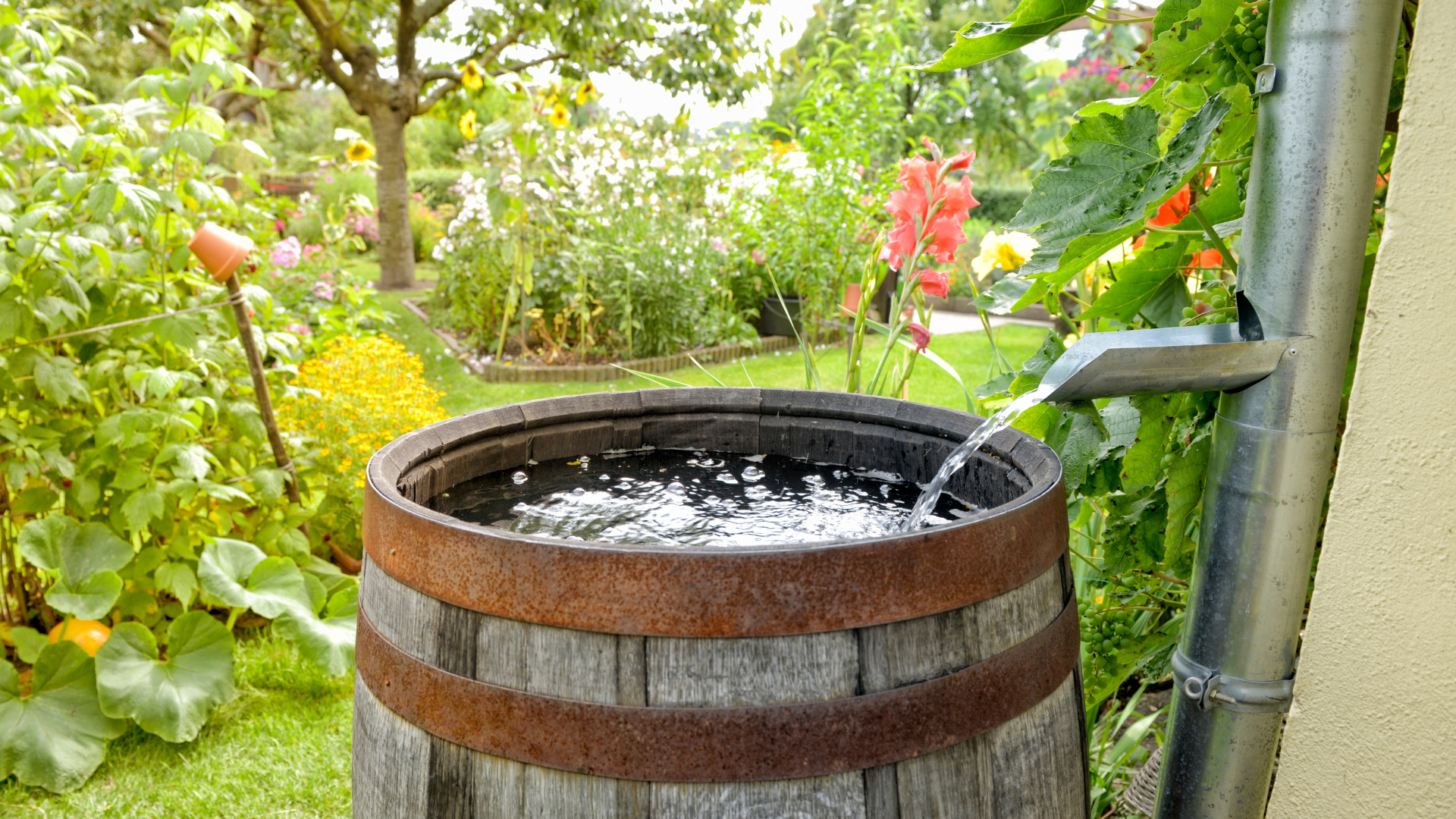
As we face drier weather and more extreme heat waves, rain barrels are an excellent way to use water more wisely and store it for times of drought. They are easy to install, can be connected to drip irrigation, and can also reduce flooding of nearby rivers and streams by holding water on land.
The Right Plant in the Right Place
Besides adjusting your watering techniques, good watering practices also start with well-placed plantings. Don’t plant a water-loving shrub like a hydrangea in a hot, dry spot. Similarly, don’t plant a drought-loving perennial like sedum in a soggy spot. Instead, carefully choose spots that align with each plant’s watering needs. If you need to transplant any perennials to give them a better location, fall is the best time to do it.
Following these watering tips in your Glenside garden will help you create a thriving and resilient landscape. Remember to adjust your watering routine based on the season, weather conditions, and your garden type. As you prepare for fall, focus on deep, infrequent watering to ensure your plants develop strong roots for winter survival. Use mulch to retain moisture and consider investing in efficient irrigation methods. For more fall watering tips, visit our independent garden center in Glenside, PA!