Grow Your Own Bouquet Garden
February 9, 2026
Beginning a cut flower garden is often as simple as stepping outside with a pair of scissors instead of adding flowers to your grocery list—and for those who want a sustainable harvest of bouquets, a little thought and planning goes a long way.
Below, you’ll find easy-to-grow flowers that bloom abundantly and hold up in vases. Plus, we’ll walk you through simple layout ideas, what to plant together, and how to keep blooms coming all season long.
What Is a Bouquet Garden?
A bouquet garden, also known as a cutting garden, is a space designed specifically for growing flowers that you can cut and enjoy indoors. The focus is on abundance, color, and plants that look good in a vase. Think of them like vegetable gardens, except ones designed for flower harvests, rather than food. While they may not feed your stomach, they feed your senses with fragrance, bright hues, and earthly beauty.
How to Use a Bouquet Garden
Flower bouquets can grace table displays, guest rooms, and creative spaces—sparking ideas for writers and inspiration for painters. They soothe our weary senses and bridge our divide with the natural world. They bring meaning to special occasions and stand as symbols of appreciation to loved ones. Besides that, they serve as special art pieces of their own, allowing us to experiment with new combinations and helping us come to know our flowers in a more personal way.
Classic Flowers to Use in Bouquet Gardens
The following flowers are easy to grow, feature bright blossoms in abundance, and have long stems that are ideal for a flower vase. These flowers are good choices for beginner cutting gardens:
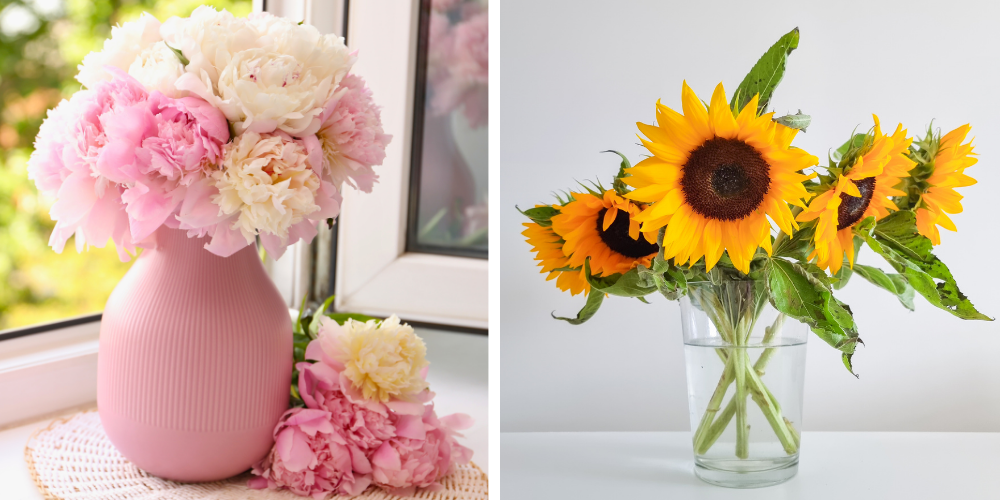
1. Peonies: are a springtime spectacle, unfolding lush, fragrant blooms that feel almost too beautiful to be real. Their flowering window is brief, but during those few weeks they deliver some of the most breathtaking displays in the gardening world.
2. Bachelor’s Buttons (Cornflower): carry an old-fashioned charm, with crisp blue blooms that feel both cheerful and refined. Cool-season lovers, they perform best when planted early and are among the first flowers ready for cutting. Their slender stems weave easily between larger blooms, bringing contrast and calm to any arrangement.
3. Snapdragons: bring height, texture, and a touch of formality to mixed arrangements. They prefer cooler temperatures, thriving in spring and again as fall approaches, when many summer flowers begin to fade. Plant them in full sun to partial shade and cut deeply to encourage longer stems.
4. Sunflowers: command attention, anchoring bouquets with strong lines and radiant faces. Branching varieties extend the harvest, offering multiple blooms over several weeks from a single plant. They start blooming in early to mid-summer.
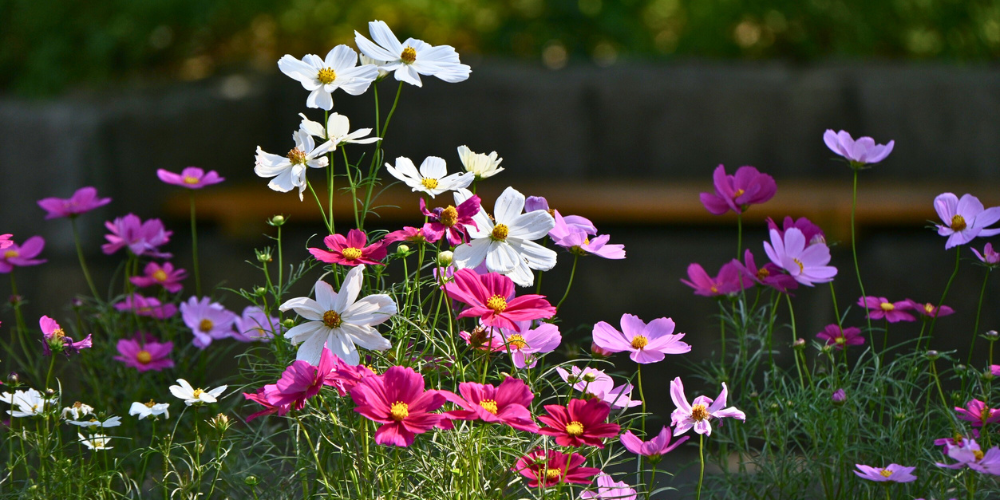
5. Cosmos: bring an effortless grace to the garden, their feathery foliage and dancing blooms catching every breeze. They come into bloom in midsummer and carry steadily through late summer, adding lightness and movement to bouquets.
6. Zinnias: flourish in the height of summer, unfazed by heat and eager to bloom with abandon. Each cut encourages fresh stems to rise, making them one of the most generous flowers a gardener can grow.
7. Dahlias: are the jewel tones of the late-summer garden, offering intricate blooms that feel almost sculptural. Though technically perennials, they require tuber lifting after frost in colder climates. Rich soil, steady moisture, and frequent cutting will keep them flowering until the first hard freeze.
 Pennsylvania Natives for Cut Flower Gardens
 Pennsylvania Natives for Cut Flower Gardens
 Native flowers may not have as much regrowth as common horticulture varieties, but their bold colors, strong fragrance, and rustic style are just as beautiful in a garden—as well as a bouquet. Here are favorites to include in cutting gardens in Glenside, PA:
1. Virginia Bluebells: emerge in spring like a whispered secret, their nodding, sky-blue bells softening woodland edges and early bouquets alike. Fleeting yet unforgettable, they offer a moment of quiet beauty before gracefully retreating for the season.
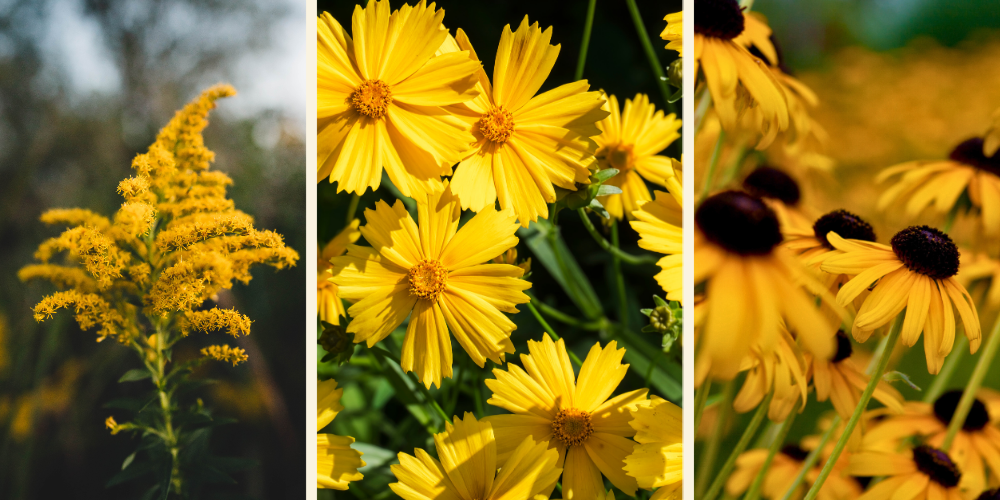
2. Coreopsis: scatters brightness through the garden like sunlight caught in motion. Its fine stems and abundant blooms soften bouquets, creating space and rhythm between bolder flowers. They begin blooming in late spring and often continue well into early summer, bridging spring into the main growing season.
3. Bee Balm: blooms with layered petals and saturated hues evoking old-fashioned cottage borders. Lightly fragrant and unmistakable in form, it adds energy and movement to floral arrangements. They bloom in early to midsummer, lighting up the garden just as pollinator activity peaks.
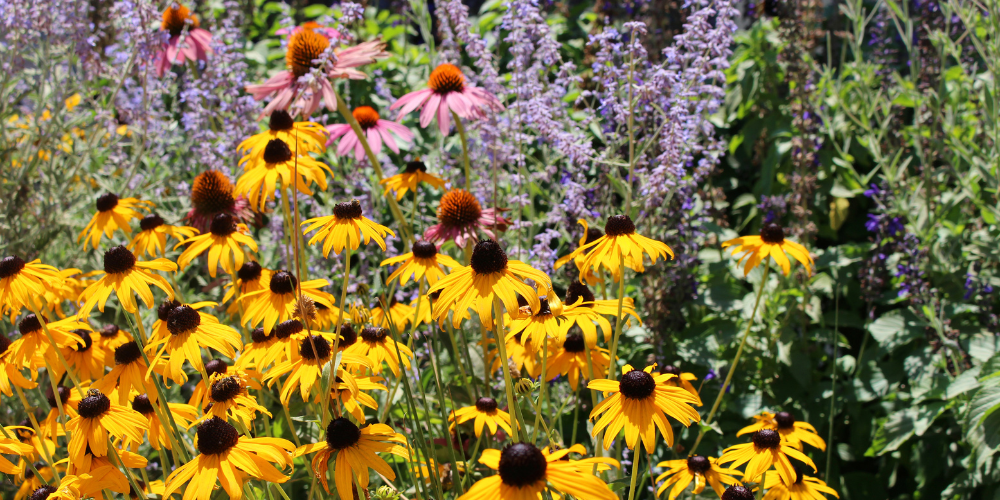
4. Black-Eyed Susan’s: golden petals encircle dark, steady centers, giving black-eyed Susan’s a grounded, sunlit presence in the garden and the vase. They come on strong in midsummer and carry on reliably through the heat.
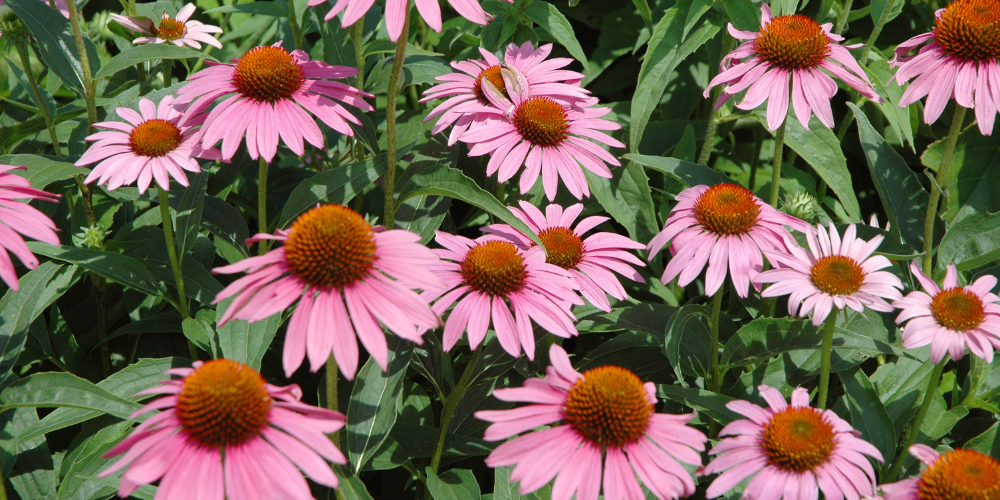
5. Purple Coneflowers: offer architectural strength, their raised centers and poised petals lending structure to any bouquet. As they age, their beauty deepens rather than fades, bringing both visual interest and pollinators to the garden. They bloom alongside black-eyed susans, often starting slightly later and lingering as seed heads mature.
6. Joe-Pye Weed: rises with quiet confidence, offering tall stems crowned with misty mauve flower heads. In late summer arrangements, it brings scale and grace, anchoring bouquets with a sense of calm abundance.
7. Goldenrod: blooms at the end of the summer season and adds warmth and gentle movement to fall bouquets. Far from troublesome, it serves as a luminous filler that bridges summer into autumn.
How to Start a Cutting Garden: Design Tips
Ideally, your bouquet garden should not only offer an abundance of flowers to cut, but should be beautiful in its own right as it is growing. With the following practices, you can make your bouquet garden pleasing, productive, and resistant to pests:
Plant in loose groupings, not straight rows: Mixing flowers in relaxed clusters creates a fuller look and allows plants to support one another through weather shifts and pests.
Blend heights for natural balance: Combine tall, medium, and low-growing flowers so bouquets have built-in structure and the garden feels layered rather than flat.
Use variety to build resilience: Growing different species side by side reduces the chance that one issue—heat, insects, or disease—will affect the entire garden.
Pair bold flowers with soft fillers: Combining statement blooms with airy or textural plants makes arrangements more interesting and keeps the garden visually dynamic.
Mix bloom times for steady harvests: Plant early, mid, and late bloomers together to keep flowers coming and avoid long gaps between bouquets. A cut flower garden for beginners works best when you focus on a few reliable blooms, plant them in sunny soil, and get comfortable cutting often so the plants keep producing all season long.
Tips for Harvesting Cut Flowers
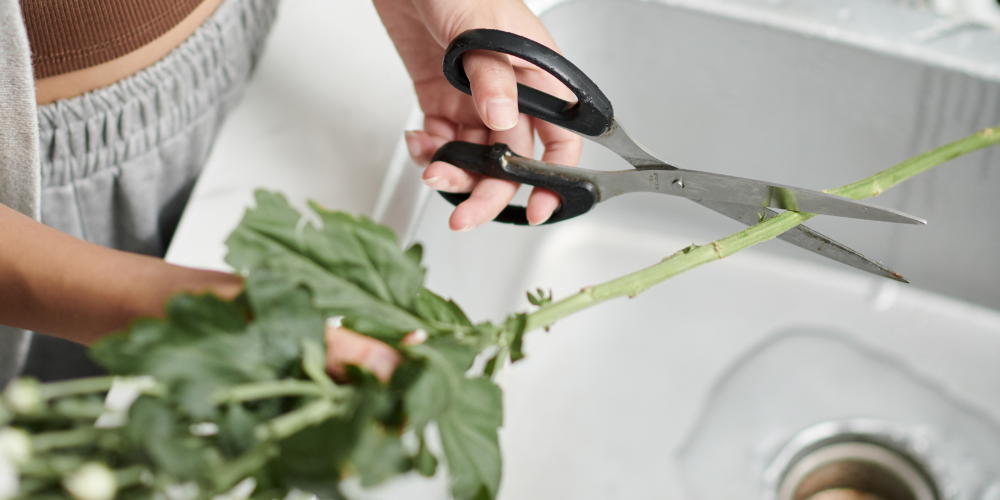
Harvest cut flowers in the early morning or early evening, when stems are full of water and blooms are at their freshest. Use clean, sharp scissors or snips to make angled cuts, which helps flowers absorb water more efficiently. Cut deeply into the plant rather than taking short stems, as this encourages stronger regrowth and longer-lasting blooms. Place flowers directly into a bucket of clean water and give them a quiet moment to rest before arranging them. Even on a tight budget, a cut flower garden for beginners can thrive by focusing on easy-to-grow plants, repurposed containers, and simple care habits that encourage steady blooms without extra cost.
If you are beginning a cut flower garden, keep in mind that you don’t have to dig up your existing garden and start from scratch. Established perennials can form a good foundation. Also, remember that you don’t have to figure everything out alone either. At Primex Garden Center, we’re here to help with ideas, advice, plants, and anything else you may need!