Growing a Cut Flower Garden
May 26, 2025
If you’ve ever wondered how to grow a cut flower garden and fill your home with fresh, homegrown blooms, you’re about to begin a colorful and rewarding journey. Growing your own cut flowers is a wonderful way to bring beauty indoors, share flowers with friends, and create a little pollinator paradise in your backyard. Whether you’re dreaming of elegant bouquets or cheerful mason jar arrangements, this guide is your first step.
What Are Cut Flowers? A Brief History
Cut flowers are blooms specifically grown and harvested for use in floral arrangements, bouquets, or decorative displays. The practice of growing and cutting flowers dates back thousands of years—ancient Egyptians, Greeks, and Romans used cut flowers in ceremonies, art, and daily life. In the Victorian era, cut flower gardening became especially popular, with elaborate gardens designed solely for floral arrangements. Today, cut flower gardens remain a cherished tradition, blending beauty, creativity, and a touch of history in every stem.
Getting Started: Finding the Right Spot for Your Flowers to Shine
Choosing the right location is the first important step. Most cut flowers thrive in full sun, so pick a spot in your yard that gets at least six hours of sunlight per day. Make sure the area has good drainage—flowers like to sip water, not sit in puddles. In Glenside, where we enjoy four distinct seasons, positioning your flower garden in a sheltered but sunny space helps it flourish throughout the growing months.
Healthy Soil for Blooming Success
Healthy flowers grow best in rich, well-aerated soil. Before planting, take a few minutes to dig into your garden bed—if your soil crumbles easily and looks dark and rich, you’re in good shape. If it’s heavy or compacted, simply add compost, leaf mold, or aged manure to improve structure and nutrients. Glenside gardeners often deal with some clay in the soil, so these natural amendments go a long way toward creating a healthy home for roots.
Choosing the Right Flowers for Your Garden
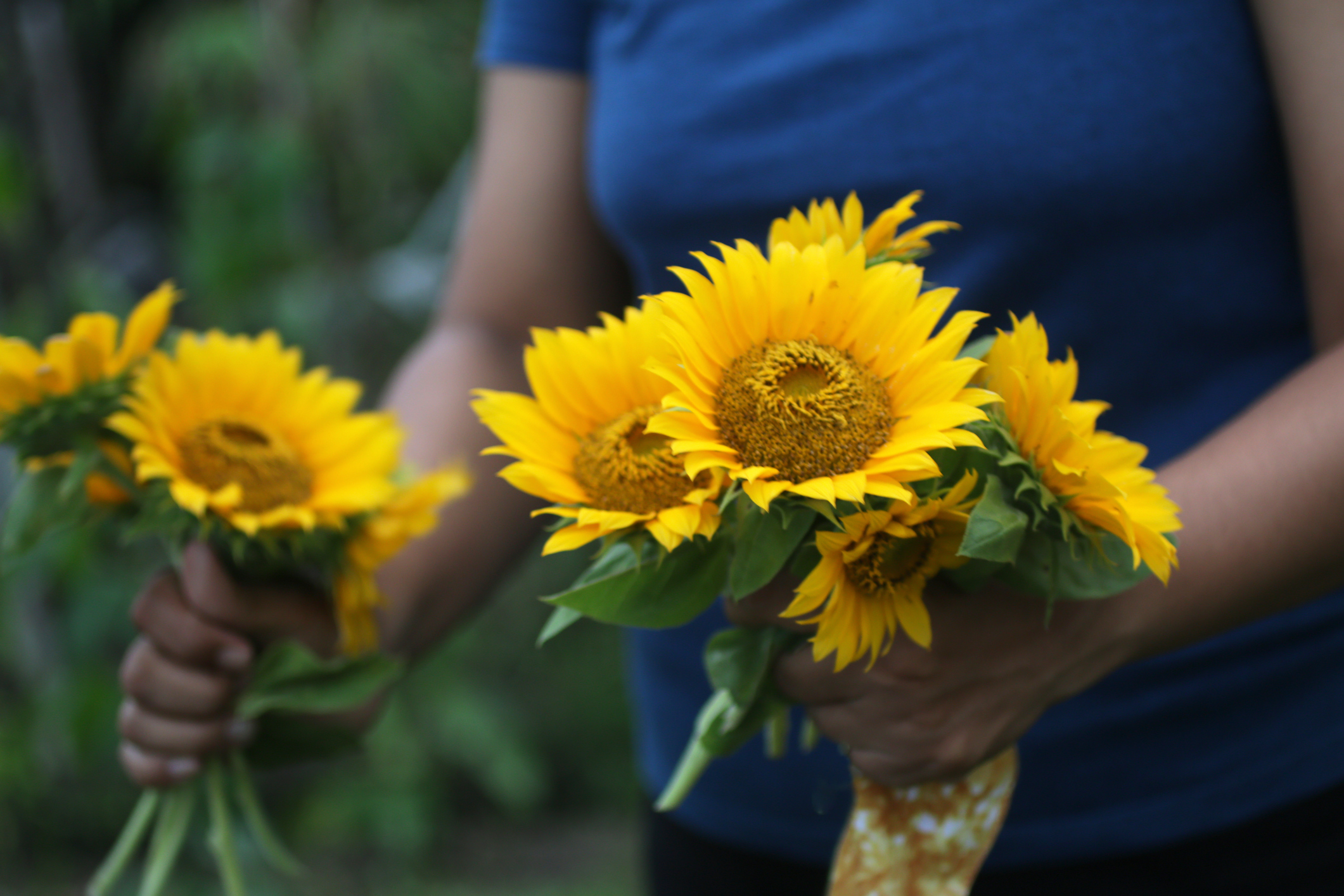
When deciding what to grow, it’s best to choose reliable, beautiful varieties that do well in our Pennsylvania climate. Zinnias, cosmos, snapdragons, sunflowers, calendula, amaranth, and marigolds are all excellent choices. These are also some of the best easy flowers for beginner gardeners because they’re cheerful, generous with their blooms, and easy to grow from seed or transplant. These flowers bloom in succession, making them ideal for regular harvesting and arranging.
Can You Grow Native Flowers in a Cut Flower Garden?
Absolutely—you can (and should!) use native flowers in a cut flower garden. Native blooms thrive in our climate. They also attract pollinators, support local ecosystems, and add unique texture and color to your arrangements. Plus, they tend to be hardy and long-lasting, making them both garden- and vase-friendly for Pennsylvania gardeners. Here are some top picks to include:
- Purple Coneflower – Blooms from midsummer into fall with large, daisy-like flowers in shades of pink and purple. Great for sunny spots and long vase life.
- Black-Eyed Susan – These cheerful yellow flowers bloom all summer and pair well with just about everything.
- Blazing Star – With tall spikes of purple, this flower adds vertical drama to bouquets and attracts butterflies like crazy.
- Bee Balm – Bold and frilly, bee balm comes in reds, pinks, and purples. It smells amazing and the pollinators love it.
- Wild Bergamot – A softer, lavender-toned cousin of bee balm that’s equally vase-worthy and pollinator-approved.
- New England Aster – A late-season bloomer with violet-purple flowers that brings fresh color to fall arrangements.
Starting from Seed or Picking Up Plants
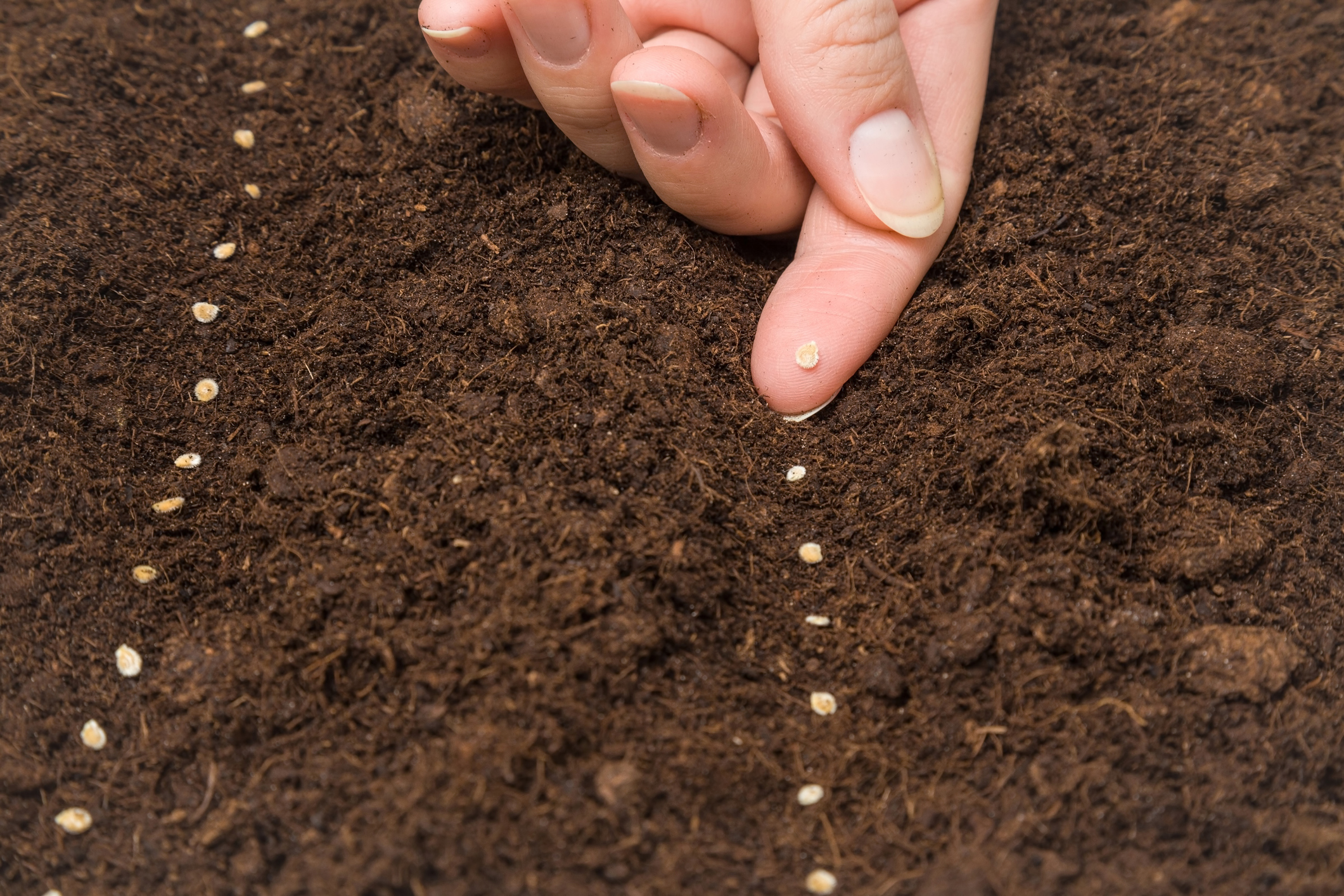
You can start flowers from seed indoors in early spring or directly sow them into your garden once the danger of frost has passed—usually around mid-April in Glenside. If you’re new to gardening or short on time, purchasing starter plants from your local nursery is a great option. Either way, you’ll enjoy watching your garden grow from tiny beginnings into something truly vibrant.
Planning a Cut Flower Garden Layout
For a DIY flower garden layout, think beyond straight rows and plan to make a design that’s beautiful outside too, not just in the vase. Group different heights, colors, and bloom times together to create a vibrant, layered look. Planting in groups of odd numbers makes attractive drifts and clumps. Mixing flower types also helps confuse pests and reduces the risk of one bug wiping out a whole row.
Succession Planting for Constant Blooms
To keep your vases full from spring through fall, plant flowers with different bloom times and practice succession planting. This means sowing the same flower seeds every two to three weeks during the early part of the growing season. For example, plant new zinnias or cosmos every few weeks between May and July to ensure a steady supply of blooms. In our Pennsylvania climate, this method helps extend the season and ensures fresh flowers are always on hand.
Watering Your Cut Flower Garden
Consistent watering is essential for healthy plants. Your flowers should receive about an inch of water each week, whether from rainfall or your hose. Water deeply at the base of the plants to encourage strong roots, and try to water in the morning so the leaves dry quickly. Our Glenside summers can be warm and humid, so watering at the right time helps keep your plants happy and healthy.
Harvest Often to Encourage More Flowers
Here’s one of the best secrets of flower gardening: the more you cut, the more they bloom! Most cut flowers, including zinnias, cosmos, and dahlias, respond well to regular harvesting. Cut stems early in the morning when the flowers are well hydrated, and place them right into a bucket of cool water. Regular harvesting not only fills your home with color but also encourages your garden to keep producing.
Keeping an Eye Out for Visitors
Every garden attracts a few curious critters. You may spot aphids, beetles, or slugs, which are common in Pennsylvania gardens. Don’t worry—many issues can be solved with natural methods like insecticidal soap or by encouraging beneficial insects like ladybugs. Adding companion plants like dill and yarrow can also help attract the helpful bugs and support a balanced garden ecosystem.
Tips for Long-Lasting Bouquets
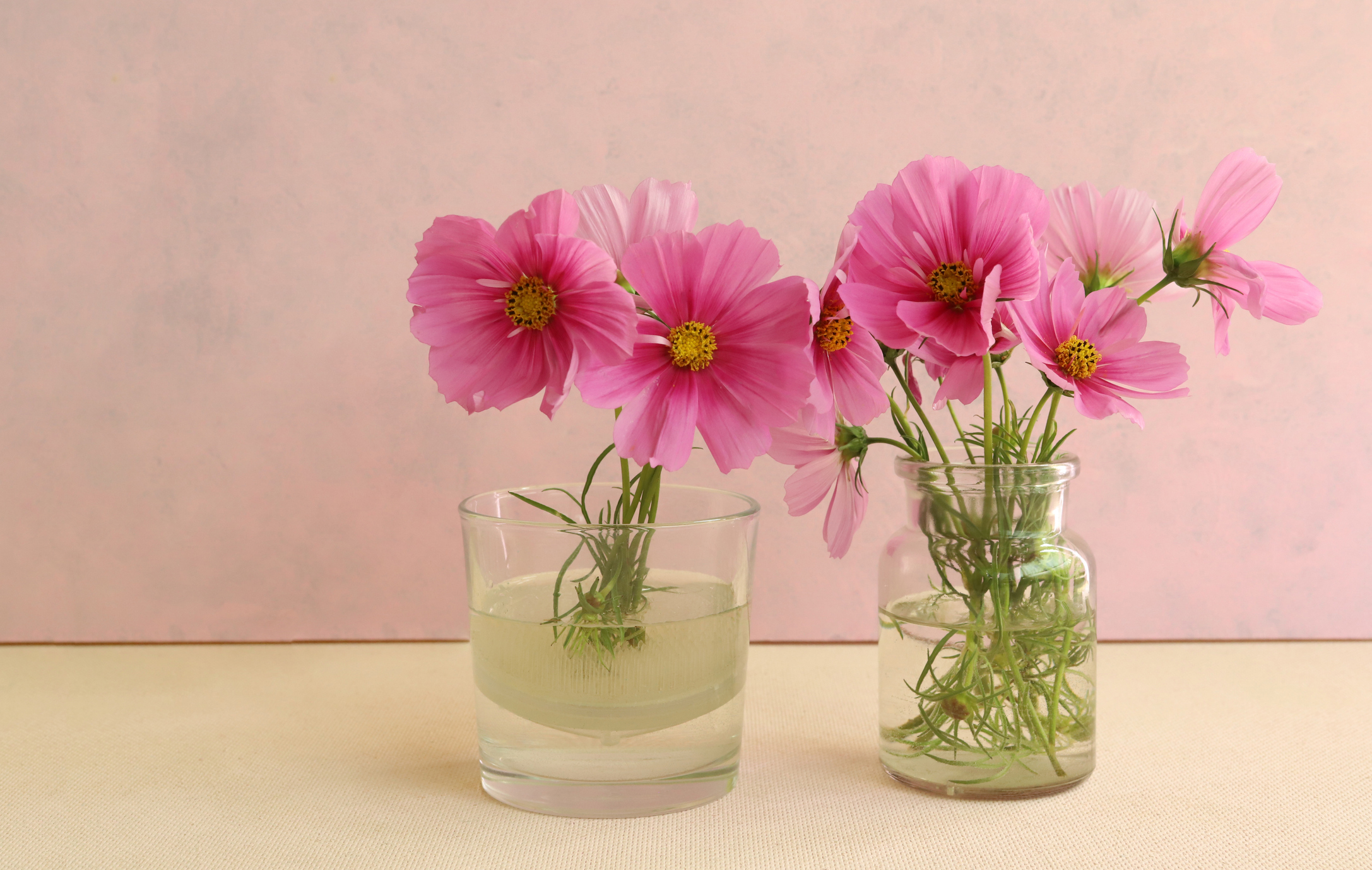
To create bouquets that stay fresh and vibrant, harvest flowers just before they’re fully open. Remove any leaves that will sit below the waterline in your vase to prevent rot, and place the flowers in clean water right away. Recut the stems at an angle every couple of days and refresh the water often. With a little care, your garden-grown flowers can brighten your home for up to a week or more.
Sharing the Joy of Flowers
One of the most special parts of growing a cut flower garden is the joy it brings to others. Whether you’re brightening a friend’s day with a cheerful bouquet or teaching a child how to gently cut blooms, flowers have a special way of bringing people together. You might even start a new tradition of giving homegrown bouquets for birthdays, holidays, or just because. Growing flowers invites beauty, kindness, and creativity into our lives and into our communities.
A Garden That Grows More Than Flowers
Learning to grow a cut flower garden is about more than filling vases—it’s about cultivating peace, color, and creativity just outside your door. With the right location, a little planning, and steady care, your flower garden will become a cherished part of your life. So get your gloves, gather your seeds, and start planting your way to a season full of blooms. For more cut flower garden tips for Glenside, PA, visit our garden center and join your local gardening community in celebrating the joy of growing and giving.