Attracting Beneficial Insects: Tips for a Thriving Garden
July 22, 2024
Beneficial garden insects are the unsung champions working tirelessly to keep your plants healthy and thriving. From the charming ladybug to the hungry green lacewing, these tiny critters play a vital role in maintaining a balanced garden ecosystem. Let’s dive into the world of beneficial bugs and uncover why you need them in your garden!
What Are Beneficial Insects?
Many people grow up with the assumption that bugs in your garden are a bad thing, an assumption that is far from true. The vast majority of bugs in your backyard are either beneficial or completely harmless; in fact, many of these bugs are actually working hard to keep your garden’s true pest populations under control, pollinate your crops, and decompose organic matter for your soil. As foundational as rain and sunshine, beneficial insects are essential for creating healthy ecosystems in your garden and beyond. Here are examples of their specific roles:
- Pest Control: Many beneficial insects are natural predators of common garden pests. For instance, ladybugs and lacewings are famous for their appetite for aphids!
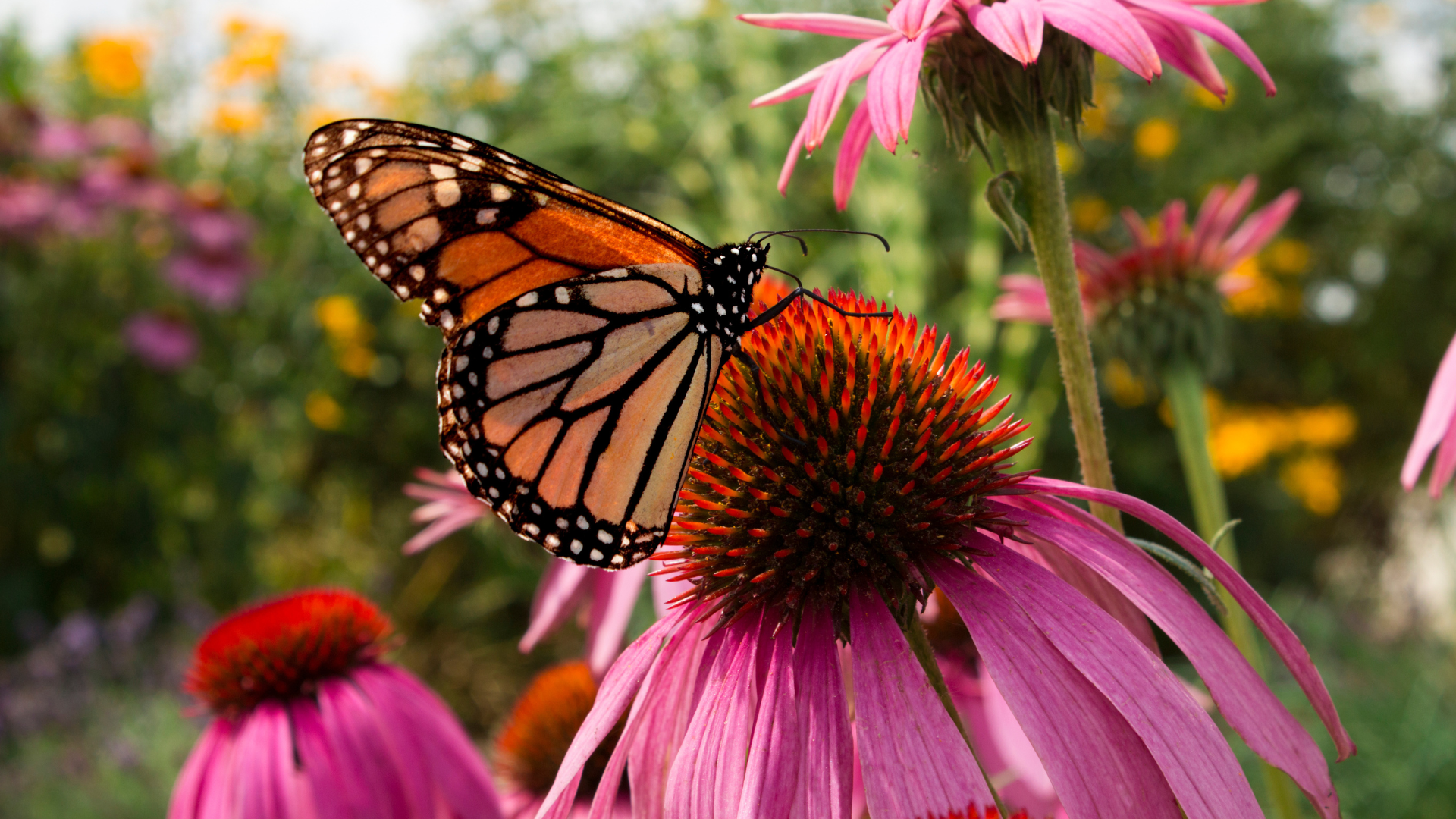
- Pollination: Insects like bees, butterflies, hoverflies, and certain beetles pollinate plants, allowing plants to reproduce and produce fruits, grains, and vegetables. Without them, we wouldn’t have food!
- Soil Health: Some beneficial insects, such as certain nematodes, help maintain soil health by decomposing organic matter and controlling soil-dwelling pests.
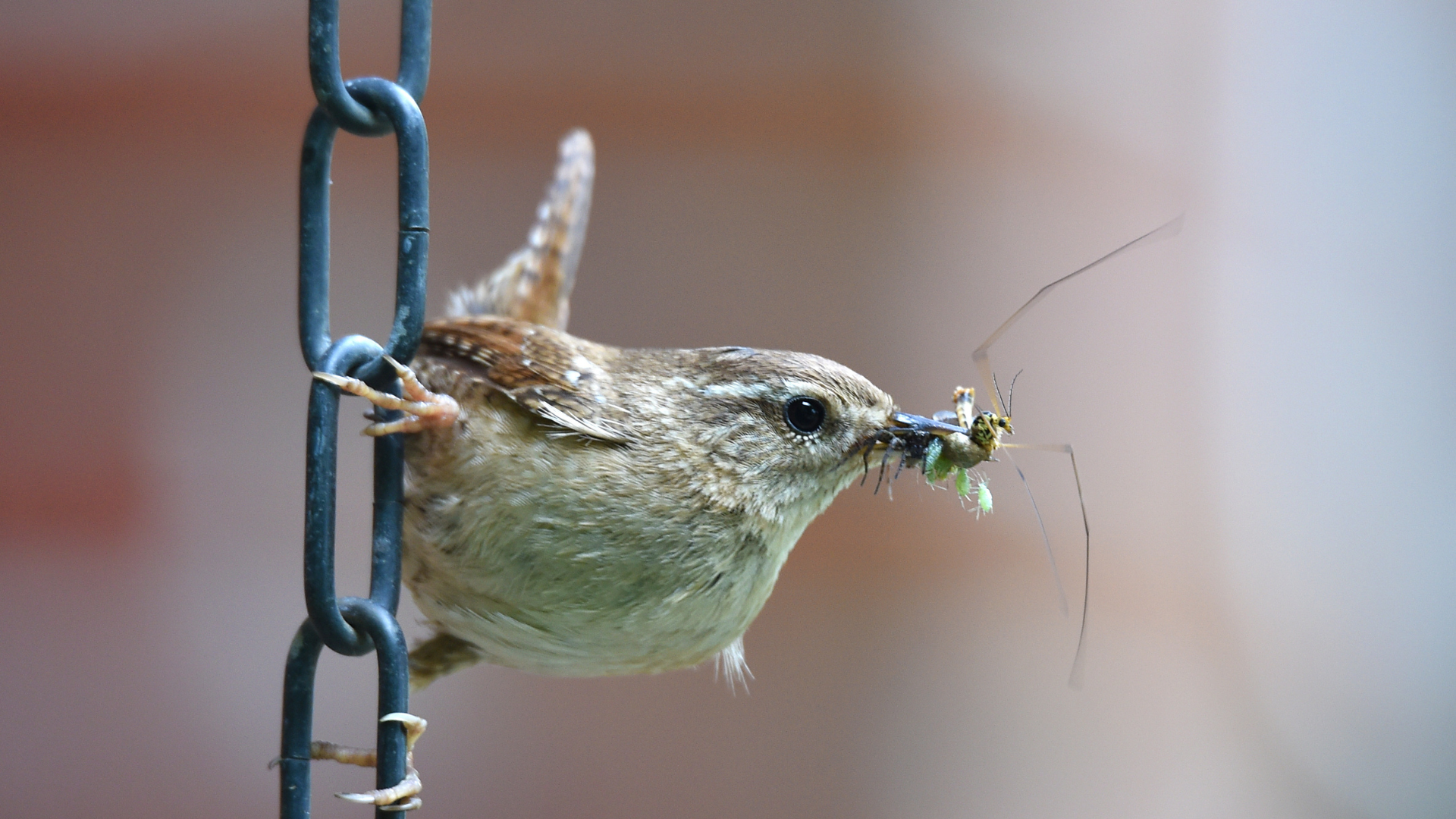
- Food for Songbirds and Other Animals: Besides helping us grow food, the insects in your garden are also important food sources for other beneficial animals, like woodpeckers, songbirds, hummingbirds, frogs, and fish. So, if you have beneficial bugs, you’re more likely to attract beautiful wildlife to your yard!
The Tiny Heroes of Your Garden
Let’s now take a look at some of the most common beneficial bugs you’ll find in your garden!
Ladybugs: The Spotty Sentinels
Ladybugs, or ladybirds, are easily recognized by their bright red or orange shells adorned with black spots. Don’t let their cute appearance fool you, however; these beetles are fierce predators, especially when it comes to aphids. A single ladybug can devour up to 50 aphids a day, making them invaluable for pest control. They also munch on mites, scale insects, and other soft-bodied pests.
Attracting ladybugs to your garden is as simple as planting dill, fennel, or marigolds, which provide food and habitat for these beneficial insects.
Fun Fact: There are roughly 450 native ladybug species in America. Count the number of their spots to discover the different kinds you see!

Green Lacewings: The Aphid Lions of the Insect World
Green lacewings are invaluable allies in the Pennsylvania garden due to their voracious appetite for common garden pests. These delicate-looking insects, with their lacy wings and bright green bodies, are particularly effective at controlling aphids, caterpillars, and mealybugs, which can cause significant damage to plants. Lacewing larvae, known as “aphid lions,” are especially beneficial as they can consume hundreds of pests in their development stage. By introducing green lacewings to your garden, you’re opting for a natural, eco-friendly pest control method that reduces the need for chemical insecticides, fostering a healthier and more balanced ecosystem.
Mantids: The Stealthy Garden Predators
Mantids, commonly known as praying mantises, are exceptional guardians of the garden, offering natural pest control with their stealthy hunting techniques. These fascinating insects, with their elongated bodies and predatory stance, are highly efficient at managing a variety of garden pests. Mantids prey on harmful insects like beetles, grasshoppers, crickets, and caterpillars, which can wreak havoc on garden plants. Their ability to blend into their surroundings allows them to ambush unsuspecting prey, making them formidable hunters. By welcoming mantids into your garden, you promote an eco-friendly approach to pest management, reducing the reliance on chemical insecticides and supporting a healthy, vibrant ecosystem.
Nematodes: The Invisible Warriors
Nematodes might not be as visible or glamorous as ladybugs, but their impact is profound. These microscopic roundworms live in the soil and target pests like grubs, beetle larvae, and root weevils. By infecting and killing these pests, nematodes help maintain soil health and prevent plant damage.
Incorporating nematodes into your garden is relatively simple; they can be purchased as a soil amendment and applied directly to your garden bed. Ensure you follow the instructions for the specific nematode species you use, as each targets different pests.
Creating a Bug-Friendly Garden
You can introduce all these bugs to your garden directly by purchasing them at your local garden center. However, besides that, there are other key ways to foster healthy bug populations in your yard:
Habitat: Designing for Diversity
A garden that supports beneficial insects is a garden teeming with life, so start by providing diverse habitats for a range of different critters. Incorporate elements like rocks, logs, and mulch, which offer shelter and breeding grounds, as well as water sources, such as bird baths or shallow dishes, which also attract insects.
We also recommend leaving some areas of your garden a bit wild. Overly manicured spaces may look neat but often lack the complexity that beneficial insects need. Native plants are particularly effective in creating a welcoming environment, as they are well-suited to local insects and provide the resources they need to thrive.

Plant Selection: The Right Blooms for Bugs
Certain plants are magnets for the bugs we love. Herbs like dill, fennel, and cilantro are excellent for attracting beneficial insects, like ladybugs and other predators, while flowers such as marigolds, daisies, and sunflowers provide essential nectar and pollen for insects like hoverflies and lacewings.
Incorporating a variety of plants that bloom at different times ensures a continuous food supply for beneficial insects throughout the growing season. This diversity not only attracts beneficial bugs but also supports their lifecycle, from egg to adult.
Organic Practices: Say No to Chemicals
One of the best ways to support beneficial insects is by practicing organic gardening. Pesticides and herbicides can be harmful to these helpful critters, so use natural pest control methods, like companion planting, crop rotation, and manual pest removal, instead. Organic fertilizers and compost also promote soil health and benefit your garden’s entire ecosystem, creating a more hospitable environment for nematodes and other soil-dwelling beneficial insects.

More Glenside, PA Gardening Tips to Support Beneficial Bugs
Making small adjustments to your seasonal garden and yard chores can also make a big difference in keeping these bugs around year after year. Here are a few key practices to help you support the full lifecycle of good bugs:
- Leaf Litter: Leave some leaf litter in your garden beds over the winter for hibernating insects, like ladybugs and solitary bees.
- Time Your Clean-Up: Wait until you see ladybugs emerge in the spring before cleaning up your garden and yard. Otherwise, you’ll unknowingly rake them up.
- Flower Stalks: Leave some seed and flower stalks standing over winter, as they provide more nesting and overwintering sites for beneficial insects. If you’re worried this might ruin your winter aesthetic, check out our blog on the New Perennial Movement to see how you can appreciate the beauty of dead and spent flower stalks!
- Watch for Cocoons: Look out for chrysalises or cocoons on shrubs and perennials and be mindful not to prune them off, as they’re actually butterflies that are undergoing metamorphosis. If you see a cocoon in your garden, be proud that you’ve created such a good insect habitat!
Troubleshooting and Common Questions
Tip #1: Identifying Beneficial Insects
Recognizing beneficial insects is crucial. Ladybugs are easy to spot, but others, like predatory beetles or parasitic wasps, may not be as obvious. Use field guides or online resources to help identify these helpful bugs.
Tip #2: Encouraging Bug Populations
Maintaining a population of beneficial insects can be challenging, so ensure you provide them with consistent food sources and habitat in your garden. If populations dwindle, reintroduce insects through reputable suppliers.
Beneficial garden insects play crucial roles in maintaining a healthy garden ecosystem and help control pests, improve soil health, and support plant growth. By creating a bug-friendly garden, you can enjoy a thriving landscape while promoting sustainable gardening practices. If you’re looking to purchase beneficial garden insects like ladybugs, nematodes and mantids, come see us today at Primex Garden Center where your garden’s health is always our business!