The Benefits of Companion Planting
June 17, 2024
The benefits of companion planting are profound and wide-reaching. Growing certain plants together creates relationships that enhance yields, resist pests, maximize space, and improve flavor. Far from being a new-fangled practice, this gardening technique goes back to ancient cultures around the world and we want to show you how to apply it to your own vegetable garden today!
What is Companion Planting?
Companion planting is the art of creating beneficial relationships in the garden. Instead of planting your crops in neat rows all separated, companion planting recognizes that plants can be paired together to enhance desired traits or increase yield. For example, growing nasturtiums beside kale, cabbage, and broccoli can lure away pests, while beans can fix nitrogen for neighboring corn. In short, plants grow better in relationships, and we can use this knowledge to boost our gardens!
The Historical Roots of Companion Planting
Companion planting isn’t a new gardening trend; in fact, it has deep roots in ancient agricultural traditions. From the intercropping methods of indigenous cultures to the agricultural systems of medieval and Renaissance Europe, humans have long recognized the benefits of planting companions.
One of the most famous historical examples of companion planting is the “Three Sisters” method originating from the Iroquois people of North America. Corn, beans, and squash are planted together in a mutually beneficial trio, with corn providing support for beans, beans fixing nitrogen in the soil, and squash acting as a living mulch to suppress weeds and retain moisture.
What are the Main Benefits of Companion Planting?
There are so many ways that companion planting can produce desirable results in your garden. Here are just a few of them:
- Pest Control: Strategic companion planting can prevent common pest problems in your garden. Some strong-smelling plants may repel pests with their scents, while others may serve as plant traps, drawing pests away from desired crops. Specific flowers can also attract beneficial predatory insects like ladybugs, which can prevent aphids and other unwelcome guests from damaging your veggies and other plants.
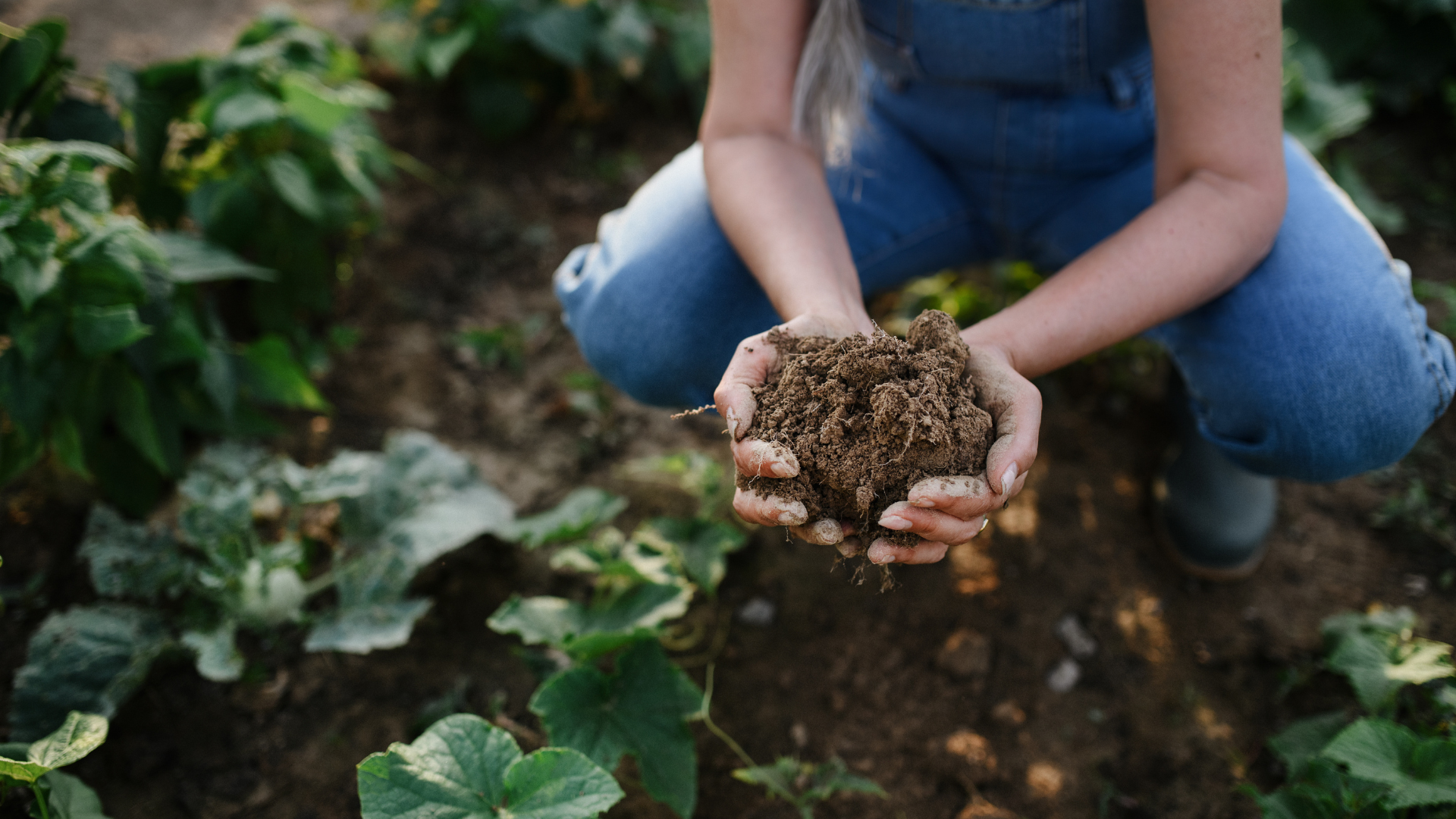
- Enhanced Soil Fertility: Nitrogen-fixing plants draw this essential nutrient from the air and deposit it into the soil. Beans, clover, peas, and legumes are all common nitrogen-fixing plants. Other plants with deep tap roots, like comfrey, store minerals and nutrients in their roots, which helps improve soil structure and drainage. If left in the ground over winter, these roots decompose and return those nutrients to your soil

Enhanced Yields: Growing certain flowers near your vegetables attracts more pollinators to your garden, which improves the yields of fruiting crops like tomatoes, strawberries, peppers, cucumbers, and squash. Companions can also change the soil biochemistry for their neighboring plants, leading to better flavor and stronger plants.
Space and Structure Optimization: Space is precious in the crowded world of gardening. By pairing tall plants with low-growing ones or mixing shallow-rooted veggies with deep-rooted companions, companion planting allows you to make the most of every inch of soil, optimizing your space and increasing your harvest yield. Companion planting also finds ways to use one plant’s shade or tall stalks to benefit their neighbors, as in the ancient practice of the Three Sisters.
Common Examples of Vegetable Companion Planting
- Tomatoes and Basil: Basil repels pests like aphids, whiteflies, and spider mites while enhancing the flavor of tomatoes and attracting pollinators.
- Carrots with Onions and Chives: Onions deter carrot flies, while chives ward aphids, mites, and flies away from your carrots and improve their flavor.
- Beans and Corn: Beans fix nitrogen in the soil, benefiting corn, while corn stalks provide supports for your beans to climb.
- Lettuce, Spinach, and Tall Plants: Both lettuce and spinach enjoy the shade provided by taller plants, while their shallow roots don’t compete for space with their deeper-rooted companions. Try growing them in the shade of tomatoes, peas, or pole beans.
- Cucumbers and Radishes: Radishes repel cucumber beetles and deter fungal diseases, while cucumbers provide shade for radishes.

- Marigolds and Everything: Marigolds emit a pungent odor that repels a wide range of pests, including nematodes, aphids, and onion maggot flies, making them excellent companions for almost any plant
- Peppers and Petunias: Petunias act as trap plant for aphids, which are common pests for pepper plants.
- Squash and Nasturtiums: Nasturtiums attract aphids away from squash plants by acting as sacrificial plants, sacrificing themselves to protect the squash.
- Cabbage with Dill, Sage, and Garlic: Dill attracts beneficial insects like predatory wasps, which prey on cabbage pests like cabbage worms and aphids. The strong scent of garlic and sage also deter cabbage moths.
- Potatoes and Horseradish: Horseradish deters potato bugs and protects potatoes from fungal diseases, while potatoes provide a living mulch to suppress weeds and retain moisture for horseradish.

The Aesthetic Benefit of Companion Planting
Besides enhancing yields, companion planting also improves the overall beauty of your vegetable garden. Instead of having simple rows of vegetables, mixing annual flowers and herbs amongst your vegetables imbues your garden with gorgeous pops of color, textures, and scents.
Companion Planting Tips: How to Get Started
- Think Like a Companion Planter
The first step to companion planting is to shift your focus away from individualistic plantings and towards beneficial pairings. Before you sow a vegetable, ask: What other vegetables grow well with this plant? What annuals or herbs would benefit them? Give special attention to crops susceptible to pests, like brassicas, as companion planting can greatly benefit them.
- Research Your Plant Companions
Almost every vegetable has specific companions that pair well with it and enhance its growth. Research the companion plants for each of your specific vegetables, or come visit your local gardening experts here in Glenside, PA, for our friendly advice!
- Plan Your Garden Layout
Companion planting requires a much more nuanced approach to garden layout. Instead of sowing plants wherever it’s convenient, choose your companions first and then plan accordingly. While this takes more forethought, it reduces your stress and workload while enhancing yields in the long run.
At the end of the day, companion planting is like hosting a garden party where plants mingle and collaborate for mutual benefit. It’s all about strategically pairing different plants based on their complementary traits to promote growth and ward off pests. For more information on the benefits of companion planting and advice on all the planting possibilities available to you, come see us at Primex Garden Center today!