Annuals vs. Perennials: How to Decide What Belongs Where
March 2, 2026
Have you ever wondered what’s better—annuals vs. perennials? The short answer is usually, “both.” The best gardens draw on both types of plants to create a more dynamic and diverse display. The key is to get familiar with the special gifts of each, so you can use them to their greatest effect in your garden.

Annuals 101: A First Glance
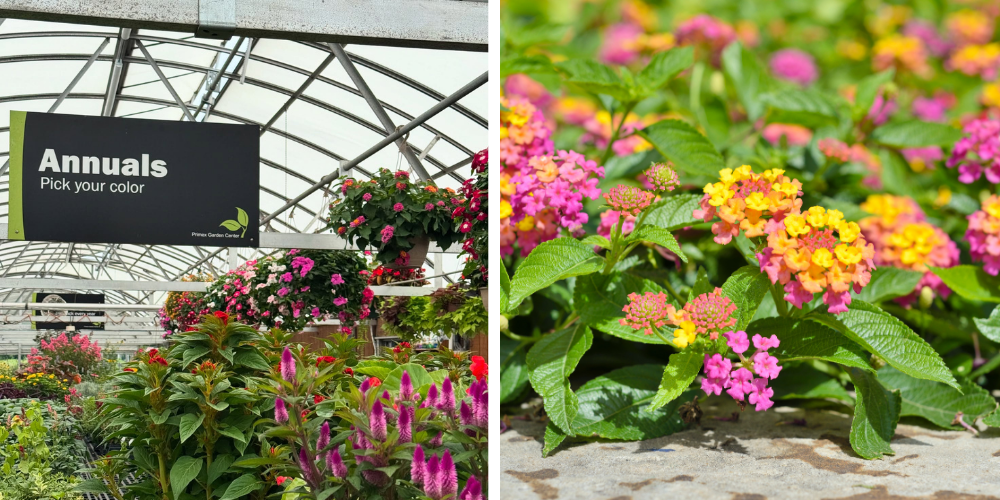
Annuals are plants that complete their life cycle in one growing season. They sprout, bloom, set seed, and fade within a single year. Because of this urgency, they often bloom generously and continuously.
This makes annuals excellent for filling gaps and creating immediate impact. They shine in containers, borders, and high-visibility areas where steady color matters. If you want bold combinations or enjoy experimenting with new looks each year, annuals are your go-to. They allow you to refresh your design without long-term commitment.
When to Use Annuals: Key Traits
- An Explosion of Color
Annuals bring instant blossoms to your garden. Before perennials have bloomed and vegetables have sprouted, they add color to your waiting soil. Like the James Dean of flowers, they bloom profusely in a single season, putting on a performance that some perennials simply can’t match.
- A Changeable Garden
Annuals bring a new design to your garden every year. You can enjoy nasturtiums where you had sunflowers before, and plant begonias where your carnations once flourished. Like a box of pastels, annuals color your garden differently with each new season and bring new themes to your garden for the spring, summer, and fall.
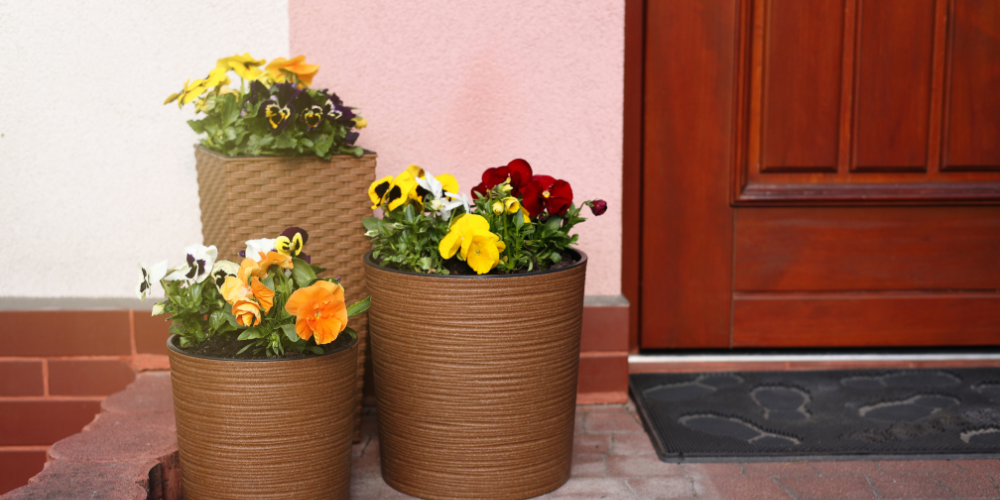
- Containers and Difficult Locations
Annuals are especially helpful in challenging spots. Containers, window boxes, and small patios are the perfect places to plant annuals, whereas perennials might struggle to get established in these sites.
- Filling Empty Spots
Any empty spot can be filled with annuals in your garden. You can tuck them in between perennials, vegetables, and in highly visible areas. Where a perennial would be crowded out in more than a year, an annual can fill the space with flowers for a season.
- A Cut Flower Garden
Annuals serve purposes beyond the garden. They also make beautiful additions to bouquets and flower vases. When planting your garden, you can also choose varieties to use for cut flowers.
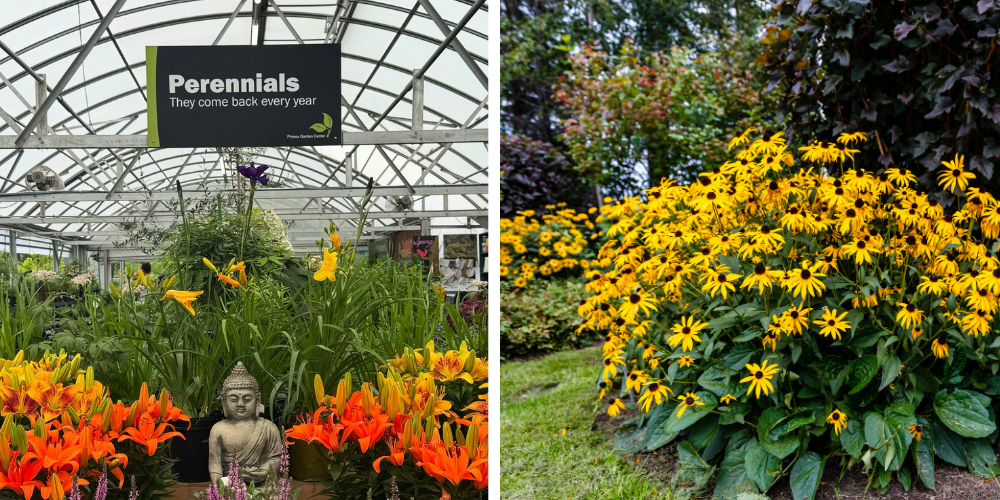
Introducing Perennials: A Long-term Friend
Perennials return year after year, growing stronger as their root systems establish. While their bloom time may be shorter than annuals, their structure provides consistency. Many perennials expand gradually, filling space and anchoring a planting bed.
The advantage of perennials is stability. Along with trees and shrubs, perennials form the foundation of a landscape design. Once established, many require less water and fewer replacements. When gardeners understand the difference between annuals and perennials, they begin to see how permanence shapes design decisions.
How to Use Perennials
- Flowers that Return
In contrast to the fast fashion of annuals, perennials are reliable friends that return every growing season. You can count on them each year to shine in their time of blooming. After they’re spent, perennials still provide important leaves to keep your garden abundant and filled with life.
- They Create Order and Structure
Perennials bring design and layout to your garden. Without them, you’d have an empty patch of soil every spring. With them, you have patterns, layers, and combinations of plants that create abundance, complexity, and beauty over time. With perennials, you don’t have to start from scratch every year.
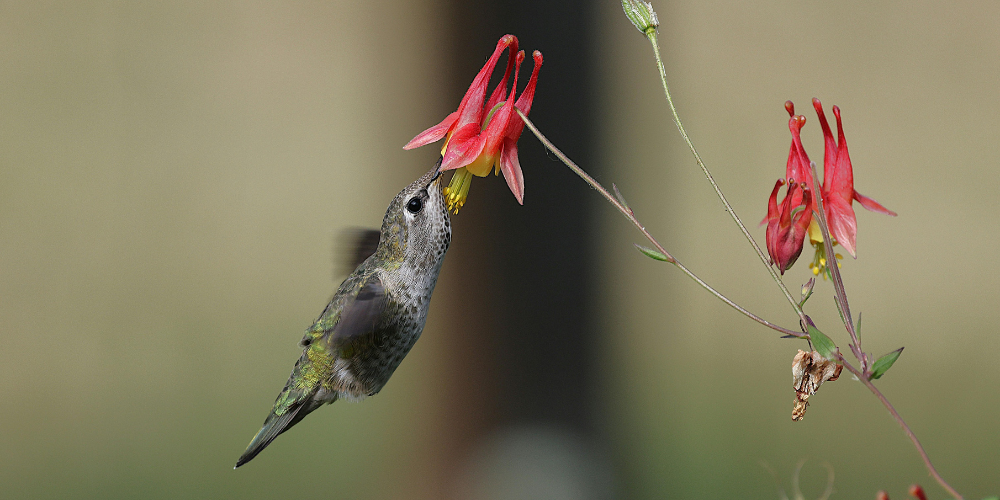
- Habitat, Biodiversity, Ecology
Perennials give living opportunities for songbirds, butterflies, dragonflies, bees, ladybugs, and so many other wonders of nature. They are richer in pollen than annuals and provide essential twigs, leaves, and leaf litter for a greater diversity of life. A sign that your garden is really doing well is when you attract many insects and birds. A diversity of perennials, especially native species, is essential for this.
- Lower Maintenance, Higher Resilience
Perennials are usually tougher and require less water than most annuals. That’s because they’ve had many years to grow roots and are better adapted to our climate. Annuals are like exotic guests that often travel from foreign countries for the warm months. Perennials know how to live year after year in better harmony with our surroundings, especially if we give them an ideal spot to begin with.
Combining Both for Balance
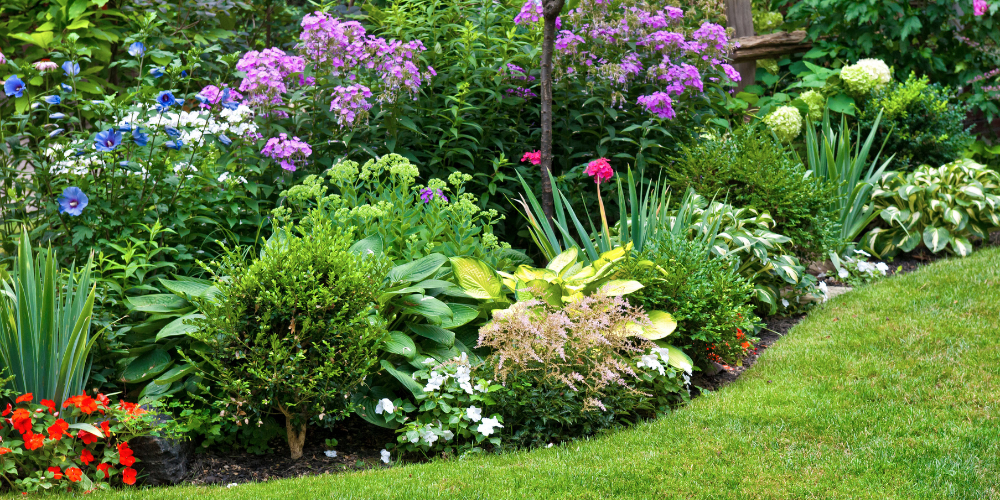
The most dynamic gardens combine both annuals and perennials. Perennials establish the structure, while annuals weave in seasonal color. This partnership allows flexibility without sacrificing stability. The result feels full, layered, and complex.
For example, plant perennials as anchors in a border, then tuck annuals into open pockets. As perennials mature, you can adjust annual placement each year. This creates a garden that evolves naturally. It also keeps design playful and responsive.
Planting with the Seasons
During spring gardening in Glenside, gardeners often balance cool-season annuals with emerging perennials. Early-blooming annuals can bridge the gap while perennials awaken. This creates continuity through changing temperatures.
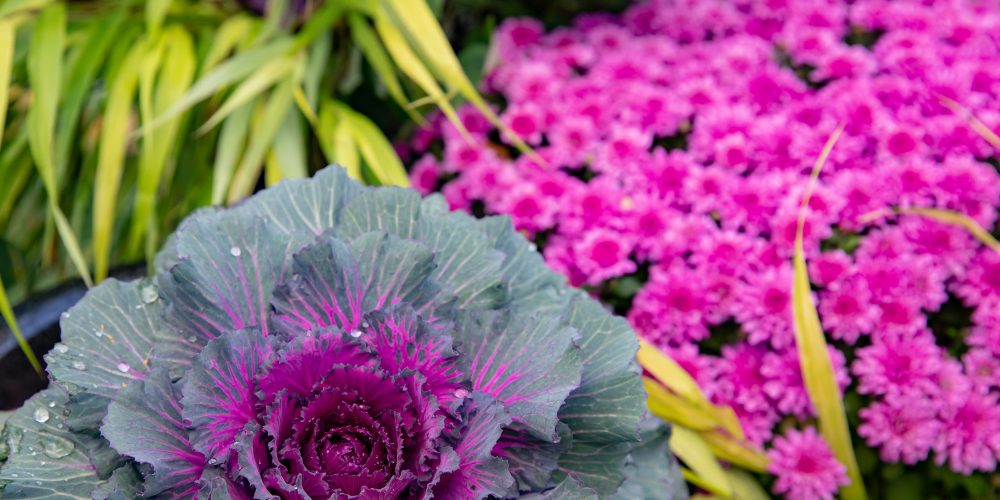
Summer-blooming annuals can serve a similar role in July and August once spring perennials have faded. Chrysanthemums in the fall are another annual that brings beauty to the garden as the seasons change. These late-season bloomers awaken as summer perennials start to go to bed.
Planning Your Approach
Before annuals or perennials, pause and consider your goals. Are you seeking year-round structure, bursts of seasonal color, or a mix of both? Learning how to plan a spring garden begins with clarity about your priorities. Design is less about impulse and more about intention.
Sketching your space can help you visualize placement. Mark where permanent plants will anchor the design. Then identify areas where seasonal annuals can rotate. This layered planning approach supports both novelty and organization.
Budget and Long-Term Investments
Budget considerations matter in any garden plan. Annuals may seem less expensive upfront, but replacing them yearly adds up. Perennials often cost more initially but provide multi-year returns. Thinking long-term helps you balance spending wisely.
A mixed approach often makes financial sense. Invest in strong perennial foundations, then allocate funds for seasonal accents. This keeps costs manageable while maintaining excitement. Over time, your garden grows both fuller and more economical.
Building a Garden That Evolves
A thoughtful garden evolves rather than remaining static. Perennials expand, annual combinations shift, and your preferences grow. The conversation between structure and change keeps the landscape alive. This interplay is where beauty often emerges.
A thriving garden is rarely built on one category alone. When you understand annuals vs. perennials, you stop seeing them as competing options and start using them together intentionally. Each plays a unique role in shaping a flexible, well-balanced garden. With a clear understanding, your plant choices become part of a larger design that evolves through the years. For more inspiration, come visit our garden center in Glenside and see new possibilities for your garden this season!