Keeping Plants Alive During a July Heat Wave
July 18, 2026
Extended heat in July can wear down even well-established gardens. The solution is to know what actually helps—how to water effectively, what signs of stress to look for, and which plants need extra attention first. Often, simple adjustments like timing, mulching, and knowing when to step back can make significant improvements. The goal is to help plants ride out the heat without creating more problems in the process. July gardening is all about helping your plants handle the heat with consistent watering, a fresh layer of mulch, and a little extra attention to the areas of your garden that dry out the fastest.
What July Heat Really Does to Your Plants
Plants handle warm weather surprisingly well, but several days of relentless heat are another story. High temperatures cause plants to lose moisture faster than their roots can replace it, especially when hot winds and dry soil join the party. Flowers may wilt, vegetable plants can pause production, and shrubs may curl their leaves to conserve water. By the time July arrives, thoughtful july gardening means your carefully planned mix of annuals, perennials, and shrubs keeps fresh color flowing instead of leaving empty gaps in the landscape.
One of the most confusing things for newer gardeners is knowing whether a wilted plant is actually in trouble. Many plants droop during the hottest part of the afternoon as a natural defense mechanism, then perk back up once evening arrives. If they’re still limp the following morning or their leaves begin browning around the edges, they’re asking for help rather than simply waiting out the heat.
Leaf scorch often appears as crispy brown edges or pale patches where intense sunlight has damaged the tissue. Flowers may fade more quickly than usual, while tomatoes, peppers, and beans may temporarily slow production until temperatures moderate. Trees and established shrubs usually tolerate heat better, but younger plantings can become stressed surprisingly fast.
 Watering Effectively in the Heat
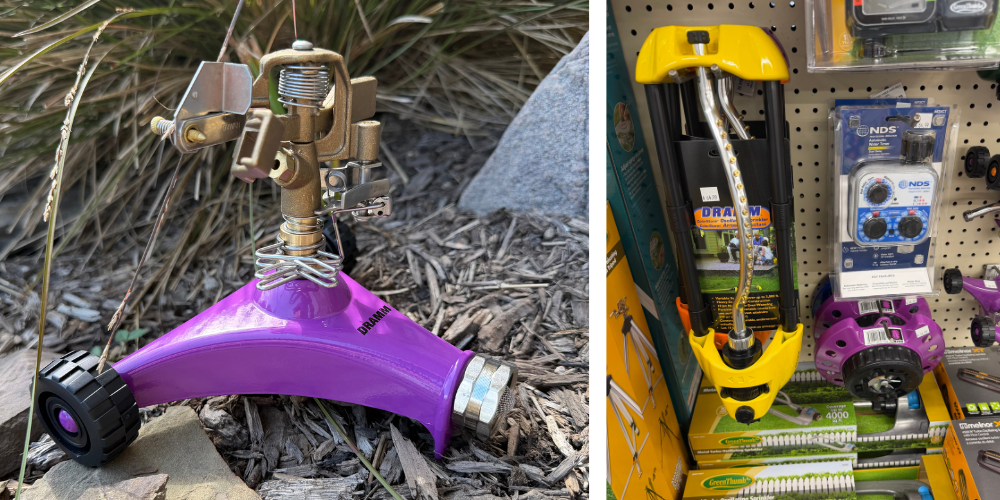 Watering Effectively in the Heat
When temperatures soar, the goal isn’t simply to use more water—it’s to use it more effectively. The best time for watering plants in hot weather is early in the morning, when cooler temperatures allow moisture to soak deeply into the soil before the sun begins pulling it back into the atmosphere.
Deep watering encourages roots to grow farther into the ground, making plants much more resilient during future heat waves. Frequent shallow watering keeps roots close to the surface, where the soil dries out quickly and plants become increasingly dependent on daily attention.
Overhead sprinklers certainly cool things off for a few minutes, but much of that water evaporates before reaching the roots where it’s needed most. A soaker hose, drip irrigation, or even a slow-running garden hose placed at the base of plants delivers moisture far more efficiently.
If your time is limited, prioritize watering in this order:
- Newly planted trees and shrubs
- Hanging baskets and containers
- Vegetable gardens
- Hydrangeas and other moisture-loving plants
- Recently planted perennials
- Established shrubs and mature perennial beds
Your oldest, healthiest landscape plants have deeper root systems and often tolerate short heat spells much better than newer additions.
Which Plants Need Extra Attention?
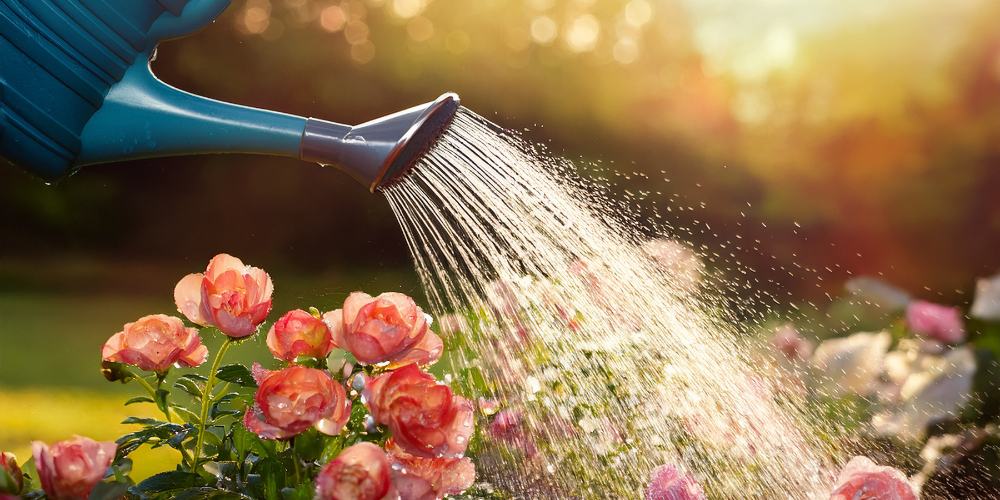 Which Plants Need Extra Attention?
Newly planted trees and shrubs haven’t had enough time to establish deep roots, making them especially vulnerable during prolonged heat. Even varieties known for drought tolerance appreciate consistent moisture during their first couple of growing seasons.
Container gardens and hanging baskets dry out astonishingly fast because every side of the container is exposed to heat. On especially hot days, they may need watering once in the morning and another light drink in the evening, depending on the container size and sun exposure.
Vegetable gardens also deserve close attention. Tomatoes, peppers, cucumbers, squash, and herbs all continue working hard through July, but prolonged dryness can reduce harvests and encourage blossom drop. Regular moisture helps keep growth steady while reducing unnecessary stress.
Perennials behave differently. Hydrangeas often wilt dramatically in afternoon sun even when the soil still contains moisture. Meanwhile, established native perennials like coneflowers, black-eyed Susans, sedum, and ornamental grasses usually require very little intervention once they’ve settled into the garden.
If you’re looking for practical July gardening tips in Glenside, PA, remember that local humidity can sometimes disguise dry soil. Always check the soil several inches below the surface before assuming your plants have enough water.
Small Changes That Make a Big Difference
- Mulch: One of the easiest ways to help plants survive extreme temperatures is to refresh your mulch. A two- to three-inch layer helps insulate the soil, slows evaporation, keeps roots cooler, and reduces the number of weeds competing for precious moisture.
- Shade: Temporary afternoon shade can also work wonders for sensitive plants. A shade cloth, patio umbrella, or even an old bed sheet supported above vegetables during the hottest part of the day can reduce stress without blocking all the sunlight they need.
- Avoid Pruning: Extreme heat is also a terrible time for heavy pruning. Every leaf helps produce energy while providing natural shade for stems and fruit, so removing large portions of the plant forces it to work even harder during an already difficult week.
When Doing Less Is Actually Better
Heat waves often tempt gardeners to throw every possible solution at struggling plants. Ironically, too much attention can create more problems than the heat itself.
Overwatering leaves roots sitting in soggy soil with limited oxygen, while fertilizing encourages tender new growth that quickly becomes damaged under scorching temperatures. Heavy pruning creates additional stress just when plants need stability most.
Instead, let your garden settle into survival mode. Continue watering deeply when needed, avoid unnecessary changes, and allow plants time to recover naturally once temperatures become more comfortable. Sometimes patience is one of the best gardening tools you own.
Keep Your Vegetable Garden Productive Through the Heat
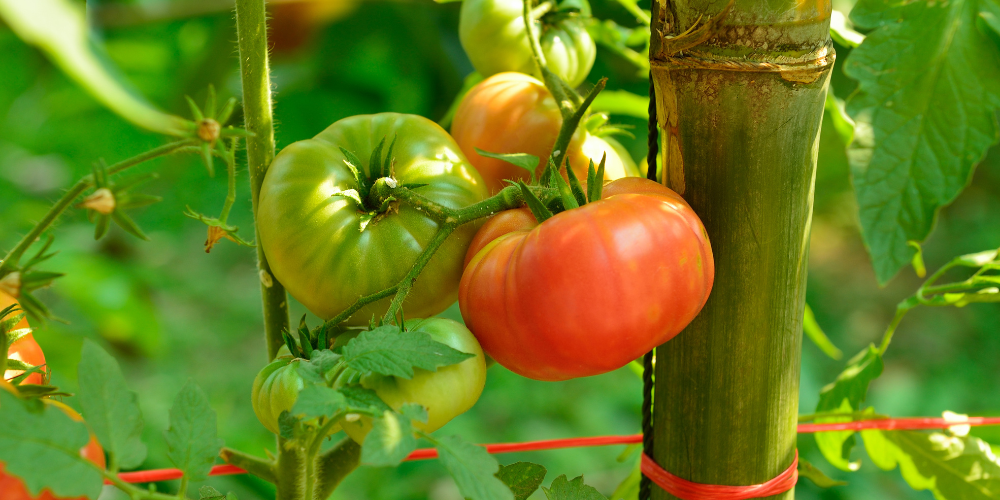 Keep Your Vegetable Garden Productive Through the Heat
Vegetable gardens often continue producing through July, but extreme temperatures can interrupt pollination. Tomatoes and peppers commonly drop blossoms when daytime temperatures remain very high, meaning fewer fruits develop until cooler weather returns.
Harvest vegetables regularly, even if they’re slightly smaller than usual. Frequent picking encourages many crops—including cucumbers, beans, zucchini, and herbs—to keep producing instead of slowing down.
Watch carefully for sunscald, especially on tomatoes and peppers. Fruits exposed after heavy pruning or leaf loss can develop pale, leathery patches where direct sunlight damages the skin. Leaving healthy foliage in place offers natural protection while the fruit matures.
Consistent moisture is the secret ingredient for successful summer garden care. Keeping soil evenly moist helps reduce stress, improves fruit quality, and supports healthier harvests throughout the remainder of the growing season.
A Simple July Heat Survival Checklist
When another heat wave arrives, keep this simple routine in mind:
- Check soil moisture before watering.
- Water early in the morning whenever possible.
- Water deeply rather than lightly every day.
- Prioritize newly planted trees, containers, hanging baskets, and vegetables.
- Refresh mulch where it has thinned.
- Remove weeds competing for moisture.
- Watch for persistent wilting, leaf scorch, or flower drop.
- Delay fertilizing until temperatures cool.
- Avoid heavy pruning during extreme heat.
- Let established plants do what they’ve evolved to do—adapt.
A few thoughtful habits often make a much bigger difference than spending hours outside with a hose every evening.
Conclusion: Help Your Garden Ride Out the Heat!
A long stretch of hot weather doesn’t have to undo years of work that you’ve put into your landscape. By watering wisely, watching for early signs of stress, protecting your most vulnerable plants, and resisting the urge to overreact, you’ll give your garden the best chance to thrive until cooler temperatures return. If you need advice, fresh mulch, watering tools, shade solutions, or heat-tolerant plants, stop by to see us Primex Garden Center—expert guidance can make July gardening much less stressful and help keep your landscape healthy for the rest of the season.