What to Do When Plants Outgrow Their Space
July 6, 2026
Dividing perennials is a key task that every gardener should learn. As perennials naturally grow larger over time, they crowd out their space, encroach on neighboring plants, and even start to choke themselves out. Simple solutions can free up space while giving you extra plants to spread and multiply throughout your garden.
Why Plants Outgrow Their Space
Most garden plants will grow and expand as they mature. Healthy soil, adequate moisture, sunlight, and strong root development encourage plants to become larger every season. In many cases, plants outgrowing their space is a sign that they are thriving rather than struggling.
Some perennials spread through expanding root systems, while others slowly widen into larger clumps. Certain plants also self-seed, creating new seedlings nearby that gradually fill available space. Over time, even carefully planned garden beds can become more crowded than originally intended.
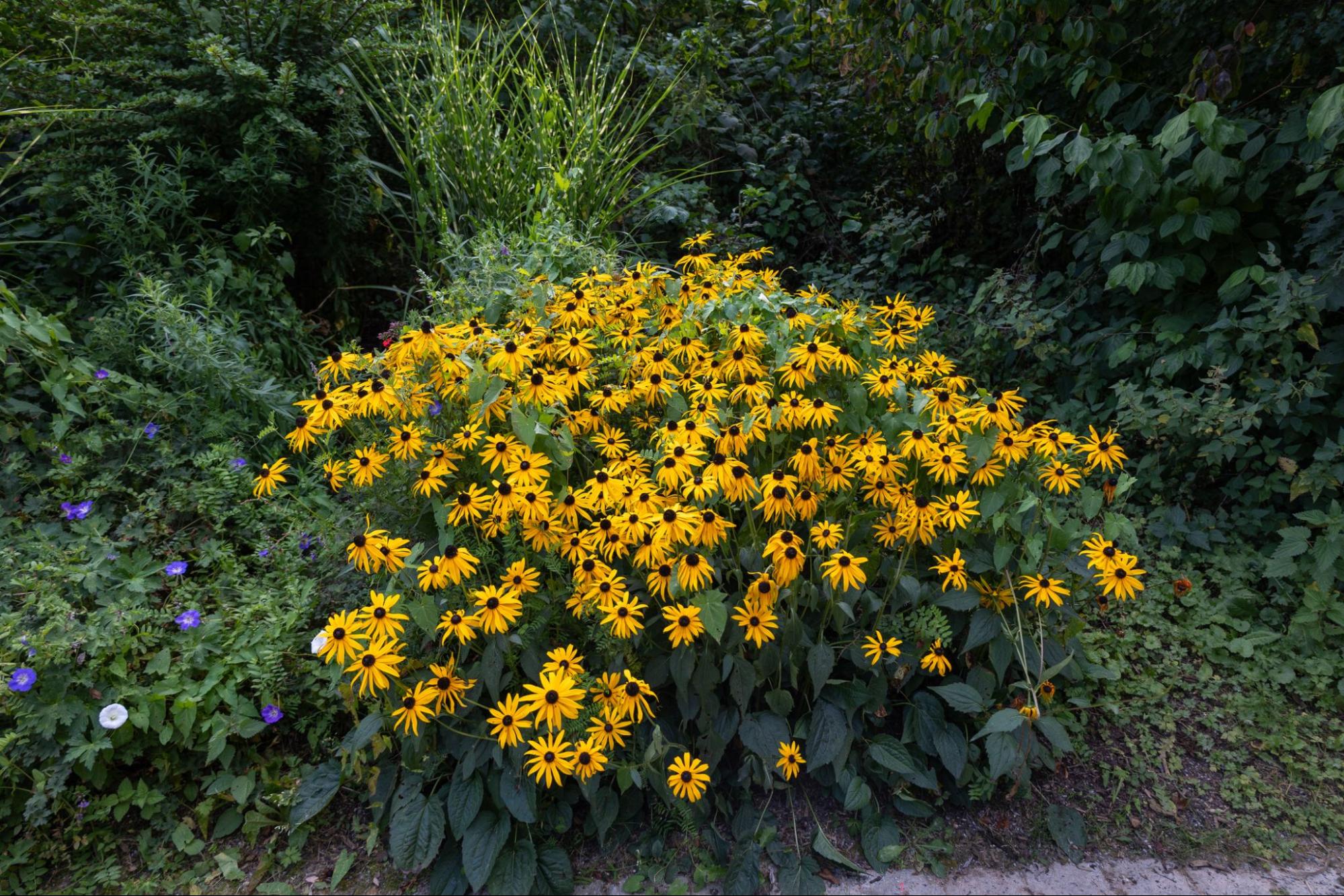
Common reasons plants outgrow their space:
- Healthy root growth
- Ideal growing conditions
- Natural spreading habits
- Self-seeding flowers
- Lack of regular division
- Maturing shrubs and ornamental grasses
Signs It’s Time to Take Action
Crowded plants often provide clear signals when they need attention. You may notice fewer flowers, weaker growth, or plants leaning into neighboring spaces. Garden beds can begin looking tangled rather than layered and intentional.
Poor airflow is another common issue. When plants become packed too closely together, moisture remains on leaves longer after rain or watering. This can increase the likelihood of fungal diseases and make routine garden care more difficult.
Watch for these signs of overcrowding:
- Overly dense plants with dieback in the center
- Reduced flowering
- Plants flopping onto neighboring plants
- Growth spreading onto walkways
- Increased mildew or disease problems
The Power of Trimming and Pruning
Sometimes the simplest solution is also the most effective. Strategic pruning can reduce a plant’s size, improve its appearance, and prevent it from overwhelming nearby plants. Light trimming throughout the growing season often keeps vigorous growers under control.
- Overgrown Shrubs
Due to their large and deep roots, it’s not common and often not practical to divide a shrub. The main option for reducing their size is pruning. As a general rule, you shouldn’t take more than one third of the plant away at one time. However, some shrubs can tolerate aggressive pruning. It’s usually easier to shape shrubs a few times per year, rather than allowing excessive growth followed by drastic pruning. - Trimming Back Perennials
Trimming back perennials can be a simple short-term solution for keeping plants off pathways or from sprawling onto other plants. However, merely trimming the leaves doesn’t address the root problem, which is the roots themselves. To reduce perennial growth in a lasting way, you need to dig out some root, or better yet, divide the root mass.
When and How to Divide Perennials
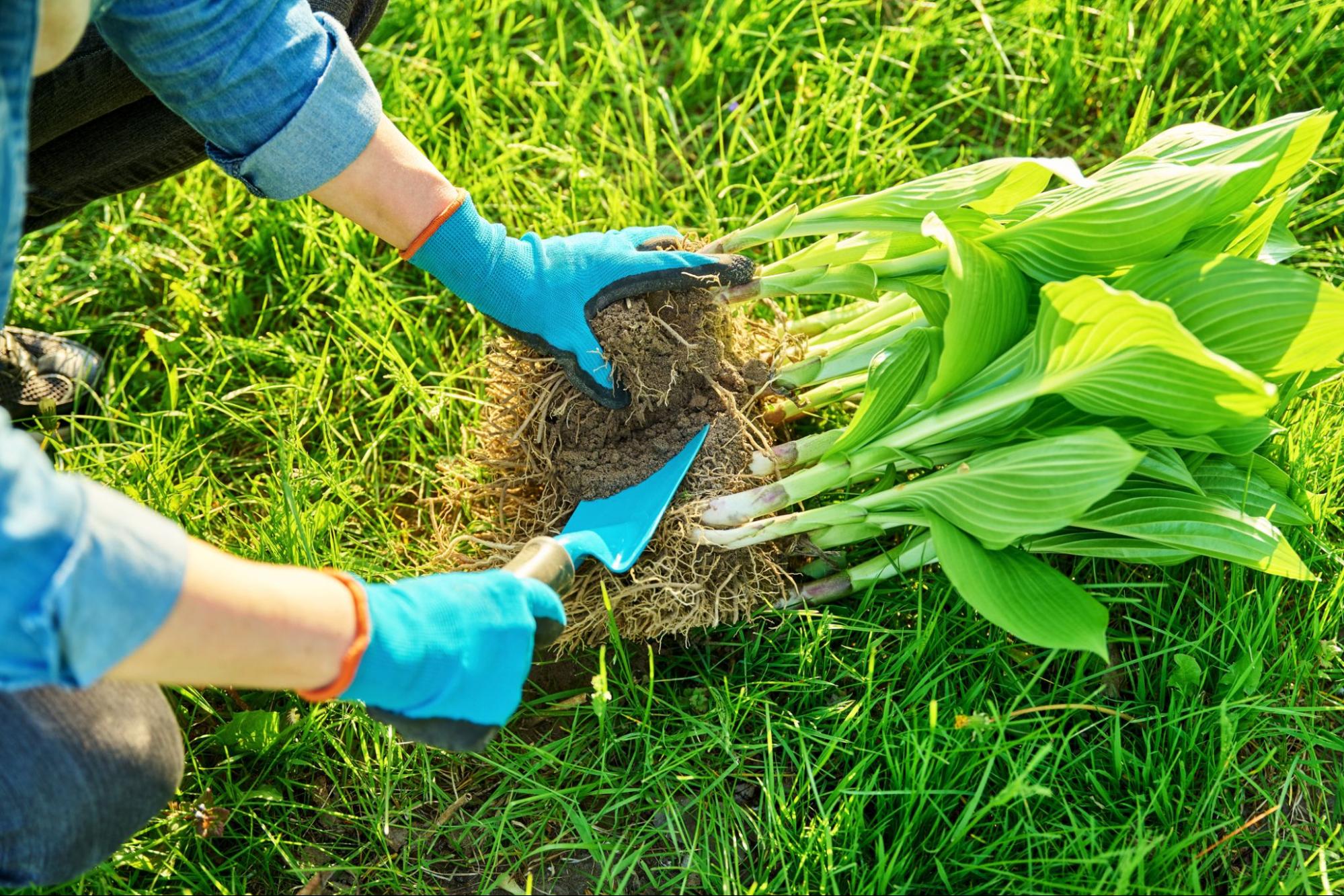
Division is one of the best solutions for mature perennials that have become too large. As roots become crowded, plants often produce fewer flowers and develop dieback in the center. This doesn’t mean your plant has a problem; it’s simply the way many plants naturally grow and spread. Dividing the clump creates more growing space and encourages renewed vigor.
| One of the easiest ways to reclaim space in a crowded flower bed is by dividing perennials, which helps improve plant health while giving you extra plants to use elsewhere in the garden. Spring and early fall are usually the best times to divide most perennials, but it depends on when they flower. A few cool days in the summer is also a good time for division. In a nutshell, you need to dig up the entire plant, separate healthy sections, and replant them promptly. Water thoroughly after replanting to help roots establish and recover from the disturbance. |
Tips for Successful Dividing:
- Some roots you can pull apart.
- Some roots you need to cut apart with a shovel or knife.
- Make sure you have roots, stems, and leaves in each division.
- Remove rotten pieces of root during division.
- Divide after flowering so you don’t disturb the blossoms.
- Due to their shape, some taproots cannot be successfully divided.
Perennials that commonly benefit from division:
- Hostas
- Daylilies
- Bee balm
- Irises
- Black-eyed Susans
- Ornamental grasses
- Sedum
| One of the easiest ways to manage a crowded flower bed is dividing perennials, which creates more space for healthy growth while giving you extra plants to use in other parts of the garden. |
Relocating Plants to a Better Home
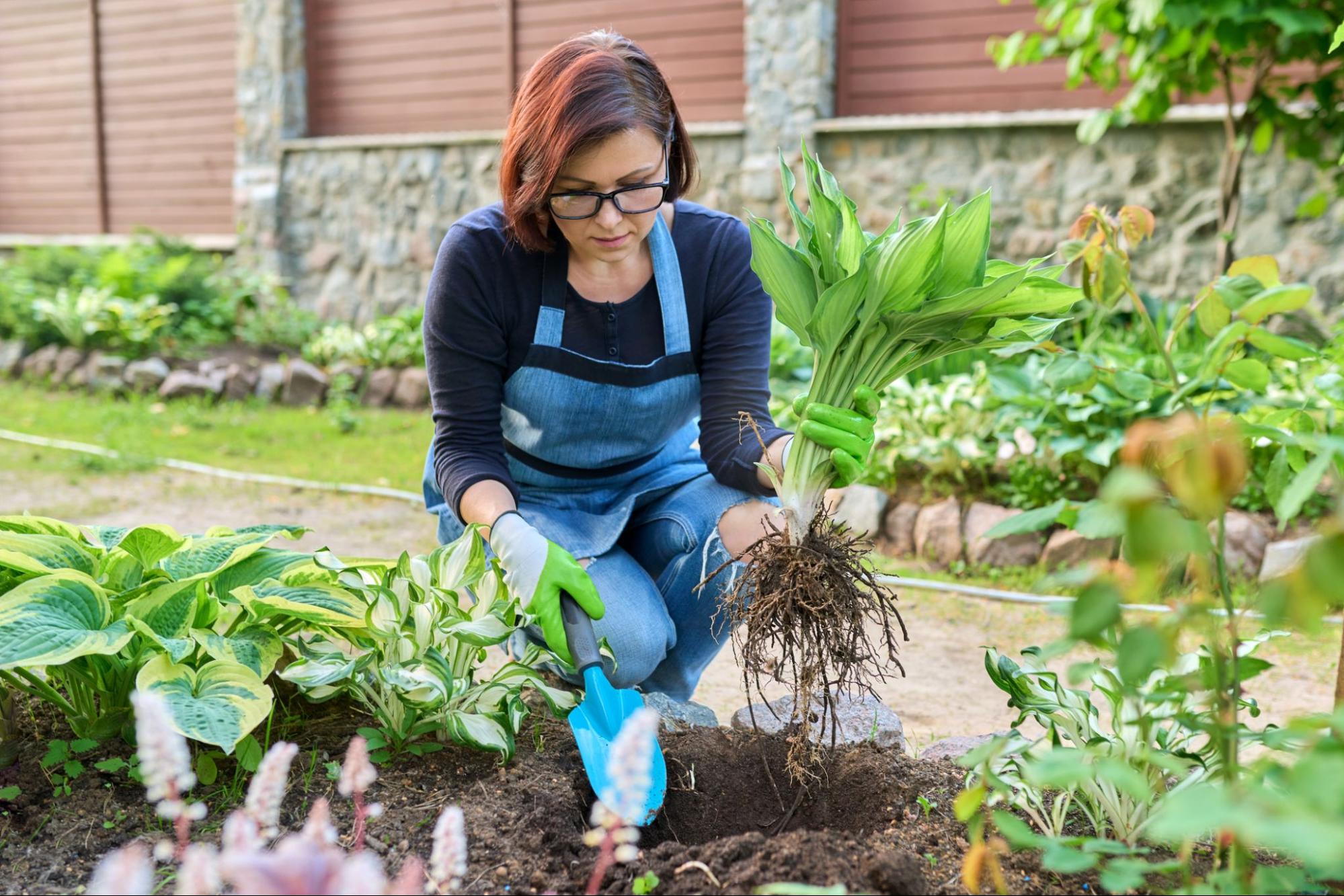
When transplanting perennials, choose a new location that accommodates the plant’s mature size and growing requirements. Dig as much of the root ball as possible and replant quickly to minimize stress. Consistent watering during the first few weeks helps relocated plants settle into their new surroundings.
To reduce transplant shock:
- Move plants during cool weather.
- Water thoroughly before digging.
- Preserve as much root mass as possible.
- Transplant quickly; don’t let divisions sit out.
- Dig the new hole before you dig them out.
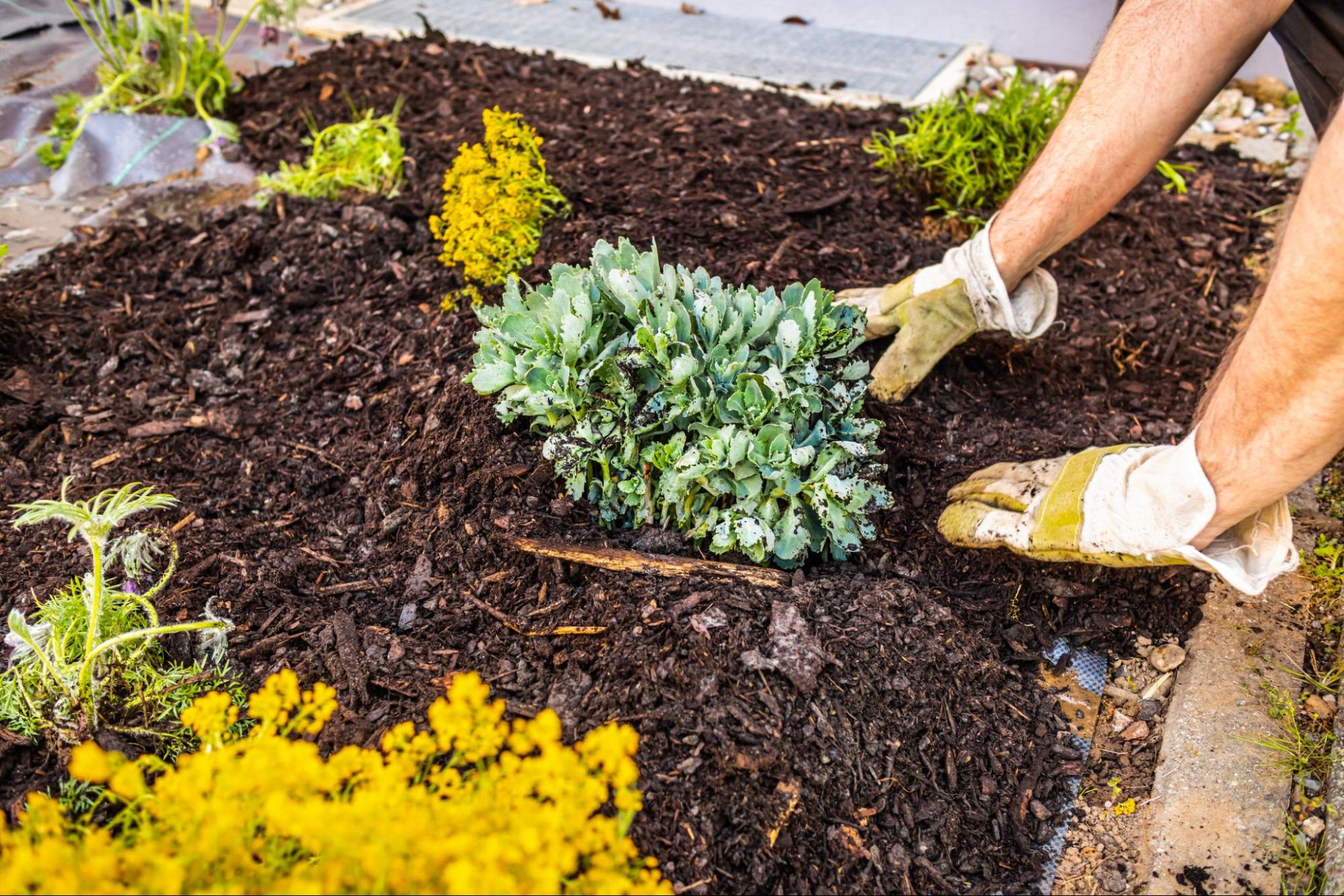
- Mulch after planting.
What to Do with the Extra Plants
One of the unexpected joys of dividing and relocating plants is ending up with extras. Rather than viewing them as leftovers, think of them as opportunities to improve other parts of your landscape. A single overgrown perennial can often provide several healthy new plants.
Extra plants can fill bare spots, establish new garden beds, or expand existing borders. They can also become thoughtful gifts for friends, neighbors, community gardens, schools, or family members who enjoy gardening. Sharing perennial garden plants is a wonderful way to spread beauty in Glenside, PA, while fostering community connections.
Preventing Future Overcrowding
While some crowding is inevitable in a mature garden, thoughtful planning can reduce future problems. Understanding a plant’s mature size before planting is one of the most important steps. Nursery containers may be small, but the plants inside often have much larger ambitions!
Proper spacing allows plants to reach their full potential without competing excessively for light and airflow. Reviewing garden beds every year also helps identify areas that may require adjustment before overcrowding becomes severe. A little planning today can save a great deal of work later.
Just remember: plant growth is inevitable, and division is part of perennial garden maintenance. Failing to divide and reduce the size of plants inevitably leads to a headache later on when you have to make drastic changes.
Smart planting practices include:
- Research mature plant dimensions.
- Follow recommended spacing guidelines.
- Leave room for future growth.
- Group plants with similar growth rates.
- Reassess garden beds annually.
A Little Garden Editing Goes a Long Way
Plants growing beyond their allotted space is a common part of gardening and often reflects a healthy, successful landscape. With thoughtful pruning, timely relocation, and periodic division of perennials, gardeners can keep their beds attractive, productive, and easy to manage. A little garden editing each season helps ensure plants have the space they need to thrive for years to come. To discover the amazing world of perennial plants, come visit Primex Garden Center!