Pruning Shrubs & Trees: What to Do in the Early Season
March 23, 2026
Early spring is the ideal time for pruning many, but not all shrubs and trees. It’s a window to shape branches and sculpt shrubs for the burst of life ahead, but some plants already have flower buds that you need to leave alone. Below, you’ll find an overview of the species to trim now and techniques to make your pruning successful.
Why Early Spring is an Ideal Time for Pruning
- Winter Damage: Heavy snows and freezing temperatures can cause damage to trees and shrubs over winter. Removing dead and damaged branches in early spring ensures they don’t harbor disease or clutter plants through the growing season.
- Structural View: Before the leaves are out, you have a perfect view of the structure of each shrub. You can prune them into an ideal shape before the leaves block your view of the inner branches.
- Preparing for Growth: Spring is a time of fast and vigorous growth. If you shape your shrubs before the growth begins, they can direct all of their energy into your desired shape. This can increase the number of flowers you receive, create fuller growth without crowded branches, and boost your harvest of fruit and berries later in the season.
Timing for Spring Pruning in Southeastern Pennsylvania
In Montgomery County, early spring pruning typically happens between late February and early April, depending on how quickly winter loosens its grip. You will know plants are waking up when buds swell slightly and branches start to show subtle signs of life. This window is perfect for many types of structural pruning before leaves emerge and block your view.
However, timing matters because not all shrubs bloom in the same way. Some plants produce flowers on old wood formed the previous year, while others bloom on new growth that develops in spring. Learning when to prune flowering shrubs in spring helps homeowners avoid the heartbreak of accidentally removing this year’s flower buds before they have a chance to shine.
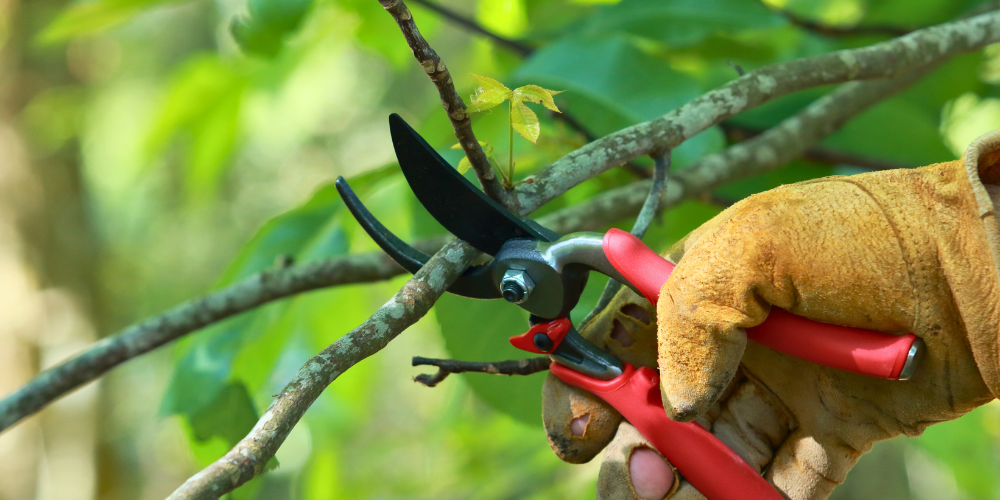
What to Prune Now and What to Leave Alone
Early spring is the right time to prune plants that bloom on new wood or form flower buds in the spring. If you cut them now, you won’t be removing this year’s flowers, because they have yet to form.
It’s safe to prune the following in early spring:
- Summer-blooming hydrangeas (Panicle & Smooth Hydrangeas)
- Rose of Sharon
- Butterfly bush
- Boxwood
- Most roses (with some exceptions)
- Apples, pears, and cherries
- Berries and grape vines
- Arborvitae
- Ornamental grasses
Other shrubs, however, are already carrying their flower buds from last year. Cutting them now would remove those blooms before they ever appear, leaving you wondering what’s wrong with the shrub. Chances are it’s your mistake, not theirs.
Make sure to leave these shrubs in early spring and wait until after they flower for pruning:
- Spring blooming azaleas
- Forsythia
- Lilac
- Rhododendron
- Virginia Sweetspire
- Viburnums
- Ninebark
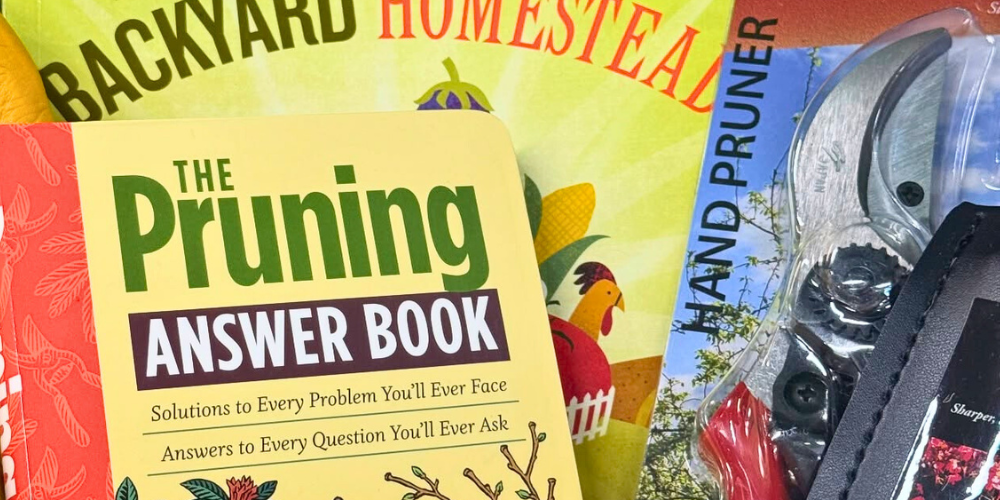
Pruning Basics: A Simple Step-by-Step Approach
If pruning feels intimidating, it helps to follow a calm, step-by-step process rather than trying to fix everything at once.
- The “Three D’s”: The first step is always to remove dead, damaged, or diseased branches because they will never contribute to healthy growth and can harbor pests and disease. Make sure to cut back at least one inch from the diseased area to prevent spreading.
- Crossing and Rubbing Branches: Branches that are crossing encourage an unwieldy and tangled style of growth. They can also rub in the wind, wearing down the bark and leaving a branch open to rot and disease. It’s best to remove crossing branches before they cause a problem.
- Pruning for Shape: Now you’ll need to step back and decide on what shape to prune your shrub. Do you want it rounded or more natural-looking? Do you want to reduce the size or let it grow taller? If size reduction is needed, do it gradually, remembering the golden rule of gardening: you can always cut more later, but you cannot glue a branch back on. Another general rule is to never take more than 1/3 off the shrub at one time, as taking more can damage the plant.
- Pruning Special Cases: Some roses or other shrubs may require a tailor-made approach. In particular, fruit and berries should be pruned to maximize sunlight, airflow, fruit-bearing branches, and accessibility for harvesting. Pruning shrubs in early spring is less about giving everything a drastic haircut and more about cleaning up winter damage, improving structure, and guiding fresh growth in the right direction before the season really gets going.
Pruning Basics: How to Make Clean and Effective Cuts
A good pruning technique is surprisingly simple once you understand a few basics. Most cuts should be made just above a healthy bud or branch junction, which encourages new growth to emerge in the direction that the bud is facing. Keep this in mind as you prune for a desired shape.
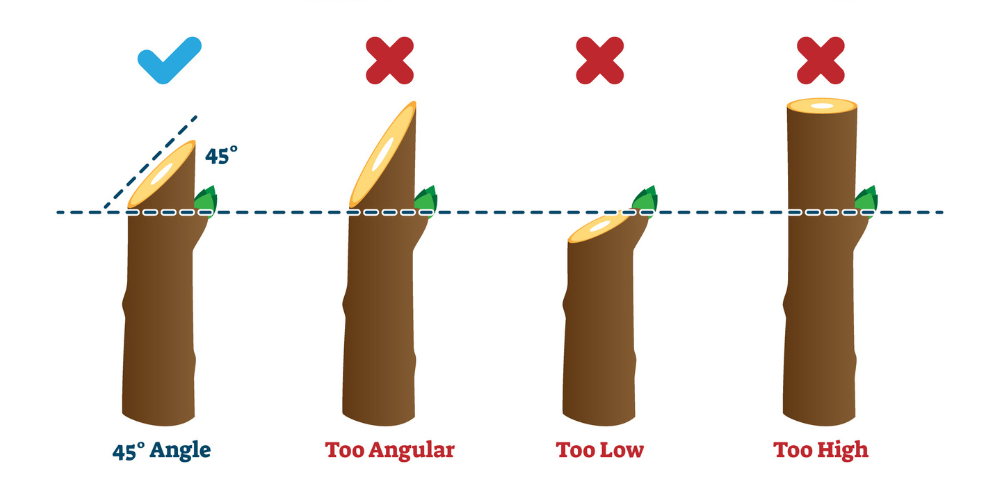
Clean cuts heal faster and help the plant recover. Cutting at a 45-degree angle is more aesthetically pleasing and helps the wound shed water in the rain. Sharp tools make all the difference in this process. Hand pruners work well for small branches, while loppers are better for thicker stems that require more leverage. These simple spring tree pruning tips for homeowners ensure that cuts are clean and precise rather than ragged or crushing the plant tissue.
Common Early Season Pruning Mistakes
One of the most common mistakes gardeners make is shearing every shrub into a tight ball or square shape. While it may look tidy for a week or two, it often removes the plant’s natural structure and encourages dense outer growth that blocks sunlight from reaching the interior. When it comes to pruning shrubs in early spring, the goal is to remove winter damage and shape healthy growth before plants fully leaf out and the season takes off.
Another mistake is removing too much at once, especially when enthusiasm for spring gardening runs high. New homeowners sometimes inherit established plantings and try to reshape them in a single afternoon, which can shock the plants. Slow and steady pruning almost always produces better results.
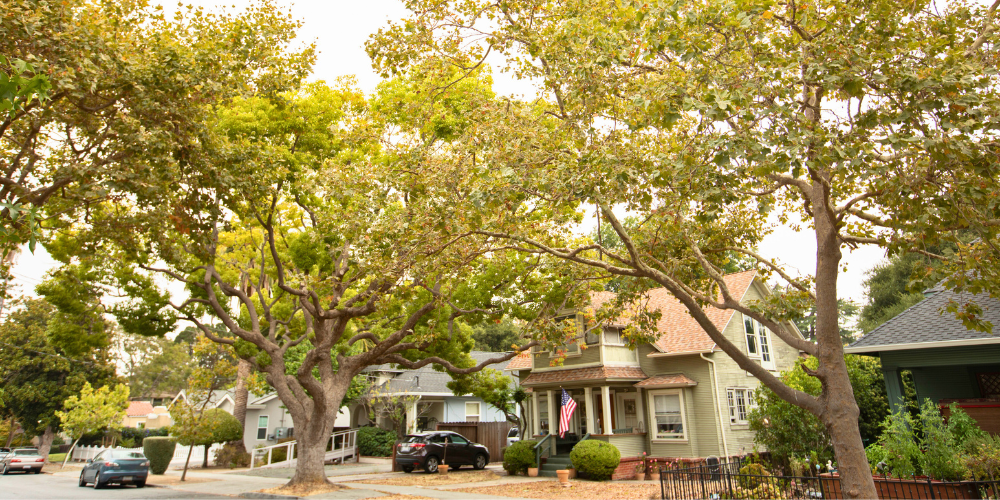
When to Call in Help: Mature Trees & Tall Heights
Most homeowners can comfortably prune shrubs and small ornamental trees with the right tools and a little patience. However, some situations call for professional assistance, particularly when large mature trees are involved. Structural pruning at height requires training, equipment, and safety precautions that go beyond typical DIY gardening.
Storm damage is another scenario where professional help may be useful. Broken limbs or hanging branches can pose risks to both property and people, and trained arborists know how to remove them safely. Seeking help in these cases is simply good tree and shrub care in Glenside, Pennsylvania, not a sign of defeat.
Empowering Yourself with Tools and Knowledge
If you are unsure about a plant in your yard, bring a few photos to Primex Garden Center and ask for advice. Our staff can help identify which shrubs bloom on old wood versus new wood and guide you toward the right pruning approach. It is one of the easiest ways to build confidence as a gardener.
While you are there, consider picking up a good pair of pruners, sturdy gloves, and perhaps a little inspiration for the season ahead. A few small tools and a bit of knowledge can make early spring gardening feel less intimidating and far more enjoyable. By the time you head home, you might just feel ready to begin pruning shrubs in early spring with confidence.