Growing Grape Vines on a Fence
May 12, 2025
If you’ve ever dreamed of growing grape vines, look no further than your fence. Growing grapes on fences in Pennsylvania isn’t just a creative use of space—it’s a productive, delicious endeavor. With a little planning and seasonal care, your humble fence can become a fruiting masterpiece. Bonus: it’s way more impressive than growing ivy.
Grape Growing 101
Why Fences Are a Grape Vine’s Best Friend
Most Pennsylvania fences are already in prime grape-growing locations—sunny and well-exposed. Grapes need 6 to 8 hours of direct sun per day, and our summers bring the heat. Fences offer vertical support, airflow, and structure for training the vines. Think of them as nature’s trellis—except with extra carpentry.
Choose Grapes That Like Our Weather
Not all grapes are thrilled with Pennsylvania’s hot summers and icy winters, so choose varieties that can hang tough. Concord (tart and purple), Niagara (sweet and white), and Everest are stars in our USDA Zones 5 through 7. These American hybrids laugh in the face of frost and humidity. European wine grapes? Not so much—they tend to sulk and get fungal infections.
Spring Grape Vine Care
Spring Planting: Dig Deep and Drain Well
Early spring—around April—is planting time, once the soil isn’t frozen or soggy. Dig holes about 12 inches deep, add compost, and make sure drainage is solid. Grapes hate wet feet, so avoid low spots that turn into ponds after rain. A sunny, elevated location is perfect for keeping roots happy and disease-free.
Spacing is Everything
Plant vines 6 to 8 feet apart along the fence to give them space to breathe and grow. Airflow is critical for keeping leaves dry and diseases at bay. Cramped vines = cranky vines = fungus. Leave room for the grape drama to unfold naturally.
Train Your Vine Like a Gym Coach
Grapevines won’t climb your fence out of courtesy—they need direction. Tie the main stem vertically up the fence and guide side shoots horizontally along the rails. Aim for a T-shape: strong center stem and two horizontal arms. It’s like grape yoga—with scissors.
Spring Pruning: Don’t Let Them Get Wild
Once buds break in April or May, the vine gets ambitious and starts growing in all directions. Snip off extra shoots to leave just 2 to 3 strong canes for the season. This pruning helps focus the plant’s energy into fruit, not chaos. Yes, it feels harsh, but your future grape clusters will thank you.
Summer Grape Vine Care
Water Wisely—No Soaked Socks Allowed
In the first year, your grapevine needs about an inch of water per week, especially in dry spells. Water at the base; don’t shower the leaves like it’s a spa day. Wet foliage invites fungi, and nobody wants grape rot. Mulching helps hold moisture and suppress weeds that compete with your vine.
Summer Vibes and Fruit Babies
By midsummer, tiny green grapes appear, and the excitement begins. They’ll look unimpressive for weeks, but trust the process—they’re building character (and sugar). Birds will notice too, so get ahead of the pecking order. Netting is your best defense against hungry airborne friends.
Stop the Spread: Fungus Prevention
Humidity and summer storms are a fungal free-for-all in Pennsylvania. Powdery mildew, downy mildew, and black rot love tight, leafy conditions. Keep vines pruned, remove old leaves, and consider neem oil or copper fungicide for prevention. Remember: healthy airflow = healthy grapes.

Time to Taste: The Late Summer Harvest
Grapes are ready when they soften, darken, and taste sweet, which usually happens between late August and mid-September. They won’t ripen off the vine, so resist the urge to harvest too early. Taste a few before committing to the big pick. If you’re not sure, the birds will usually let you know when it’s showtime.
Fall and Winter Grape Vine Care
Post-Harvest Clean-Up Party
Once you’ve harvested, tidy up any dropped grapes to avoid wasps, raccoons, and rogue fermentation. Remove any obviously diseased canes, but save major pruning for winter. Your vine has earned a break after a summer of productivity. Give it a moment to sip some compost tea and relax.
Dormant Season = Pruning Season
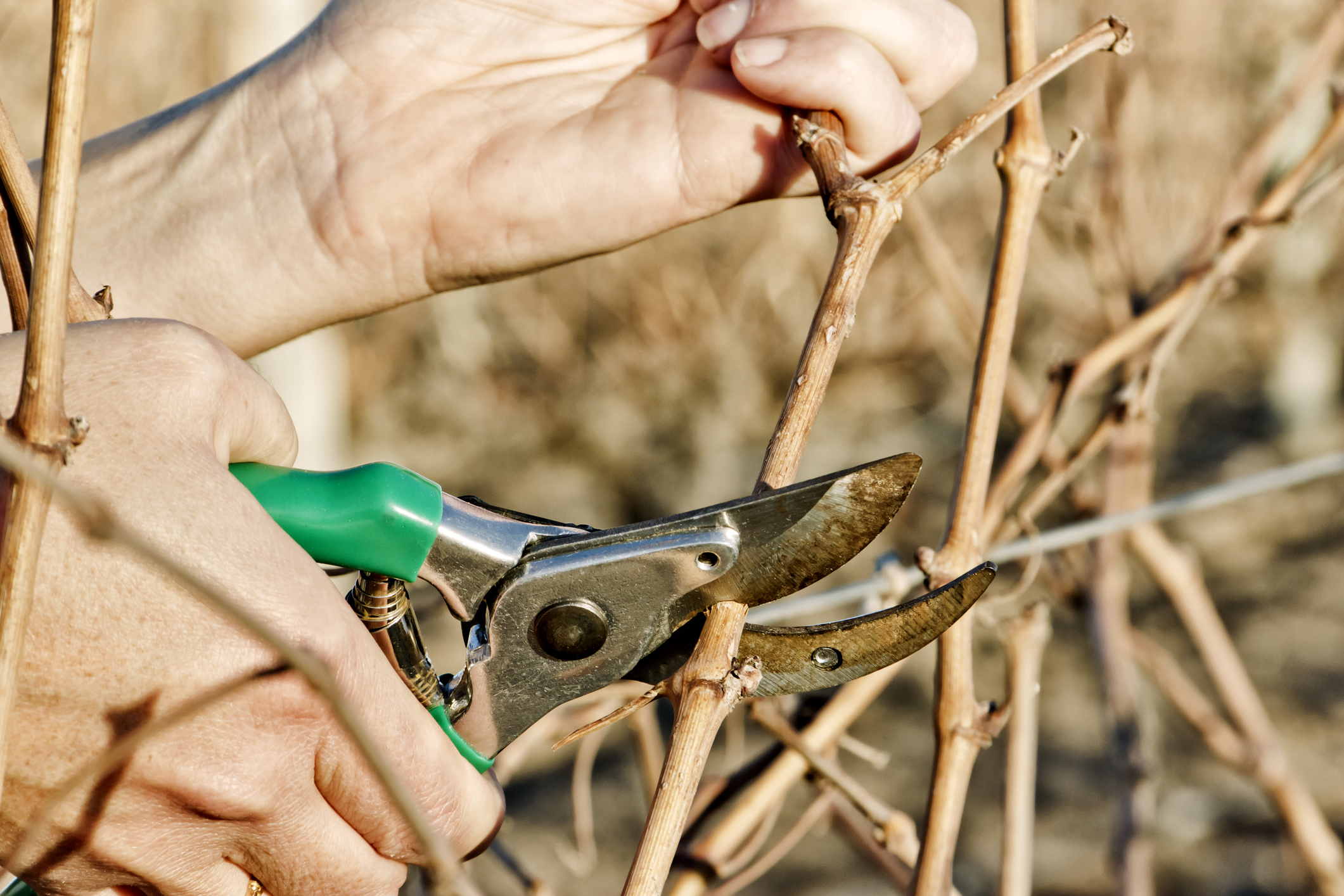
Between January and March, when the vine is asleep, it’s time for serious pruning. Remove up to 90% of last season’s growth. Yes, it sounds extreme, but grapes only fruit on new wood. Fewer canes now means better fruit later—think quality over quantity.
Winter Pruning Tips
Keep 2 to 4 main canes and trim each back to 5 to 7 buds. Each bud is a future grape cluster, so choose wisely and sharpen those pruners. Skip pruning and you’ll get a jungle of leaves, not fruit, and nobody wants to wrestle a grapevine in July. Solid grapevine pruning in late winter avoids that problem.
Repeat and Reap the Rewards
Come spring, your pruned vine wakes up ready to grow and the cycle begins again. Grapes thrive on routine, and after a few seasons, so will you. Train, prune, water, harvest. Then pour yourself a well-earned glass of homemade grape juice.
Grape Growing Tips and Tricks
Got a Fence? Make It Work
Some fences need a little help for growing grapes. On wooden fences, install eye hooks and run horizontal wires every 12 inches to support the vines. Chain-link fences are ideal (and finally useful). Vinyl fences don’t love screws, so try using a freestanding trellis just in front. No matter the material, grapes will find a way.
Feeding Your Vine—Easy Does It
Grapes aren’t greedy. To give them the nutrients they need, apply 1-2 inches of aged compost around the base in early spring and fall. If your vine seems sad midseason, compost tea or diluted fish emulsion can perk it up.
Plant Buddies: Grape-Friendly Companions
Garlic, chives, and thyme planted nearby can repel pests and attract beneficial insects. Clover fixes nitrogen in the soil, giving grapes a gentle nutrient boost. Just don’t crowd the root zone—grapes like elbow room. Companion planting is like throwing a polite garden party, not a rave.
Late Frost Woes (and Fixes)
April frosts can zap newly budding vines, so keep an eye on the forecast. If temperatures dip below freezing, cover young vines overnight with old sheets or frost blankets. It’s not glamorous, but it works. Grapes are hardy, but early buds are delicate little divas.
Grapevine Care in Pennsylvania: A Seasonal Cycle
One of the best parts of grapevine care in Pennsylvania is how it gives each season a purpose. From planting in spring to harvesting in fall and pruning in winter, you’ll become attuned to your vines and your climate. It’s the kind of slow, steady rhythm gardeners live for. Plus, it’s an excuse to hang out in the yard while eating fruit.
By Year Three, You’re a Pro
It takes a couple of seasons, but eventually, you’ll be harvesting pounds of juicy goodness. Grape-growing on fences becomes second nature—like brushing your teeth, but with pruning shears. Your neighbors will be jealous, your fence will look fabulous, and your summer snacks? Absolutely legendary. That’s the sweet taste of homegrown success—and exactly how to grow grapes in Pennsylvania with style.
To Wine or Not to Wine?
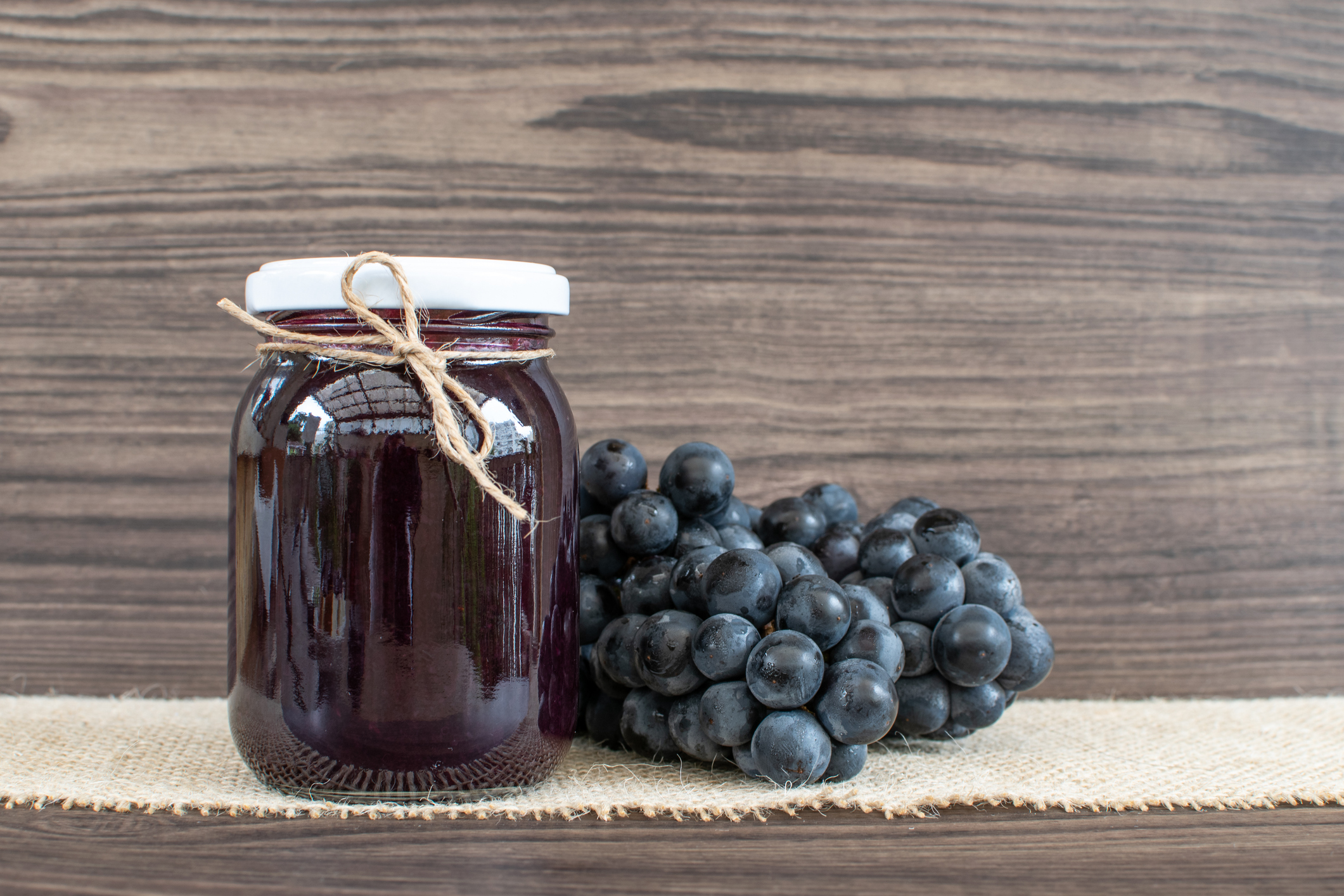
Can you grow wine grapes in your backyard? Concord and Niagara grapes make killer juice, jam, and yes—wine, if you’re brave enough to ferment. Homemade winemaking is sticky, chaotic, and absolutely delightful. Just don’t expect your first batch to win awards.
Growing grape vines on fences in Pennsylvania isn’t just possible—it’s wildly satisfying. All it takes is sunshine, the right grape variety, and a little bit of annual upkeep to turn a plain fence into a lush, fruit-filled focal point. It’s low-cost, high-reward, and undeniably cool. Whether you’re making jelly, juice, or showing off to the mail carrier, growing grape vines is always a win. Visit our independent, local garden center in Glenside, PA for all the supplies you need!