What to Do in the Garden Before Planting Begins
March 16, 2026
As the joy of regrowth blossoms across the forests of Pennsylvania in early spring, so does the urge for gardening. Like the trees awakening from slumber, gardeners everywhere feel called to get their hands dirty and begin the work of this year’s growth. For new gardeners, new homeowners, or even seasoned green thumbs, the question arises: what to do first? This blog outlines the first steps of the gardening season, so you can enter spring prepared.
Pre-Spring Tasks for an Abundant Season
For savvy gardeners, the season begins long before the ground has thawed. Winter is actually a time for preparing and completing early tasks like starting seeds, pruning, and planning.
Pre-Spring: Start Seeds Indoors
In Pennsylvania, you can begin starting seeds as early as January. But, even if you’ve waited until early March, you still have time to jumpstart your tomatoes, eggplants, Brussels sprouts, cabbage, broccoli, kale, and herbs. As the likelihood of hard and light frost decreases, these seedlings will be ready for transplanting out into the garden.
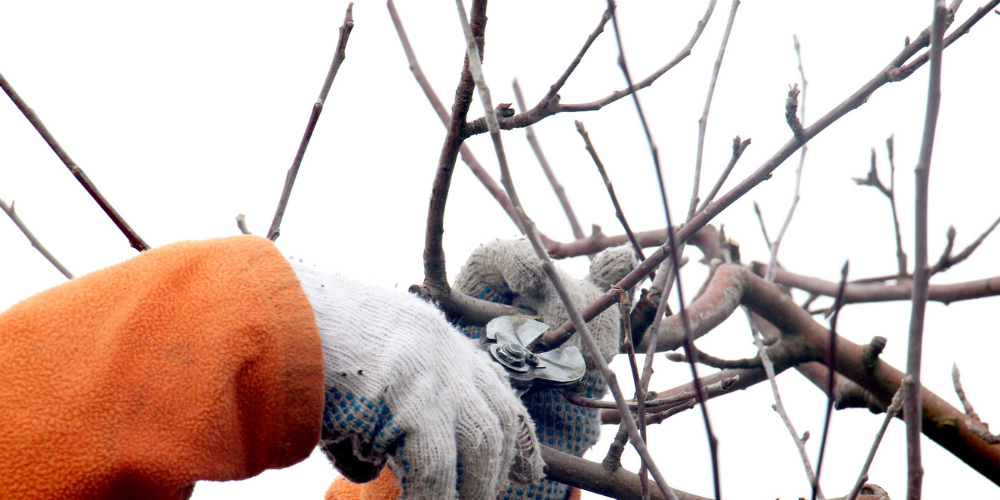
Late Winter or Early Spring: A Time for Pruning
March is an ideal time to start pruning your fruit trees, berry shrubs, and any shrubs that set buds in the spring. It’s ideal to prune them when the trees are still dormant, so when they do start to awaken, they put all their energy into the remaining branches, giving you a maximum yield. The main shrubs that you don’t want to prune are those, like lilacs, that set flower buds last summer. In Glenside, early spring gardening often begins with simple observation and light pruning, giving you a chance to shape healthy growth before the season fully takes off.
Key Tip: To avoid compacting the soil, prune when the ground is still frozen, or once it’s dried. Avoid pruning in soggy soil conditions.
Garden Planning: The Importance of Journaling
It happens to the best of us—we put off starting our garden for weeks and weeks until it’s mid-May and we suddenly rush to get it planted. Don’t let that happen this year! Instead, remember that the rush of spring tends to be busy. Outdoor sports start, garden centers get crowded, and the picnic season starts booking up. So this year, plan your season ahead of time.
Start by reviewing your garden journal from last season (I hope you kept one!). There you’ll remember what worked, what didn’t, what pests you faced, where you planted each crop, and what varieties you used. All this information is essential for planning crop rotations, succession planting, and improving upon last year. These practices are the key to abundant yields and easier work.
If you don’t know how to plan, come visit our garden center! It helps to see plants in person, talk to our local experts, and view our resources.
Join a Gardening Community
Gardening in a community is another task to think about before the season gets into full swing. If you don’t have a plot of your own, you can find a local community garden to join. If you are new to gardening, it helps big time to learn from experienced gardeners. If you’re a seasoned grower, share your knowledge with your neighbors and learn new ideas from your fellow green thumbs. Gardening is a lifelong learning process, and learning is best done through community.
The Arrival of Spring: A Time for Patience
When spring finally arrives, the urge to garden can be strong, but before you dig in, it’s essential to wait for key signs and events.
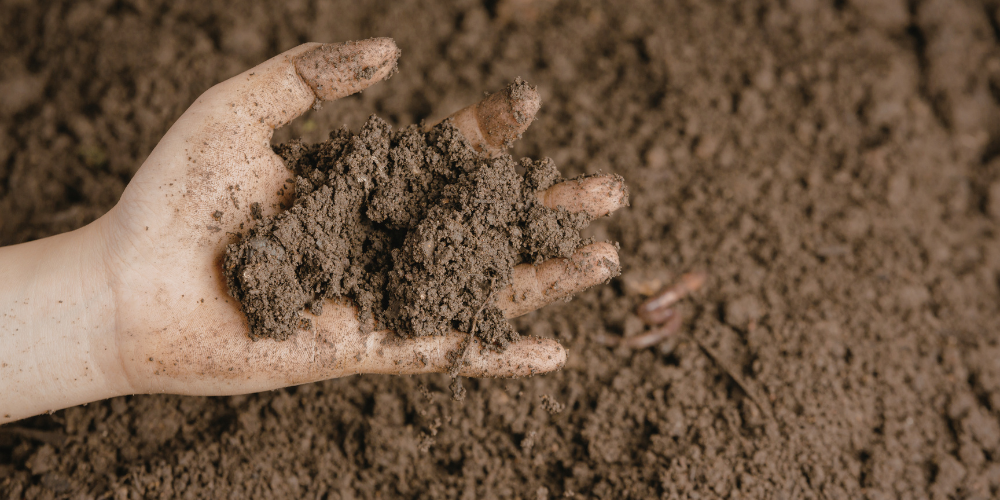
Wait for the Ground to Dry
It’s a big no-no to garden when the soil is still wet. If you step on your soggy soil, the compaction can last all season. So how do you tell if the soil is ready for working? Pick up a handful of it and squeeze it gently. If it crumbles easily, it is ready for light work; if it clumps heavily, it needs more time to dry.
Wait for the Insects to Emerge
Many beneficial insects overwinter in hollow stems and leaf litter. Native bees rest in last year’s pithy stalks, while butterflies cling to dried grasses. A full clean-up too early can disrupt their emergence.
Hold off on cutting everything back until temperatures stay consistently mild. When the air hums with the first bees, you’ll know the timing is right. The more insects your garden supports, the more songbirds will visit, weaving their own melodies into your space.
Watch for What Emerges
Crocus tips pierce the soil like bright brushstrokes. Daffodils stretch upward, and native violets begin to unfurl heart-shaped leaves. These first risers show you where plants are hiding underground and where the light is strongest. Sometimes you’ll get some volunteer vegetables emerging from the soil. It pays to wait and watch before you start weeding.
Weeds: The First Greens of the Year
In the past, people celebrated the first weeds in the garden because they were the first harvest of fresh greens. Just think, even before we’ve planted anything, Mother Nature already gives us food in the very early spring. Dandelion, chickweed, nettles, and common plantain are all on the menu. In fact, the best time to eat them is when they are tender, young, and mild.
When incorporating “weeds” (i.e. wild plants) into your gardening diet, just remember to research how to properly identify, cook, and prepare them. Also, be sure never to eat weeds that have been sprayed with herbicides.
When Gardening Tasks Begin: Tidying with Intention
When early spring garden tasks finally begin, tidying is the obvious first step. Remember to do it selectively and with an ecological mindset. Cut back dead growth only where new shoots are clearly rising. Leave a few stems standing in less visible corners as insect habitat.
Rake lightly rather than stripping beds bare. A thin layer of leaf mold protects soil life and keeps moisture steady. Healthy debris, not stark emptiness, is a sign of rich soil and the prerequisite of a thriving garden ecosystem.
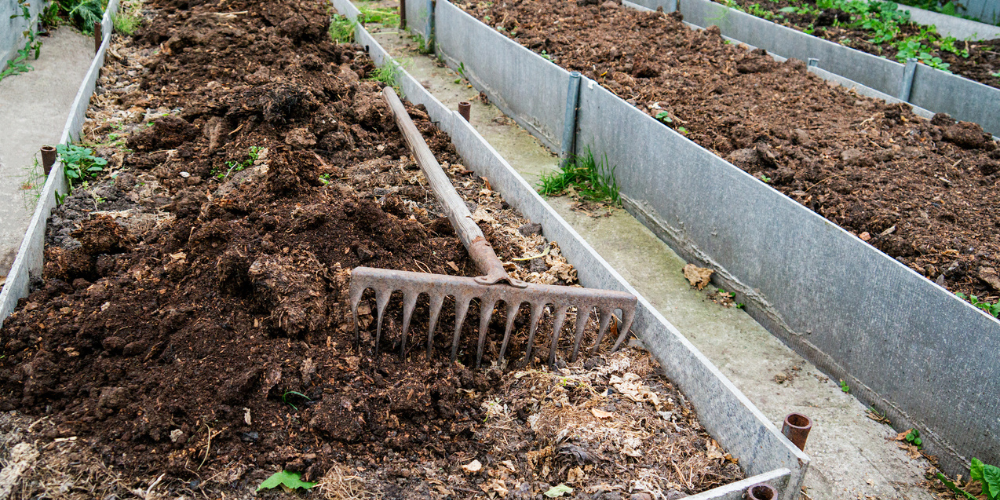
Feeding the Soil: Compost and Manure
The next step is to prepare your garden for planting by replenishing the soil—but how? Spread compost in a thin, even layer over beds. Earthworms will draw it downward, blending nutrients naturally. Autumn was the best time to apply compost, but if you waited until now, early spring is the second best.
Mulch paths with shredded leaves or wood chips to define space and suppress weeds. These small additions support soil organisms that, in turn, support your plants. Life builds on life.
Preparing Containers and Raised Beds
Early spring is perfect for refreshing pots and raised beds. Empty old containers, scrub them with water, and refill with fresh potting mix enriched with compost. Check for cracks or drainage issues before planting begins.
Raised beds benefit from a gentle fluffing with a garden fork. Avoid turning deeply; instead, loosen the top layer to welcome air and water. Preparation now saves effort later.
Setting Up Supports Ahead of Time
Don’t wait until your peonies are falling over before you give them a support cage. By then, it’s hard to lasso a perennial into a cage without breaking it. Instead, put any cages or support structures out before your flowers start to grow. Although it may look awkward having an empty metal loop waiting in your garden, be patient and trust that your plants will soon fill the space!
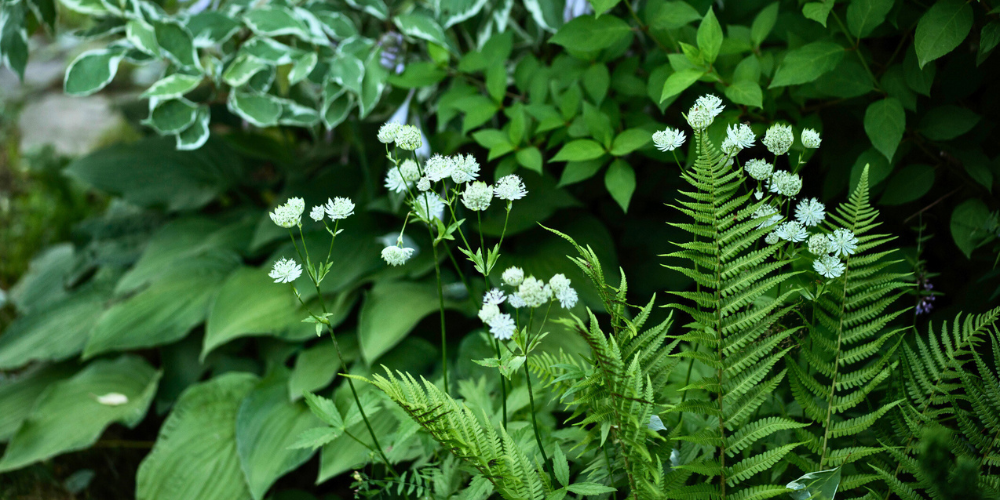
Planning for a Full and Abundant Season
A thriving garden is a garden that’s full of life. That requires at least a few things: a lot of diversity, a variety of plant types, and a steady succession of blossoms. Take time to plan when plants flower and try to have flowers blooming steadily from April to October. Make an effort to nurture plants of different sizes, colors, and flower shapes. Incorporate native plants, where possible, as they add the most value to local insects and birds. With these Glenside, PA, gardening tips, you can not only create a beautiful place for yourself, but for the wider community of life as well.
For more early spring gardening inspiration, come visit our garden center. This gives you a lot of time to plan and prepare for an abundant season!