Tips and Tricks to Make Your Garden More Eco-friendly
May 5, 2025
If you’re dreaming about sustainable gardening in Pennsylvania, we’re in the perfect place to make it happen. With rich soils, four dramatic seasons, and an ecosystem that’s ready to thrive if given half a chance, our state offers a golden opportunity to work smarter, not harder. Ecological gardening isn’t just about reducing our impact—it’s about creating a self-sustaining, buzzing, blooming backyard that works with nature, not against it. Let’s dive into some practical ways to make it happen!
Choose Native Plants
Pennsylvania’s native plants are like your garden’s local superheroes: low-maintenance, drought-tolerant, and perfectly adapted to the soil and local weather quirks. Swap out those water-hungry exotics for beauties like black-eyed Susans, bee balm, blue false indigo, and mountain laurel. They’ll thrive with minimal fuss—and even stay strong when summer hits 90 degrees with 90% humidity.
Blossoms for Every Season
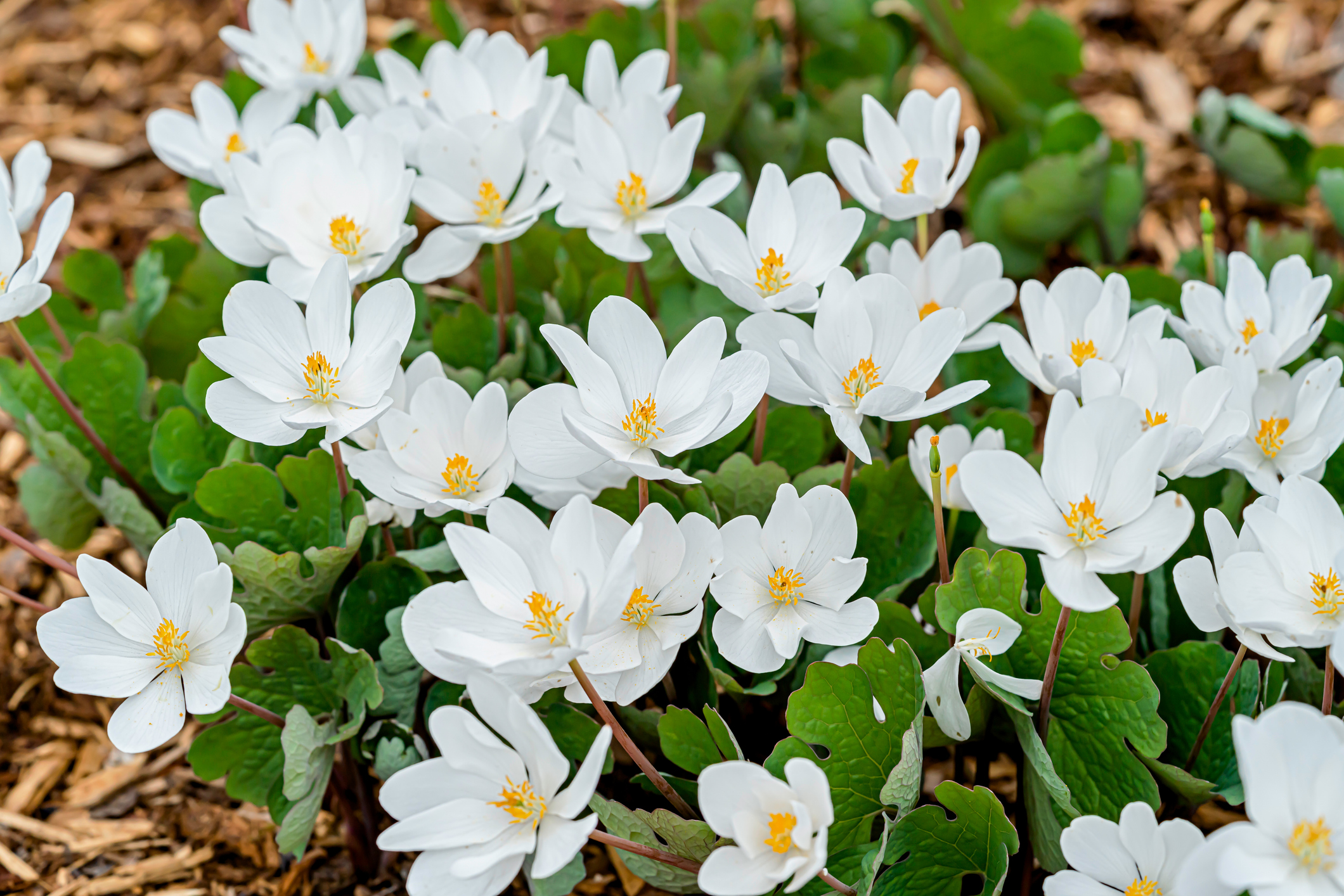
A truly ecological garden isn’t a one-season wonder. It hosts flowers for pollinators from March through November. Early spring bulbs (think crocus and bloodroot), summer stunners (like coneflower and swamp milkweed), and fall favorites (like goldenrod and asters) keep bees buzzing and your garden looking alive year-round. Plus, who doesn’t want something blooming when the rest of the neighborhood looks sad and bare?
Flowers for Every Type of Pollinator
Be inclusive! Some bees prefer small, tight flowers, while others like giant landing pads. Butterflies? They like bright colors and flat flowers. Hummingbirds? Tubular flowers are their jam. Plant a buffet: wild bergamot, blazing star, milkweed, columbine, and cardinal flower. Everyone gets a seat at the table—even the tiny sweat bees who do more pollination than you’d think.
Make Your Own Mulch
Mulch doesn’t have to come in plastic bags that weigh more than a toddler. Gather fallen leaves, grass clippings, shredded branches, or even straw. Layer it around plants to suppress weeds, hold moisture, and feed the soil. Bonus: leaf mulch in particular is an excellent winter habitat for beneficial insects, and it’s free if you’ve got a few trees nearby.
Grow a Wildflower Bee Garden
Pennsylvania bees are in trouble, and your backyard can be their personal spa retreat. Dedicate a sunny patch to a no-mow wildflower garden. Include natives like wild lupine, coreopsis, and Joe Pye weed. No chemicals. No mowing. Just buzzing bees, vibrant flowers, and major ecological bragging rights.
Attract Birds and Good Insects
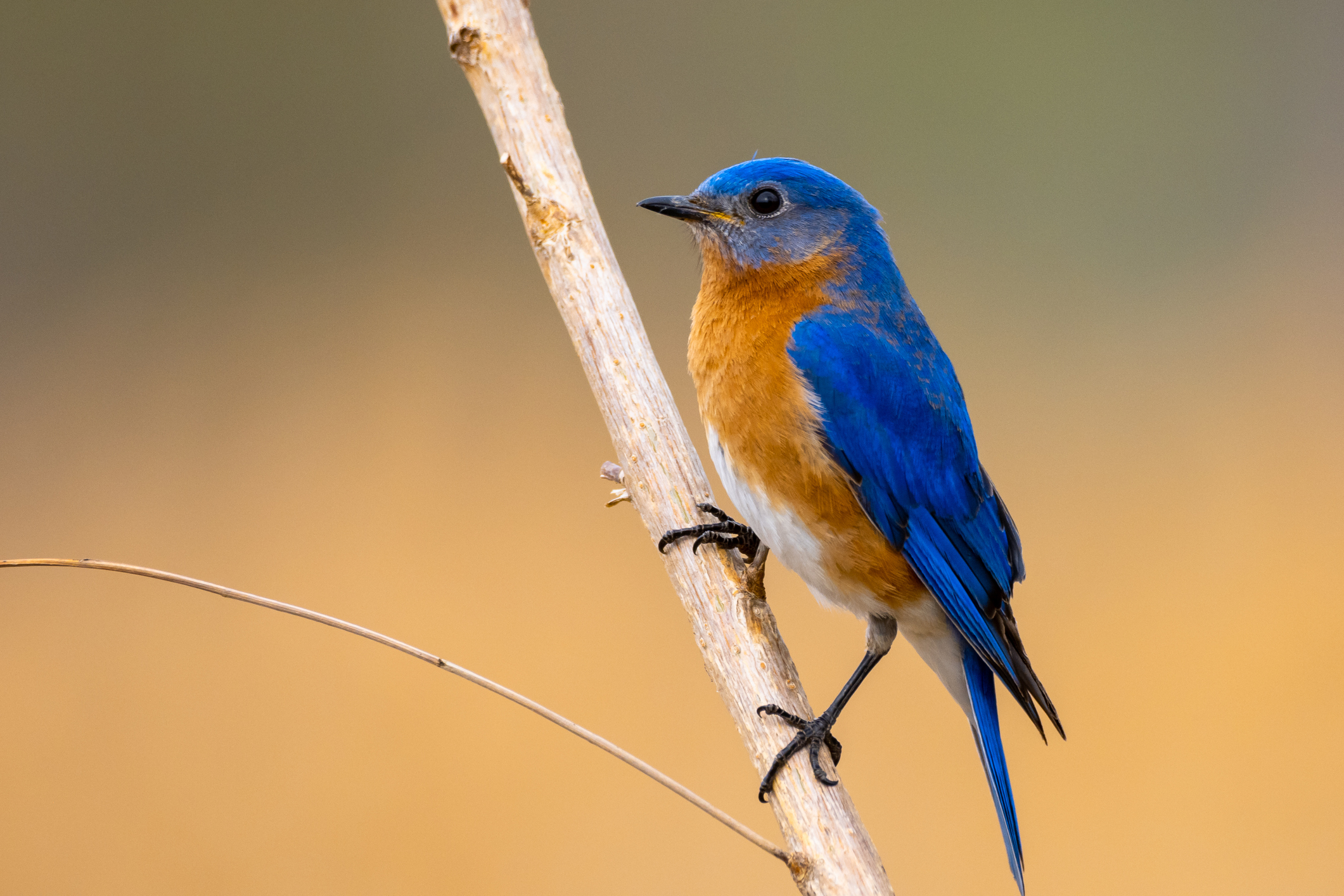
Forget chemical warfare and support local bird populations instead. Birds like chickadees, wrens, and bluebirds can gobble up thousands of pests every day. Lacewing larvae and ladybugs do free pest-control too. Plant shrubs with berries (like serviceberry and winterberry) and leave some seed heads standing through winter. It’s like setting up an all-you-can-eat pest buffet and letting nature handle the rest.
Use Companion Planting
Some plants just love to hang out together. Basil boosts tomatoes. Carrots cozy up to onions. Marigolds tell nematodes to take a hike. Companion planting reduces the need for fertilizers and pesticides. Plus, it’s adorable to imagine your plants throwing little garden parties underground—a true example of organic gardening tips at work!
Use Groundcover on Bare Soil
Bare soil is basically a dinner invitation for weeds, erosion, and evaporation. Cover that ground! Pennsylvania-friendly groundcovers like wild ginger, creeping phlox, and foamflower hold the soil in place, keep moisture in, and discourage those unwanted plants. Bonus: less weeding for you.
Rethink Beauty, Appreciate Full Lifecycle of Plants
Deadheading flowers the minute they fade? Not so fast. Those seed heads feed birds like goldfinches and juncos through winter. Dry stems house overwintering bees. Let the plants get a little scruffy come fall—it’s not messy; it’s actually quite beautiful, if you’re open to it. This way, you’re fully embracing environmentally friendly gardening in Pennsylvania—not just the glossy parts.
Install Drip Irrigation
Overhead sprinklers are so last season. Drip irrigation delivers water directly to the roots, reducing evaporation, disease risk, and water waste. Plus, your plants will appreciate the steady, predictable hydration—like sipping a gentle, slow iced tea instead of getting blasted with a firehose.
Grow Your Own Food
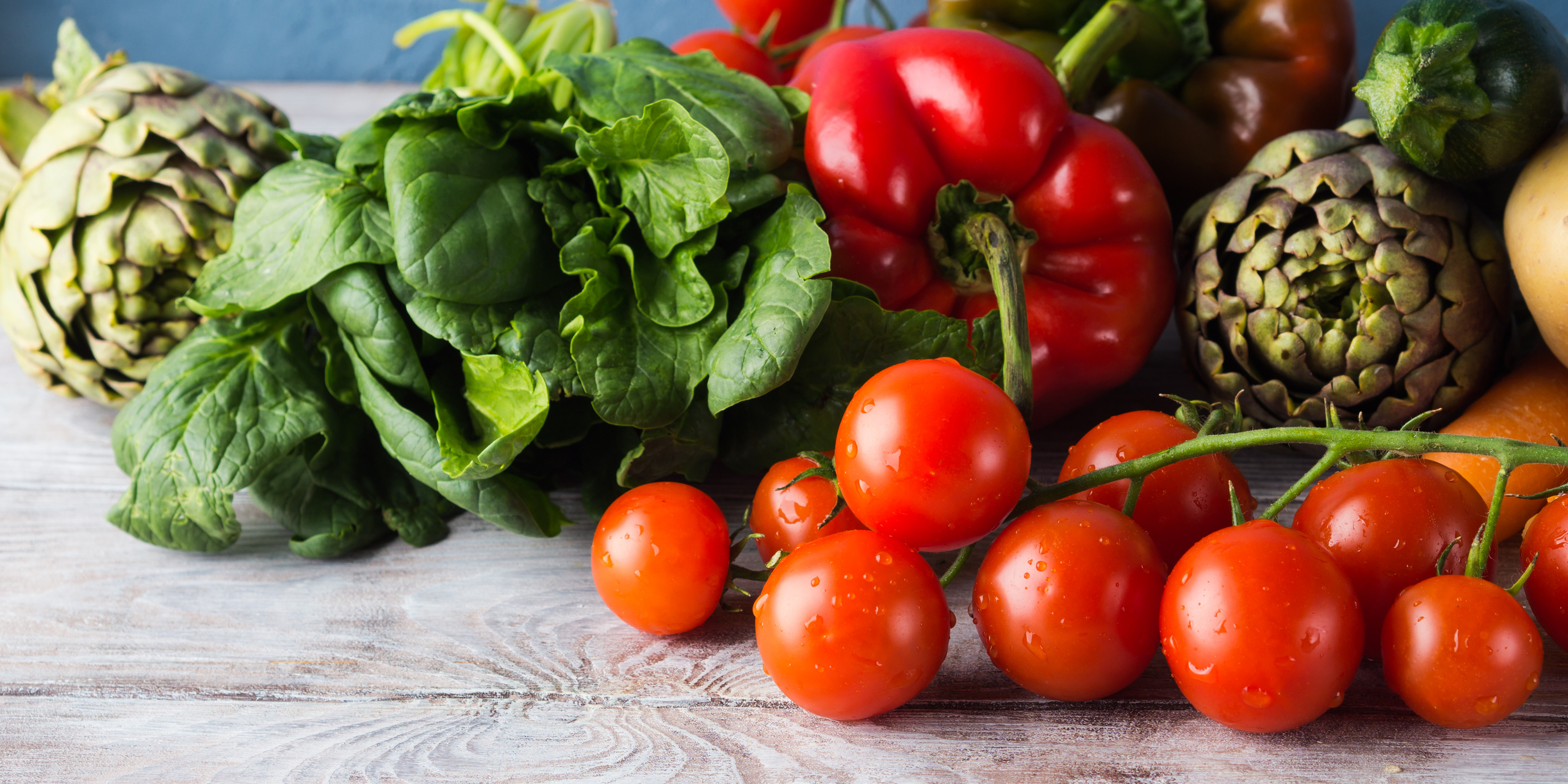
You don’t need a massive plot to grow some groceries. Cherry tomatoes, peppers, leafy greens, and even strawberries thrive in small spaces. Growing your own cuts down on transportation emissions, packaging waste, and last-minute grocery store runs. Plus, nothing tastes better than a sun-warmed tomato straight from the vine.
Enhance Soil with Cover Crops
Before winter hits, plant a cover crop like crimson clover, winter rye, or hairy vetch. They prevent erosion, fix nitrogen, and improve soil texture. Come spring, just chop and drop to feed your soil. It’s like tucking your garden in with a cozy, nutritious blanket.
Make Your Own Compost Tea
Store-bought fertilizers? Meh. Brew up a batch of compost tea instead. Soak a shovelful of compost in a bucket of water for a few days, stir occasionally, strain it, and use the “tea” to drench your plants’ roots or spray their leaves. It’s basically probiotics for your garden! If you’ve mastered composting at home in Pennsylvania, making compost tea is your next move.
Choose Permeable Pathways
Swap concrete for gravel, flagstone, or mulch pathways that let rain soak into the ground instead of rushing off to the storm drain. It’s better for groundwater, helps prevent flooding, and looks way more charming. Imagine strolling through your garden on a crunchy gravel path instead of a mini highway.
Trade Chemicals for Compost
Skip the synthetic fertilizers, pesticides, and herbicides. Compost builds your soil’s natural fertility, boosts beneficial microbes, and keeps pollutants out of Pennsylvania’s streams and rivers. A healthy soil ecosystem naturally supports healthy plants. Think of compost as your garden’s multivitamin—without the scary side effects.
Use Natural Pest Controls
Got aphids? Blast them off with a hose. Slugs? A little beer trap action (they can’t resist a good brew). Deer? Try strong-smelling herbs or motion-activated sprinklers. Sometimes the old tricks really are the best—and you won’t accidentally kill off the good bugs trying to help you out.
Share with Your Neighbors and Community
One garden can make a difference, but a block of gardens? That’s an ecosystem. Swap seeds, share compost, trade produce, share tools, and team up to install community rain gardens. Plus, bonding over tomatoes is way more fun than arguing about property lines.
Grow Longer Grass
Mow high—3 to 4 inches—and mow less often. Longer grass shades out weeds, holds in moisture, supports soil health, and gives beneficial insects a better home. Bonus? You can spend less time mowing and more time actually enjoying your garden. Lazy lawn care: the most ecological win-win ever.
Celebrate and Observe the Seasons
To truly be an ecological gardener, we must first form a relationship with the local life around us. That means observing the seasons, paying attention to migrating birds in your neighborhood, and observing what they eat. It involves noticing which butterflies hatch first in the spring and finding out what plants they need to survive. It means getting into the habit of observing nature and then shifting our gardening practices to accommodate and enhance, rather than diminish the life around us!
Final Thoughts for Abundant Gardens
Creating an ecologically friendly garden in Pennsylvania begins with recognizing and honoring the living community that surrounds us. It’s about adding abundance, not taking away, and learning to let Earth’s natural processes flourish. Whether it’s growing food, saving water, making compost tea, or getting into sustainable gardening, our collective efforts can create a more liveable, beautiful, and flourishing world, one garden at a time!