Creating Beautiful Home Butterfly Gardens
August 12, 2024
Butterflies are a cherished part of the vibrant web of life to which we belong. Like flowers that have gained wings, they flit gracefully from plant to plant, bringing color as vibrant as a wildflower meadow. Now, just imagine if you could invite these delicate creatures to linger just a little longer in your yard as they gather sustenance for their upcoming fall migrations. Well, this guide is here to help you do just that. Here’s how to transform your Pennsylvanian garden into a home butterfly garden.
Common Butterfly Species in Pennsylvania
Pennsylvania is home to an amazing 186 butterfly species. Here are a few common ones you can expect to see in your garden:
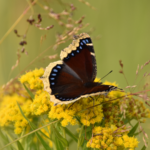
Mourning Cloak (Nyphalis antiopa): This is often the first butterfly you’ll see, commonly emerging in February or March. They rest during the heat of summer, but remain alive for ten to eleven months.
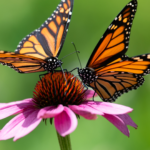
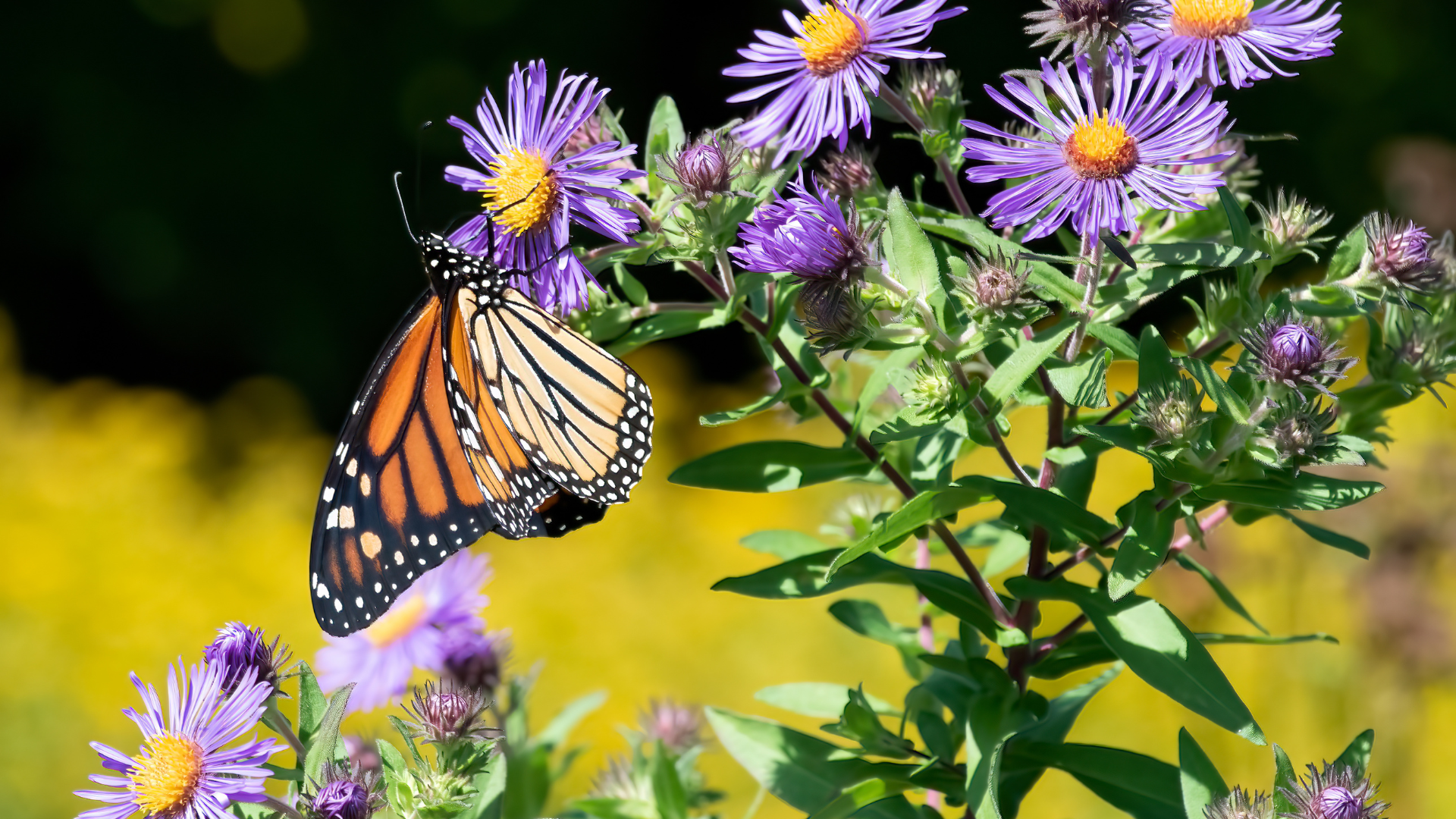
Monarch Butterfly (Danaus plexippus): Known for their incredible migration, Monarchs are easily recognizable by their orange and black wings. They lay their eggs exclusively on milkweed plants.
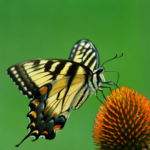
Eastern Tiger Swallowtail (Papilio glaucus): These large butterflies are yellow with black tiger-like stripes. They enjoy nectar from a wide range of flowers and lay their eggs on trees like tulip poplars and wild cherries.
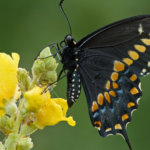
Black Swallowtail (Papilio polyxenes): These butterflies, with striking black and yellow patterns, are common in Pennsylvania’s gardens. Their caterpillars feed on plants in the carrot family, such as parsley and dill, and you’ll often see them on your fennel, too!
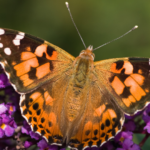
Painted Lady (Vanessa cardui): Often called the “cosmopolitan butterfly” for their widespread presence, Painted Ladies have orange, black, and white wings. They enjoy a variety of nectar plants and lay their eggs on thistles.
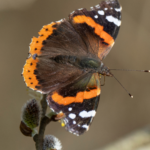
Red Admiral (Vanessa atalanta): These butterflies are known for their rapid flight and territorial behavior. They have striking black wings with red bands and lay eggs on nettles.
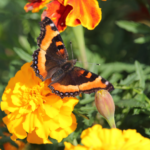
Fire-Rimmed Tortoiseshell (Aglais urticae): Also known as the Small Tortoiseshell, this striking butterfly boasts fiery orange and black patterns bordered by blue spots. Although less common, it can occasionally be spotted in Pennsylvania gardens, adding an extra layer of beauty and diversity to your butterfly haven.
Understanding The Needs of Butterflies
Butterflies undergo a fascinating life cycle with four stages: egg, larva (caterpillar), pupa (chrysalis), and adult. Each stage has its own set of requirements, and understanding these unique needs is key to creating a butterfly-friendly garden:
- Egg Stage: Female butterflies lay their eggs on host plants that serve as food for the emerging caterpillars.
- Larva Stage: Caterpillars hatch from the eggs and feed voraciously on the host plants, meaning providing the right host plants is crucial for their success.
- Pupa Stage: Caterpillars transform into chrysalises, where they undergo the mysterious process of metamorphosis. Safe and sheltered spots are essential for this delicate stage.
- Adult Stage: Adult butterflies need nectar-rich flowers for sustenance, sunny spots to bask and warm their wings, and safe water sources to drink and bathe.
The Best Plants for Attracting Butterflies
Several native Pennsylvanian plants are incredibly effective at attracting butterflies. Here are some of the best plants for butterflies, combining nectar-rich flowers for adults and host plants for caterpillars:
- Milkweed (Asclepias spp.): Milkweed is a must-have for any butterfly garden, serving as both a nectar source for adult Monarch butterflies and a host plant for their caterpillars. In Pennsylvania, common species include Common Milkweed, Swamp Milkweed, and Butterfly Weed. Milkweed blooms from late spring to summer, and its clusters of pink, purple, or orange flowers attract butterflies and a host of other beneficial pollinators.
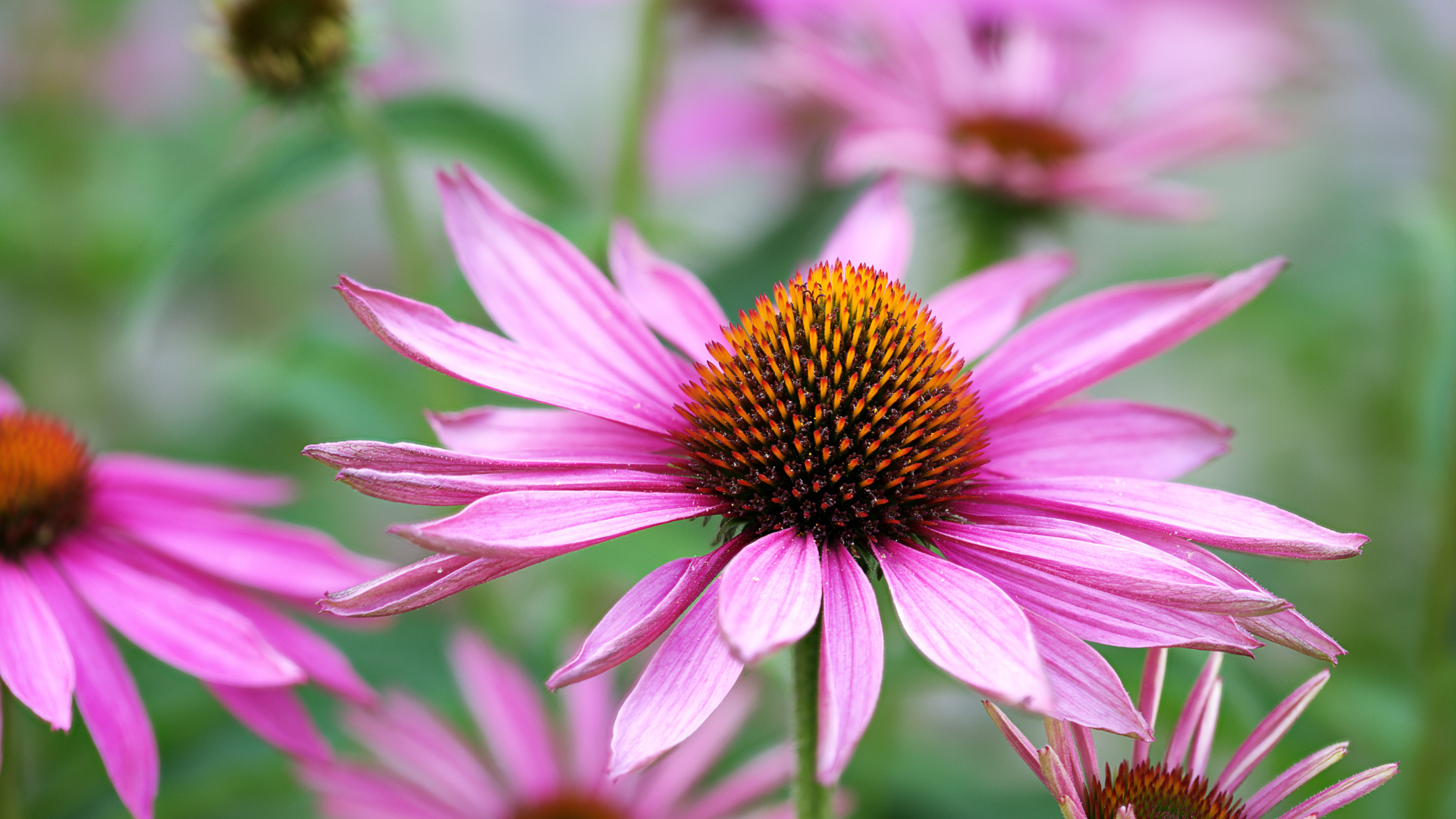
- Purple Coneflower (Echinacea purpurea): Known for their large, daisy-like purple blooms, these nectar-rich flowers are both a visual delight and a butterfly magnet, attracting a wide range of butterfly species. They bloom from mid-summer to fall, ensuring a steady supply of food.
- Joe-Pye Weed (Eutrochium purpureum): This tall, native perennial is known for its large, pink-purple flower clusters that bloom from late summer to early fall. It is a magnet for butterflies like Swallowtails and Painted Ladies and thrives in moist, well-drained soils. It does well in shady areas, making it a versatile addition to various garden settings.
- Black-Eyed Susan (Rudbeckia hirta): These cheerful yellow flowers are a favorite of many native butterfly species. Black-Eyed Susans bloom from mid-summer to fall, providing a long-lasting nectar source. They are also easy to grow, tolerating a range of soil conditions and requiring minimal care once established.
- New England Aster (Symphyotrichum novae-angliae): This late-blooming perennial is essential for extending the butterfly season into the fall. Its vibrant purple or pink flowers provide nectar at a time when many other plants have finished blooming. New England Asters thrive in full sun and well-drained soil and can tolerate both dry and moist conditions.
Picture your garden in full bloom with these plants, each one a beacon for butterflies. The sight of Monarch caterpillars sipping on milkweed or Swallowtails dancing around your Joe-Pye Weed is sure to bring a sense of magic to your outdoor space.
Butterflies for Every Season: Tips for Year-Round Care
Butterfly gardening isn’t just a one-season affair, as butterflies themselves don’t live only in one season. Like us, they endure all year long, although with quite a different strategy. So, to keep your garden attractive for butterflies, you’ll need to accommodate their needs in spring, summer, fall, and winter.
Butterfly Gardening in the Spring
Early bloomers like columbine and phlox are among the first flowers to provide nectar for butterflies. As the season progresses, Butterfly Weed starts to show its bright orange blooms, attracting butterflies like the Monarch. Planting these early bloomers ensures that your garden is ready to support butterflies from the moment they emerge from their chrysalises.
Attracting Butterflies Through the Summer
Summer is the peak season for butterfly activity, so maintaining continuous blooms in your garden is essential. Mid-summer to fall bloomers like Purple Coneflower and Black-Eyed Susan are crucial for providing a steady food supply, while milkweed offers nectar and nesting sites for Monarch caterpillars. Deadheading the spent flowers of these plants encourages new growth and a continuous food source throughout the summer.
How to Attract Butterflies to Your Garden in the Fall
As the days shorten and temperatures cool, it’s important to have late-blooming flowers that support the migration and winter preparations of your visiting butterflies. New England Asters provide essential nectar when many other plants have finished blooming, while Joe-Pye Weed also blooms into the early fall and attracts butterflies like Swallowtails and Painted Ladies. Planting these fall bloomers ensures your garden remains a vital resource for butterflies as they prepare for the colder months.
What Can You Do for Butterflies in Winter?
Winter might seem like a dormant period, but it’s still an essential time for butterflies. Leaving leaf litter and unpruned plants provide winter shelter for overwintering butterfly eggs, larvae, and pupae.In some species, even adult butterflies can overwinter in your garden. Avoid heavy pruning until the weather warms up in the spring, giving any hidden butterflies a chance to emerge safely.
Remember: If you’re interested in butterflies, you must also develop an eye for chrysalises and caterpillars, as these rare garden gifts become butterflies later on. So, inspect before you prune, leave chrysalises if you see one, and make sure you identify caterpillars as the beneficial bugs they are.
The unparalleled beauty of butterflies is simply a joy to behold, and having a butterfly make your garden their home is an achievement that instills an incredible sense of gratitude and awe in the natural world. The key is to grow plants they love and foster a garden lush with native biodiversity. For more Glenside, PA, butterfly gardening tips, come visit Primex Garden Center today!