A Harvest of Weeds: Tips for Loving, Eating and Cooking Edible Weeds
July 29, 2024
Did you know that many of the so-called “weeds” in your garden are actually edible plants waiting for their time to shine? As it turns out, these pesky plants are, in fact, nutrient-packed stars that rival some of the fanciest superfoods on the market, and they’re growing in your garden for free! Let’s take a look at how you can appreciate, use, and welcome these wonderful gifts into your home cooking.
What Is an Edible Weed?
In gardening terms, a weed is a plant growing where it’s not wanted. They sprout up in the open spaces between our desired plants, forcing us to spend countless hours trying to remove them by hand or with herbicides. However, it turns out that many of them are not only trying to repair and restore our soil, but are helping to heal the gaps in our nutrition!
These resilient plants have adapted to grow prolifically—often in undesirable conditions—and have developed impressive nutritional profiles as a result. Thanks to their ability to draw nutrients from deep within the soil, they’re often rich in vitamins, minerals, and antioxidants, so think twice next time you reach for the herbicides and instead reach for the frying pan!
Which Weeds Can I Eat?
Let’s explore some of the most common edible weeds you’ll find in your garden or lawn here in Pennsylvania, the perfect blends of nutritious and delicious!
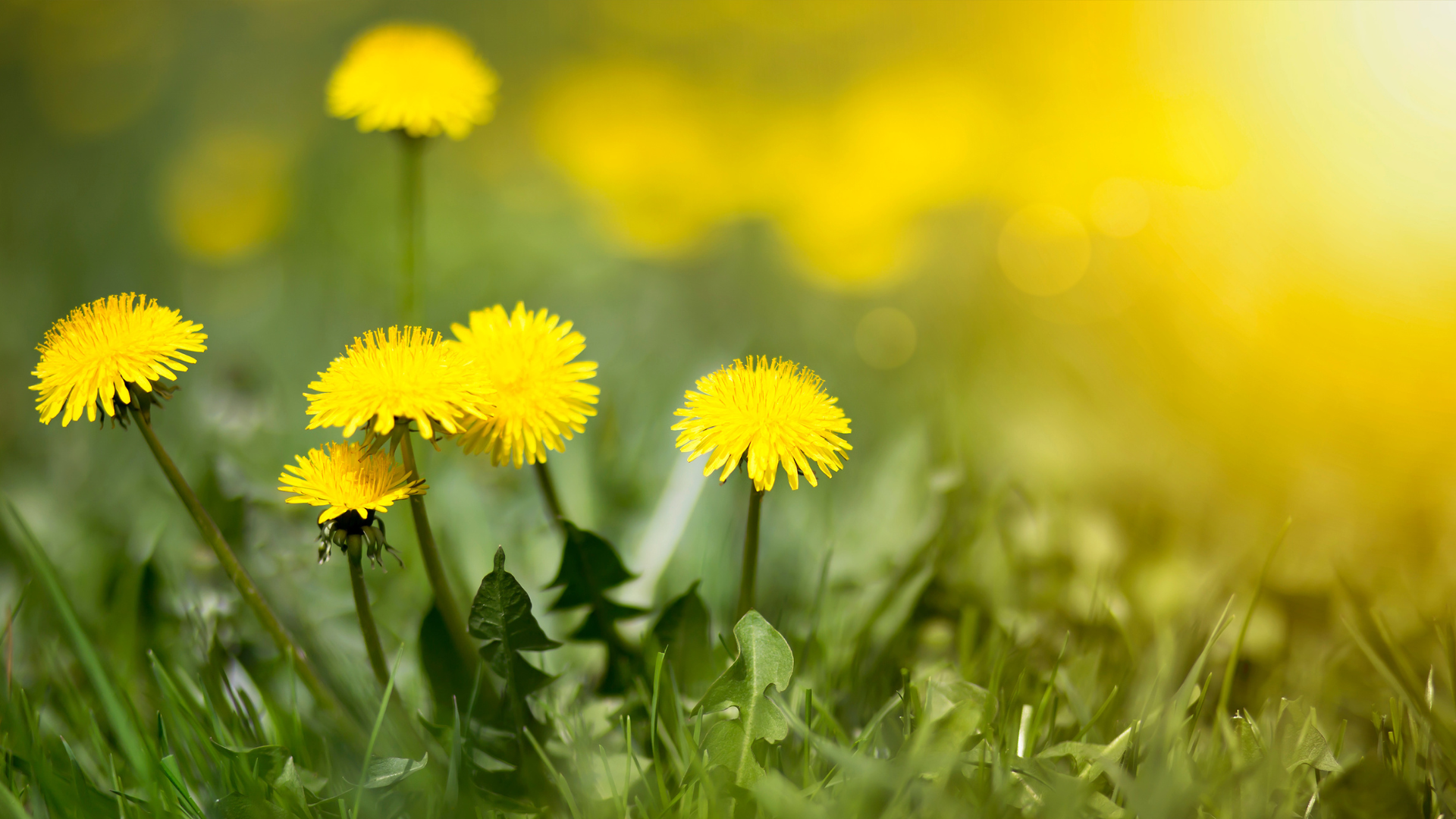
Dandelion (Taraxacum officinale)
Ah, the humble dandelion. Known for its bright yellow flowers and resilience in growing just about anywhere, this superfood was originally brought here from Europe as a food crop and is packed with calcium, iron, and vitamins A, B, C, and K. The leaves have a slightly bitter taste, making them poor solo acts, but they make great additions to salads and stir-fries. The flowers can also be brewed into dandelion wine or battered and fried for a unique treat, while dandelion roots can be roasted and brewed into a coffee-like drink that’s caffeine-free and surprisingly tasty.
Pro Tip: The young leaves of plants are best to eat, as they are the least bitter. Harvest the leaves of young plants first, then harvest the roots later in the season as the plant grows!

Chickweed (Stellaria media)
Chickweed is a delicate weed with small, tender leaves that have a mild, slightly sweet flavor. It’s rich in vitamins A, C, B and D, as well as minerals like calcium, iron, magnesium, potassium, and zinc. Use chickweed fresh in salads and sandwiches, or blend it into pesto for a nutritious twist on a classic. You can also cook chickweed lightly and use it as a bed for grilled meats or fish.
Plantain (Plantago major)
No, we’re not talking about the banana-like fruit, but rather the broadleaf plantain commonly found in Pennsylvanian lawns and garden edges. Plantain leaves are rich in calcium, vitamins A, B, C, and K, and a host of other essential minerals. They have a slightly bitter flavor when raw but mellow out when cooked. Use young plantain leaves fresh in salads or as wraps for other foods. You can also cook mature leaves as you would spinach or kale, or dry them for use in herbal teas. The leaves can be used to make a healing balm, great for minor cuts, burns and insect bites.
Nettles (Urtica dioica)
Nettles may be prickly to the touch, but don’t let that deter you—they’re incredibly nutritious. Nettles are packed with iron, calcium, potassium, and vitamins A, C, and K. The sting disappears when they’re cooked or dried, making them safe to handle and eat. Use gloves to harvest them, then blanch or sauté nettles and use them in soups, stews, or as a cooked green. They have a flavor similar to spinach but with a slightly earthier taste.
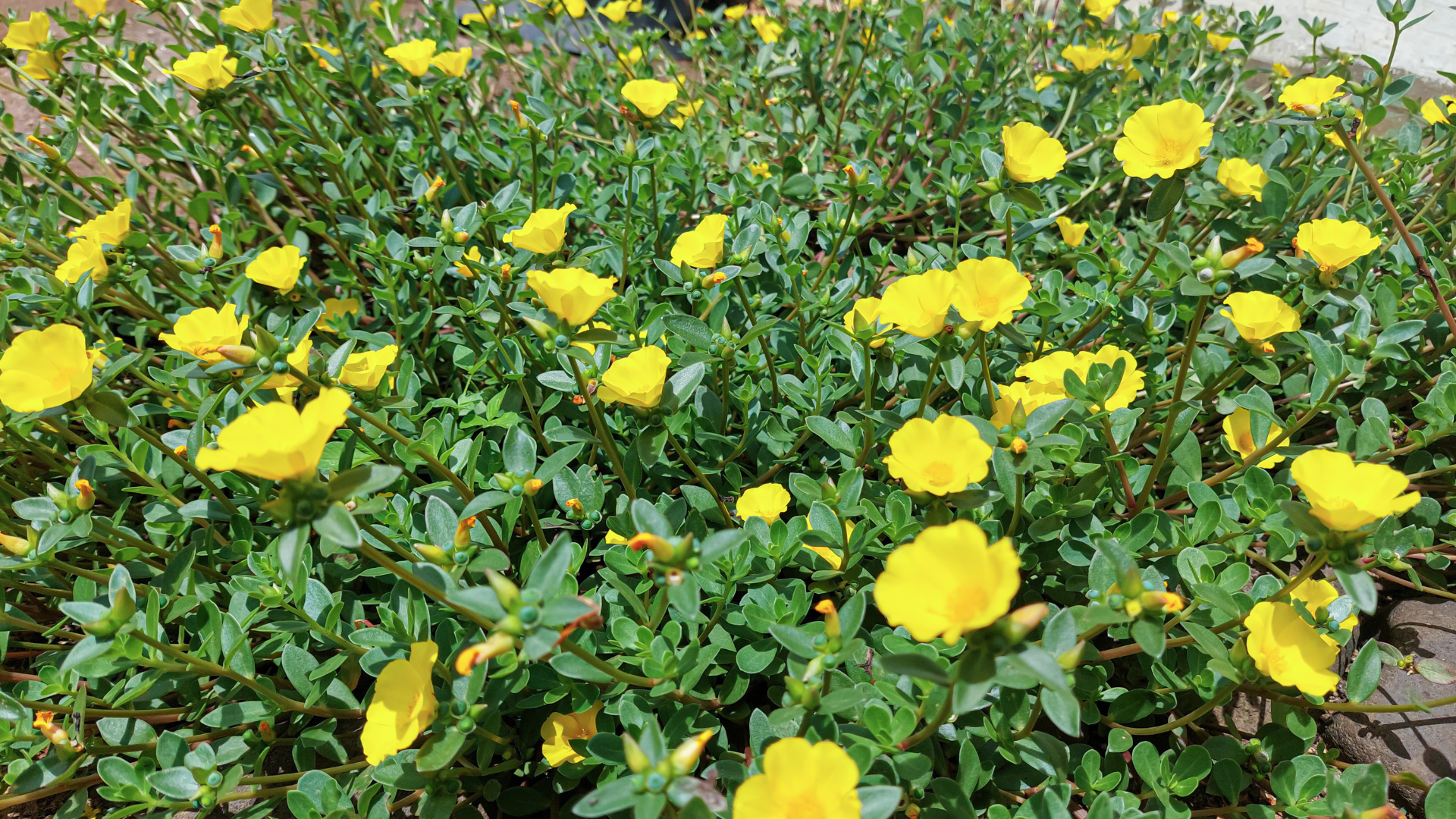
Purslane (Portulaca oleracea)
Purslane is often overlooked, but it’s a powerhouse full of omega-3 fatty acids, vitamins A, C, and B-complex, magnesium, calcium, potassium, and iron. Its succulent leaves have a lemony, tangy flavor that adds a refreshing kick to salads or sandwiches. Purslane can also be lightly cooked and used in stir-fries or soups. Try pickling purslane stems for a crunchy and tangy treat, or experiment with them in other garden-to-table recipes.
Wild Amaranth (Amaranthus retroflexus)
Wild amaranth, also known as pigweed, is a nutrient-dense weed that offers iron, calcium, protein, and vitamins A, C, and K. Young leaves can be eaten fresh in salads or cooked like spinach, while the seeds can be ground into flour for baking or cooked whole as a grain substitute. Wild amaranth has a mild, earthy flavor that pairs well with a variety of dishes.
Lambs Quarters (Chenopodium album)
Lambs quarters, or goosefoot, is another nutritious weed with a flavor similar to spinach. It’s rich in calcium, magnesium, potassium, and vitamins A, C, and K. Harvest the young shoots and leaves to eat fresh in salads, or cook them lightly as you would spinach. Lambs quarters can also be used in quiches, soups, or as a filling for savory pastries.
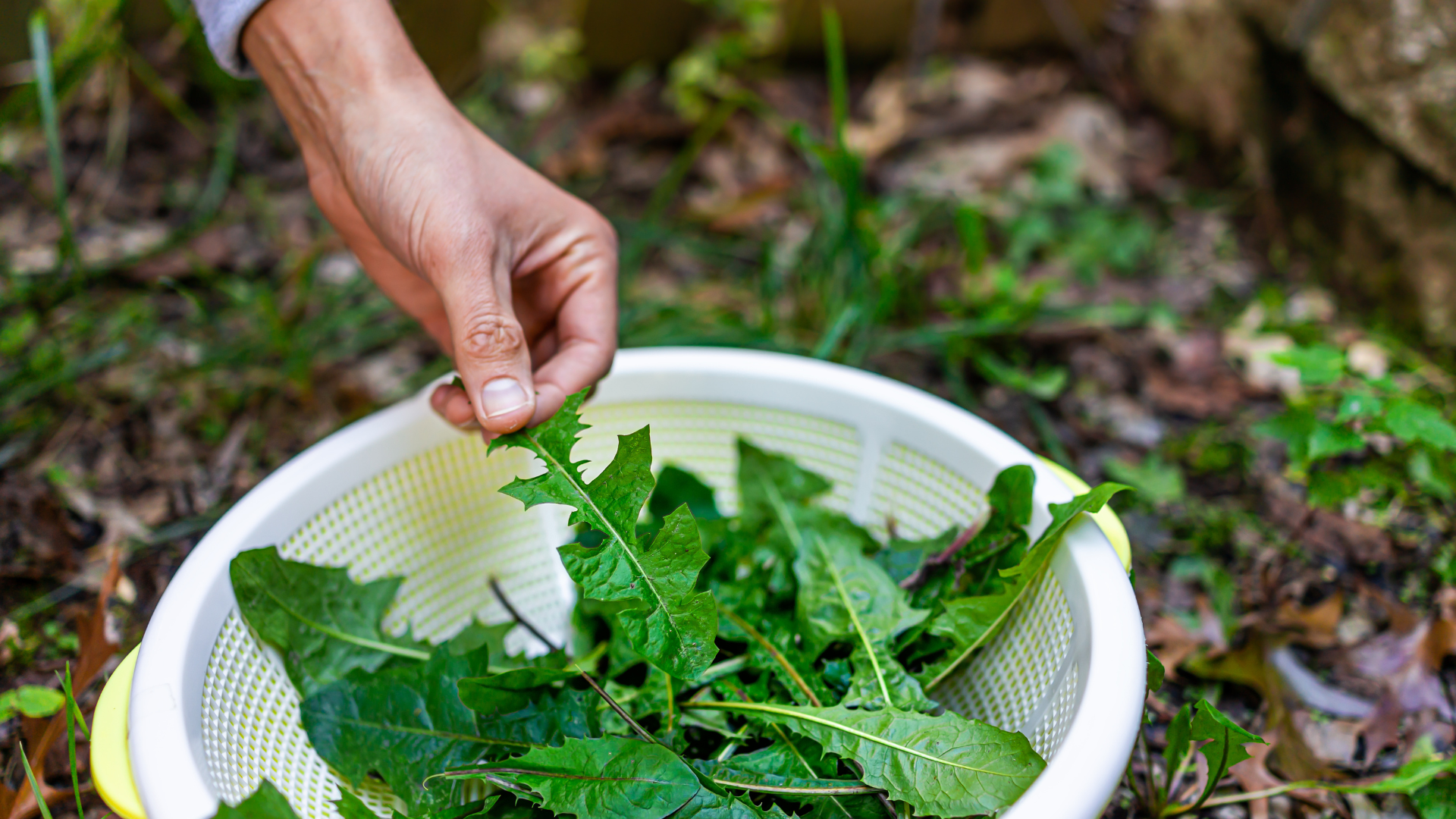
Safe Practices for Harvesting and Eating Edible Weeds
When harvesting and consuming edible weeds, it’s crucial to follow these safe practices to ensure both your health and the sustainability of natural resources:
- Know Your Weeds: Ensure you correctly identify a plant before you eat it. Some weeds have close look-alikes that can be toxic and even deadly, so be confident with your ID skills before you harvest and eat these weeds!
- Never Eat Weeds That Have Been Sprayed: Don’t just eat any dandelion you see; they could have been sprayed with poisonous pesticides, which linger in the soil for months and even years, getting absorbed by any plants growing there. Only harvest weeds from places you know have not been sprayed with pesticides or exposed to any other chemicals.
- Don’t Harvest from Roadsides or Other Contaminated Sites: The side of a busy road is not the place to forage for weeds. The plants there have likely absorbed dangerous chemicals from exhaust or car spills and runoffs.
- Start With a Nibble, Not a Gobble: Whenever you’re eating a new plant, start with small quantities to test for any allergic reactions or digestive sensitivities. Some of these wild plants are potent, with more concentrated nutrients than an average grocery vegetable, and may come with risks if consumed in large quantities. So, take precautions and start small.
- Use Sustainable Harvest Methods: If you harvest from the wild, be sure to follow the following rules: Only harvest what you need, take less than one-third of the plant so it can regenerate, never take the last or only plant of its kind in an area, do not disturb wildlife or ecosystems when harvesting, respect private property, and honor the plants themselves by learning about it and its role in the surrounding ecosystem.
Finally, if uncertain or uncomfortable, consult with local foraging experts or botanists to ensure a safe and enjoyable foraging experience.
Appreciating the Value of Edible Weeds
Weeds are actually garden gifts waiting to be recognized and appreciated. Previous generations ate, cultivated, and even celebrated them during their seasonal feasts and holidays. These edible plants are some of the first to show up each spring in Glenside, often ready to harvest before we’ve even sown our seeds. They keep growing and coming back throughout the season, offering themselves to us again and again as a constant and relentless source of food.
Recipe: Wild Greens Pesto
This recipe combines the nutritional power of wild greens like dandelion, chickweed, and nettles into a delicious and versatile pesto. Use it as a dip, spread, or sauce for pasta.
Ingredients:
- 1 cup young dandelion leaves, washed and chopped
- 1 cup chickweed, washed and chopped
- 1 cup nettles, blanched and chopped (use gloves to handle raw)
- 1/2 cup fresh basil leaves
- 1/2 cup grated Parmesan cheese
- 1/4 cup pine nuts or walnuts, toasted
- 2 garlic cloves, minced
- 1/2 cup extra virgin olive oil
- Juice of 1 lemon
- Salt and pepper to taste
Directions:
Prepare the Nettles:
- Bring a pot of water to a boil. Using gloves, add the nettles to the boiling water and blanch for about 2 minutes.
- Remove the nettles with a slotted spoon and plunge them into ice water to stop the cooking process.
- Drain and squeeze out excess water, then chop finely.
Toast the Nuts:
- In a dry skillet over medium heat, toast the pine nuts or walnuts until golden brown, stirring frequently. This should take about 3-5 minutes.
Blend the Ingredients.
- In a food processor, combine the dandelion leaves, chickweed, blanched nettles, fresh basil, toasted nuts, minced garlic, and Parmesan cheese. Pulse until the mixture is coarsely chopped.
- Add Oil and Lemon Juice:
- With the food processor running, slowly drizzle in the olive oil until the mixture becomes smooth and well combined.
- Add the lemon juice, and blend again to incorporate.
Season:
- Taste the pesto and add salt and pepper to your preference.
Store or Serve:
- Transfer the pesto to a jar or airtight container.
- Store in the refrigerator for up to a week, or freeze for longer storage.
Serving Suggestions:
- Toss with pasta for a vibrant, nutrient-packed dish.
- Spread on toast or sandwiches for a fresh, green flavor.
- Use as a dip for fresh vegetables or as a sauce for grilled meats and fish.
This wild greens pesto not only highlights the culinary potential of edible weeds but also maximizes their nutritional benefits, making it a perfect addition to any garden-to-table meal. Enjoy the unique flavors and health benefits that these resilient plants have to offer!
It’s time we welcomed these plants back into our diets once more, but that doesn’t mean we have to let them spread out of control. Instead, it means using sustainable gardening tips, transforming the task of weeding into a task of active harvesting, and letting them grow a little more than we normally would before harvesting and enjoying them in our kitchens. For more inspiration on edible plants, come visit our garden center in Glenside, PA!