Pre-Winter Tasks for a Pennsylvania Garden
December 11, 2023
Make sure the garden is ready for its winter slumber by taking care of these timely tasks.
Winter is a time for rest in the garden: insects burrow into the leaf litter for slumber, plants relinquish their leaves and return to the roots, and gardeners retire their spades for the year and celebrate autumn’s harvest with the holidays. However, before we abandon our gardens to the snow, there are a few last-minute tasks we need to take care of now to help them thrive through the winter and into next spring!
Gardening Chores to Check Off Your List Before Winter
Here are the essential chores you’ll want to cross off your garden’s pre-winter checklist before the snow starts to fall:
Mulching for Winter Insulation
From improving your soil’s quality to keeping down weeds, mulching your garden comes with many benefits, no matter the season. However, the winter’s when mulching really shows off its powers, helping to prevent soil erosion due to wind, rain, and snow melt and insulating your plants against extreme cold weather, moisture loss, and early spring’s devastating freeze-thaw cycle. To enjoy these benefits, simply apply 1-2 inches of mulch around most of your plants, including perennials, shrubs, and trees.
Pro tip: Remember to leave a gap of 2 inches around the trunks of your trees and shrubs to prevent rotting.
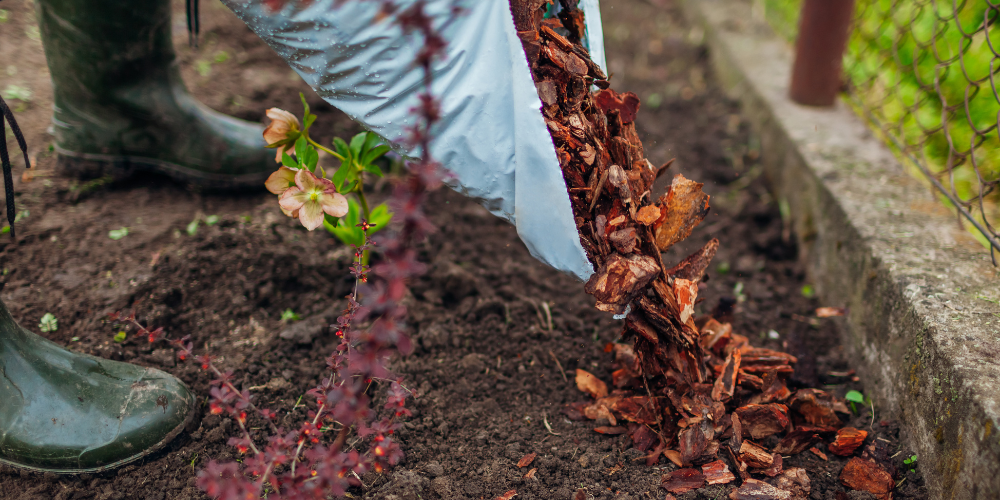
Mulching your garden is also an excellent way to protect your more vulnerable plants—such as newly planted trees, shrubs, and perennials, or any other plants not cold hardy to our growing zone (USDA 7a)—from Pennsylvania’s harsh winter cold. These individuals benefit from an extra layer of mulch (3-4″) in the form of woodchips, bark mulch, straw, or leaves.
While you’re out mulching, we also recommend spreading a bit of compost in your garden. Spreading compost before winter is yet another way to enrich your soil and insulate your plants during the colder months. While we’re warm in our homes, this black gold is hard at work in our gardens, fostering microbial activity that heats up the soil, makes nutrients available for next spring, and solves many common soil deficiencies and problems, helping your plants survive the winter and come back stronger once the snow finally thaws.

Wrapping Young Plants and Trees
Even though the plants in our garden go dormant during winter, most of our animal kin remain active and have to switch their diets to whatever food’s available. As a result, you may find mice, rabbits, or deer nibbling at the bark of your trees and shrubs throughout the winter—especially the tender bark of young plants.
To prevent this winter snacking, we recommend wrapping or caging the lower trunks of your vulnerable trees and shrubs, as this forces local wildlife to find their meals elsewhere. Focus your animal protection efforts on your newly planted or younger plants; established trees and shrubs can usually get away without it, thanks to their thicker bark.
Note: It never hurts to keep an eye on your trees throughout the winter to see if anyone has decided to nibble on them; plus, it’s a great way to better understand the patterns of visiting birds and animals in your yard!
Winter Pruning Do’s and Don’ts
If you’re thinking now’s the best time to break out the pruning shears, think again; pruning in the late fall opens wounds that won’t seal until the sap starts flowing again, exposing your shrubs to moisture loss and the potential for infections. Instead, the best time to prune most shrubs is actually in late winter, spring, or sometimes the summer, depending on when they flower.

However, with that said, it’s important to prune some plants before winter to prevent snow from breaking their branches. Boxwood, arborvitae, and yews are susceptible to snow damage, as are trees with more than one central leader. To protect them, tie the leaders together and prune away any structural weakness you find. These practices make your trees more structurally sound, which helps them withstand snow loads.
One of the unique challenges that come with Pennsylvania winters is our wet snow storms. Whenever one rolls into town, try to brush off your trees and shrubs with a broom every 5 hours to prevent accumulation. Remember to brush the plants upwards, from the ground to the sky, so you don’t put pressure on already loaded limbs.
Extra Gardening Tips for Your Pennsylvania Pre-Winter Checklist
Here are a few more chores you’ll want to take care of before winter hits to give you and your garden a headstart once spring returns:
Maintain Your Garden Tools
It’s always a good idea to clean, sharpen, and oil your garden tools before retiring them for the winter to prevent rusting and get them ready to use again next spring.
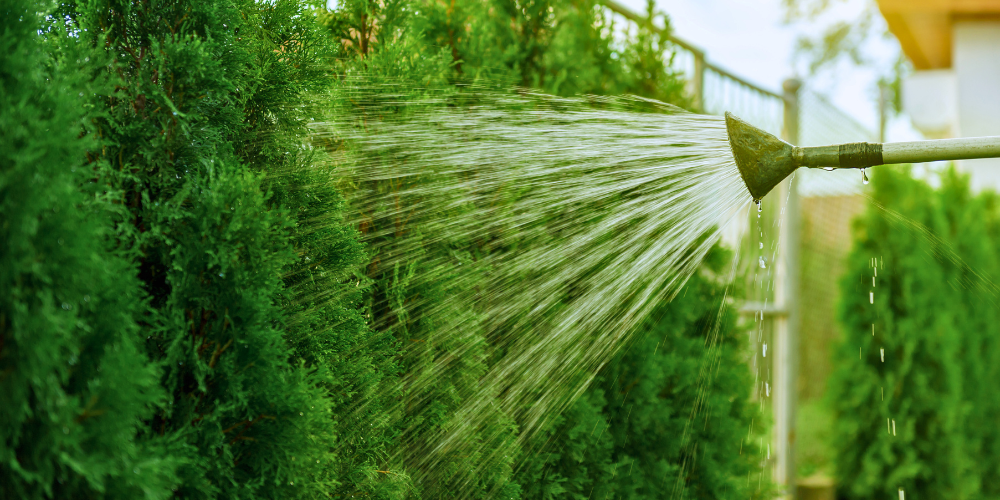
Water Evergreens Before Winter
It’s always a good idea to water your evergreens before and even during the winter, especially if we’ve had a dry fall. Evergreens are particularly vulnerable to moisture loss during the cold months because they retain their leaves and needles, leaving more openings for moisture to escape. As a result, evergreens are more susceptible to winter burn due to dryness, which can cause brown needles on the tips of their branches. However, these signs don’t usually show up until the following spring, so keep a close eye on your evergreens and adjust your care routine accordingly.
Avoid Bringing Sidewalk Salt into Your Garden
If you apply salt to your walks, be mindful not to shovel salty snow onto your lawn or garden or apply it where it will drain into your landscape. Use salt sparingly and only where it won’t affect trees, grass, or your garden.
Protect Your Trees from Road Spray
If you have any trees planted next to a roadway, they may be at risk of getting doused with harmful salt spray from passing vehicles. To protect them, we recommend wrapping your at-risk trees in burlap or setting up a burlap screen to shield them from road spray.
We hope our winter garden checklist helps you prepare your garden for a healthy winter and a successful return come next spring. For more winter gardening advice, feel free to visit us at our garden center in Glenside, PA!