Transitioning Your Houseplants Indoors for the Winter
September 7, 2023
By offering your plants optimum care during the autumn, you’ll ensure your vibrant green haven continues to thrive right in the heart of your home.
As the days grow shorter and the air crisper, it’s time for our houseplants to return to their cozy indoor abodes. Transitioning houseplants back indoors properly involves several key steps and practices, and can sometimes feel overwhelming. Autumn care is key to ensuring your vibrant green haven thrives indoors, and when winter plants take center stage, their resilience and beauty will bring life to your space all season long. Thankfully, this guide will break down the process into manageable steps, ensuring your green companions thrive during the autumn transition into their new indoor digs.
1. Plan for a Gradual Autumn Shift
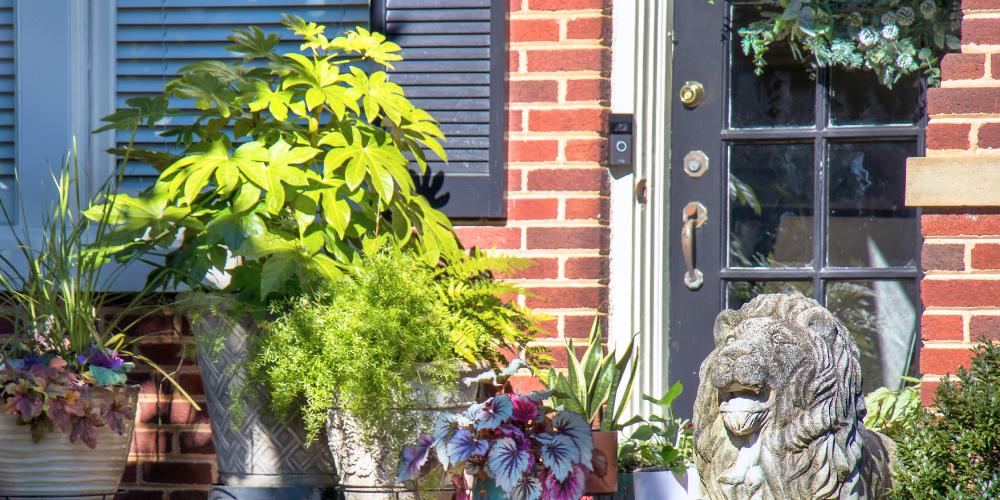
Before frost glazes the garden, it’s crucial to reacclimate your houseplants to their indoor lifestyle. Just as you “hardened them off” in the spring, you need to reverse the process in the autumn. Start around mid-September by placing them in a shaded, protected spot outdoors. Then, over the next two weeks, gradually transition them to lower light conditions and reacquaint them with the indoors a few hours at a time. Moving your plants gently like this prevents stressing them out with sudden changes.
2. Keep An Eye on Temperature
Remember that most houseplants come from tropical climates and aren’t used to our cool Pennsylvanian autumns, so keep an eye on the weather forecasts—especially overnight lows—and make sure you bring them indoors before the temperature drops below 45ºF.
3. Look for Pests
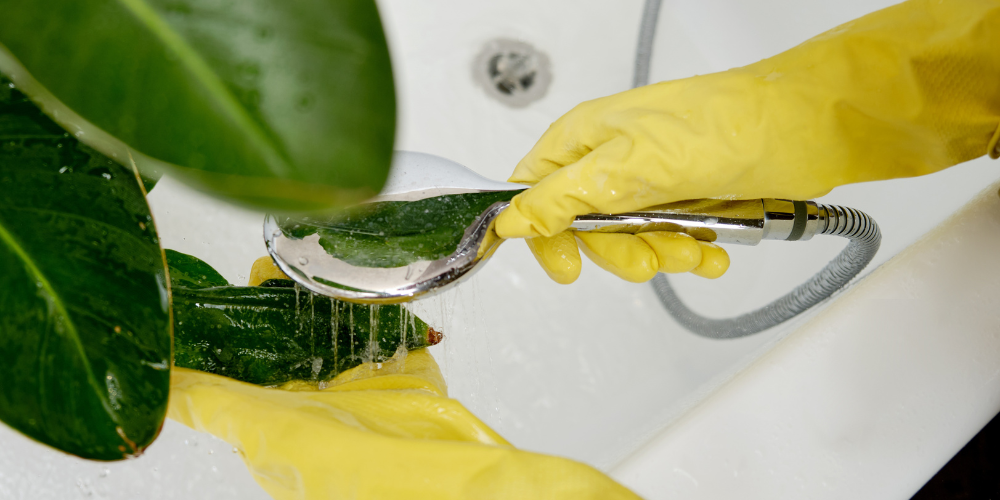
While we adore our leafy companions, houseplant pests view them as an all-you-can-eat buffet. As you prepare to bring your plants inside this autumn, spray them down with your garden hose and inspect them thoroughly to ensure they’re pest-free, checking underneath leaves and in the crooks of branches where these tiny bugs like to live. Look particularly closely for aphids, spider mites, and scale, notoriously common pests here in Pennsylvania. If you find any, spray them with a mild soap solution.
4. Trim and Tidy
Before bringing your plants inside, give them a little makeover with a gentle pruning session. Trim away any dead or yellowing leaves to enhance your plant’s overall aesthetics and help them channel their energy into developing new shoots. Pruning your houseplants also removes any unruly growth that may have occurred during their summer holiday. However, remember not to prune away more than one-third of the plant at one time.
5. Consider Repotting
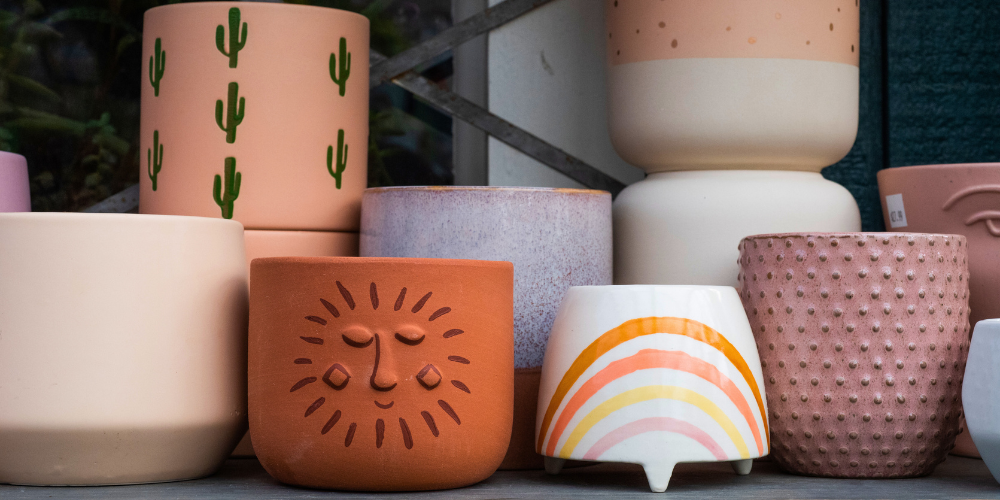
As you bring your plants indoors, take a moment to assess their containers. If they’ve outgrown their pots during the growing season, it’s time for a little pot-up dance. Repotting allows your plants to stretch their roots and continue thriving. Choose a pot just one size (1/2- 1″) larger than their current one, ensuring your plants have enough room to spread their roots over the winter without too much extra space, which can make it more difficult to water accurately. Repotting is also an excellent opportunity to give your houseplants fresh potting soil, which offers a healthy dose of new minerals and nutrients.
6. Prepare Their New Spot
Before your plants cross the threshold, make sure their new living space is spick and span. Clean the windows to maximize sunlight penetration, dust off those forgotten corners, and ensure good air circulation. A clean environment reduces the risk of pests and promotes healthier growth for your indoor botanicals.
7. Light it Right
As you transition your houseplants inside this autumn, take a moment to remember their lighting preferences and place them in a spot where they’ll thrive. Consider window sills with east or west-facing exposures for plants that prefer bright, indirect light, while those craving lower light levels might find solace in north-facing windows. If you notice any of your sun-loving plants, like herbs, struggling in your indoor light, you may want to consider purchasing a few supplemental grow lights to help them out over the winter.

8. Autumn Watering and Humidity
As sunlight declines in autumn, so does the growth of houseplants. Less growth means they need less water, so adjust your routine accordingly. However, remember that their water needs change with the new indoor environment; less wind and sun means less evaporation, but the dry conditions caused by your furnace kicking in can make your plants quite thirsty. Keep a watchful eye on their soil moisture, making sure they stay hydrated but not waterlogged, and combat the arid winter air by misting your plants regularly or placing a tray filled with water and pebbles nearby to increase humidity.
9. Finishing Touches and Extra Care
While your houseplants were on holiday outside, the outdoor conditions took care of most of their needs. Once moved back indoors, they’ll require a bit of extra attention to thrive. Rotate them every now and then to ensure even growth, wipe down their leaves to remove dust and allow them to breathe better, and keep an eye out for any signs of stress or illness. Your attentive touch can make all the difference in keeping your indoor garden thriving throughout the autumn and winter.
FAQs on Autumn Houseplant Care in Pennsylvania
If you’re still unsure how to best move your houseplants back indoors this autumn, these commonly asked questions might be able to clear some things up:
When Should You Stop Fertilizing Indoor Plants in Pennsylvania?
As your houseplants’ growth slows down, so does their appetite, so September is really the last chance to give them a boost of fertilizer. It’s best not to fertilize from October to March, as this can disrupt their winter rest. When you see new growth again in the spring, it’s time to resume fertilization.
Can I Repot Houseplants in Autumn?
Yes! It’s fine to repot anytime in spring, summer, or autumn. However, we recommend against repotting in the winter. Your plant will tell you it needs repotting with one or more of the following signs:
- Roots poking through the drainage holes or top of the soil
- Becoming too top-heavy
- Quick-drying soil

By offering your plants optimum care during the autumn, you’ll ensure your vibrant green haven continues to thrive right in the heart of your home. So, gather your leafy companions, bid adieu to the great outdoors, and usher in a winter of botanical bliss within the warm embrace of your home. Your green friends will thank you with their flourishing beauty.
For more tips on autumn houseplant preparedness, please come visit us at our garden center in Glenside, PA!