How to Make Your Holiday Houseplants Merry
November 27, 2023
With a little care and attention, these seasonal plants can thrive and bring joy to your space well beyond the holidays!
As the holiday season rolls around, our homes come alive with festive decor. Amaryllis, Christmas cacti, poinsettias, and evergreen boughs add a touch of natural beauty to our interior spaces. However, these plants require some TLC to thrive and last through the season. In this guide, we’ll walk you through the art of holiday plant care plus holiday decorating to ensure your green companions remain vibrant and healthy.

The Essentials of Christmas Cactus Care
These holiday bloomers originate in the Brazilian rainforest, where they are epiphytes, which means they grow on trees or in rock crevices with minimal soil. Despite this, they grow well in pots like other houseplants. To enjoy their dazzling display of December flowers, follow these instructions:
Light and Temperature: Place your Christmas cactus in bright, indirect light. Maintain a temperature between 60-70°F (15-24°C) during the day, and slightly cooler at night to encourage blooming.
Watering: Keep the soil consistently-moist, but not waterlogged. Water when the top inch of soil is dry, and be sure to empty any excess water in the saucer under the pot to prevent root rot. Keep it away from heating vents and sudden cold drafts, which can cause the blossoms to fall off.
Pruning: Prune your Christmas cactus after it finishes blooming to maintain its shape and encourage new growth. Remove any dead or yellowing segments at any time to keep it looking in its prime.
Do Christmas Cactus need a Time of Darkness to Bloom in Pennsylvania?
Yes, Christmas cacti require a period of darkness to encourage blooming. They need about 12-14 hours of nighttime starting in late-September until they form buds. The normal increase in darkness in Pennsylvania during the fall is enough to initiate this transition. Just be mindful to keep them in a room that you do not use frequently after sunset, so they receive the darkness they need to form flower buds.
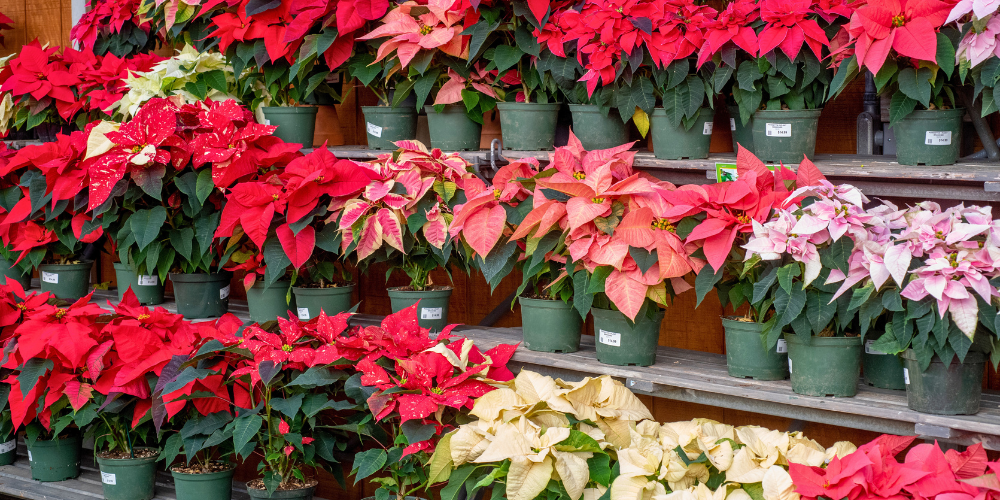
Caring for Poinsettias in Pennsylvania
Poinsettias are the classic symbol of the holiday season. They are native to southern Mexico, where you’ll find them growing up to six feet tall in the wild! They were brought to America by botanist Joel Poinsett, and later became a popular flower of Christmas during the 20th century. To keep them looking their best, follow these care guidelines:
Light: Place your poinsettia in a bright, indirect light location. Avoid direct sunlight, as it can scorch the leaves.
Temperature: Poinsettias prefer a temperature between 65-75°F (18-24°C). Avoid exposure to drafts, which can cause leaf drop.
Watering: Allow the soil to dry slightly between waterings, but don’t let it completely dry out. Overwatering can lead to root rot. Be sure to empty the saucer under the pot to prevent waterlogged roots.
After the Holidays: If you want to keep your poinsettias after the holiday season, you’ll need to adjust your care as they go dormant from January to March. Prune them back and decrease their watering until the soil goes completely dry. They’ll start to regrow again in March, but will not bloom again until the following December.

Holiday Care for Amaryllis
Amaryllis bulbs are known for their stunning, trumpet-shaped flowers that come in various shades from red to pink to white. Here’s how to care for these elegant blooms:
Planting and Placement: Start by planting the bulb in a well-draining pot filled with potting mix, leaving the upper third of the bulb above the soil. Place the pot in a bright, indirect light location. Amaryllis thrive in temperatures between 65-75°F (18-24°C).
Watering: Water your amaryllis sparingly at first until you see signs of growth. Once the plant begins to grow, water it thoroughly, but allow the soil to dry out between waterings. Avoid overwatering, as it can lead to bulb rot.
Staking and Support: As the flowers bloom, they can become top-heavy. To prevent the stems from bending or breaking, use stakes or decorative supports to keep them upright.
Fading Blooms: Once the flowers start to fade, remove them to encourage energy to go back into the bulb. Continue to water and care for the plant, as amaryllis can rebloom in the following year.
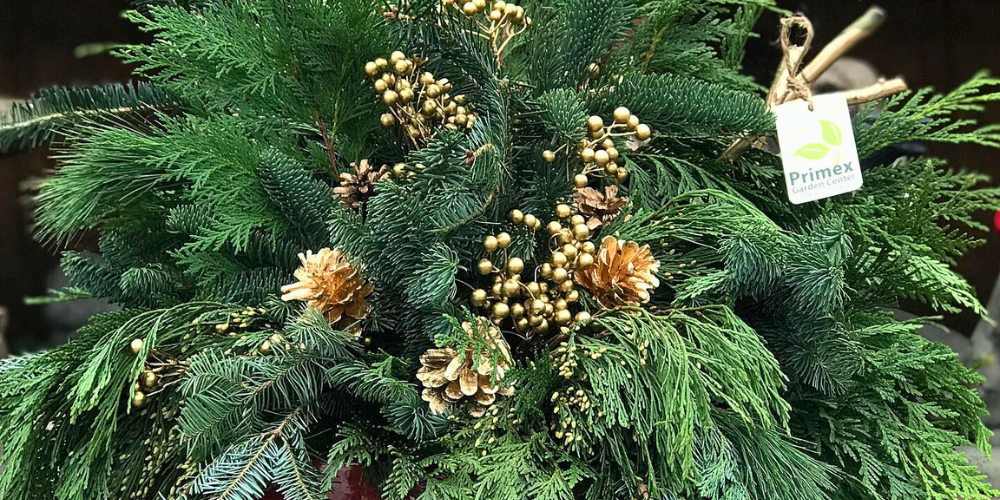
How to Keep Your Evergreen Boughs Fresh
Evergreen boughs are a versatile and beautiful part of holiday decor. From garlands to wreaths, centerpieces, door swags, and more—they can bring the emerald color of winter throughout your home. Keeping them fresh is an important skill to master. Here’s a quick guide:
- Rehydrate Boughs: After you purchase your evergreen boughs, the simple step of rehydrating them boosts their moisture levels before you use them. To do so, cut a half-inch off the bottom of their stems at a 45 degree angle, and soak them in water for ~24 hours.
- Apply Anti-Desiccant: Spraying them with an anti-desiccant helps them retain moisture for longer throughout the holidays. It essentially acts as a sealant to lock moisture inside the needles. Follow the steps on the anti-dessicant label for proper application.
- Keep Them Away from Sun and Heat: Be mindful to place them out of direct sunlight and away from heat sources such as a fireplace or furnace vent.
- Mist Daily: Misting your cuttings with a spray of water each day helps them stay fresh and brings the beautiful evergreen scent into the air.

With a little care and attention, these plants can thrive and bring joy to your space well beyond the holidays. Whether you’re nurturing amaryllis, tending to a Christmas cactus, or maintaining the classic poinsettia, your holiday plant care efforts will be rewarded with a flourishing and beautiful display!