Care Instructions for Trees
April 24, 2025
Proper Tree Care: A Complete Guide for Healthy Trees at Home
Let’s Talk Trees
Tree care isn’t just about chores and yard work—it’s about creating a backyard you’ll want to sip coffee in every morning. Picture this: you’re strolling across your lawn, a breeze nudging through the branches of a stately oak, and you think, “Yep, this is the life.” That shady canopy? It didn’t happen by accident. It took love, patience, and yes—some good ol’ fashioned tree care.
Back when I planted my first maple, I was so eager to give it a good start that I may have drowned it in enthusiasm (and water). It practically thought it had relocated to a rainforest. Lesson learned: trees thrive when you give them exactly what they need—and not a drop more.
Let’s dig in.
Plant It Like You Mean It
When it comes to planting trees, location is everything. Roots are like adventurous travelers—they want to spread out, explore, and breathe. That means they need space, sunshine, and soil that doesn’t hold a grudge (i.e., too much water).
Sun vs. Shade
Start by reading the tag or doing a quick search. Some trees love basking in full sun, while others enjoy lounging in the shade. Don’t force a sun-worshipper into a shadowy corner. It’ll sulk.
Soil Drainage
Drainage is the difference between root rot and root rockstars. Test your soil by digging a hole, filling it with water, and seeing how quickly it drains. If it’s still full after a few hours, you’ve got drainage issues.
Space to Grow
Avoid planting too close to sidewalks, foundations, or other trees. You’re not just planting for now—you’re planting for 10, 20, or even 100 years down the line. Give those roots room to make leafy dreams come true.

Water Me, Maybe?
Watering trees is a bit of an art form. Young trees? Think of them like teenagers after gym class—they need hydration, and lots of it. Mature trees? A little more low-key, but still appreciative of a deep drink now and then.
Deep Watering > Surface Sprinkling
Sprinklers can be deceiving. They wet the surface, but don’t do much for deep roots. Use a slow, deep watering method—like a soaker hose or five-gallon bucket with holes—to reach down into the root zone.
Seasonal Watering Tips
- Spring/Summer: Water deeply once or twice a week, depending on rainfall.
- Fall: Taper off as temperatures cool.
- Winter (before freeze): Give a deep drink before the ground freezes to help trees stay hydrated during dormancy.
How to Know You’re Overdoing It
Leaves yellowing or dropping? Soil constantly soggy? Your tree’s not on vacation—it’s drowning. Let the top 2–3 inches of soil dry before watering again.
Dry spells are like spa days for trees. After the heat, give them that luxurious, long soak—they’ll thank you with lush foliage.
Mulch Ado About Something
Mulch is more than just a decorative touch. It’s like tucking your tree in with a warm blanket that retains moisture, fends off weeds, and regulates soil temperature.
Best Mulch Types
Organic mulch is the way to go. Wood chips, shredded bark, or leaf mold—these break down slowly and improve soil structure over time.
How to Mulch Properly
- Keep it 2–4 inches deep
- Create a “donut,” not a “volcano” around the trunk—keep mulch a few inches away from bark to prevent rot
- Refresh annually as mulch breaks down
Picture your tree nestled in a snug burrito of bark. Comfy, protected, and ready to grow strong.
Feed Me, Seymour (Fertilization)
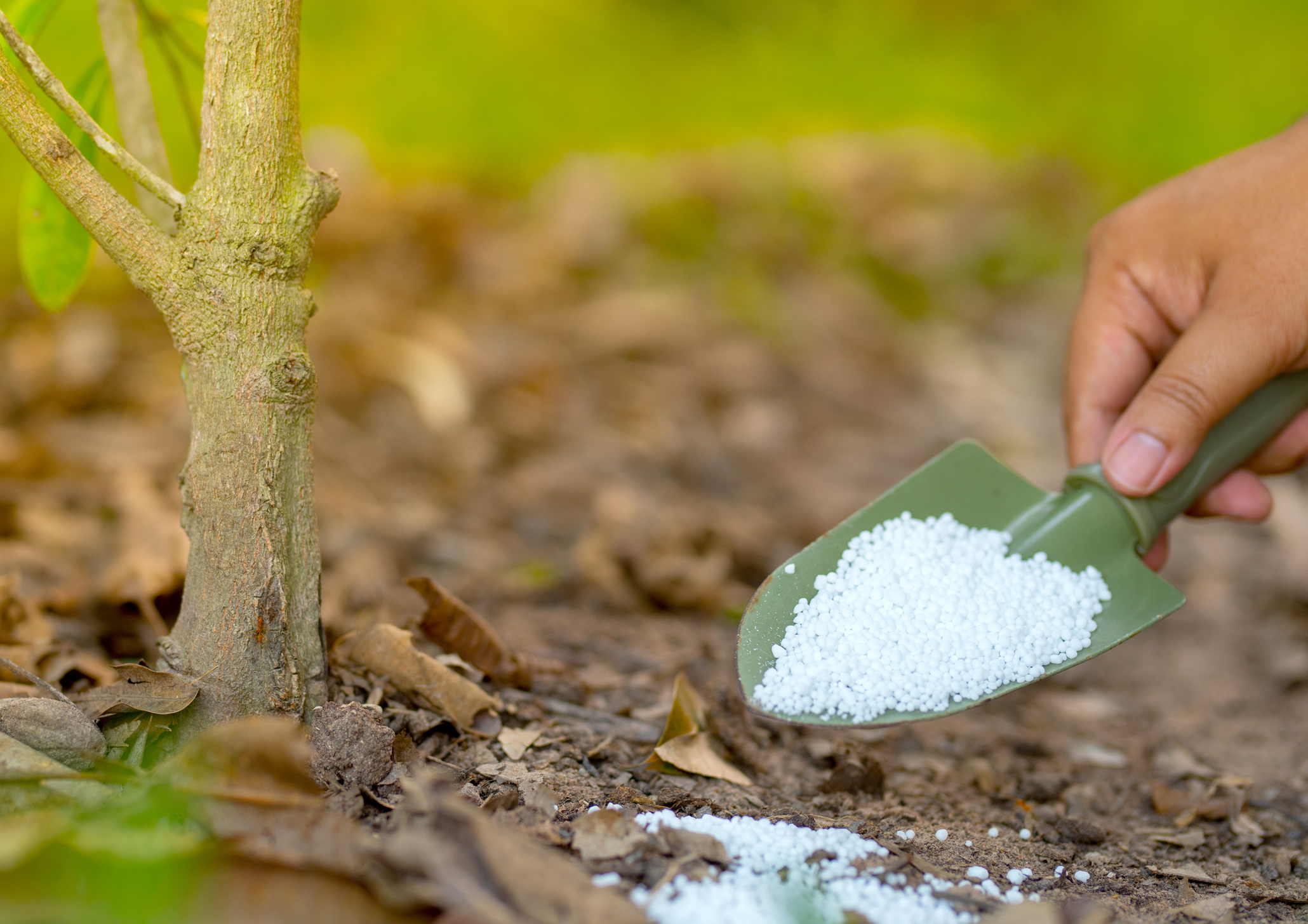
Trees need nutrients, just like us. Fertilizer isn’t junk food—it’s brunch for your backyard buddies.
When and How to Fertilize
- Best Time: Late fall or early spring
- Use a slow-release, balanced fertilizer designed for trees
- Apply around the root zone (not at the base) and water it in well
Signs Your Tree’s Feeling Meh
- Yellow leaves
- Stunted growth
- Sparse canopy
That’s your cue—it may be time for a nutrient boost.
Organic vs. Synthetic
- Organic (compost, fish emulsion): Slow, sustainable, and soil-building
- Synthetic: Fast-acting, but riskier if overused
If you’re in Pennsylvania, tree fertilization in Pennsylvania is especially helpful in spring after those snowy winters have drained soil nutrients.
Snip Happens (Pruning 101)
Pruning is like a fresh haircut—it’s about shape, style, and removing what no longer serves.
Why Prune?
- Encourages healthy growth
- Removes damaged or diseased limbs
- Shapes the canopy for balance and beauty
When to Prune
- Late winter or early spring (before bud break)
- Avoid summer and fall cuts, which can stress the tree or invite disease
Tools of the Trade
- Bypass pruners for smaller branches
- Loppers for thicker limbs
- Pruning saw for big boys
Prune with Purpose
Dead branches are drama queens—they don’t contribute and they steal the spotlight. Cut them out. You’re crafting a masterpiece.
Tree Troubles: Pests, Diseases & Drama
Even the most pampered tree can have issues. The key? Catch problems early and know what to do next.
Common Pests
- Aphids: Tiny sap-suckers, often controlled with neem oil
- Borers: Look for exit holes and sawdust at the base
- Scale insects: Sticky leaves and stunted growth are giveaways
Diseases to Watch
- Leaf spot, powdery mildew, cankers—watch for discoloration, leaf drop, or bark splits
- Fungal issues often start in wet weather; proper airflow helps prevent them
Prevention is Protection
Regular checks are like wellness visits. Walk your yard weekly and look for changes—wilting, spotting, holes, weird bark. Catch it early, treat it fast.
Need help? Your local garden center or arborist can ID the issue and guide treatment.
From Sapling to Showstopper
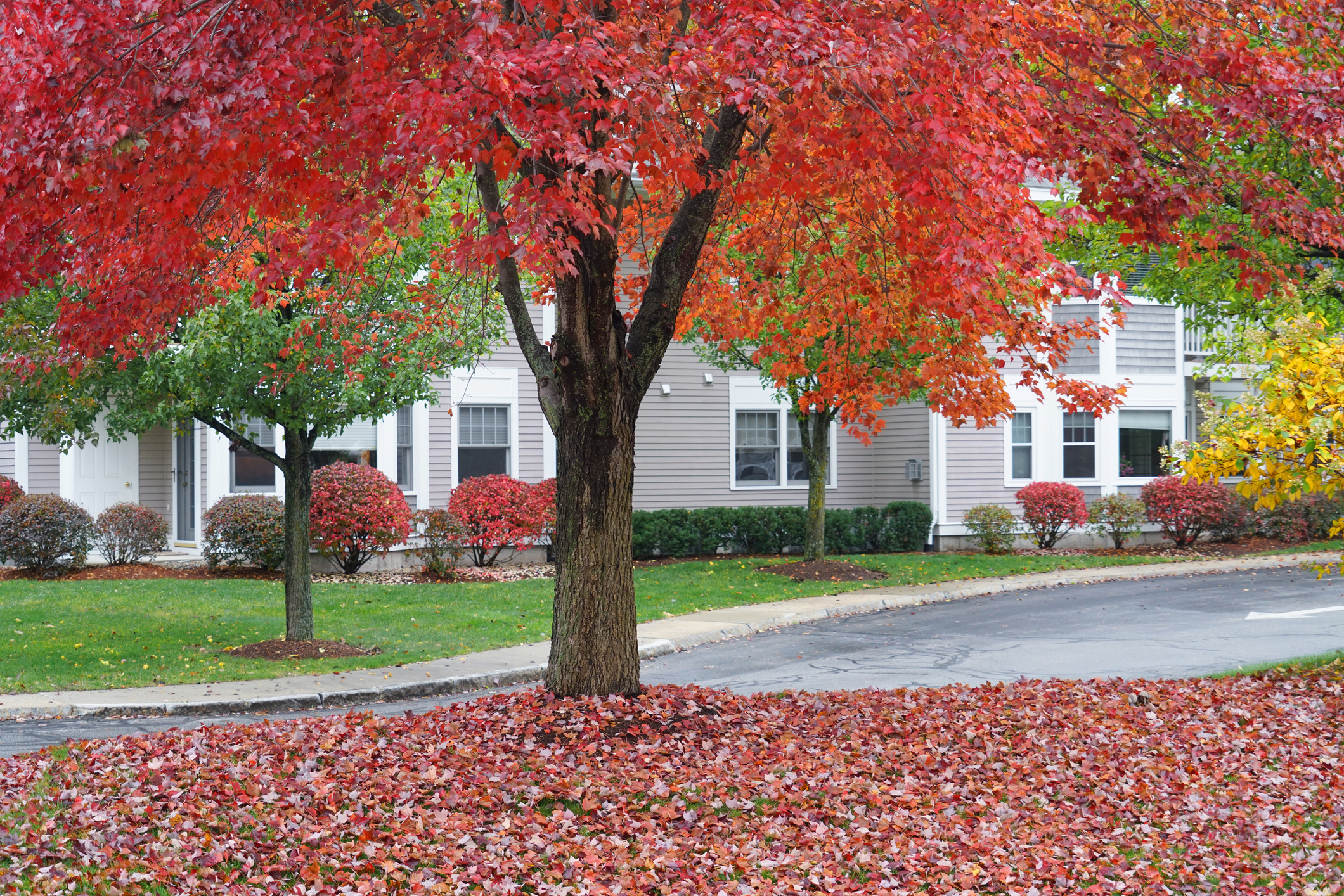
With a little care and consistency, your trees can become the pride of the block—and the shady spot your future self will thank you for. Tree care is about building something that lasts longer than a season. It’s about legacy, beauty, and the joy of watching nature grow stronger year after year.
Take a photo this season, then one in five years. You’ll be amazed at the transformation—and proud you played a part.
Snap a before-and-after pic, and show your tree some love!