Growing Within: A Gardener’s Guide to a Cozy November
October 27, 2025
Between houseplants, journals, and cups of tea, there’s beauty in the pause—in the quiet hum of life, even while the earth sleeps.
For those who love indoor gardening in the winter, November is a time of gentle transition. The garden outside slows down under the weight of fallen leaves, while inside, the hum of life continues in smaller, quieter ways. It’s the season when gardeners trade their trowels for teacups and find comfort in the rhythm of tending green things indoors. As the gardening season winds down outside, the growth can continue in your home, heart, and mind.
Caring for Houseplants
There’s something deeply comforting about keeping houseplants when the world outside has gone still. They bring the vitality of the growing season indoors—each leaf a reminder that life continues even when the garden beds are bare. The simple act of misting leaves or turning a pot toward the light can feel like a small ceremony of care. It’s a quiet joy that fills the darker months with color, texture, and the hum of living energy.
During Pennsylvania’s colder months, indoor gardening in the winter gives houseplant lovers a rewarding way to stay connected to nature while adjusting care routines for light, water, and humidity.
For gardeners, the pleasure of houseplants isn’t only in their beauty, but in their presence. The air feels fresher, the home feels more alive, and the connection to nature remains unbroken. Whether you’re nurturing a sprawling monstera, a humble fern, or a cluster of tiny succulents, these plants provide a sense of companionship. Indoor gardening in Glenside, PA, can keep the growth alive inside during the winter, each houseplant a promise of spring to come.
Planning Spring Bulbs
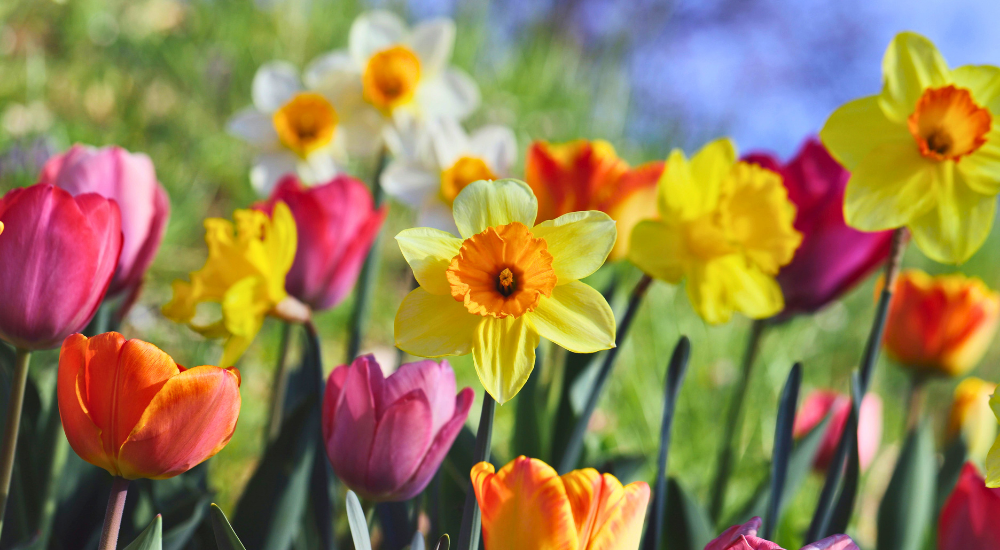
November may seem like a quiet time, but it’s the perfect moment to dream ahead to spring. Bulbs, after all, are the embodiment of patience—tiny packages of potential waiting beneath the soil for the right moment to bloom. Now is when you plan next year’s display: where to plant the tulips, how to layer daffodils and crocuses for early color, and which new varieties might surprise you next year.
Make notes of where your current bulbs thrive and where they might need more light or better drainage. Jot your observations down in one of our beautiful DesignWorks Ink notebooks—a stylish way to keep track of your garden plans through the seasons. Consider experimenting with new colors or shapes—perhaps the elegance of alliums, the charm of grape hyacinths, or the cheerful brightness of early snowdrops. Planning your spring bulb garden in November brings a comforting sense of purpose. It’s proof that even when the soil sleeps, your imagination still grows wild.
Garden Journaling & Reviewing the Growing Season
The end of the outdoor season is a perfect time to reflect and record. Garden journaling transforms memories into something lasting—a personal archive of your growth as a gardener. As you flip through old notes or add new reflections, you begin to see patterns: which plants flourished, what lessons each harvest offered, and where you’d like to make changes next year.
These pages aren’t just practical; they’re intimate. They hold moments of joy and frustration, like the first ripe tomato, the battle against slugs, the satisfaction of seeing a once-struggling rose finally bloom. Reviewing your season reminds you that gardening is a journey, not a checklist. Writing about it helps you hold on to the scent of soil and the warmth of sunshine, even when winter presses close against the windows.

Garden Crafts in November
Just because the outdoor garden rests doesn’t mean your creativity has to. November offers endless opportunities for crafting with natural materials. Dried flowers, seed heads, and fallen leaves become beautiful tools for self-expression. You might make a simple wreath from herbs and twigs, craft bookmarks from pressed leaves, or fill a clear vase with pinecones and berries.
These projects connect you back to the land, even when you’re indoors. The scent of dried lavender, the crunch of a leaf, or the softness of moss under your fingers all evoke the memory of warmer days. Garden crafts are a form of cozy indoor gardening ideas—creative, tactile ways to celebrate your love for nature when the soil is too cold to dig.
Herbal Teas & Aromatic Comforts
Few rituals feel more restorative than brewing a cup of herbal tea on a gray November day. If you’ve dried your own herbs from summer—mint, lemon balm, or chamomile—now’s the time to use them. The aroma alone can transport you back to sunlit afternoons and buzzing bees.

Even if you buy your herbs, the process of mixing, steeping, and sipping remains a soothing act of connection. Explore our selection of loose leaf teas, matcha powder, and golden milk latte blends from Gnat & Bee, paired perfectly with locally sourced wildflower honey from A Frame Apiary. Add a touch of comfort with one of our charming mugs and drink accessories, and let every cup bring the garden’s warmth indoors. The comfort of nature doesn’t vanish in winter; it simply changes form.
Indoor Light & Warmth
November’s light is softer, gentler, and shorter. This makes it all the more precious for those who garden indoors. Finding the right window for your plants becomes a kind of daily meditation—watching how the light shifts, how it glows differently through the bare branches outside. A sunny windowsill can feel like a living altar to green life.
When the days grow dim, you might add a small lamp or grow light to brighten the space. Not out of necessity, but for mood. The glow of warm light reflecting off glossy leaves creates an atmosphere of calm. If you’re searching for indoor plant tips for cold weather, start here: cultivate comfort as much as you cultivate greenery. Warmth, softness, and care matter as much as water and sunlight.
Mindful Gardening Moments
In the quiet months, gardening takes on a different rhythm. It becomes less about tending soil and more about tending spirit. Watching a new leaf unfurl or tracing the texture of a fern frond can bring a sense of peace that rivals any summer bloom. Gardening slowly and intentionally, as with a bonsai tree, turns ordinary moments into mindful ones.
Even the simplest acts, like dusting a leaf or rearranging pots, can feel grounding. These gestures reconnect you with nature’s steady patience. They remind you that growth never disappears; it just hides beneath the surface for a while. That understanding brings balance, the gentle knowing that your garden, like yourself, is resting, not gone.
Grow Your Mind: Winter Learning for Gardeners
When the soil rests under frost and your trowel takes a well-earned break, it’s the perfect time to turn your attention to learning. Many gardeners find deep satisfaction in studying the plants they grow—discovering their histories, habitats, and the science behind what makes them thrive. This quiet season is ideal for curling up with gardening books, exploring seed catalogs, or enrolling in an online horticulture course that sparks curiosity.
You might create a winter reading list of classics like The Botany of Desire or Braiding Sweetgrass, or dive into more technical guides on soil health and native plants. If you’re part of a gardening club, suggest a winter study theme or discussion circle. Expanding your botanical knowledge not only enriches your future growing seasons but also keeps the gardening spirit alive while the world outside sleeps.
Finding Warmth in the Stillness
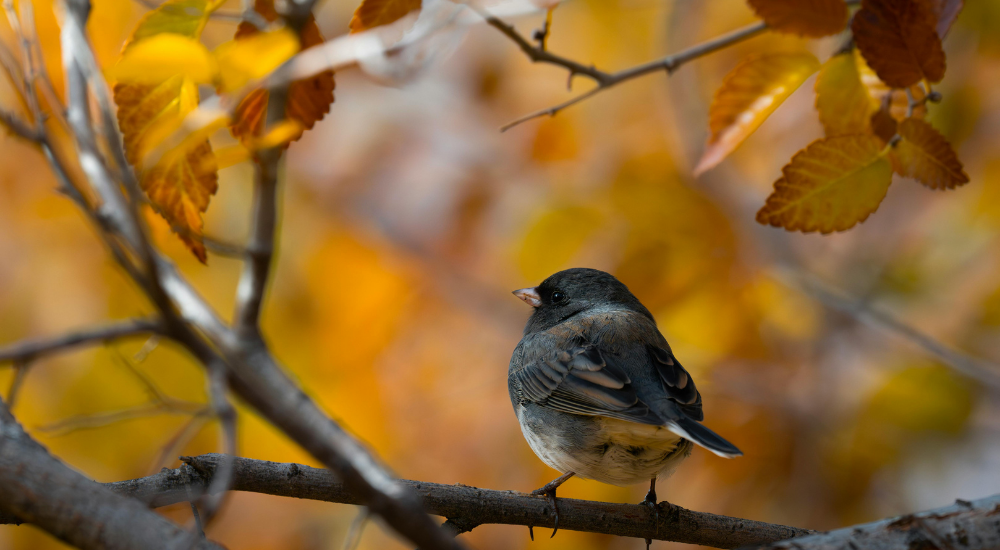
As November deepens, the garden outside grows still, but the gardener within stays quietly alive. The season invites you to slow down, tend to your home’s living greens, and plan what comes next. Between houseplants, journals, and cups of tea, there’s beauty in the pause—in the quiet hum of life even while the earth sleeps.
As the temperatures drop and the outdoor beds go quiet, indoor gardening in the winter becomes a comforting way to stay connected to nature and keep your green thumb active until spring returns.
So, linger by your window, breathe in the scent of soil and leaves, and know that your connection to nature endures. Whether through reflection, craft, care—or visiting us at Primex Garden Center—indoor gardening in the winter is a reminder that every gardener carries a piece of spring in their heart, no matter how cold it gets outside!