Bulbs to Plant in Fall: Easy Picks for a Brilliant Spring
October 6, 2025
Fall may feel like a winding down of the gardening season, but it’s actually the perfect time to set the stage for spring.
Bulbs to plant in fall may not look like much now, but come spring, they transform your yard with the first blossoms of the year. Imagine stepping out after a long winter and spotting tulips, daffodils, or crocuses peeking through the soil. The secret is simple: planting fall bulbs lets your garden burst with life next April. In this blog, we’ll explore easy bulbs to plant, designing with bulbs, and the best tips for success.
What is a Bulb?
A bulb is a unique type of flower that grows from a ball-like root. They bloom for a window of time each year, build some energy to store, and then die back again to the root. Spring bulbs, like tulips and daffodils, require fall planting because they need a cold period to trigger growth. Summer bulbs, like dahlias or gladiolus, thrive in warmth and are planted in spring after the last frost.
Fun Fact: An onion is one type of bulb that has made its way into the kitchen. Bred as a vegetable, their growth mostly focuses on the root. Its relatives in the allium family can serve as beautiful and uniquely-shaped garden flowers.
Why Fall is the Time to Plant Spring Bulbs
Bulbs need a long, cold rest underground to trigger their bloom cycle, so autumn is their ideal time for bed. Think of bulbs as a gardening investment you tuck into the earth. Just when you’ve had enough of winter, they’ll renew your garden with fresh flowers. Some of the easiest bulbs to plant in fall include tulips, daffodils, and crocuses, all of which reward you with cheerful blooms just as the winter season fades.

Classic Spring Bulbs That Never Disappoint
Here are a few favorites that can be enjoyed by any level of gardener:
- Tulips – Known for their bold and elegant colors, tulips bring drama and sophistication to the spring garden. They come in a dazzling variety, from soft pastels to striking bicolors.
- Daffodils – These cheerful yellow or white blooms are among the first to announce spring. They’re hardy, low-maintenance, and a true symbol of seasonal renewal.
- Crocuses – These tiny powerhouses sneak up early, often blooming through the snow like little fireworks of purples, yellow, or white. They add a joyful surprise at the very start of spring!
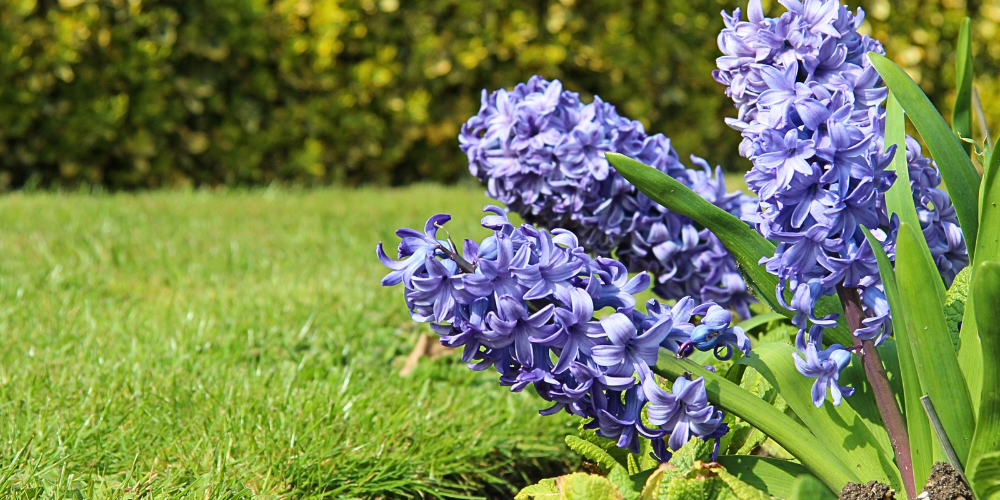
- Hyacinths – Famous for their sweet, head-turning fragrance, hyacinths bloom in clusters of pink, purple, white, or blue. They’re ideal for front steps or walkways where their perfume can be enjoyed up close.
- Alliums – Boasting tall stems and globe-shaped blooms, alliums add structure and charm to a garden bed. Their late-spring blooms also attract bees and pollinators.
Tips for Planting Success in Pennsylvania’s Climate
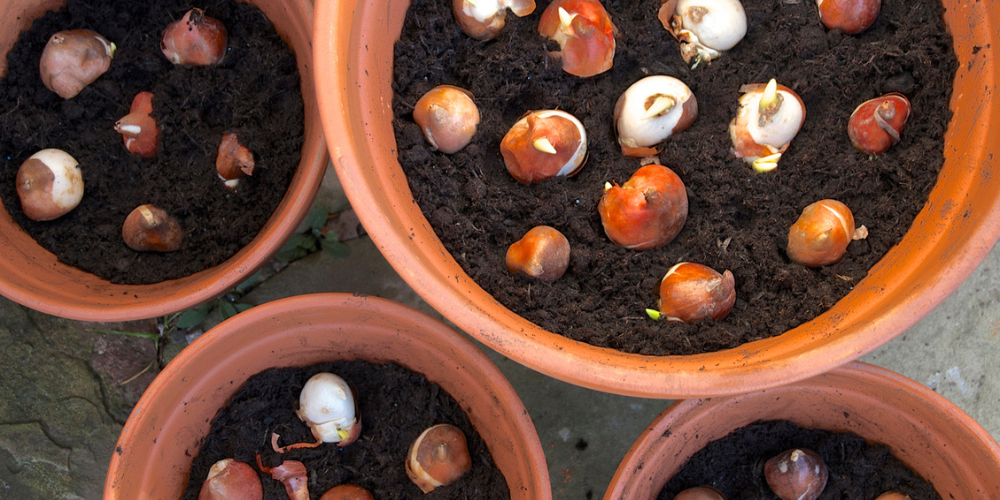
Timing is everything when it comes to bulbs. The sweet spot for planting in Glenside is mid to late fall, after the soil cools but before it freezes. Plant bulbs about two to three times as deep as their height, in well-drained soil with plenty of sun exposure. Plant them with the pointy side up, as this is part that will reach towards the light come spring. Give them an initial watering after planting, but after that, let the rains sustain them.
Designing Your Spring Bulb Display
Designing with bulbs is all about playing with layers, colors, and placement:
- Groupings: Plant bulbs in groups of odd numbers – 3’s, 5’s, or 7’s—rather than single rows, for a design that looks both natural and effortless.
- Color Echo: Pay attention to color and use the trick of a “color echo,” which is placing the same colored flowers in different spots in your garden. The flowers will “echo” each other, creating a sense of harmony.
- Mixing with Perennials: Keep in mind that bulbs are the first flowers to emerge in the spring. This means that they can fill in empty spaces in your garden before perennials start to fill out. Time them so when the bulbs are finishing, the perennials are taking their place.
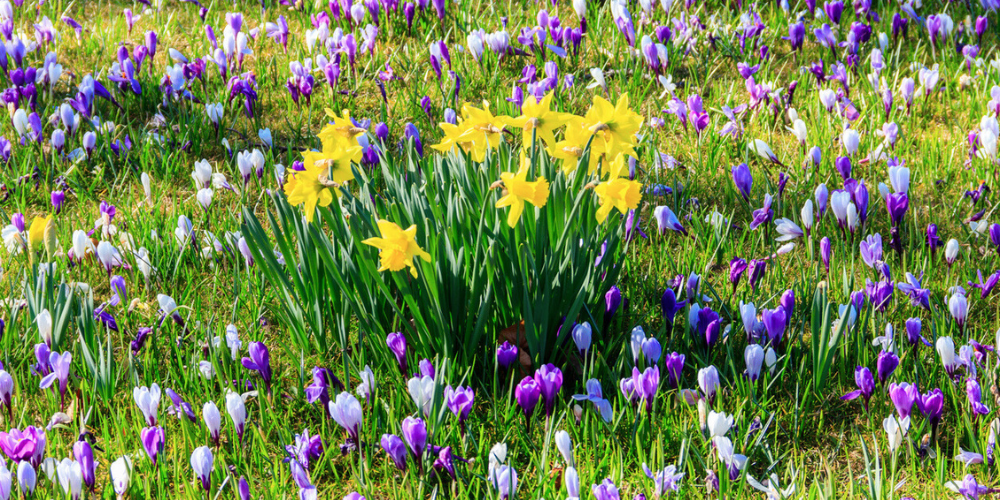
- Mix Bulbs into Your Yard: Imagine if your yard could have blossoming flowers amidst the grass. This design gives food for wild insects and more visual interest to our lawns. “Are you saying I can plant bulbs right in the lawn?” You bet. Just dig out a small circle of sod, place a bulb below at the appropriate depth, and return the sod on top. The bulbs should be strong enough to find their way through the grass in the spring. Just remember not to mow as they are starting to grow!
Advanced Bulb Design: The Lasagna Layering Method
One of the best ways to design your spring display is by planting bulbs in layers, a technique often called the “lasagna method.” Early bloomers like crocuses go on top, mid-season bloomers like hyacinths or daffodils in the middle, and late bloomers like tulips or alliums at the bottom. Each layer emerges in sequence, giving you waves of color from early to late spring—all in the same spot! It’s an efficient use of space and ensures your garden never has a dull moment.
Can You Plant Bulbs in Small Gardens?
Even a modest yard can burst with life if you choose bulbs wisely. Containers, window boxes, and narrow flower beds are perfect spots to experiment with fall-planted bulbs. With the right planning, small gardens can feel every bit as abundant as larger ones.
What are Easy Bulbs for Beginners?
If you’re new to gardening or simply want a guaranteed success story, start with bulbs that practically plant themselves. Daffodils, crocuses, and grape hyacinths are forgiving, resilient, and reliable in Pennsylvania’s climate. These low-maintenance options are great for families or retirees who want bright color without fuss. Once you see how easy it is, you’ll be inspired to experiment with more unusual varieties.
Adding Fragrance to Your Garden with Bulbs
Color is one thing, but fragrance can turn a spring garden into a full sensory experience. Hyacinths are the obvious choice, with blooms that perfume the air for weeks. Alliums add a subtle, oniony scent that pollinators love, while daffodils bring a light, fresh fragrance that feels like the breath of spring. Planting with fragrance in mind makes your garden not just beautiful, but unforgettable.
How to Protect Bulbs from Animals
Keeping bulbs intact over winter often comes down to proper planting depth and sometimes a little extra protection, if needed. Plant bulbs at least two to three times as deep as their height and cover the soil with a light layer of mulch to regulate temperature and moisture.
If you need to keep squirrels and mice from digging them up, place a layer of chicken wire or hardware cloth over the planting area before covering it with soil and mulch. This barrier allows flowers to grow through in spring while keeping critters out all winter.
Extra Gardening Tips for Bulbs in Glenside
Local gardeners know that Pennsylvania’s freeze-thaw cycles can be tricky, but bulbs are resilient. To protect your planting investment, add a light layer of mulch after planting to keep soil temperatures consistent. Choose planting sites with good drainage to prevent rot, especially in clay-heavy soils. With these Glenside gardening tips, your bulbs will be set up for a strong and colorful debut!
The Joy of Springtime Bulbs
The beauty of spring blooms begins months before, with bulbs to plant in fall that quietly prepare under the soil. With just a little effort now, your future garden will be rewarded with tulips, daffodils, crocuses, and more erupting in joyful color when the cold finally breaks. Stop by Primex Garden Center this season to pick up your bulbs and start planning your spring display.
Future you will thank present you when your yard becomes the envy of the block!