How to Make the Most of Your Fall Garden
September 4, 2023
Fall brings opportunities for planting spring bulbs, sowing cool-season veggies, welcoming new flowers into your garden, and dividing perennials.
Even though the summer season is bidding its farewell, the fall is still a long and important gardening season. Like a second spring, it gives you another opportunity to plant cool-season veggies, and it’s the ideal time to invest in future blooms by planting bulbs, dividing perennials, and planting new perennials. In this guide, we’ll show you how to make the most of your fall garden and give you the know-how to plant it with confidence.

Spring-Flowering Bulbs: Planting Next Year’s Blooms
As the flowers of summer fade, don’t despair; next spring’s flowers are already in the making! Picture vibrant tulips, daffodils, and crocuses emerging from the thawing soil; these beauties are among the first to flower in the spring, and if you want to enjoy them in the garden, fall is the time to plant them.
The best time to plant these treasures in Pennsylvania is about six weeks before the first frost, usually around late September to October. The goal is to allow your bulbs enough time to settle in before the ground freezes solid. Here’s a quick guide on how to plant them for the best results:
- Begin by choosing a sunny spot in your garden with well-draining soil.
- Dig a hole that’s about three times the height of the bulb, placing it pointy side up.
- Cover it with soil, pat gently, and water thoroughly. Then, sit back and let nature work its magic. The roots will begin to develop in the fall, followed by winter’s necessary dormancy, until life awakens again in April and May.

Cool Season Veggies: Savor the Flavors of Autumn Bounty
The fall season isn’t just about floral splendor; it’s also a time for a bountiful harvest of fresh veggies. Fall weather is ideal for a second (or third or fourth) planting of cool-season crops. Think leafy greens like spinach, kale, arugula, and lettuce. These hardy veggies revel in cool temperatures and will continue to thrive even as Jack Frost starts nipping at your nose. Carrots, radishes, turnips, peas, and beets are also ready for a second act, while the fall season is also a great time to plant your shallots and garlic for next year!
Plant your veggies in late summer or early fall, and you’ll soon be harvesting crunchy delights for your fall salads. If you’re not sure whether you’ve got enough time to make your harvest work, count backwards from our last frost date of November 12 to see if you have enough growing days. To extend your growing season even further, cover your plants with a cold frame, fabric, or plastic to protect them from overnight frost.
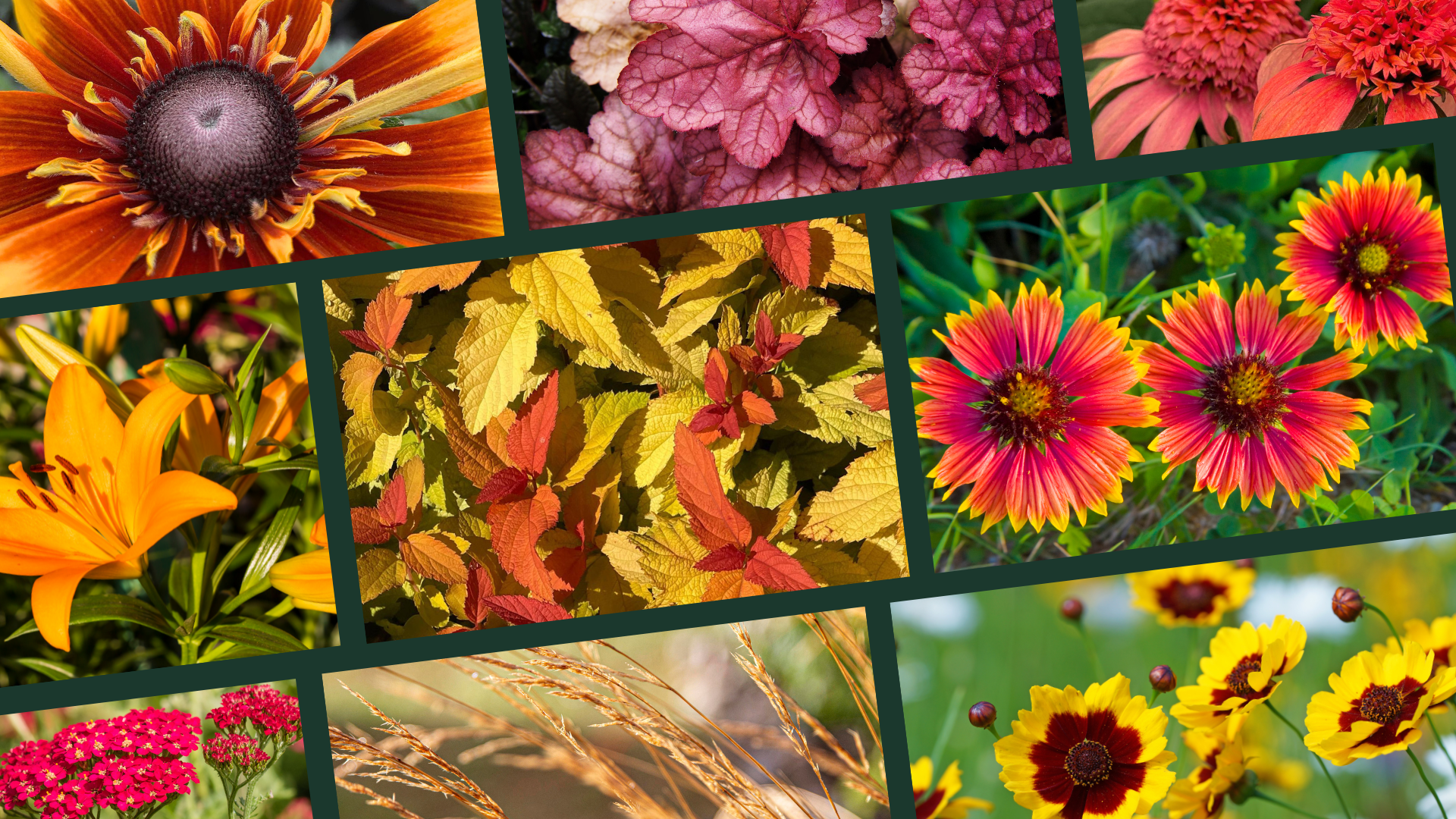
New Perennials: Fall’s Gift to Your Future Garden
The fall is about more than just bulbs and veggies; it’s also an ideal time to invest in future blooms! Your garden’s soil is still warm from summer’s embrace, creating an optimal environment for establishing new perennials in your flower beds.
Here’s how you can best take advantage of fall’s conditions as you plant your new perennials:
- Choose the right spot. Think about your garden’s sun and shade patterns, ensuring each perennial gets the optimal amount of light.
- Dig a hole slightly larger than the plant’s root ball, place it in the hole, and “mud it in” by watering the open hole.
- Finally, gently backfill and pat the soil around it. Then, water well again to help the roots settle in.
If you’re looking for the best perennials to bring into your fall garden, look no further than sedums, asters, and chrysanthemums. These stunners will grace your garden with late-season blooms year after year, rounding out the growing season and feeding fall pollinators right until the first frost.

Dividing Perennials: Refresh and Renew for Years to Come
With its warm soil and cool conditions, the fall is also an ideal time to renew and propagate your existing perennials through division.
Some perennials show signs that they need to be divided, like a “bald spot” in the center or noticeably smaller blooms. However, those aren’t the only times you may need to divide your plants. Certain perennials may be encroaching on their neighbors, or you may want to multiply and spread them to other parts of your garden. Whatever your reasons, here’s a guide for their successful division:
- Choose the right time. The “sweet spot” for perennial division is just after they’ve finished blooming but before the ground hardens.
- Carefully dig up the clump of perennials you want to divide and gently separate the root ball into smaller sections. Each division should have a healthy set of roots and foliage.
- Choose a spot with optimum sunlight, shade, and moisture for each species.
- Replant these divisions in your garden, giving them the same care and water as new plantings.

How Can I Guide My Glenside Garden Into Fall?
Just because the days are cooler doesn’t mean it’s time for a fall clean-up just yet. As we clean up the spent flowers from the summer, we can embrace the gardening opportunities of our long Pennsylvania autumn. By planting spring-flowering bulbs, cool-season veggies, and new and divided perennials, you can cultivate a garden that flourishes well beyond summer into the fall and next year’s spring.
With proper fall watering tips, your plants can better prepare for the colder months ahead! For more guidance on fall gardening, come visit us at our garden center in Glenside, PA!