It’s Garlic Harvesting Time in Pennsylvania!
August 11, 2025
Wondering when to harvest garlic so you get the biggest, most flavorful bulbs? Whether you’re growing hardneck varieties with their curly scapes or softneck types that braid beautifully, knowing exactly when and how to dig up, cure, and store your garlic is the secret to a harvest that keeps your kitchen stocked for months. This guide will take you through every step of the process, with tips to make your garlic-growing adventure easy, fun, and full of flavor.
-
The Garlic Countdown – Knowing When to Harvest
Here’s the big question: when should you harvest your garlic? The leaves hold the answer. Garlic sends you signals through its foliage. When the bottom two or three leaves have turned brown and dried while the upper leaves remain green, it’s go-time. Each green leaf left on the plant represents a protective wrapper around the bulb, so you want a few left to keep your garlic nicely covered.
For hardneck garlic—which produces those delightful curly scapes earlier in the summer—harvesting typically happens in mid to late July in Glenside, PA, and throughout Pennsylvania more broadly. Softneck garlic, on the other hand, tends to mature a little differently and may be ready slightly earlier or later, depending on your microclimate and planting time. Keep an eye out—weather patterns like heavy rain or drought can speed things up or slow things down. Paying attention to your plants is always key.
-
The Big Dig – How to Harvest Without the Drama
Now comes the exciting part: digging up your garlic without causing any damage. Garlic bulbs are delicate; tugging too hard on the stalks can break them, and nicking the bulbs can shorten their storage life. To do it right, wait for a dry day and grab your trusty garden fork. This tool loosens the soil without the risk of slicing into your garlic like a shovel might.
Start by gently inserting the fork a few inches away from the bulb, rocking it back and forth to loosen the soil. Once the earth gives way, lift the bulb out slowly, cradling it in your hands. Shake off any clumps of soil but resist the urge to wash them at this stage—water invites rot. Remember, the best time to dig up garlic bulbs is when the soil is not soggy, making the process easier and keeping your harvest in great condition.
-
Curing 101 – Drying Out Garlic for the Long Haul
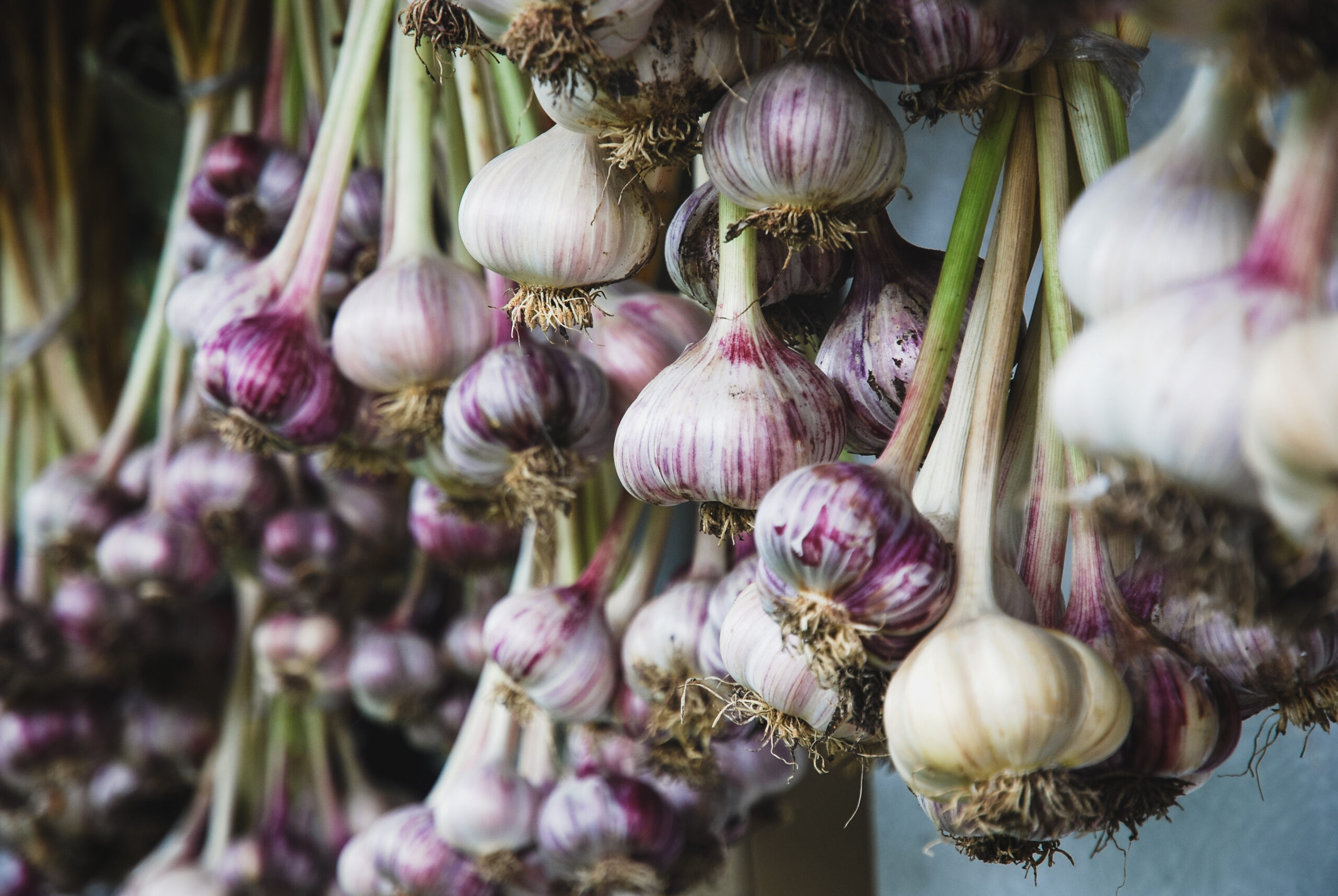
Fresh garlic is wonderful, but if you want it to last through the winter, curing is essential. Curing allows the outer skins to dry, roots to shrivel, and moisture levels to drop just enough to prevent spoilage. This process transforms fresh, tender bulbs into firm, flavorful ones with layers of protective papery skin.
Find a shady, well-ventilated spot like a garage, barn, shed, or even under a covered porch. Hang the garlic in bundles or spread it out on a rack or screen where air can circulate. Keep it out of direct sunlight, as the heat can scorch the bulbs. Over the next 2–3 weeks, you’ll notice the stalks dry completely and the wrappers tighten—this is the garlic’s way of saying it’s ready to store!
-
Snip, Clean, and Sort Like a Garlic Whisperer
Once curing is complete, it’s time to tidy up your harvest. Trim the roots close to the bulb and cut the stalks down to about an inch. Gently brush off any remaining dirt with your hands or a soft brush—no washing, as water can undo all your curing efforts and invite mold. This step reveals the smooth, papery skins you’re used to seeing at the market.
Sorting is where you get to feel like a true garlic connoisseur. Set aside the biggest, most beautiful bulbs for long-term storage or for replanting. Use up the smaller or damaged ones first in your cooking. As you admire your baskets full of clean, cured bulbs, give yourself a pat on the back—you’ve completed one of the most satisfying cycles in gardening. This is the moment when many backyard gardeners realize just how rewarding homegrown garlic can be.
-
Save the Best for Next Year’s Garden
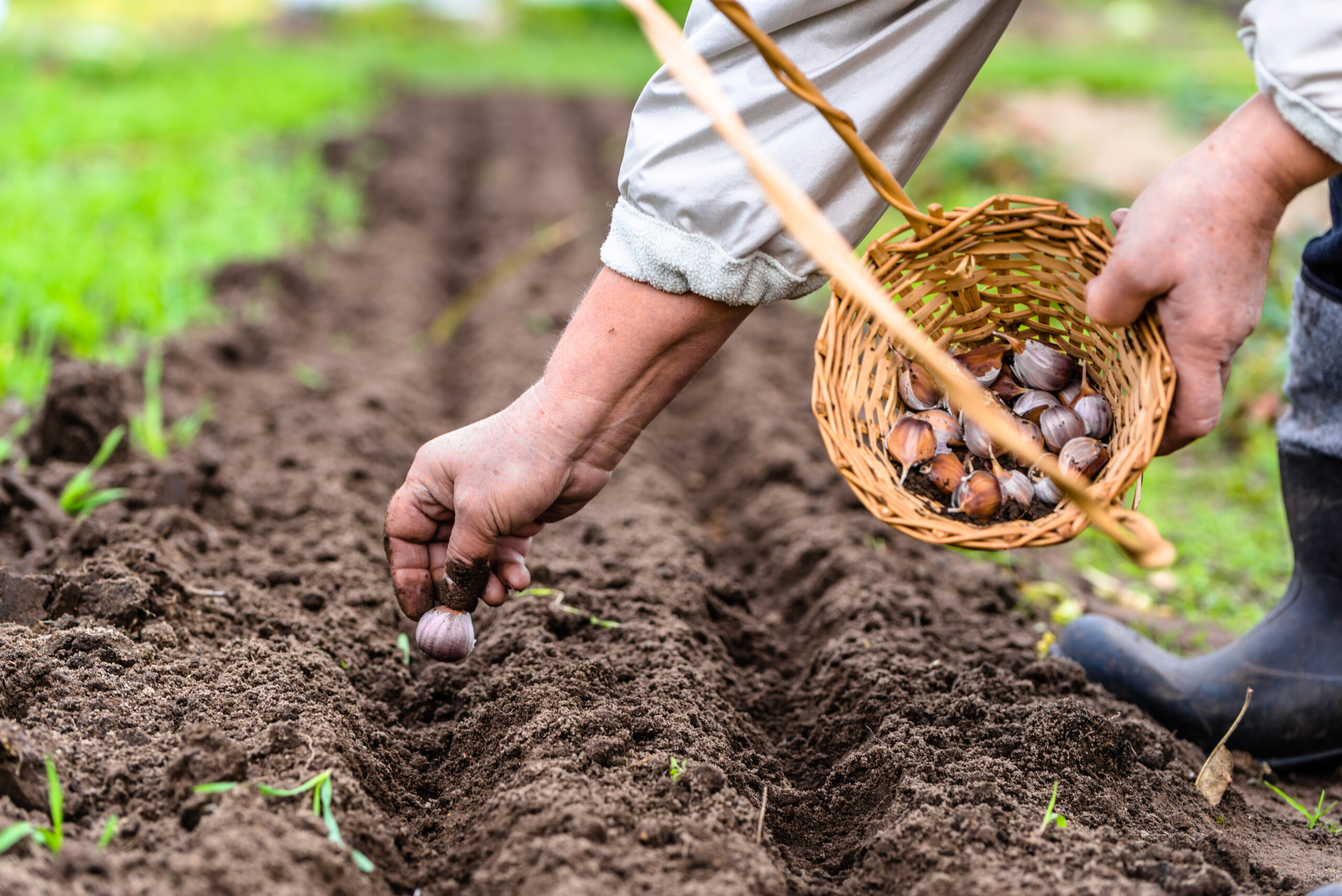
One of the best parts about garlic is that it gives back year after year—if you save some of your harvest for replanting. Select the largest, healthiest cloves from your biggest bulbs. These “seed” cloves carry all the genetics to produce even bigger and better bulbs next season. Keep them in a cool, dry spot until fall planting time arrives.
This practice is the secret to continually improving your garlic crop. Each year, your homegrown seed adapts a little more to your soil and growing conditions, resulting in a stronger harvest. Whether you’re growing in open garden rows or experimenting with growing garlic in raised beds, saving your best cloves ensures a reliable, delicious supply. There’s something deeply satisfying about closing the loop—your garden feeds you, and you return the favor by planting again.
Garlic Notes for Future Growing
One often-overlooked step in gardening success is keeping records of what worked and what didn’t. Jot down details like the variety you planted, planting and harvest dates, how the weather behaved, and how big your bulbs turned out. These notes are gold when you’re planning next year’s garlic crop because they help you fine-tune everything from timing to soil preparation. Over time, your notebook or garden journal becomes a treasure trove of wisdom, guiding you toward bigger harvests and fewer surprises. One of the most useful things to know when planning your layout is when to harvest garlic, since timing affects which plants can follow in that space during your next planting cycle.
Sharing the Garlic Love
Garlic isn’t just delicious—it’s a gift worth sharing. Once your harvest is cured and sorted, consider giving a few bulbs to friends, family, or neighbors. Homegrown garlic has a depth of flavor that store-bought bulbs can’t match, and your generosity might inspire someone else to start planting their own. Plus, sharing garlic and trading recipes can lead to new varieties and fresh ideas in the kitchen. Gardening is always better when it’s shared.
Replanting Garlic in the Fall
Fall is the perfect time to give your garden a head start on next year’s garlic crop. As the soil cools but hasn’t yet frozen, usually in October in Pennsylvania, plant the biggest, healthiest cloves you saved from your summer harvest. Space them a few inches apart and about two inches deep, with the pointed end facing up. Mulch with straw or leaves to protect them through the winter, and by spring, you’ll see strong green shoots emerging—proof that your garlic-growing cycle is off to another great beginning.
Finishing Touches: Keep the Garlic Coming!
By carefully acting on the right cues to dig, cure, clean, and store your garlic, you’ll feel like a garlic-growing pro! And now that you know when to harvest garlic, you’ll experience the joy of producing something so flavorful and essential to your cooking. Whether you’re roasting whole bulbs to spread on bread, blending them into pesto, or tossing them into a stir fry, your homegrown garlic will shine. Come visit Primex Garden Center in Glenside, PA for more gardening inspiration and supplies to keep your garlic-growing journey thriving!