Growing with Nature: How to Create a Living Fence
August 18, 2025
Living fence ideas aren’t just trendy—they’re a shift in how we think about boundaries. Forget boards of dead wood and chain link; instead, picture a living wall that sings with the breeze, blooms with the seasons, and hums with the activity of birds and pollinators. A live fence is exactly what it sounds like: a boundary made of plants, trained and woven to create a functional yet beautiful barrier.
Living Fences: What Are They?
Non-living fences are so common that we hardly think there is any alternative, yet there is!
Instead of planks of wood, vinyl, or metal—living fences are made of real, live plants, grown together to form a natural barrier. These green structures add life to your property and provide ecological benefits as they mature. Common plants used in live fences include flexible species like willow, red-twig dogwood, viburnum, elderberry, and hazelnut, all of which thrive here in Pennsylvania’s climate.
Why Choose a Living Fence?
So, why bother growing a fence when you could just install one in a weekend? A live fence offers benefits that no stack of boards or strip of wire ever could.
- Privacy with personality: This is privacy that breathes. Your fence doesn’t just sit there—it grows, adapts, and becomes a lush screen that’s full of life!
- Wildlife wonderland: Native birds perch on branches, bees buzz through blooms, and beneficial insects find shelter. Your yard becomes an ecosystem.
- Eco points: No plastic, no treated lumber, and no carbon-heavy manufacturing. Instead, you’re letting nature grow your privacy screen, while you receive the benefits.
- More Beauty: Cottage gardens, woodland borders, or even modern landscapes benefit from the organic quality of a live fence. Forget lifeless boards and planks; living fences are literally made of life-enhancing plants.
The Best Plants for Pennsylvania Living Fences
The secret to a successful living fence lies in choosing the right plants. Here are the all-stars that thrive in Pennsylvania soil and climate:
- Willow (Salix spp.)
Willow is that fast-growing friend who bends over backward to please you. Flexible and forgiving, it’s perfect for weaving into intricate shapes. Plus, it roots easily from cuttings, making it budget-friendly. - Red-twig Dogwood (Cornus sericea)
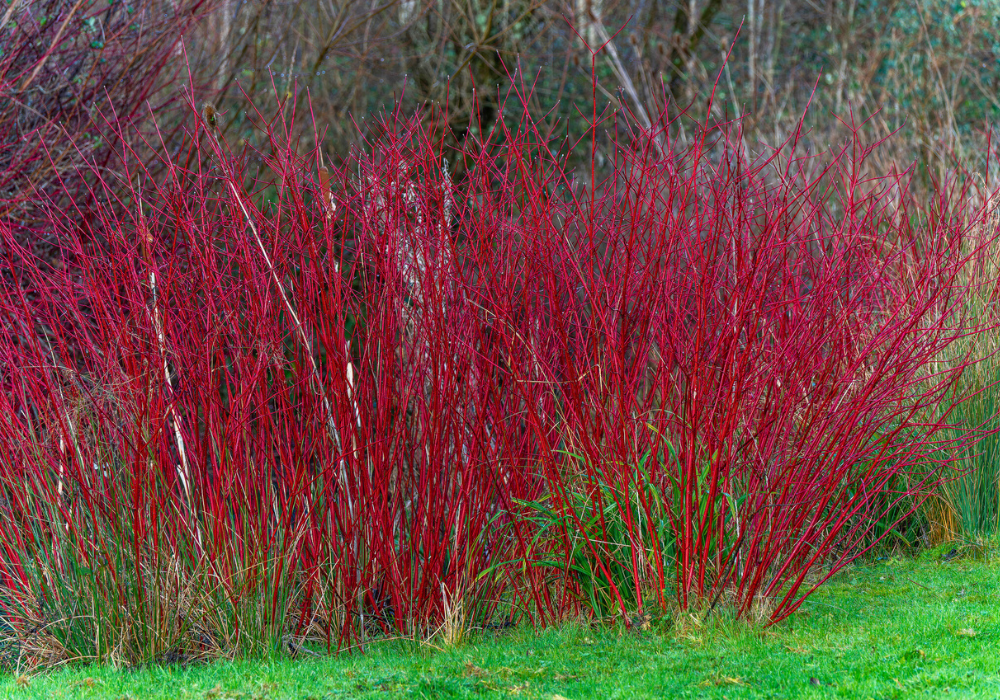
Dogwood is the winter fashionista of the plant world. Her vibrant, red stems are a showpiece when the garden is otherwise asleep, and she thrives in wetter spots where other plants pout. - Elderberry (Sambucus canadensis)
Part privacy screen, part pantry provider, elderberry offers clusters of flowers for pollinators and berries for jam-making humans. This plant gives back to both you and the wildlife. - Viburnum species
Viburnums add layers of beauty with fragrant blooms, attractive berries, and striking fall color. They’re also hardy, low-maintenance, and beloved by the birds! - Hazelnut (Corylus americana)
Want a fence that literally feeds you? Hazelnuts bring both privacy and edible nuts, plus they support our local wildlife.
When choosing your mix, consider how each plant contributes to structure, seasonal interest, and habitat value. Together, they create a fence that’s functional and beautiful.
Techniques to Shape and Weave Your Fence
Building a live fence is as much art as it is gardening. Here’s how to start:
- Weaving live stakes: Push freshly-cut willow or dogwood stakes into the soil at an angle, then weave them together to form a lattice. Over time, they root and grow into a solid structure.
- Splicing and training stems: Like braiding hair, gently bend and tie young stems where you want them to grow. Over the years, they’ll fuse together into a sturdy barrier.
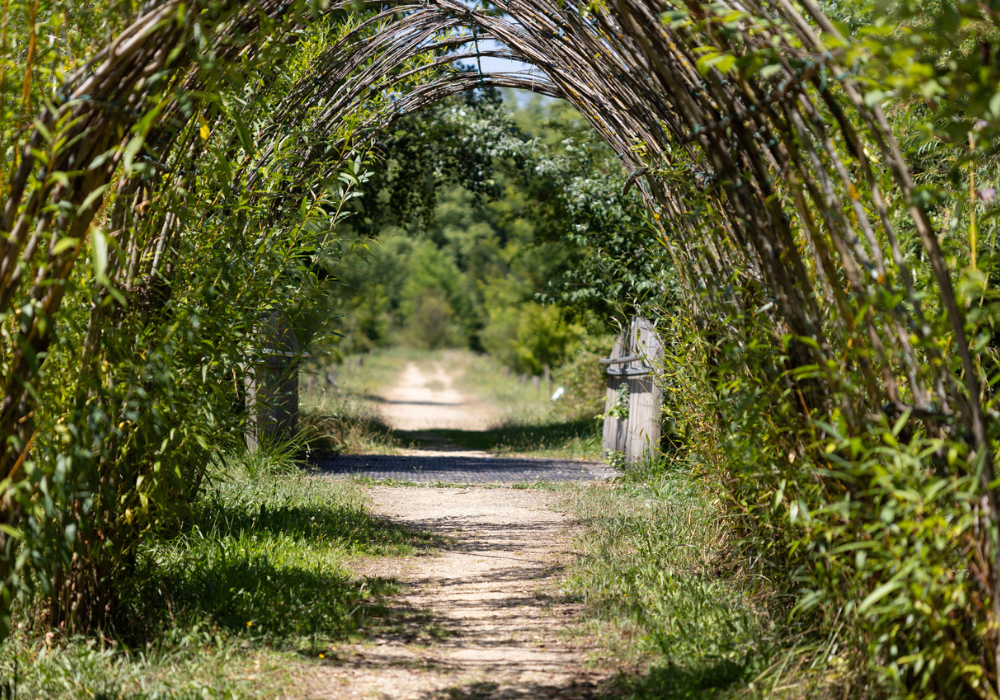
- Creating arches, tunnels, or low fences: Feeling creative? Shape your fence into arched entryways, curved screens, or other shapes. These features make a garden feel enchanted.
- Spacing tips: Plant stakes or shrubs about a foot apart for quick coverage. The tighter the spacing, the faster you’ll achieve privacy, but you also need to give your plants space to grow.
Planting and Maintenance
- Best time to plant and weave: Late winter to early spring is ideal. The plants are dormant, which reduces stress, and the soil is soft enough for easy staking. The fall is another good season for planting shrubs.
- Watering and pruning: Water young plants regularly during their first growing season. Prune in early spring to shape and encourage dense growth.
- First-year expectations: Your new fence may look like a loose framework at first—kind of like a wild hairdo. Don’t panic. It takes a few seasons to grow and train your living fence.
- Beyond year three: By the third year, your fence will have filled out beautifully, becoming a lush, sculpted boundary alive with birdsong and buzzing insects.
This is where patience pays off. The initial effort blossoms into something that only gets better with time. For gardeners looking to blend beauty with function, exploring living fence ideas is a great way to add privacy and native greenery while keeping things eco-friendly.
Common Mistakes to Avoid
Even experienced gardeners make slip-ups. Here’s what to steer clear of:
- Planting too shallow or too deep: Roots need to sit at the right depth—too shallow and they dry out; too deep and they may rot.
- Forgetting to prune or shape early: Young plants need guidance. If you neglect them, you’ll end up with a tangled mess instead of a tidy fence.
- Expecting instant privacy: Live fences are not instant solutions. They’re a slow build, but the payoff is worth it.
And remember: Don’t ghost your fence. Like any relationship, it thrives when you give it attention!
Other Types of Living Barriers: Hedges, Vining Fences, and Privacy Screens
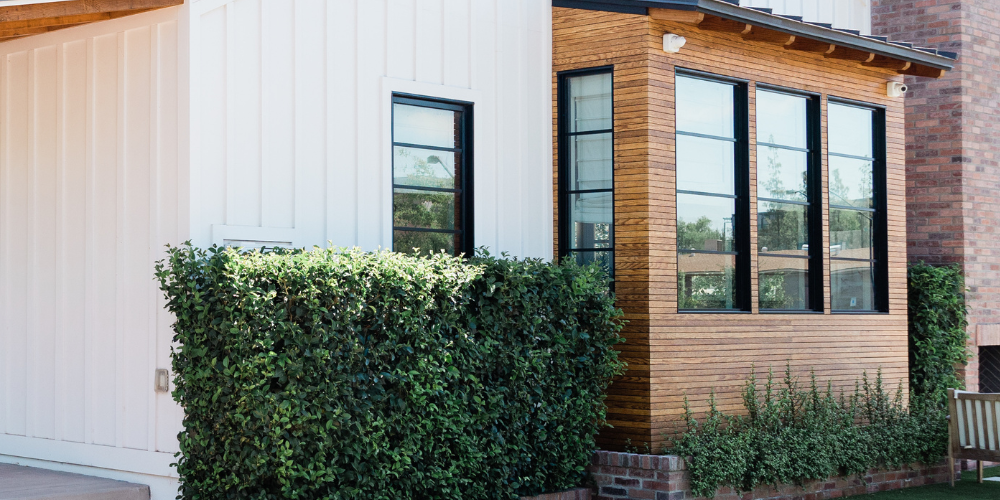
- Hedges: As you’ve been reading about living fences, you may be wondering, do hedges count as a living fence? Typically, living fences refer to more slender barriers, woven together with flexible plants such as willow or dogwood. However, you could say that a hedge is another kind of living fence. Hedges are made of several, hedge-forming shrubs planted in a row. They usually require more width than a living fence, but they too have many benefits like beauty, berries, flowers, leaves, and places for perching birds to nest and hide from predators.
- Vining Fences: Instead of creating a living fence with willow or dogwood, you can make a fence of vining plants like climbing roses, climbing hydrangeas, honeysuckle, or wisteria. These require an initial fence structure of posts and rails, but you can leave out the boards. Instead, create an open lattice structure and let your climbing plants grow through it. The result? A magically-beautiful fence that’s full of flowers.
- Privacy Screen: Privacy screens can also be grown from living plants, but it depends on the available space and location of the screen. If you have enough room, you can plant evergreen trees along the section of your property where you want privacy. Tall hedges could also work. The truth is, any growth of trees, shrubs, or vines on a lattice provide excellent privacy screens. When you use living plants instead of wood, vinyl or metal, you create a more lively, colorful screen, often with the benefit of flowers, fruit, and berries.
A living fence isn’t just a boundary—it’s a collaboration with the natural world that creates something that benefits both the Earth and you. With native plants, Glenside, Pennsylvania, gardeners can create fences that shelter wildlife, support pollinators, and add four-season interest to their yards. This is ecological gardening at its finest: a project that gives back more than it takes.
Whether you weave willow, shape dogwood, or mix a medley of shrubs, your fence will grow alongside you, evolving into a feature that’s as functional as it is magical. Visit us at Primex Garden Center for inspiration, supplies, and guidance on living fence ideas that will transform your space into a natural privacy fence buzzing with life!