Gothic Garden Design: A Guide to Mystery, Mood, and Meaning
November 24, 2025
A gothic garden design is more than black roses and brooding charm—it’s about creating a style unlike any other.
It’s a garden that whispers mystery, where every leaf and stone holds magic and romance. We’ll unearth the roots of the gothic garden, from medieval churchyards to Victorian mourning gardens, revealing how their gothic allure continues to enchant modern landscapes.
What Is a Gothic Garden?
A gothic garden is where medieval style meets Victorian blossoms. It combines the romance of old Europe with the botany of a medieval churchyard. Instead of chasing symmetry, the gothic gardener cultivates a mood that is equal parts haunting and beautiful—where nostalgia mingles with the uncanny.
This isn’t just about color. While deep purples, velvety blacks, and silvers are signatures, the true magic lies in the feeling the space creates. A gothic garden invites reflection. It’s not a display but an experience—a place to linger with a cup of tea amidst the sound of rustling leaves and a few thoughts best kept secret.
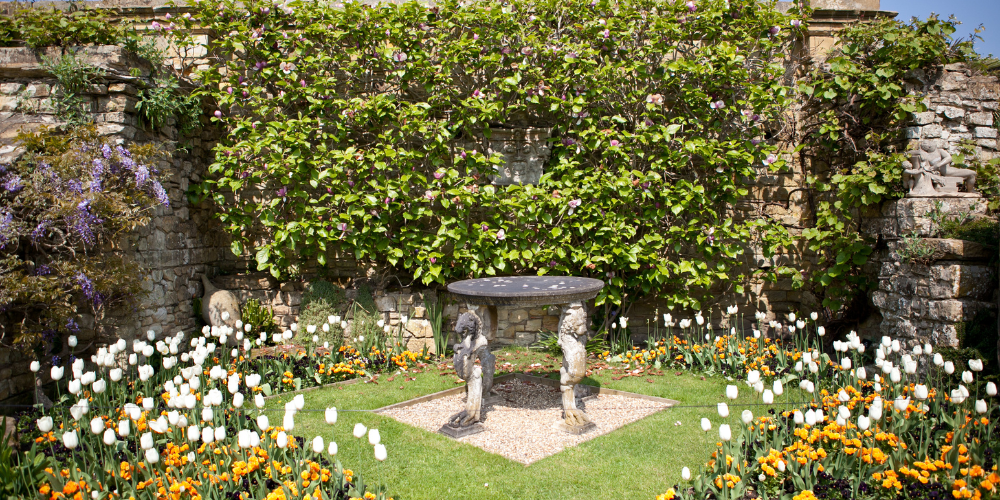
The Origins of the Gothic Garden
The roots of this style run deep into European soil. In medieval churchyards, plants carried special meaning as well as scent. Yews were symbols of immortality, rosemary stood for remembrance, and rue symbolized repentance. Gardens were quiet sanctuaries, shaped by both faith and function, where every bloom could be read like a line of poetry.
Centuries later, in the Victorian era, gardens became a language of mourning and devotion. The Victorians believed flowers could express what words could not. Mourning gardens featured shaded walks, evergreens for eternal life, and urns carved with angels or wings. It was beauty with gravitas, an outdoor reflection of the era’s fascination with love and loss.
This lineage gave rise to what we now call the gothic garden style, blending architectural ruins with wild emotion. Today, that same sensibility lives on whenever we use plants, light, and form to create a mood that is both alluring and otherworldly.
Gothic Aesthetic: Creating Mood and Mystery
The secret to a truly spellbinding gothic garden lies not in color alone, but in contrast. Think shadow and light, the shimmer of silver against a backdrop of deep green, or the soft gleam of white blooms catching moonlight like tiny lanterns. The effect should feel cinematic—a garden where you half expect a ghostly poet to appear, pen in hand.
Architectural elements add to the enchantment: Arches, trellises, and wrought iron gates lend a timeless, almost cathedral-like quality. Stone paths that curve out of sight create curiosity—what lies beyond that bend? A gothic garden should never reveal all its secrets at once.

Texture is your next layer. Moss creeping up a statue, weathered wood, rusted metal—these details give the garden the patina of age and mystery. Think of it less as decorating and more as a summoning atmosphere.
Finally, introduce an interplay of light and dark. Soft, low lighting—lanterns, solar spotlights, or candles in protective glass—transforms even a modest yard into a moonlit sanctuary. When light brushes across leaves or stone, the garden begins to breathe. Remember that a gothic garden truly comes into its own at twilight or after hours.
Spellbinding Plant Selections
A gothic garden’s character depends on the plants that inhabit it. They’re not just decorative—they’re performers, each one adding movement, scent, or shimmer to the scene. Choose varieties that thrive in your region but lean toward those with rich color, velvety texture, or reflective foliage.
Night Bloomers: These are the heart of any nocturnal garden.
- Moonflower – unfurls in twilight, fragrant and ghostly white.
- Nicotiana (flowering tobacco) – releases a soft perfume as darkness falls.
- Evening primrose – a humble flower that glows in low light.
Silvery or Reflective Foliage: These catch and scatter moonlight.
- Lamb’s ear – soft as velvet and luminous in the dark.
- Dusty miller – gives structure and brightness.
- Artemisia – with a misty, ethereal texture that ties everything together.
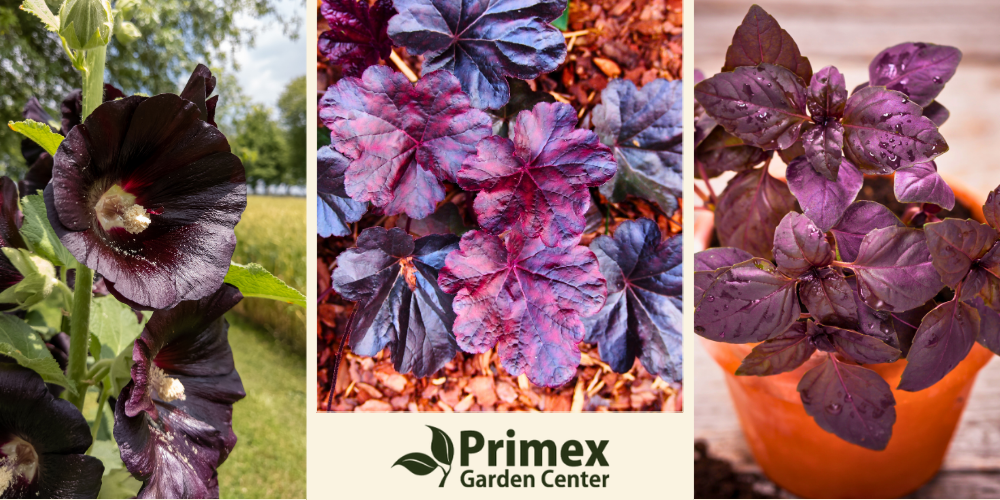
Dark and Dramatic Foliage: These add emotional depth.
- Black hollyhock – towering, moody, and undeniably romantic.
- Heuchera ‘Obsidian’ or ‘Black Pearl’ – glossy leaves that darken the palette.
- Purple basil – aromatic and bold, useful in the kitchen and the design.
How to plant for effect
- Begin with structure—place taller, architectural plants like hollyhocks or delphiniums at the back.
- Layer in silvery foliage and lighter blooms near pathways or seating areas.
- Add dark-leaved plants in pockets for depth.
- Include fragrant night bloomers close to where you’ll sit or walk after dusk.
- Leave some open space—mystery thrives in the gaps between things.
When the garden is quiet and the last light fades, these plants transform. The air cools, scents intensify, and the silvery leaves glimmer. It’s less a garden and more a living night scene—mysterious, tranquil, and slightly enchanted.
Bringing It Home: Designing for Older or Character Homes
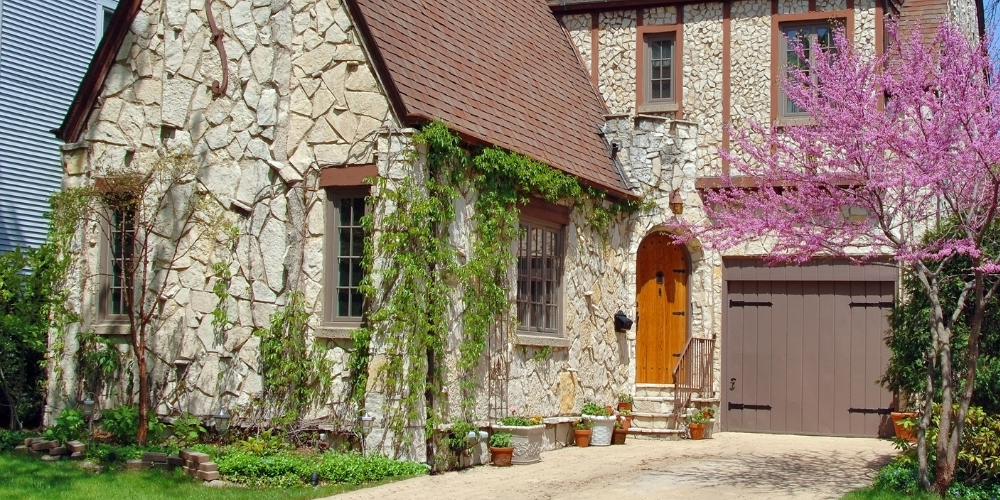
In Glenside, Chestnut Hill, Mt. Airy, and Jenkintown, many homes carry natural gothic undertones—stone walls, ivy-covered chimneys, and weathered brick. A gothic garden feels like it belongs here, merging old architecture with the lush, moody language of plants.
If your home has stone or brickwork, use it as a frame. Let climbing roses or clematis spill over walls and fences. Choose lanterns or ironwork that echo your home’s era—ornate without being overwhelming. For a smaller yard or courtyard, container gardens are your best ally. Use dark ceramic pots filled with silvery or burgundy foliage, and group them to create visual depth.
Lighting is key. Path lights or wall sconces with warm tones enhance texture and shadow. If you’re ambitious, try an uplight aimed at a tree or vine—it’s a subtle way to turn your backyard into a moonlit stage. Gothic garden designs in Glenside, PA, work best when they feel like an extension of the house—old stone, soft light, and living things woven together.
The Modern Twist: Gothic Garden for Today
You don’t need a manor house to enjoy a gothic garden in the 21st century. Modern gardeners are reinventing this look with sustainability and simplicity. Native plants can replace some of the old-world species while keeping the mood intact. Try black-eyed Susans or purple coneflowers among dark-leaved companions—they bring pollinators and vibrancy without breaking the spell.
Reclaimed materials—brick, wood, or stone—add authenticity while staying eco-conscious. Mix them with contemporary design elements: a minimalist bench, a steel planter, or a single piece of sculpture to anchor the space. The key is to create contrast between age and freshness, ornament, and restraint.
This approach allows you to blend the romantic garden ideas of the past with the values of today. A gothic garden in the modern world is both an homage and a rebellion: a reminder that even in an age of speed and screens, the slow poetry of nature still holds power.
Gothic Gardens: Bringing the Style to Life
A gothic garden is more than a design—it’s a feeling made tangible. It celebrates imperfection, memory, and time’s quiet passage. It’s where sunlight lingers longer in the evening, and shadows carry stories.
For some, this might mean dark flowers and wrought iron gates. For others, it’s simply about texture, reflection, and creating a place that feels spellbinding. Whatever your version, let your garden be a space that stirs emotion and mystery.
When you’re ready to start your own gothic garden design, visit Primex Garden Center for guidance, inspiration, and the perfect plants to match your vision. We’ll help you build a sanctuary that honors history, embraces mystery, and glows with quiet romance long after sunset.