Growing Curiosity: Teaching Kids about Plants & the Garden
April 6, 2026
One of the greatest gifts we can give kids is to introduce them to gardening early in life. Their young bodies and minds are hardwired for connecting with plants, animals, and insects. The scents and sights of the garden form lasting childhood memories, while teaching children about nature and how to grow their own food. From flowers to butterflies to fresh strawberries, gardens are the perfect place to nurture a child’s curiosity and teach important lessons.
Section I: Why Gardens are a Place of Curiosity
Do you remember the first time you planted a seed and watched it grow? How about the first butterfly you saw? Or your first taste of a homegrown apple? These are magical moments of discovery that bring us into the magic of life. As we grow up and spend more time indoors, we begin to lose that sense of wonder—but the garden has a way of bringing it back, especially when we see it through a child’s eyes.
Gardening Lets You Participate in the Seasons
Seasons are the changing cycles of scent, sound, and feeling that form the background of our lives. They are present in every walk to school, every recess break, and every outdoor game. In the garden, the background becomes the foreground as children participate in the movement of the seasons themselves. From the tender leafing of April to the full flowering of June, right through to the leaf-strewn harvest of October, gardening lets us participate in the cycle of life.
Gardening Makes Science Lessons Real
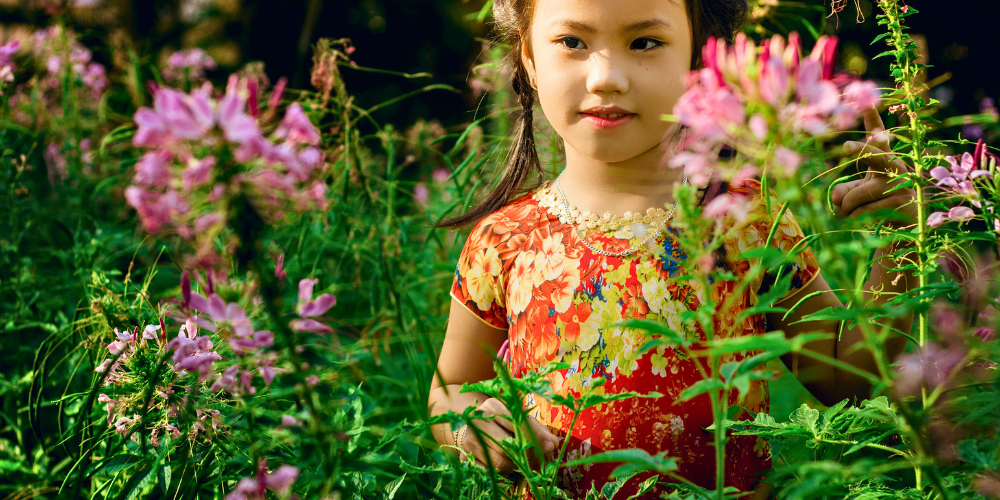
Before we teach our kids technical concepts like photosynthesis, precipitation, and transpiration, they need to see sunlight on leaves, watch the growth of flowers after a week of rain, and breathe in the fresh air beneath a mature tree. These experiences spark their curiosity to learn more. They prepare them to digest the lessons of science with a curious heart, rather than starting with abstract books and concepts. The more we let them experience life firsthand, the richer their later learning will be.
Section II: How to Let Kids Learn Through Gardening
The growing season offers many windows of opportunity to get kids involved and start learning about gardening.
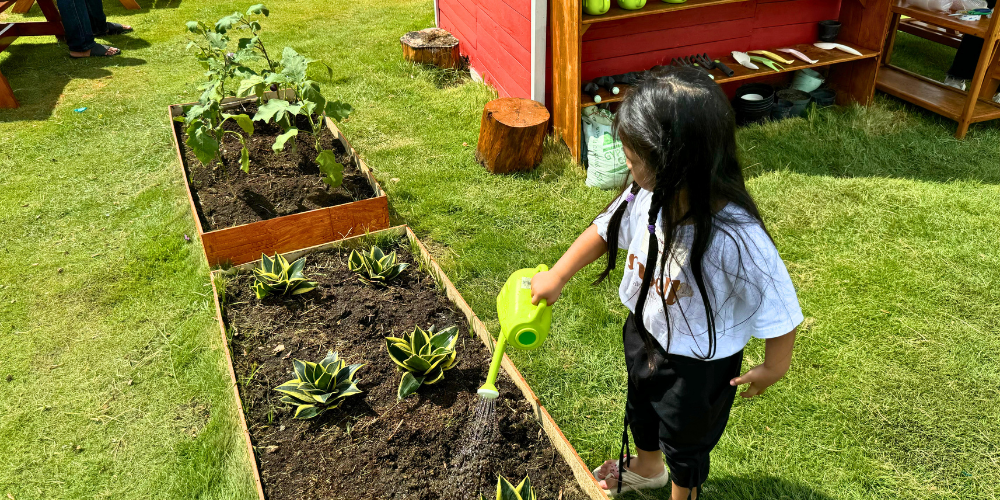
- Starting Seeds: A windowsill tray of old yogurt containers and egg cartons is a perfect place to begin the growing year. By planting seeds, kids can watch the transformation of seedlings in real time, day by day. It lets them practice the skills of watering and patience, while giving them a sense of responsibility and reward.
- Sowing and Transplanting: The time for planting the garden is another special moment for children. They can bring their cherished seedlings outside on the next stage of their journey, completing one milestone and beginning the next. Being present at planting time creates a sense of personal investment in all the growth that comes after. Kids naturally feel more responsibility for the seeds they started themselves.
- Choose Fast and Easy-to-Grow Plants: Selecting the right plants is key to building confidence and interest in young growers. Set them up for success by working together on quick-yielding crops like radishes and lettuce. At the same time, make sure you have plants for the whole season, like kale, beans, and potatoes, so your garden year doesn’t end by July.
- Choose Meaningful Plants: Kids sometimes have special plants they want to grow. These could be vegetables that they like to eat or feel attracted to. There’s no sense in forcing them to grow Brussels sprouts if they don’t like to eat them. Instead, choose tasty, charismatic, and harvest-ready crops like cherry tomatoes, strawberries, and snap peas.
- Choose Memorable Flowers: Let your children experience the joy of flowers by planting them in the vegetable patch. Towering high above young gardeners, sunflowers are often a favorite among children. Sunflowers can be slow to mature, but they are worth the wait. Echinacea is a fragrant and vibrant flower that lingers in the memory. Calendulas are a pollinator’s best friend and are abundant bloomers. Milkweed and yarrow can attract butterflies to the garden.
- Harvest Time: Harvesting is a key highlight of the growing year. Pulling a carrot from the soil or snipping fresh herbs feels like uncovering treasure. Tasting something kids have grown themselves adds a layer of accomplishment and confidence. Even picky eaters are more likely to try something they helped grow. Harvesting is also a chance to teach lessons in sharing, gratitude, and the rewards of hard work.
Section III: Simple Garden Activities that Build Curiosity
Gardening may seem like a slow process to a child, but many daily and weekly tasks offer numerous opportunities for fun and discovery.
- Keep a Journal of the Seasons: Phenology is the tracking of seasonal timings of events like the flowering of plants, the hatching of insects, and the nesting of birds. A journal of the seasons lets us discover the hidden events happening all around. It allows us to form relationships with the non-human friends in our yard, like the robins nesting in the lilac or the caterpillar that becomes a Tiger Swallowtail. It easily lends itself to art projects and builds a personal connection to the natural world.
- Plant and Insect Identification: Sometimes volunteer plants come up and we don’t know whether they are weeds or flowers. This is an opportunity to become a budding botanist and start to recognize the key features of plants—like leaf shape, flower type, and color. You can play the same game with insects too. Learning their names early in life creates a lifelong bond that deepens with each year and with every encounter.
- Make a Mud Pie: Gardening doesn’t always have to be productive or serious. Kids should have fun making mud pies, decorating garden rocks, making their own rock garden, and simply playing in the soil. Just make sure they have an area to let loose without disturbing the vegetable and flower beds. Many families discover that gardening with kids naturally turns simple moments like planting seeds or watering herbs into opportunities for curiosity, patience, and learning about how plants grow.
Section IV: Turning Gardening Into a Science Lesson
There is a way to explain the world without removing the magic and mystery of life. To do it, you need to let kids experience the wonderful transformations of the garden first. Let them see how apple blossoms grow into apples and how leaf litter turns to compost, then weave in teaching moments along the way. As adults, we often think we know everything about how the world works. We might surprise ourselves when we pause to observe again, discovering that there is so much more happening than we once thought.
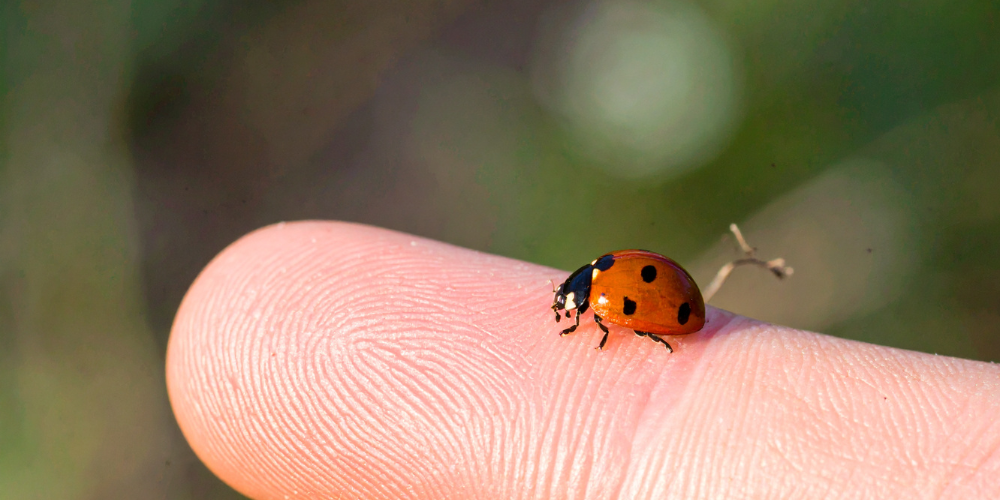
Sometimes our own childhood learning came only from books and teachers, without the firsthand experiences that connect us to life. As adults, we can rediscover those moments of wonder with our children and let their curiosity reawaken our own. A great way to spark curiosity in children is through gardening with kids, where simple moments like planting seeds, watering herbs, or spotting butterflies become everyday lessons about how nature grows and changes.
With kids as our teachers, we realize that the goal of gardening isn’t to simply plant seeds and grow flowers—it’s experiencing the beauty of life in everything around us, even in something as humble as a carrot or a peapod.
Ready to share the magic? Visit Primex Garden Center and let our team help you create it!