An Illuminated Garden: Introducing the Firefly Petunia
July 8, 2024
Among the dozens of species of petunias in the world, the Firefly Petunia stands out with a quality not observed anywhere else in the plant world; believe it or not, like a firefly, it glows in the night! Trust us: this is more than a simple figment of science fiction. Read on to discover what it is, how to grow it, and its relation to fireflies!
What is the Firefly Petunia?
Not many plants boast the radiance of the Firefly Petunia. During the daytime, it looks like an ordinary petunia with white petals, but when the stars come out, it suddenly shows itself in a new light, glowing—yes, glowing—like a firefly in the dark.
The Petunia with Bioluminescence
The phenomenon that causes the firefly petunia to light up so spectacularly is known as bioluminescence. Famously found in the firefly insect, which lights up the Pennsylvanian outdoors in late June and early July, you’ll also find it in certain plankton and rare mushroom species. However, until recently, no plants exhibited this rare quality, especially not any common garden annuals. Scientists changed all of this by genetically engineering this unique breed of petunia. By inserting genes from a bioluminescent mushroom, they’ve managed to breed a petunia that emits a subtle but significant green glow at night.
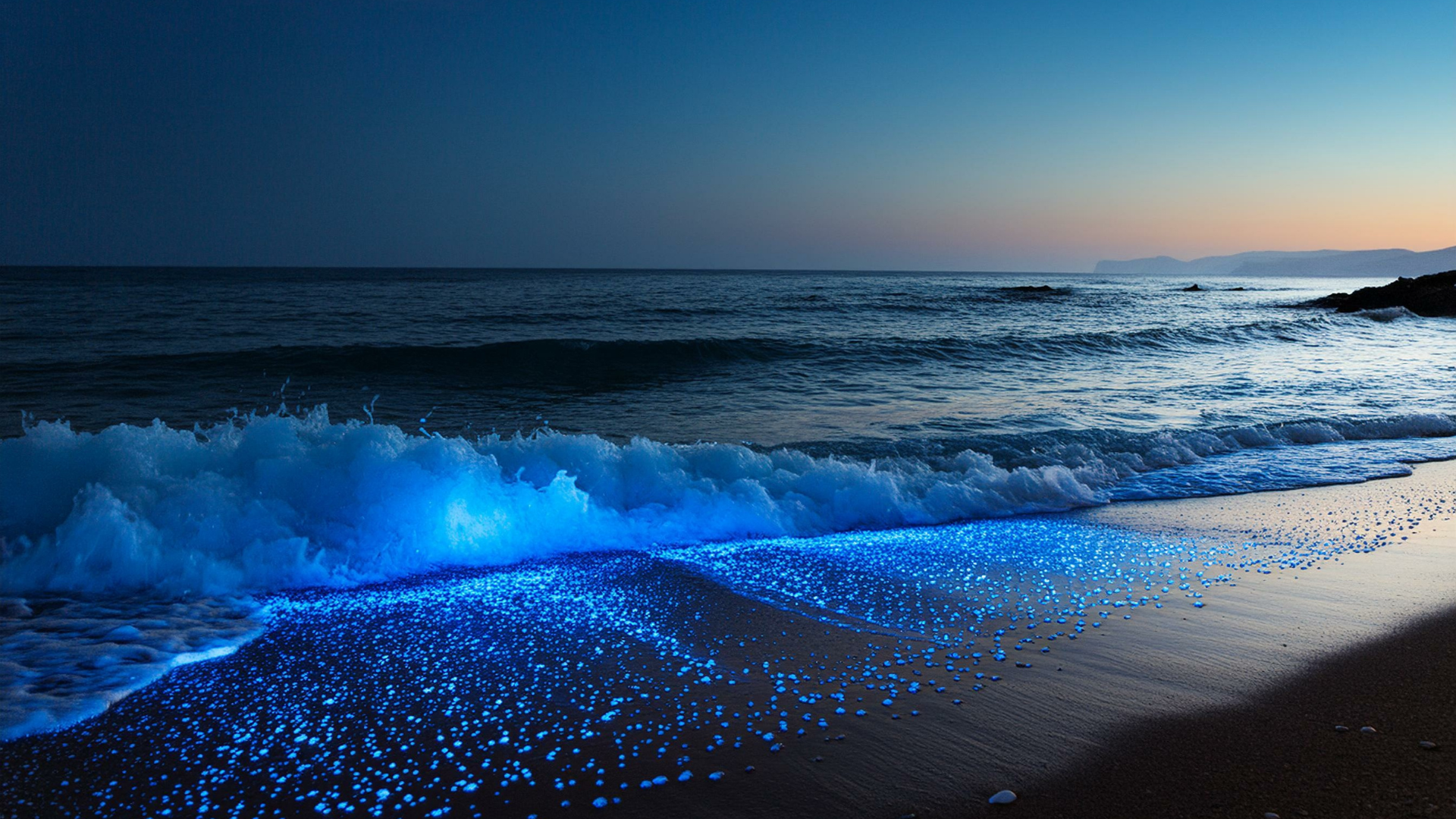
The Science Behind Bioluminescence
It’s wondrous to contemplate this rare feature of the natural world, but it’s also intriguing to think about why these creatures evolved to use it. According to biologists, bioluminescence has many functions:
- Defense Mechanism: Plankton use bioluminescence to confuse and deter predators who wouldn’t want to be exposed by the light to larger fish. Jellyfish also use it to startle predators.
- Attracting Insects: Mushrooms use bioluminescence to attract insects that help with decomposition and disperse the spores in their fruit.
- Mating: Fireflies use their light displays to attract and communicate with mates. The males typically flash for females in the dark, who respond with a specific flash if they’re interested. They then both use subsequent flashes to find each other in the dark.
Of course, for Firefly Petunias, the bioluminescence has no survival purpose. Engineered by humans, it’s simply for the beauty and the “cool factor.”
How to Grow Firefly Petunias
Successfully growing a Firefly Petunia in your Glenside garden isn’t much different from tending an ordinary petunia. Like their non-glowing cousins, Firefly petunias thrive in hanging baskets, planters, and ground-level gardens. They reach a height of 8 to 10 inches and unfurl white blossoms in the well-known trumpet shape. As long as it gets six hours of sunlight, it will thrive without any special care.
When it comes to landscape design, ensure that your Firefly Petunia is in a spot that is visible at nighttime. Experiment with several in and around your yard so you can enjoy them like natural night lights, their moon-like leaves gently flickering in the dusk.

Do Firefly Petunias Attract Fireflies?
With natural firefly populations declining due to habitat loss, pesticide use, and light pollution, it would be extraordinary to grow a garden plant that could enhance their numbers and bring this charming insect to your garden. Unfortunately, the Firefly Petunia does not have this superpower. However, we can still take small steps at home to help our native firefly populations by turning off or minimizing outdoor lights, avoiding pesticides, supporting nature conservation, and growing an abundance of native plants in our backyard.
Interestingly, fireflies are carnivorous insects that feed on snails, slugs, and worms, so adding in a few “messy” areas of leaf litter somewhere in your yard to provide habitat for their prey is another great way to help out fireflies at home. It’s “messy” by our standards, but just right for them!

A Glowing Nighttime Garden
While attracting fireflies would be an incredible gardening feat, planting a few firefly petunias in your garden, with their similar reaction and glow, makes for an excellent alternative. Firefly petunias’ bioluminescent qualities make them excellent additions to moon gardens, a unique gardening design that emphasizes white flowers to capture the moon, and strong scents to make your nighttime garden experience more sensuous.
While we sadly haven’t gotten our hands on a stock of Firefly Petunias, yet, we have plenty of other petunias to fill your garden in the meantime, so come visit us today in Glenside, PA!